Have you ever felt like a place could share its secrets with you? The Caribbean’s historical sites do more than just offer pretty views, they take you back to the days of brave sailors and sturdy forts. Picture yourself strolling along Antigua's classic harbor or wandering through Barbados' narrow, story-filled lanes, with the warm air almost whispering tales of old maritime adventures. This piece highlights special spots where history comes alive, inviting you to reconnect with the moments that continue to shape the magic of these sunlit islands.
Must-See Caribbean Historical Sites: An Overview of Top Landmarks
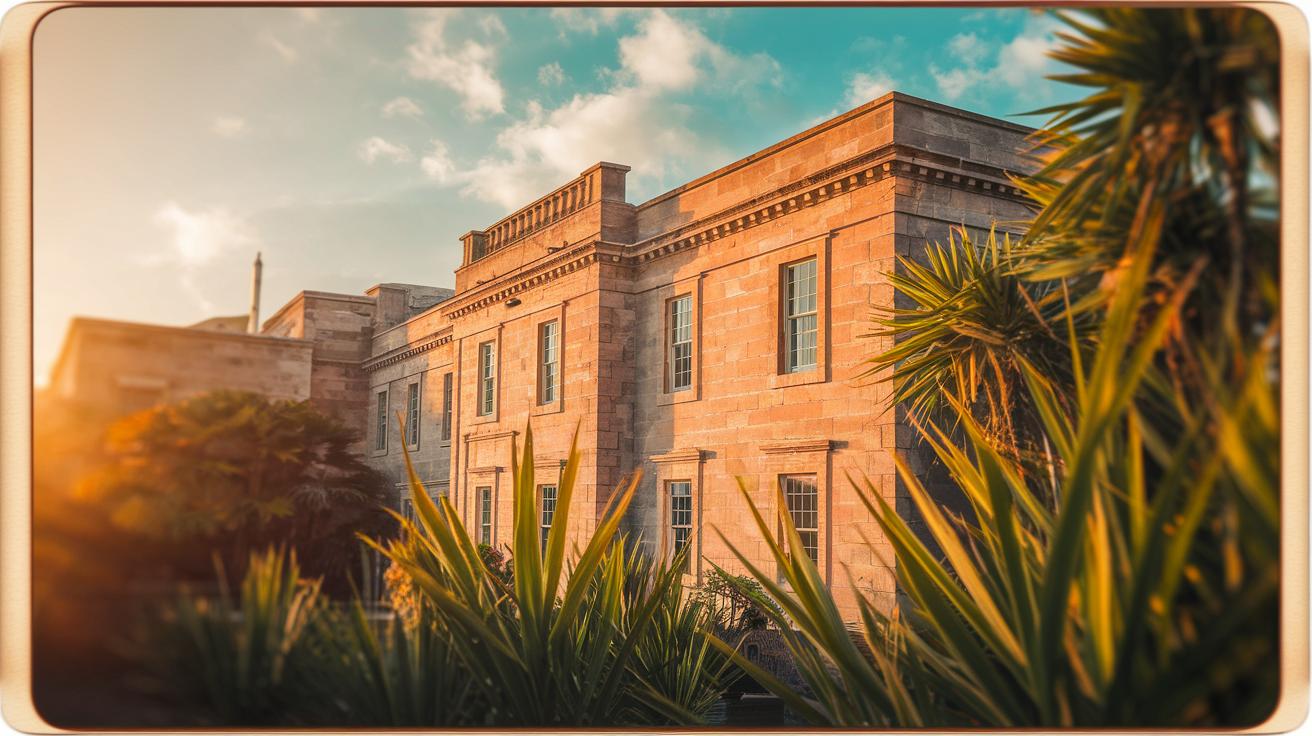
Step into the past with Caribbean sites that bring history alive. These places offer a real taste of maritime might and colonial charm. When you wander these streets, you can almost feel the warm sea breeze and hear whispers of old-world tales.
- Antigua’s Nelson’s Dockyard is like a time capsule from the 1780s. Georgian naval buildings, where Admiral Nelson once stayed, tell stories of a rich maritime past.
- Barbados’ Historic Bridgetown and its Garrison let you explore a British colonial fort. With its neat grid layout, this spot shares military secrets from the 17th to 19th centuries.
- Curaçao’s Historic Willemstad, which served as the Dutch colonial capital until 2010, charms visitors with its colorful merchant warehouses along Handelskade. Strolling here, you’re stepping into a lively era of Atlantic trade.
- The Colonial City of Santo Domingo, founded in 1496 as the first European settlement in the Americas, still feels vibrant. Its streets are a living reminder of early colonial planning.
- Jamaica’s Blue and John Crow Mountains mix stunning nature with cultural stories. This UNESCO site not only dazzles with its beauty but also honors the resilient spirit of the Maroon communities.
- Puerto Rico’s La Fortaleza and the San Juan National Historic Site reveal impressive coastal defenses. Built between 1533 and 1790, these fortifications show off smart military design and enduring strength.
- St. Kitts & Nevis’ Brimstone Hill Fortress sits high on a hill, offering sweeping views of the sea. Constructed from 1690 to 1793 by enslaved Africans, it stands as a powerful reminder of colonial military history.
Fortifications and Maritime Heritage of the Caribbean
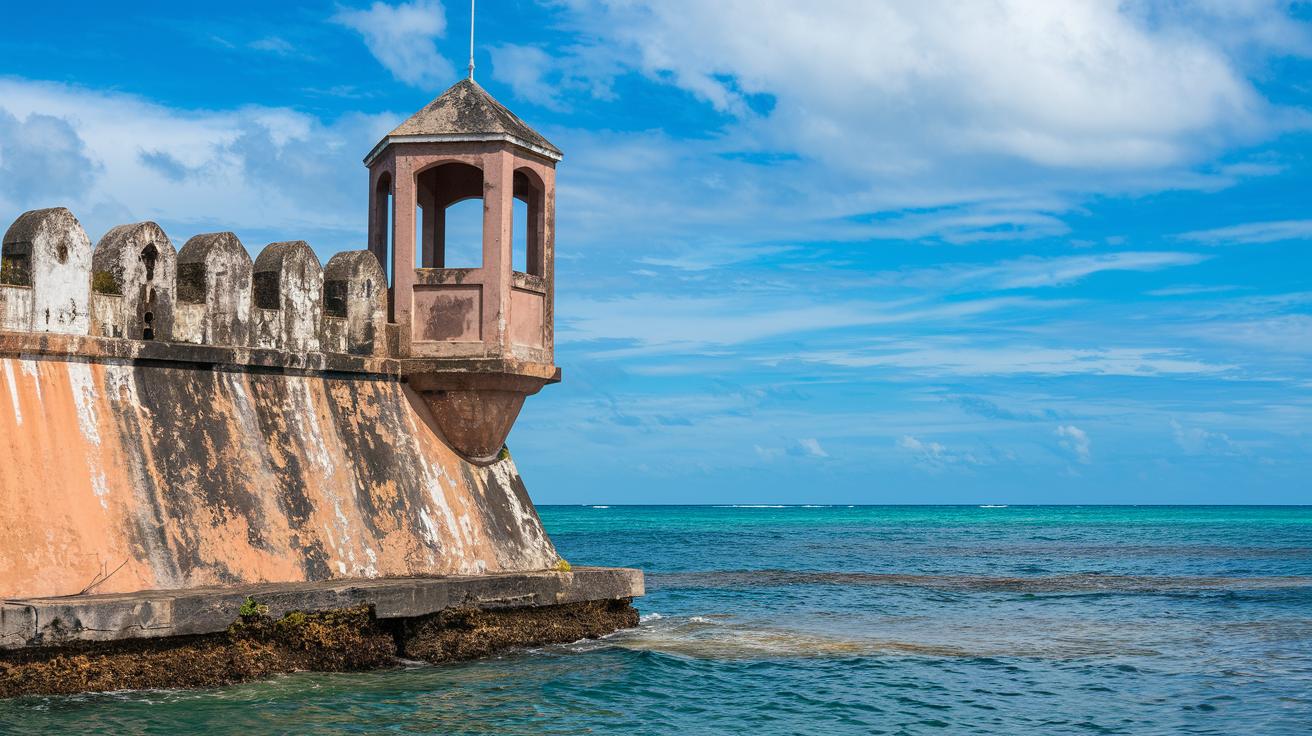
The Caribbean has some amazing stories to tell about defense and bravery. Old walls, watchtowers, and forts whisper secrets of a time when naval battles and daring pirate adventures were the norm. Every stone here feels like it holds a piece of the past, reminding us of curious seafarers and brave defenders who once roamed these shores.
Walking into one of these historic sites is like stepping into a living museum. The clever designs of these forts not only kept important harbors safe but also set the stage for bustling trade and kept unwanted pirate visitors at bay. Whether you find yourself exploring a hilltop fortress or wandering along a harbor lined with old warehouses, each spot invites you to imagine the exciting legacy of the West Indies.
-
Nelson’s Dockyard (Antigua): Nelson’s Dockyard is a charming Georgian naval base from the 1780s. With its tough limestone walls and watchtowers that once scanned busy trade routes, it still holds a hint of pirate intrigue. Guided tours here let you discover how this fort played a smart role in defending the coast.
-
Brimstone Hill Fortress (St. Kitts & Nevis): Built between 1690 and 1793 by enslaved Africans, this fortress stands proudly on a hill, offering incredible sea views. Its solid design helped control shipping lanes and protect the island. A visit here feels like you’re looking out over history while listening to locals share tales of the past.
-
La Fortaleza & Castillo San Felipe del Morro (San Juan, PR): In San Juan, La Fortaleza (dating back to 1533) and Castillo San Felipe del Morro (built from 1539 to 1790) work together as a double defense line. With six layers of protection, these landmarks were once vital in guarding the harbor. Today, guided tours let you dive into the mix of colonial military design and clever maritime watch techniques.
-
Willemstad Harbor (Curaçao): Founded in 1634 by the Dutch West India Company, Willemstad Harbor was a busy center for Atlantic trade. Take a stroll along Handelskade, where colorful old warehouses stand as reminders of lively trading days. You can almost hear the buzz of maritime commerce in the air.
-
Port Royal (Jamaica): Known as a pirate haven until a great earthquake in 1692, Port Royal was once a fortified base for both privateers and traders. Now, you’ll find underwater ruins and museum displays that bring its notorious past to life. It’s easy to feel the old, salt-soaked spirit of adventure here.
-
Tortuga (Haiti): In the 17th century, Tortuga was a safe haven for buccaneers. Its sturdy defenses tell stories of fierce battles and secret treasure hunts. Guided tours share colorful local legends that make you feel like you’re part of an exciting, hidden chapter of Caribbean history.
Colonial City Sites: Tropical Monuments and Antillean Ruins
Historic Bridgetown & Garrison (Barbados)
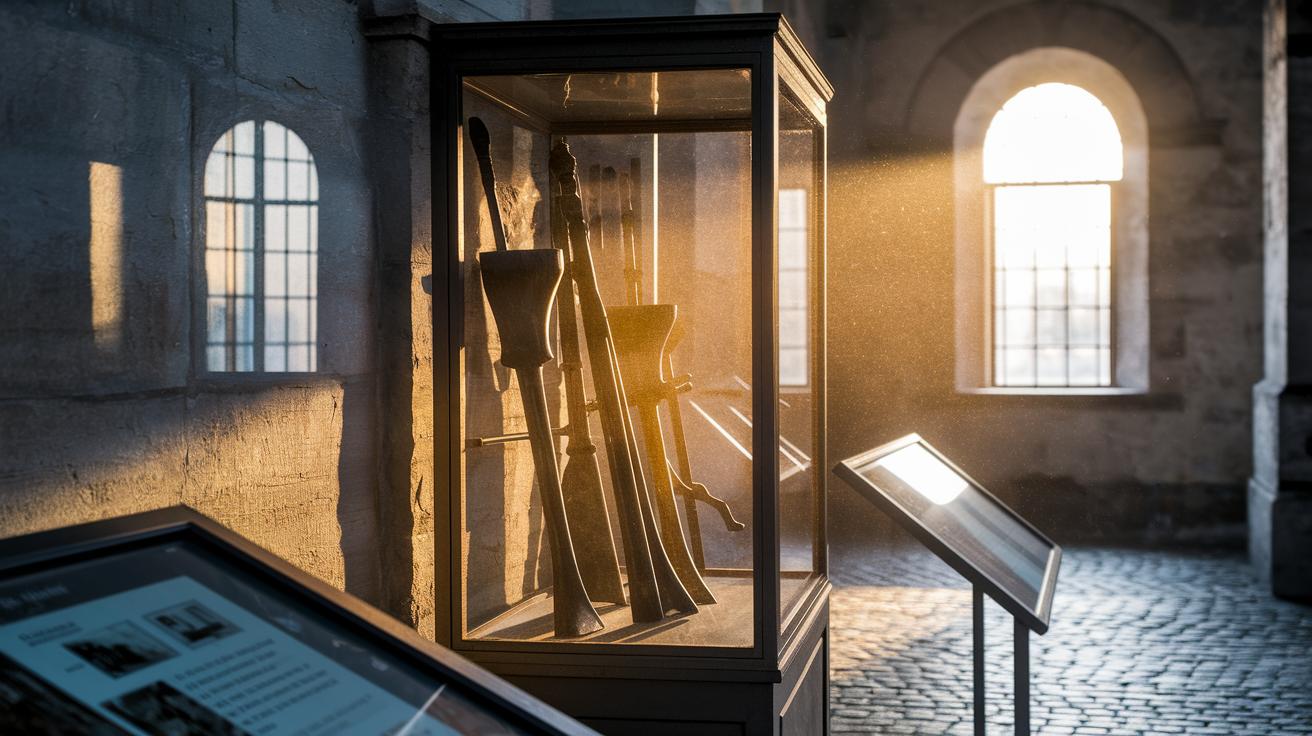
Step into Historic Bridgetown & Garrison in Barbados and feel like you’re wandering through a 17th to 19th-century British town. Neat streets and proud military parade grounds bring history to life, and UNESCO recognizes this special place. You can explore museum exhibits and hands-on displays that let you see colonial artifacts up close. Daily tours run from 9 AM to 5 PM, where guided experiences mix visitor center chats with interactive stops. Imagine stepping into an old armory where relics meet modern touchscreens, it feels like the pulse of history is right there with you.
Colonial City of Santo Domingo (DR)
Visit the Colonial City of Santo Domingo, founded in 1496, and wander its narrow streets lined with history. Landmarks such as the Catedral Primada de América (built in 1502) and the Alcázar de Colón transport you back to a time when early European settlers made their first marks on the New World. Well-preserved documents and relics let you explore the rich past in a very tangible way. Guided daytime tours lead you through charming alleys and historic plazas, while interactive museums blend artifacts with simple narrative panels. Picture yourself examining a centuries-old document as an interactive display shares its story with you.
Historic Willemstad (Curaçao)
Discover the charm of Historic Willemstad in Curaçao as you stroll along the Handelskade waterfront with its Dutch-baroque façades. This vibrant area, celebrated since 1997, mixes old merchant warehouses with historic synagogues, all highlighting a proud maritime legacy. Daytime tours invite you to wander through streets filled with lively stories and interactive visitor centers that connect you to the past. Imagine walking along a timeworn dock while interactive kiosks fill in the details of Willemstad’s trading history, it’s truly an experience that engages all your senses.
UNESCO Mixed Heritage: Natural and Cultural Sites in the Caribbean

Jamaica’s Blue and John Crow Mountains cover around 765 square kilometers. This UNESCO site blends breathtaking natural views with a deep cultural story. Imagine strolling along leafy forest trails where every plant and gentle breeze tells a tale of days gone by. One visitor even shared that it felt like walking through a living storybook, with every path and leaf whispering secrets of ancient times.
In the heart of this magic lie hidden Maroon community spots, like Moore Town, which dates back to the 1740s. These secret hideaways remind us of a proud history of resistance and bravery. Local guides warmly lead you through memorial parks, sharing stories of how these communities protected their heritage. Just remember, you need a permit to explore these special areas, ensuring that visits remain respectful and meaningful.
Historical sites to visit in the caribbean: Splendid
If you're planning a trip to the Caribbean, try to swing by between March and May. The weather is friendlier with less rain, and you'll dodge the crowds. Most historic spots open from 9 AM to 5 PM, and you can expect a small fee of about US $10 to $20, especially when it's busy. If you're arriving on a cruise, keep in mind that San Juan tours need a 48-hour booking notice, while Antigua offers fun half-day shore trips. Many visitors enjoy audio tours, and local guides bring the history to life by sharing stories about every stone and corner.
These handy tips should help you create a plan that fits your schedule and interests. Whether you're in for a full day of exploring or just a quick look around, knowing the details in advance can make your visit smooth and memorable. Think of it like mixing just the right ingredients for a tropical cocktail, you get to enjoy each moment without any rush.
| Site | Hours | Admission | Recommended Tour Type |
|---|---|---|---|
| San Juan National Historic Site | 9 AM–5 PM | US $10–20 | Cruise-stop guided tour |
| Nelson’s Dockyard, Antigua | 9 AM–5 PM | US $10–20 | Half-day shore excursion |
| Historic Bridgetown, Barbados | 9 AM–5 PM | US $10–20 | Audio-guided tour |
| Colonial City of Santo Domingo | 9 AM–5 PM | US $10–20 | Local certified guide tour |
Final Words
In the action of exploring Caribbean treasures, we embraced its historical sites, maritime forts, colonial city gems, and UNESCO trails with open hearts. The guide brought local insights, practical tips, and a taste of island life into view. It offered digestible steps for planning a smooth trip and encouraged green travel along the coast. Enjoy visiting these top historical sites to visit in the caribbean and let each moment shine under the sun.
FAQ
What Caribbean historical sites stand out?
Caribbean historical sites shine with ancient forts like Antigua’s Nelson’s Dockyard and colonial gems such as Santo Domingo, each offering a peek into the region’s rich maritime and urban past.
Which Caribbean island features the richest historical heritage?
Caribbean islands like Puerto Rico, Barbados, and Curaçao offer a wealth of history through well-preserved forts, colonial buildings, and recognized cultural landmarks that vividly reflect their layered pasts.
What natural landmarks define the Caribbean?
Caribbean natural landmarks, like Jamaica’s Blue and John Crow Mountains, combine lush ecosystems with cultural history, providing scenic trails and insights into the region’s ecological and historical significance.
How do historic Caribbean cities showcase their colonial past?
Historic cities such as Santo Domingo and Willemstad mix colonial architecture with lively local culture, inviting visitors to experience traditional street layouts alongside modern island vibes.
Which Caribbean heritage sites enjoy international recognition?
Recognized heritage sites like Jamaica’s Blue and John Crow Mountains exemplify the Caribbean’s blend of natural beauty and cultural legacy, earning accolades like UNESCO status for their historical and ecological importance.
What ancient Caribbean ruins offer glimpses into the past?
Ancient Caribbean ruins, including colonial fortifications and pirate havens, provide tangible evidence of the islands’ storied history, reflecting eras of naval defense and early cultural encounters.
What is meant by the “big 3” of the Caribbean?
The “big 3” of the Caribbean frequently refers to islands like Curaçao, Barbados, and Puerto Rico, each celebrated for its unique historical landmarks and contributions to the region’s cultural mosaic.
What is a famous landmark in the Caribbean?
A famous Caribbean landmark is Barbados’ Historic Bridgetown, renowned for its colonial grid layout and former military parade grounds that continue to tell the story of British colonial influence.
