Ever wondered why Caribbean vibes feel so alive?
The islands weave music, dance, and shared meals into everyday life. You can hear the smooth reggae and lively calypso pulsing at local parades, each beat inviting you to smile.
And the food? Imagine savoring jerk chicken or a tasty roti, each bite carries a hint of history and a burst of flavor that takes you back in time.
Every tune and taste is like a little treasure from generations past, making these islands pulse with a unique, warm energy. Let’s dive in and discover what brings this colorful culture to life.
Key Characteristics Defining Caribbean Culture
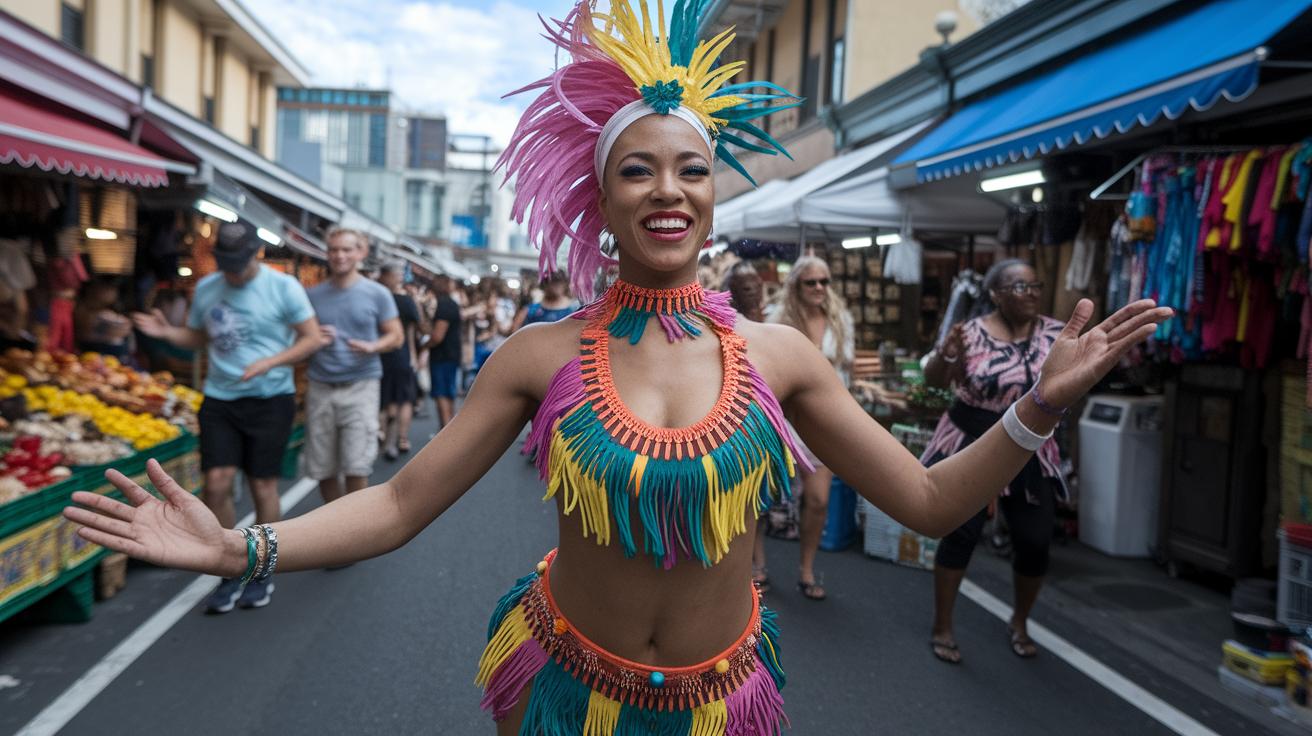
Caribbean culture is a colorful blend coming from British, Spanish, French, Dutch, African, and Indigenous roots. With over 7,000 islands around, even though only about 2% are lived on, this mix is the soul of the region. Music is a big part of life here. Reggae, calypso, and soca fill the air at lively street parties and festivals. Imagine walking through a busy market while the vibrant beats of soca play in the background. Ever wondered how these sounds carry the stories of many generations? Fun fact: Trinidad Carnival attracts over one million people, filling the streets with parades and energy.
Dance and celebrations add even more flavor to this culture. Traditional moves like quadrille dances, along with the energetic spirit of Junkanoo parades and Crop Over festivities, tell stories of both community and old imported traditions. Food is another way Caribbean culture speaks to you. Dishes like jerk chicken, callaloo, roti, and flying fish bring together flavors from different heritages. Even the Creole languages spoken in places like St. Lucia, Haiti, and Martinique share unique linguistic stories passed down over time.
Old colonial buildings in Old San Juan and friendly customs like limin’, where neighbors gather to share food and chat, help complete the picture. Each part of Caribbean culture bursts with life and history. Explore more about the culture at definition of caribbean culture and let these vivid traditions inspire you to see the deep and lively spirit of the Caribbean.
Musical Traditions Shaping Caribbean Culture
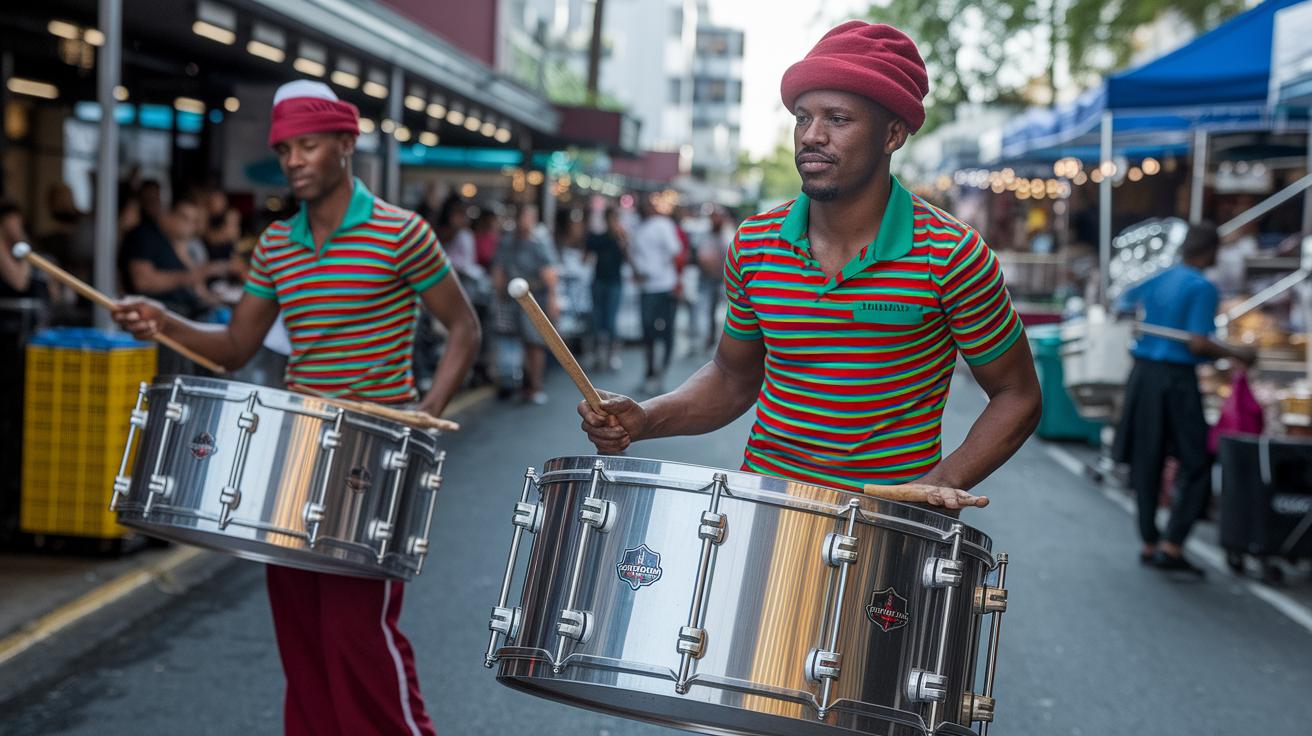
Caribbean music buzzes with life in every note. Jamaica's reggae wraps you in a smooth, soulful vibe that tells stories of hope and strength. In Trinidad and Tobago, calypso and soca light up festivals with fun, catchy beats that make you want to dance. Think of the steelpan, this special instrument, born in Trinidad in the 1930s, brings clear, ringing sounds that blend perfectly with the deep pulse of the conga and the chatty rhythms of talking drums. These beats share tales of everyday moments and big changes in people’s lives.
Just imagine a lively Trinidad market bathed in warm sunlight. The steelpan glimmers as neighbors come together, each drumbeat echoing a shared past. It’s like seeing the journey of music from classic ska and dancehall to fresh, new sounds, all while keeping a nod to the traditions that started it all. The lyrics mix playful fun with thoughtful social tips, turning every song into both a party and a quiet moment to think.
Every performance feels like a warm conversation passed down through generations. Here, music isn’t just sound, it’s a way for communities to connect, sharing both their joy and their worries. The ever-changing beats of Caribbean music weave a powerful, silent thread through the colorful history of the islands.
Dance and Festive Celebrations in Caribbean Culture
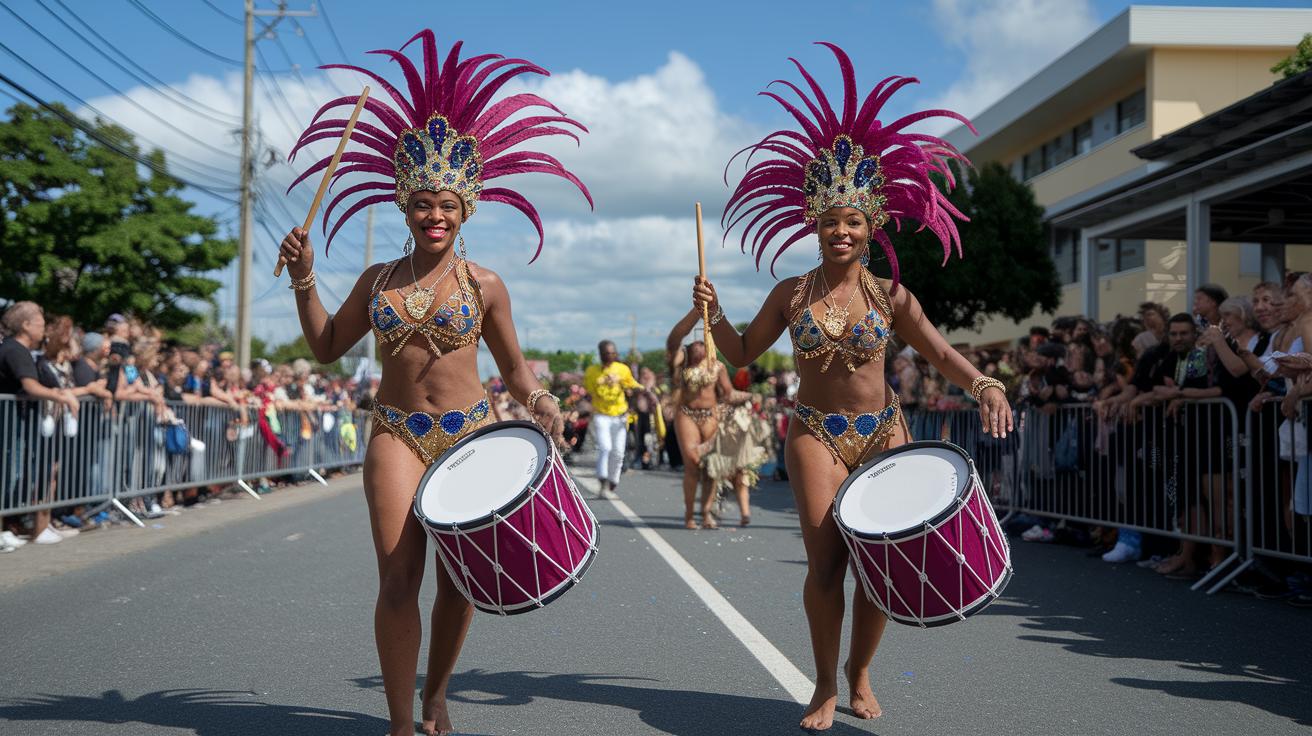
Caribbean celebrations are a burst of color and energy that fill the air with excitement. Every island boasts its own unique festivities where music, dance, and costumes bring communities together. Imagine walking down a street in Trinidad during Carnival, one of the biggest festivals held in February or March, where over a million people dress up in vibrant costumes and dance with high spirits.
In Nassau, the Junkanoo parades on Boxing Day and New Year’s Day are just as dazzling. Elaborate outfits shimmer under the sun while rhythmic drumbeats and joyful dances create a magical atmosphere. It’s a time when every move on the street feels like a story being told, connecting everyone to the rich history of the island.
Over in Barbados, the Crop Over festival runs from July to August, climaxing with the Grand Kadooment. This event is a lively mix of upbeat music, a kaleidoscope of colors, and dance routines that echo traditional styles like the quadrille and jumbie dance. Each step in these dances carries memories and pride from generations past, inviting all to join in the celebration.
These festivals are more than just parties, they're shared moments of cultural pride and community spirit. Every drumbeat and dance move weaves the old with the new, inviting everyone to feel the heartbeat of the Caribbean in every celebration.
Culinary Heritage of Caribbean Culture
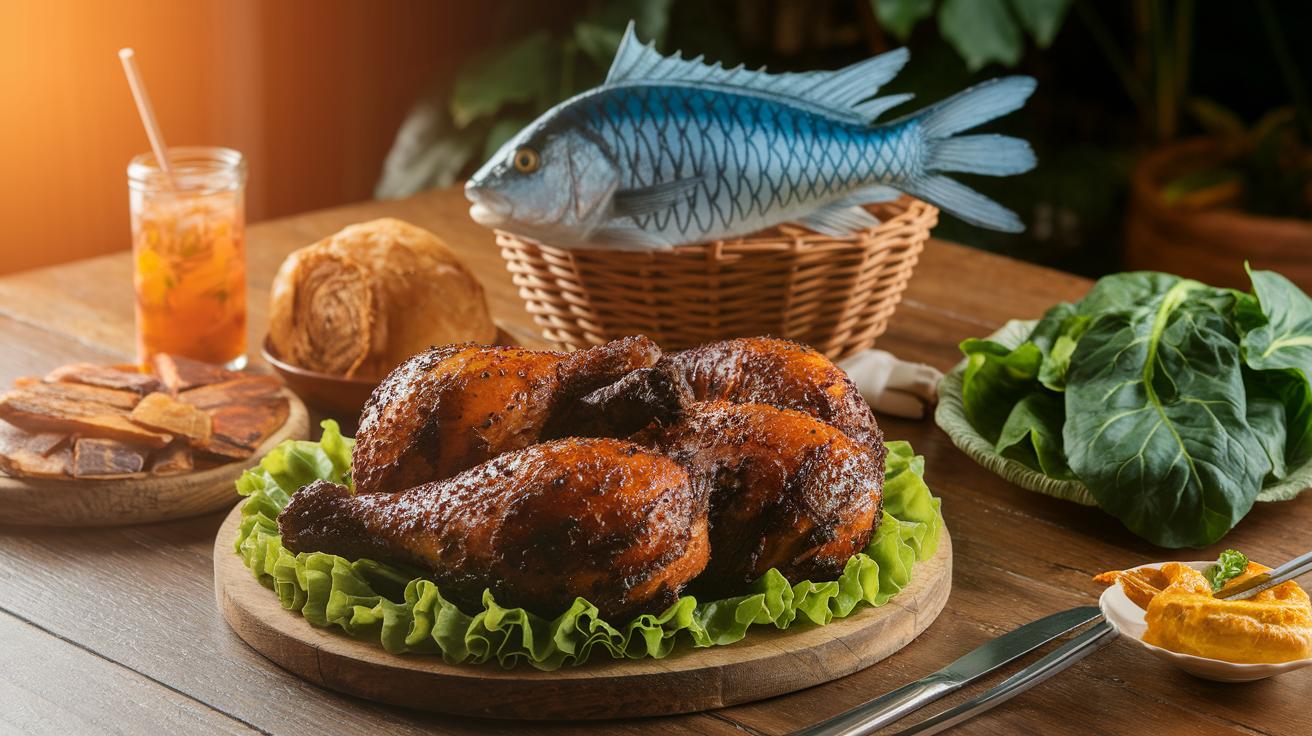
Caribbean cooking is a blend of tastes and stories, where African, European, and Indian influences come together to create delicious tropical dishes. Imagine biting into Jamaican jerk chicken, its spicy Creole flavors brightened by the tang of scotch bonnet peppers that give every mouthful a kick. Then there’s Trinidadian roti, stuffed with curried meats or veggies, a dish that mixes comforting spices and textures passed down over generations.
In Barbados, you can enjoy flying fish with cou-cou, a dish that balances savory flavors with a gentle touch, letting the best ingredients shine. And don’t miss out on one-pot callaloo, slowly simmered with leafy greens and seasonings that remind you of hearty home cooking. It’s no wonder the region is also famed for its rum, with beloved brands like Mount Gay, Havana Club, and Appleton Estate adding a spirited twist to every meal.
Tropical fruits such as mango, pineapple, and guava burst with flavor in desserts and rum-based cocktails, creating an explosion of exotic tastes that match the lively island spices. Imagine a festive table where every dish, rich with the aroma of sizzling spices and fresh produce, captures the vibrant energy and heart of Caribbean culinary culture.
Language Diversity and Storytelling in Caribbean Culture
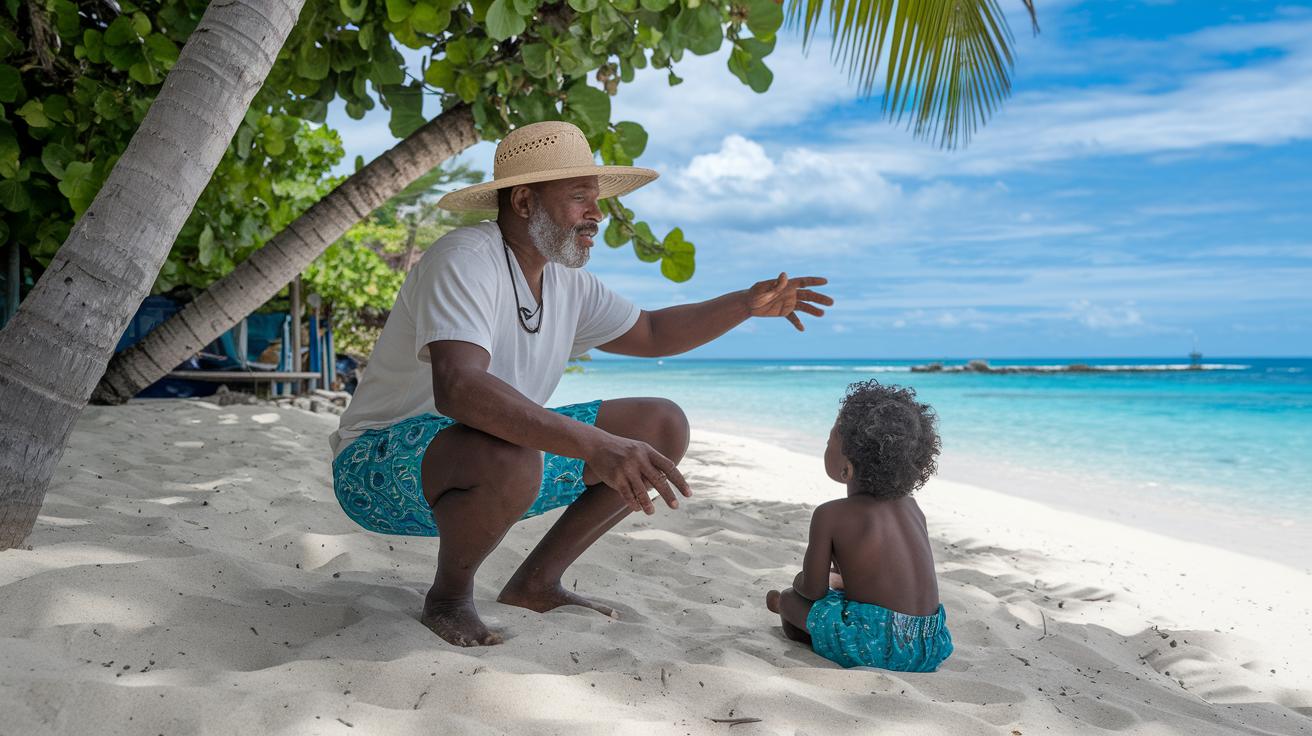
In the Caribbean, languages mix like a colorful mosaic, each piece shining with history and soul. Locals chat in Creole languages such as Papiamento in Aruba and Curaçao, Haitian Creole, and Antillean Creole, a nod to their colonial past and African roots. These languages aren’t just for everyday talk; they carry enchanting legends and folktales passed from one generation to the next. Ever listened to an Anansi tale? It’s like a secret shared on a warm, breezy evening.
Storytelling here feels as refreshing as a cool dip in the ocean. People gather to share stories that capture the island’s magic and history, where every whisper of wind seems to carry a poem. Whether it’s a lively narrative at a family meal or a reflective verse under a starlit sky, these oral traditions keep memories alive, just like the constant rhythm of the waves along the shore.
- Oral traditions help communities remember and celebrate their past.
- Creole dialects blend varied cultural histories into every conversation.
In truth, the rich mix of languages and the art of storytelling are at the heart of the Caribbean, giving each island its unique, sun-kissed identity.
Artistic and Craft Expressions in Caribbean Culture
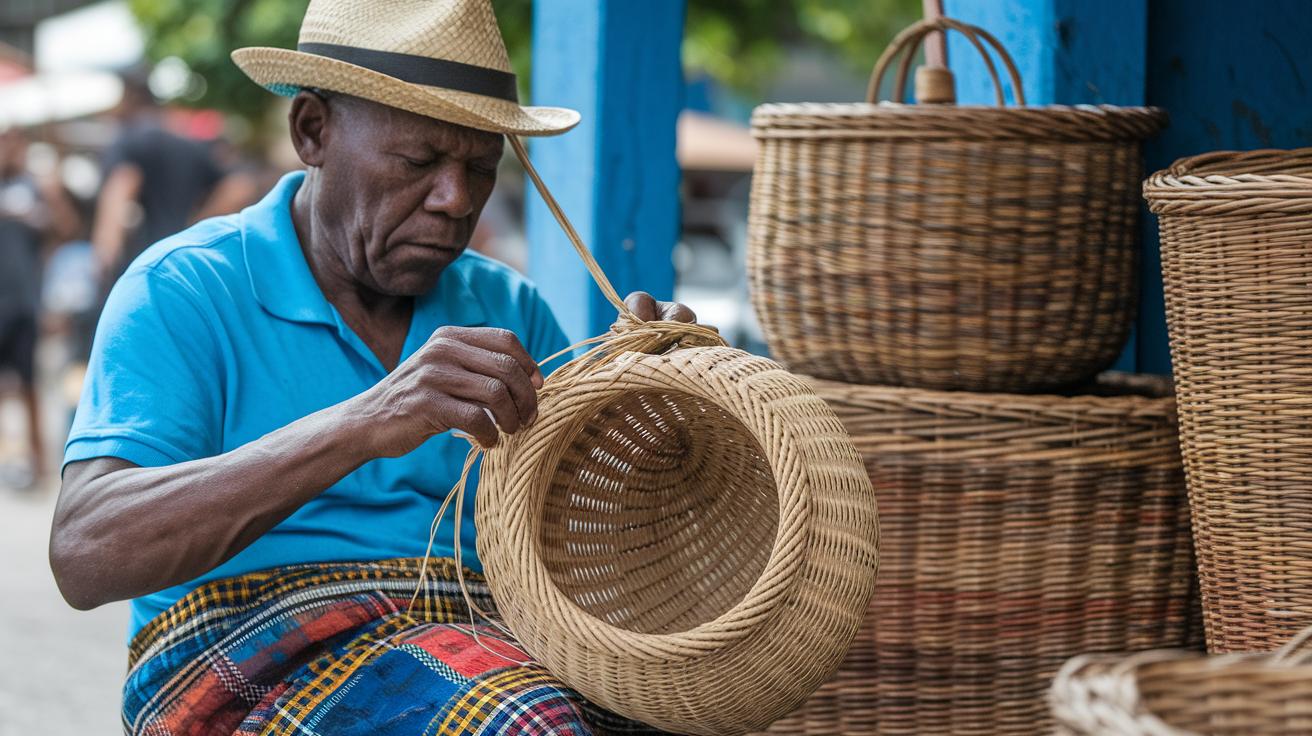
The Caribbean islands shine with unique art and crafts that tell stories of heritage and heart. Over in Grenada, locals handweave baskets full of the island's warm spirit. In Trinidad, potters shape clay into everyday art that carries deep cultural meaning. And in Jamaica, talented artisans carve wooden figures that share little tales of their history.
Across the region, public art boosts this creative vibe. In Havana, bright murals capture revolutionary icons, turning city streets into open-air galleries. Grenada’s Underwater Sculpture Park invites visitors into a world where art and the sea meet. Meanwhile, galleries in Port of Spain and Kingston mix old traditions with modern styles for a look that surprises and delights.
Every piece, be it a handmade treasure or a public display, brims with the Caribbean flair for creativity and history. Some artisans even trace their craft back through generations, blending age-old techniques with fresh, imaginative touches in every brush stroke and chiseled detail.
Historical Influences and Social Values in Caribbean Culture
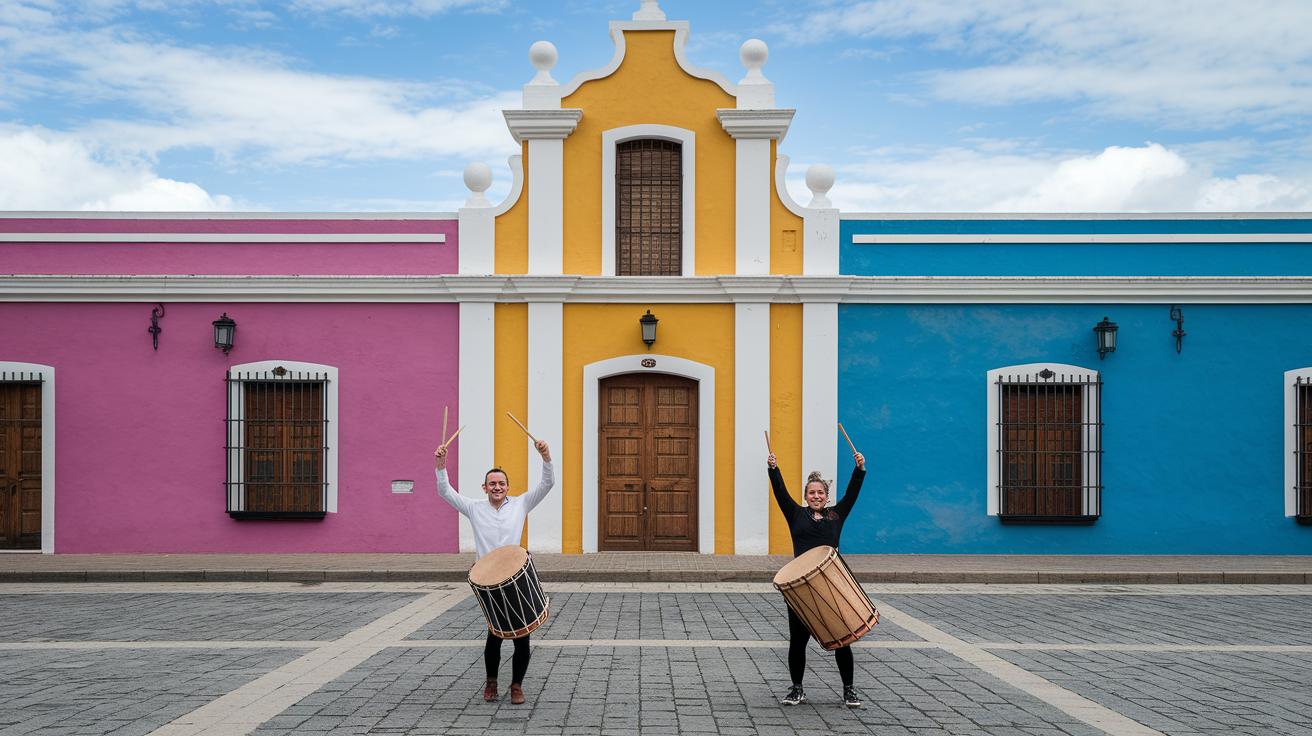
Old San Juan’s forts and similar landmarks remind us of the days when Spanish and British rulers shaped these islands. They aren't just old buildings, they tell the story of years of contact and struggle that helped form the island’s unique vibe. The influence of enslaved Africans and Indian laborers, who built strong ties far from home, still shows up today in the colors of local art, the beat of music, and everyday life on the island.
In Jamaica, you can see over 1,600 churches in just one square mile. This high number shows a deep Christian tradition mixed with other beliefs like Vodou and Rastafarianism. It’s a true blend of old and new ways of seeing the world.
Community traditions, like limin’, where friends and neighbors gather around food, music, and stories, keep these rich histories alive and bring people together in a warm, genuine way.
- Colonial buildings in Old San Juan tell a story of many layers of history.
- African and Indian roots continue to add depth to local culture.
- Limin’ gatherings celebrate the mix of traditions and keep community spirit strong.
Final Words
In the action of exploring lively beats, spirited dances, tempting cuisines, expressive language, and creative crafts, we uncovered the rich layers that form Caribbean culture. Each section shared hints of history and the passion of everyday island life. This glimpse into the key characteristics of caribbean culture highlights how every note, flavor, and story builds a unique, memorable experience. There's plenty to keep your spirit lifted and your heart open on every sunlit Caribbean escape.
FAQ
What are the key characteristics and traditions of Caribbean culture?
The key characteristics and traditions of Caribbean culture encompass a blend of British, Spanish, French, African, and Indigenous influences. These appear in lively music, unique festivals, flavorful cuisine, diverse languages, and warm social customs.
What are five key aspects of Caribbean culture?
The five key aspects of Caribbean culture include its music styles (reggae, calypso, soca), festive celebrations (Carnival, Junkanoo, Crop Over), distinctive cuisine, rich oral traditions, and historical influences that shape its identity.
What is the culture of the Caribbean?
The culture of the Caribbean reflects a mix of colonial legacies and immigrant influences. It is visible in its music, festivals, food, language diversity, and social customs that together form a unique and enduring island spirit.
What are some Caribbean culture facts and values?
The Caribbean culture facts and values highlight community spirit through events like limin’ (casual social gatherings), a deep musical heritage, and a blend of historic influences seen in architecture and language diversity.
