Ever wondered how old sea legends still light up the Caribbean today? Imagine local boatmakers carefully carving canoes, sturdy enough to save lives, while grand sailing ships once connected distant, exotic lands. Picture pirates sneaking into hidden coves, turning each into a secret spot full of mystery. These lively stories aren’t just old tales, they feel as real as the cool ocean spray on a sunny day.
So, how does this magic keep shining? A mix of native know-how, a sprinkle of foreign influence, and a dash of bold pirate spirit brings these traditions to life. In this post, we’re exploring how these elements blend together like a perfect tropical cocktail. Ever feel like the timeless call of the sea is whispering your name?
Historical Foundations of Caribbean Maritime Culture
Long ago, the Taíno and Carib people paved the way with their handmade canoes. They would take a single tree trunk and carefully shape it into a boat that did much more than float, it was a lifeline across sparkling coastal waters. Picture a skilled hand caressing the wood as curves and grooves formed, each one hinting at adventures yet to come. It’s like every canoe was a little door to the mysterious beyond.
Then came European explorers in the late 1400s. With sturdy caravels and grand galleons built for long journeys, they crossed the Caribbean with confidence. These ships, made for traversing vast oceans, connected the Caribbean to faraway trade routes. Their arrival marked a turning point, introducing new ideas and goods while reshaping seafaring traditions.
In the 1600s and 1700s, the islands turned into a playground for daring pirates during the Golden Age of Piracy. Think of famous names like Blackbeard and Anne Bonny as legends roaming secret bays and hidden coves. They used the maze of islands to hide their treasures and outsmart powerful navy forces with clever raids and bold moves. Their adventurous stories add a vibrant layer to Caribbean maritime lore, where myth and history meet under the sun.
From the elegant craft of indigenous canoes to the grand European ships and the thrilling tales of piracy, the spirit of the sea still echoes through the Caribbean. Each chapter is a reminder of brave journeys and the timeless call of the ocean.
Indigenous Boat Craftsmanship in Caribbean Maritime Culture
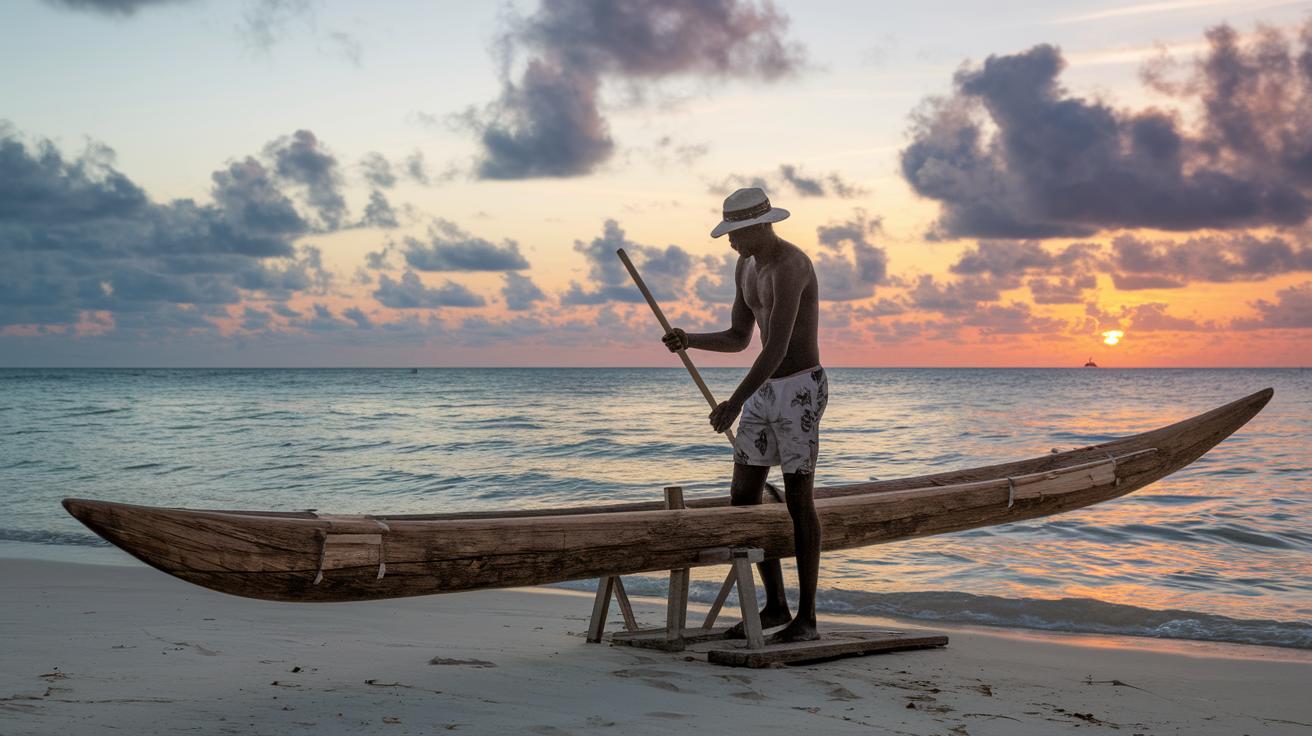
Indigenous boatmaking is a big part of Caribbean history. The Taíno and Carib people built canoes from a single tree trunk, a unique style we explore in our Historical Foundations section. What makes this craft truly special is the way skills were handed down from parents to children.
Imagine watching a skilled craftsman gently shape each curve of a canoe. His careful cuts, full of love and care, show a tradition passed on through generations. Each canoe tells its own story of talent and quiet strength, and these building techniques helped form the rich maritime traditions of the Caribbean.
Caribbean maritime culture and its historical legacy shines
Back in the late 1400s, European caravels and mighty galleons sailed into the Caribbean, sparking new trade routes that changed life on the islands. These ships carried treasures like sugar and spices, laying the foundation for an economy built on the excitement of seaborne trade. Picture yourself at a bustling port, hearing the creak of masts and the shouts of sailors as barrels were unloaded to fuel local industries for years to come.
Trade routes weren’t just about moving goods, they also helped spark a unique rum culture across the islands. In Barbados, for instance, Mount Gay Distillery became a local icon, reflecting the island’s new rhythms. The booming rum production even shaped social gatherings and customs, leaving a cultural mark that still turns heads in today's conversations.
The Caribbean’s naval heritage owes a lot to those early days of exploration. As trade flourished, communities grew stronger, developing skilled shipbuilders and a rich legacy of coastal trade. Even now, you can feel that same vibrant spirit in the lively culture and traditions that make the Caribbean so unique.
Golden Age of Piracy in Caribbean Maritime Culture
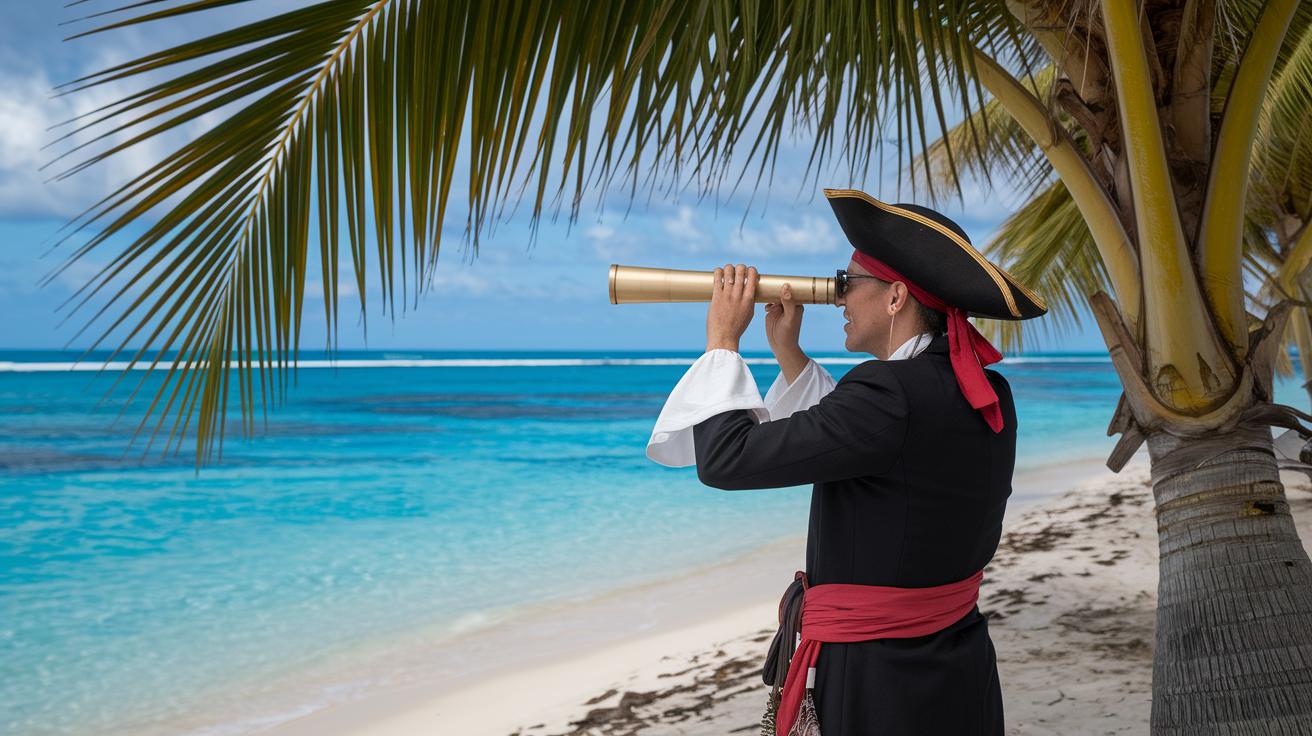
This story draws on the rich past of Caribbean sea life, where daring pirates like Blackbeard and Anne Bonny roamed the waters. Picture a pirate spotting a lone merchant ship hidden behind a curtain of swaying palms, sparking whispers of hidden treasure and secret havens.
These crafty moves forced colonial powers to rethink how they organized their fleets and guarded their shores. The mix of secret hideouts and fast, clever tactics not only deepened the island's maritime legends but also helped shape stronger coastal defenses.
Traditional Shipbuilding Art and Vessel Evolution in Caribbean Maritime Culture
The Caribbean boat-making legacy began with indigenous methods. Early canoes were hand-carved out of single tree trunks using simple, natural tools. Skilled craftsmen perfected these techniques over many years, much like a local chef who uses fresh, homegrown ingredients to whip up a delicious meal.
When European explorers arrived, they brought fresh ideas to the art of shipbuilding. Their caravels featured smart framing and careful rigging that allowed them to sail much farther than the old single-log canoes. It’s like comparing a hand-carved bowl to one made with polished, precise adjustments, each style has its own story of creativity and hard work.
Today, modern boats blend the best of both worlds. Catamarans, for instance, use a twin-hull design and modern materials such as composites to glide over water with ease. Local boat races now celebrate this mix of tradition and innovation, highlighting how old maritime charm meets forward-thinking design.
| Ship Type | Design Technique | Materials |
|---|---|---|
| Indigenous Canoe | Hand-carved from a single log | Local hardwoods |
| European Caravel | Careful framing and rigging | Mixed timber with metal fittings |
| Modern Catamaran | Twin-hull for smooth sailing | Composite materials and fiberglass |
Modern Tropical Sailing Traditions in Caribbean Maritime Culture
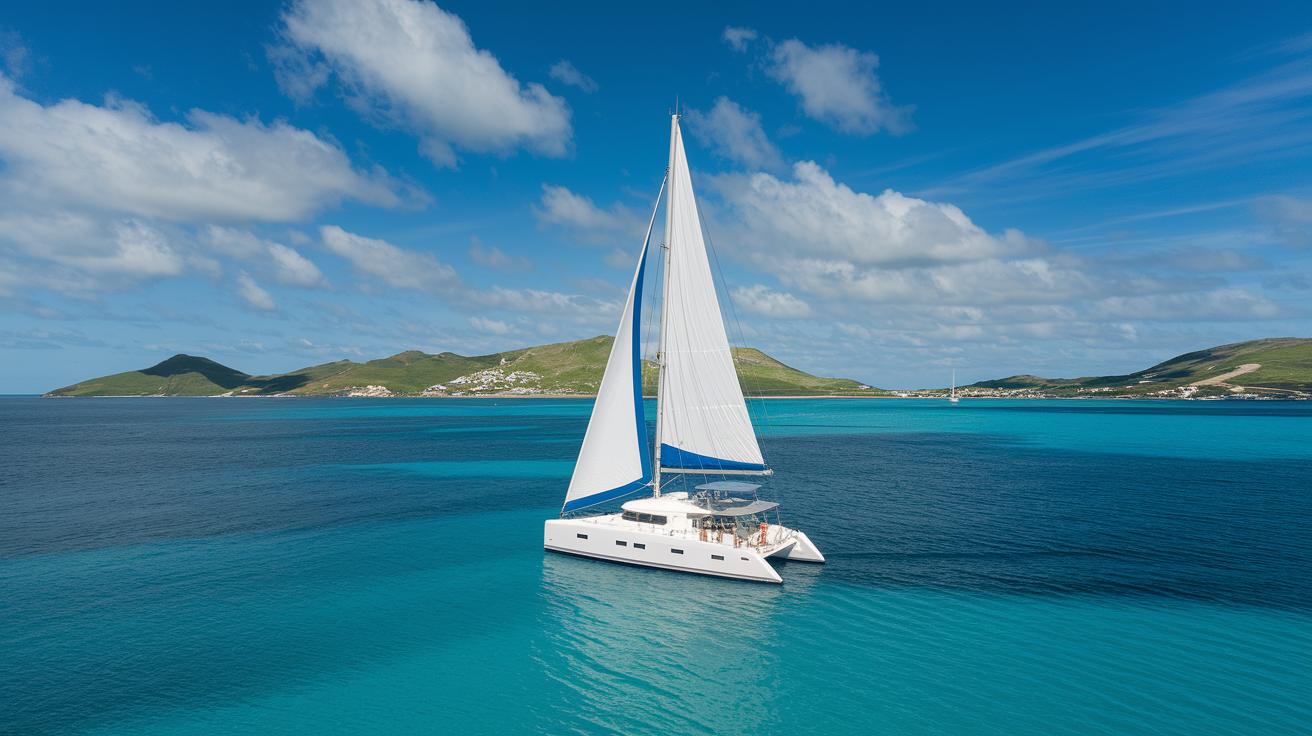
Today, sailing in the Caribbean feels like a warm, friendly hug from the sea. The steady trade winds and sunny days make it a perfect place to relax and enjoy life on the water. Imagine a sleek, modern catamaran cruising over clear blue waves, its sails dancing with each gentle gust.
Regattas like the Heineken Regatta in St. Maarten bring people together in a mix of fun competition and island celebration. In these charming port towns, maritime traditions blend beautifully with today's leisurely pace. Many locals and visitors alike hop on charter yachts and catamarans, savoring the chance to explore sparkling coastal waters while feeling a connection to deep, time-honored customs.
Step into any marina or seaside café along the islands, and you’ll catch the joyful sounds of laughter and lively chatter. These gatherings remind us that every splash of the ocean carries a story, a story of shared memories, community spirit, and a timeless love for the sea.
Oral Traditions and Folklore of Caribbean Maritime Culture
Imagine sitting around a warm fire on a cozy island night, listening to locals share stories that bring the Caribbean sea to life. These tales, full of rich details and heartfelt memories, are like windows into a past of daring pirate adventures and secret treasures hidden in quiet coves. Ever wonder how stories of pirates like Blackbeard and Anne Bonny feel like bedtime magic under twinkling stars?
The sounds of Creole dialects in Martinique, Haiti, and St. Lucia add an extra splash of flavor to these stories. It’s as if every word carries a pinch of salt and a burst of sea spray, reminding us that language and the ocean share the same rhythm. Sometimes, an old sailor might say, "Our words have the taste of salt and the crash of the waves," making the connection between life at sea and the stories that echo along the shore.
Then there are the vibrant regatta festivities, where ceremony meets friendly competition. Picture a bustling coastal scene: people clapping to the beat of heartfelt drums, singing, dancing, and sharing tales that honor the maritime legacy of their island home. Every cheer and every story at these events weaves together the community's shared past and the endless, rhythmic pulse of the ocean.
Preserving Caribbean Maritime Culture: Museums, Artifacts, and Heritage Tourism
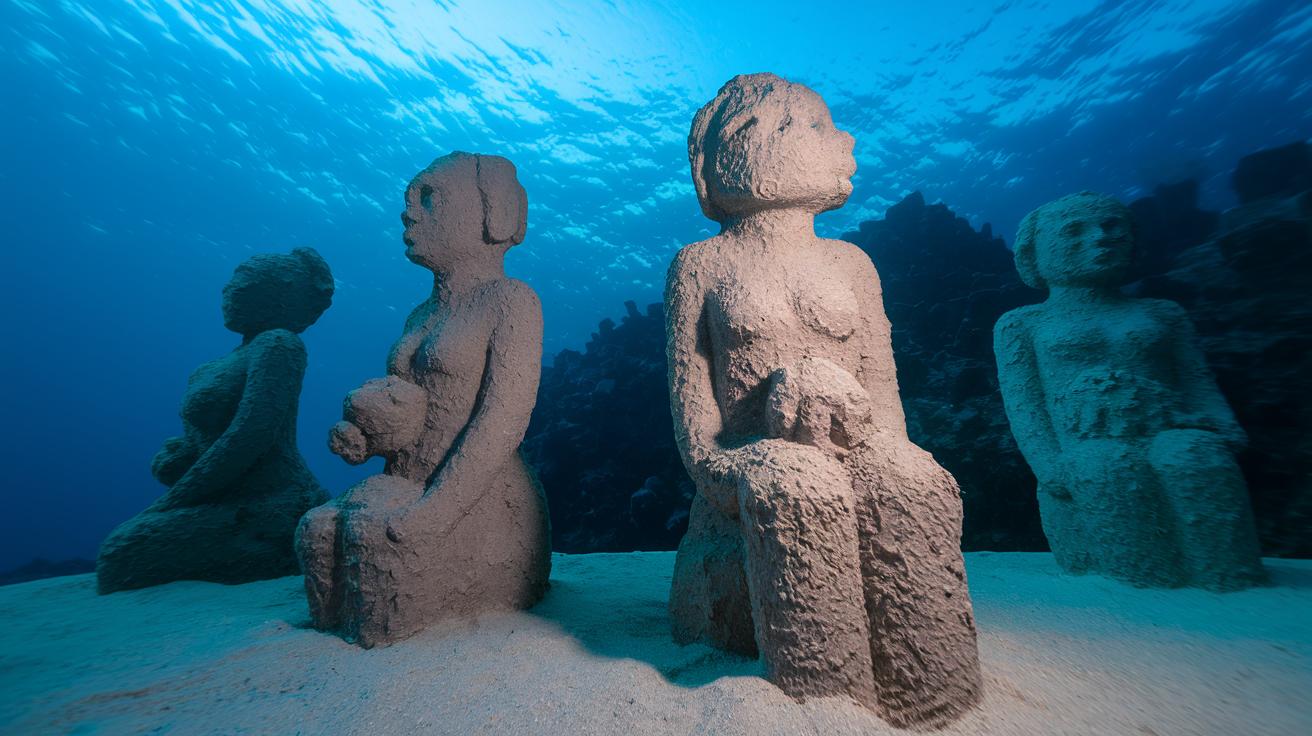
Caribbean maritime traditions come alive in special museums and heritage sites. In Grenada, the Underwater Sculpture Park mixes ocean care with cool sea art, giving you a glimpse of history beneath the waves. It’s like stepping into a natural underwater gallery where every sculpture tells a story.
Over in St. Kitts, the Immaculate Conception Co-Cathedral invites you to explore colonial maritime tales carved in stone and bright stained glass. Meanwhile, wandering through Old San Juan lets you see harbor buildings that whisper stories of bustling seafaring commerce, when mighty ships ruled the West Indies. And at Barbados’ Mount Gay Distillery, you can learn how the island’s famous rum was born from old seafaring journeys and trade, shaping local life.
This preserved heritage is more than just memories of the past. Guided tours and open-air exhibits let you feel the pulse of Caribbean history, where every artifact is like a little chapter in a much larger story. Heritage tourism here isn’t just about admiring old sites, it’s an immersive journey that makes you feel part of the maritime adventure. Have you ever wondered why the ocean feels so magical? Every visit reminds us how the spirit of the sea still weaves through Caribbean culture and everyday life.
Final Words
In the action, this guide unraveled the layers of Caribbean maritime culture and its historical legacy. We explored native boat craftsmanship, early trade routes, and the tales of pirate lore that still echo today. Each segment revealed a unique chapter, from indigenous canoes to modern sailing, painting a picture of a culture that thrives on both history and vibrant community. There's much excitement waiting on the horizon, inviting you to step into a world where every wave tells a story. Enjoy your adventure into Caribbean maritime culture and its historical legacy.
FAQ
What is the historical significance of the Caribbean Sea?
The historical significance of the Caribbean Sea lies in its role as a hub for indigenous navigation, European exploration, piracy legends, and key trade routes that shaped the region’s maritime legacy.
How is the Caribbean’s history reflected in its culture today?
The Caribbean’s history appears in its culture through long-standing maritime traditions, shipbuilding techniques, rich oral tales, and lively sailing festivals that keep old customs alive.
What are the historical seafaring cultures in the Caribbean?
The Caribbean’s seafaring cultures cover indigenous canoe crafting by the Taíno and Carib peoples, European vessels like caravels and galleons, and pirate lore that has influenced local maritime practices.
How did colonialism impact Caribbean culture?
Colonialism influenced Caribbean culture by establishing sea trade routes, introducing European ship designs, transforming local defense methods, and shaping the storytelling traditions passed down through generations.
What are some key aspects of West Indian and Black Caribbean culture?
West Indian and Black Caribbean culture feature rich traditions in music, art, and folklore, all of which are deeply connected to maritime life and the enduring legacy of seafaring communities in the region.
What Caribbean values are evident in its maritime history?
Caribbean maritime history reflects values such as community pride, reverence for the sea, and a commitment to preserving age-old shipbuilding skills and storytelling traditions among islanders.
Which was the first Caribbean country to gain independence?
Haiti is widely recognized as the first Caribbean country to gain independence, marking a crucial moment in the region’s history of self-determination and cultural resilience.
How has the US influenced Caribbean history?
The US has influenced Caribbean history through economic ties, military presence, and cultural exchanges that have interwoven with the region’s maritime practices and local heritage.
