Ever wondered how Caribbean art turned into such a lively mix of styles? Immigration brought together different traditions, blending them like a colorful paint palette. Native symbols met European techniques, then African rhythms added a fresh beat, and even Indian and Chinese influences brought their own spice. With every new group, the art grew richer and more vivid. In truth, the spirited scene we see today is a living story of cultures mixing and creating something truly special.
How Immigration Shaped Caribbean Cultural Arts
Immigration painted a colorful picture of art traditions all over the Caribbean. Way back, the native Taíno sparked creativity with bold symbols over 6,000 years ago, and you can still see echoes of their designs today. Then around 1492, European newcomers from Spain, France, and Britain arrived, blending their classic techniques with the island's own style.
After that, the African diaspora brought an exciting burst of creativity during the transatlantic slave trade. Imagine millions of Africans adding rich traditions like sculpture, mask making, and textile design that continue to inspire local art. Then, indentured laborers from India infused the islands with vibrant folk crafts, colorful costume designs, and dynamic performance art. And in the mid-1800s, Chinese immigrants added their own distinctive touches, rounding out the artistic mix.
Even now, new waves of people from the Middle East and Latin America bring fresh patterns and materials, keeping Caribbean art lively and ever-changing. It feels a bit like a never-ending conversation between old stories and new influences, with every group adding its special hue to the islands’ creative canvas.
| Migration Group | Period | Key Artistic Contribution |
|---|---|---|
| Indigenous Taíno | 6000 years – pre-1492 | Set the stage with symbolic art that still resonates today |
| European Colonizers | 1492 onward | Melded classical techniques with native elements |
| African Diaspora | 16th–19th centuries | Brought sculptures, masks, and textile traditions that inspire art |
| Indian Indentured Labor | 1838–1917 | Infused vibrant folk crafts, costume designs, and performance art |
| Chinese Immigrants | 1853–1879 | Introduced unique artistic touches to local traditions |
| Modern Migrations | 20th century to Present | Enriched art with global influences and fresh ideas |
Every group has added its own vibrant stroke to the Caribbean’s artistic canvas. From the ancient Taíno to today’s blend of modern influences, the islands tell a heartfelt story of resilience, creativity, and the ongoing interplay between diverse cultures.
Immigrant Influences in Caribbean Music and Dance Arts
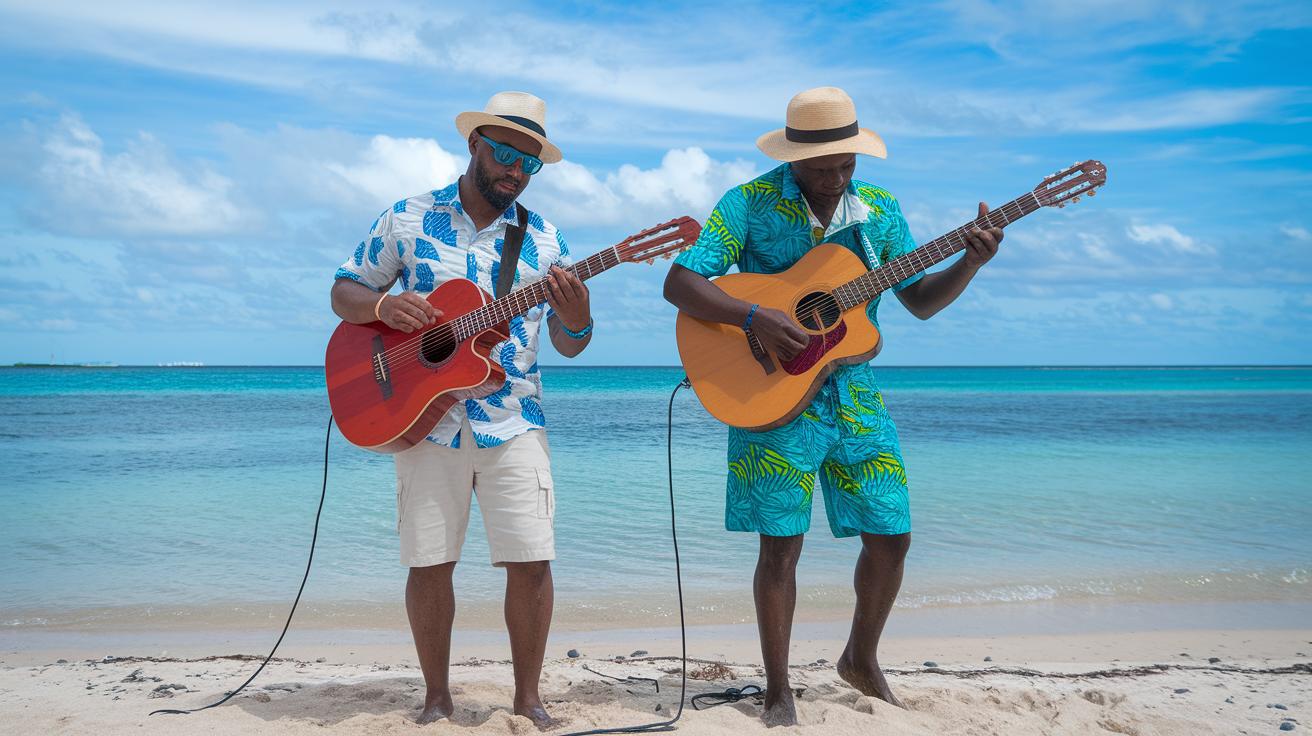
Caribbean music tells a lively story of many cultures coming together, thanks to a rich mix of immigrant influences. Styles like calypso, reggae, soca, and dancehall mix African beats with European tunes and native sounds. This blend creates a layered rhythm that you can almost feel in the warm island breeze.
Guitars and trumpets add a bright European flavor that pairs perfectly with the deep tones of African drums and the jingle of maracas. Each beat and melody serves as a diary, sharing memories of struggles with colonial injustice, racial challenges, and the search for a unique identity. The music does more than entertain, it brings the immigrant experience to life in every note.
Dance in the Caribbean reflects this beautiful mix of traditions too. In the lively beats of soca and dancehall, you see a fun blend of classic African moves and hints of Afro-Indian style. Every gesture and step tells a story of leaving home and finding a place to belong.
The movements and the lyrics often join together to shine a light on themes of strength and cultural pride. Every performance is a living piece of history, reminding us how fresh dance ideas keep changing the art form. In doing so, they celebrate the united and ever-growing spirit of the island communities.
Fusion and Evolution in Caribbean Visual Arts
Caribbean art has changed a lot over the years, thanks to many immigrant cultures that have brought their own colors and stories. Picture a canvas filled with bright, lively colors that mix African beats, European details, and native island vibes. Each brush stroke feels like a story of strength and creativity, much like a friendly chat on a warm beach. Artists inspired by these diverse voices have started new conversations in art, turning old colonial ideas into fresh, meaningful images that speak to everyone.
Today, Caribbean art continues to surprise us by blending old traditions with new techniques. Walk through an island town and you might see street murals and mixed-media sculptures that echo the designs brought over by 19th-century Chinese and Middle Eastern migrants. These modern pieces mix history with bold, experimental touches, making every public art piece a vibrant meeting point for heritage and innovation. Each mural on a wall seems to say, "Together, our stories make us stronger," truly capturing the spirit of change and unity in the Caribbean.
Folklore and Narrative Transformation in Caribbean Cultural Arts
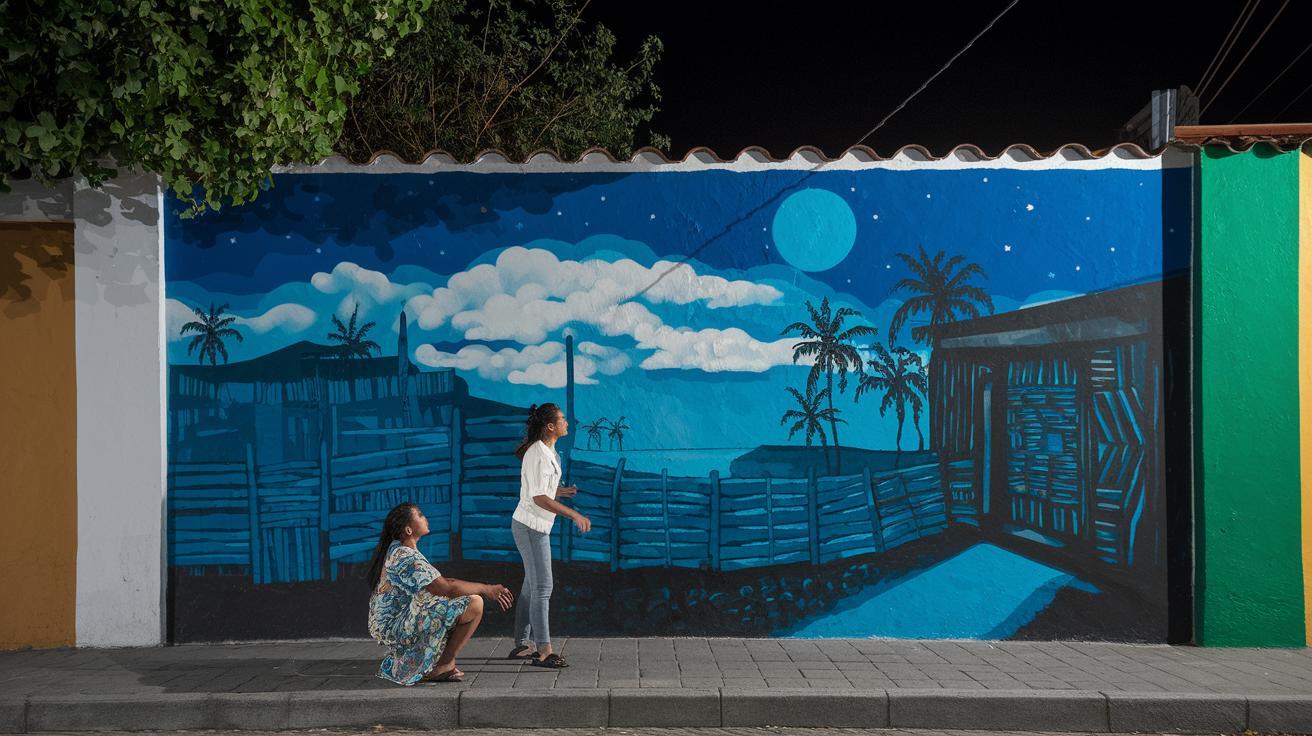
Long ago, African and Indian communities reworked classic Taíno and European tales into something fresh and full of heart. Imagine sitting on a warm Caribbean night, listening to a local storyteller weave in ancestral spirits and clever tricksters. Their stories, mixing feelings of sorrow and hope, reached deep into the heart of every island community.
Today, these age-old traditions mix with modern art. Think of a vibrant mural on a community wall that reimagines ancient legends with bold colors and lively twists. Every brushstroke and verse shows how old stories and new ideas blend together to speak of belonging and resilience.
Nowadays, poets and artists continue to give life to Caribbean storytelling. Under starry skies, an artist might recite a poem filled with memories of home and the bittersweet taste of migration. Their words celebrate a culture that is rooted in history yet always ready for a fresh start.
Contemporary Cross-Cultural Art Collaborations and Festivals
Caribbean art today sparkles with fresh creativity thanks to artists teaming up from different parts of the world. Local talents mix their roots with influences from the UK, Canada, and the US. They blend European masquerade, the rhythm of African dance, and the soulful beats of Indian devotional music into lively, shared experiences. Imagine a canvas alive with color and movement, each mural or exhibition a reminder of the rich traditions carried by migrating cultures.
Across the islands, festivals bring these creative energies to life. Streets and public spaces turn into outdoor galleries where interactive art and bright murals tell the stories of diasporic communities. The rhythm of music and the burst of colors at these events capture the essence of blending old traditions with new ideas. Every performance echoes with resilience and a deep sense of shared identity, inviting everyone to become part of an ongoing conversation in art and culture.
| Carnival UK | Caribana Toronto |
|---|---|
| St. Lucia Jazz Festival | Miami Carnival |
Preserving and Redefining Caribbean Cultural Arts Amid Ongoing Immigration
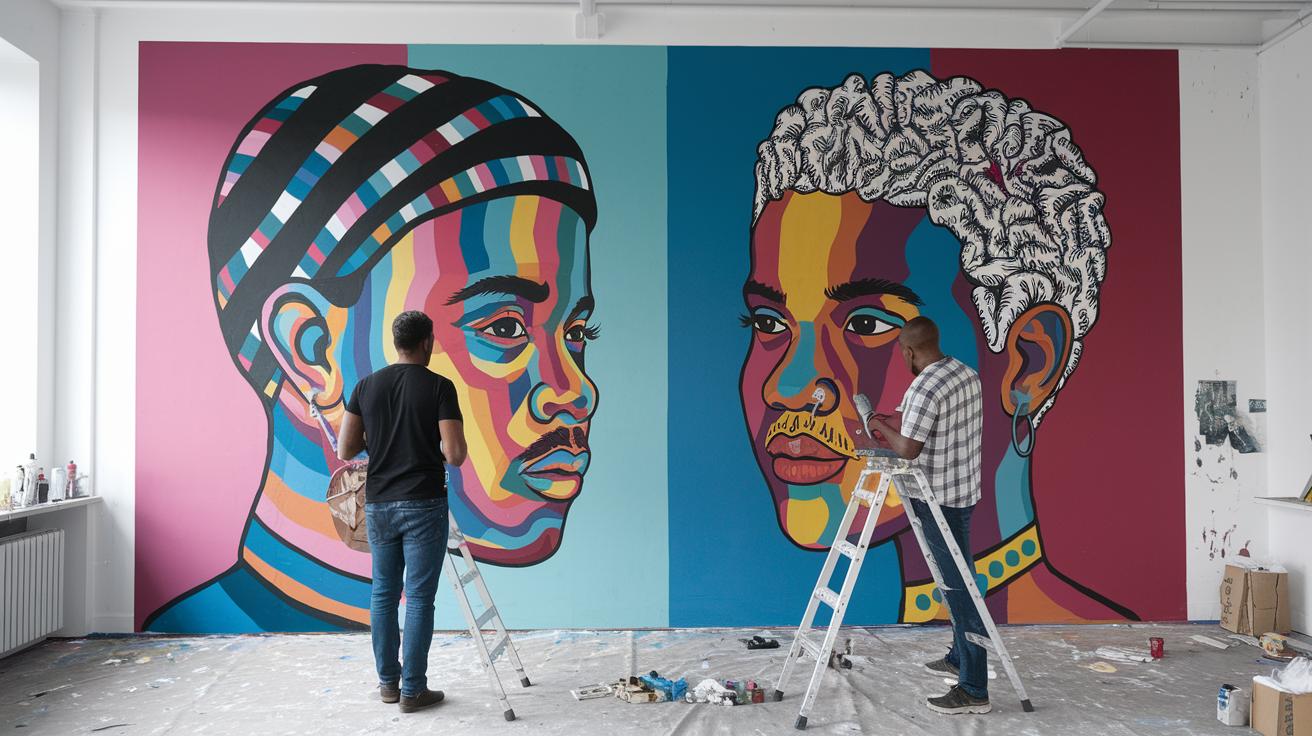
Caribbean cultural arts are always growing and shifting, thanks to local writers and community groups who work hard to record immigrant stories while keeping age-old traditions alive. Local projects, online archives, and hands-on classes help protect creative works even as new ideas arrive. Social media and community art workshops let people share their cherished family techniques and memories, bringing a refreshing feel like a cool ocean breeze on a sunny day. These open spaces allow artists to mix traditional styles with modern twists, making Caribbean identity lively and ready to grow.
Immigrants from Haiti, Venezuela, and Cuba are adding a fresh beat to island life. Their colorful new viewpoints are not only introducing exciting themes to local art but also boosting old styles with daring, modern touches. Local cultural groups are hosting events and online shows where artists share personal stories and reinvent classic designs into symbols of change. Plus, community workshops and classes help young artists explore their heritage while learning fresh techniques from others. All in all, these ongoing efforts prove that Caribbean cultural arts can adapt and thrive, offering locals and visitors an experience that honors both old traditions and new influences.
Final Words
In the action, immigration waves have sparked lively changes in every art form, from music and dance to painting and storytelling.
We've seen native, African, European, and Asian influences mingle, giving way to fresh narratives and colorful expressions.
This creative transformation shows how the impact of immigration on Caribbean cultural arts continues to grow, blending old traditions with new ideas.
It leaves us feeling upbeat about what tomorrow brings, as the islands carry on sharing their heartwarming, evolving art with the world.
FAQ
Q: What is the positive impact of immigration on Caribbean cultural arts?
A: The positive impact of immigration on Caribbean cultural arts is seen in the blending of indigenous, European, African, and Asian influences, which creates a unique art scene filled with diverse techniques and vibrant storytelling.
Q: What defines traditional Caribbean art?
A: Traditional Caribbean art is defined by a mix of indigenous and colonial influences, incorporating African styles and local folklore to create distinct visual and performance expressions that reflect the region’s history.
Q: How has Caribbean art history been shaped by migration?
A: Caribbean art history has been molded by migration, starting with indigenous roots and evolving through European colonization, the transatlantic slave era, and later Asian and modern influences, all contributing new forms and methods.
Q: How did migration influence art in the Caribbean?
A: Migration influenced art in the Caribbean by introducing new techniques, materials, and cultural perspectives that blended with traditional practices, resulting in innovative visual, musical, and performance styles.
Q: How does immigration affect Caribbean culture through art?
A: Immigration affects Caribbean culture by infusing it with diverse artistic expressions, where new traditions mix with long-standing customs, leading to an ever-changing display of music, dance, visual art, and storytelling.
Q: What are the cultural aspects of art in the Caribbean?
A: The cultural aspects of Caribbean art include a fusion of indigenous motifs, colonial techniques, and immigrant influences, evident in various forms such as music, dance, painting, sculpture, and folklore that celebrate local identity.
Q: What impact did the Windrush generation have on art?
A: The Windrush generation impacted art by bringing fresh perspectives and cultural influences from Africa and Britain, enriching Caribbean artistic expressions with new sounds, visual themes, and narrative styles.
