Have you ever thought about how Caribbean words sound like a warm, sunny tune? The islands mix languages like Spanish, English, French, and Dutch, with each one sharing its own tale. In this guide, you'll see how history and local flavors blend into a unique language beat that tells the story of island life. Stick with us as we explore the fun language twists that make the Caribbean so colorful, and see how every word holds a bit of its own vibrant past.
Guide to Caribbean Regional Languages
When explorers first set foot on these sunny islands, they brought four languages along for the ride. Spanish, English, French, and Dutch all arrived during those early days, each leaving a warm, lasting mark. Spanish sailed in with the first settlers around Columbus's time, while English found its way through British influence. And guess what? French and Dutch also made their impact through trade and local government. This rich mix created the vibrant language scene you can still hear throughout the Caribbean.
Next, there are the flavorful creole languages like Haitian Creole and Papiamentu. Haitian Creole blends a French-based vocabulary with West African grammar, serving as a living reminder of Haiti’s deep history. Over on Aruba, Bonaire, and Curaçao, Papiamentu mixes elements from Portuguese, Spanish, and Dutch, giving it its own catchy rhythm. These languages show how local communities have mixed foreign influences with their own unique expressions.
Every island adds its own special twist with local dialects and patois that lend even more color to the Caribbean sound. These varied expressions offer travelers a window into the island's history and everyday life. If you’re curious to discover more, check out the "List of Caribbean Islands" and see firsthand how regional language shapes each island’s vibe.
Historical Evolution of Caribbean Language Systems
When Columbus landed in 1492, the Caribbean started to change in exciting ways. Trade posts popped up and Spanish legal codes began influencing everyday talk. You might have heard islanders greeting each other with phrases like "¿Qué bola?", a fun twist on more common expressions. Later on, as the British took charge, coastal towns in places like Barbados and Jamaica picked up fresh accents and unique sayings, thanks in part to indentured workers blending in words from their native languages.
Old documents tell us that French merchant slang and Dutch trade phrases quietly mixed with native call-and-response styles and the vibrant rhythms of African speech. This melting pot of voices created the early creole languages we hear today, with each local saying carrying a bit of the islands’ rich history.
| Colonial Influence |
|---|
| Spanish colonization |
| British rule |
| French impact on everyday speech |
| Dutch commercial language |
This blend of colonial tongues with indigenous and African sounds didn’t just change speech back then, it still shows up in everyday chatter. It gives us a beautiful snapshot of the past, a reminder of how language can tell the story of a place and its people.
Caribbean Creole and Patois Variations
The Caribbean is a lively mix of languages that lets you feel the island spirit. In this section, we'll chat about creole languages and patois, a blend of European words, African grammar, and local island sounds. Their unique charm adds a fun twist to everyday conversations, inviting you to experience genuine cultural flair.
Haitian Creole
Haitian Creole came about from French words mixed with West African grammar. It's one of Haiti's official languages and bursts with expressive tones and colorful phrases. This language tells the island’s story, showing off its history and creative spirit.
Papiamentu
Found in Aruba, Bonaire, and Curaçao, Papiamentu combines Portuguese, Spanish, and Dutch in a vibrant way. Its playful words and smooth rhythm capture the carefree essence of island life, making every chat feel like a sun-soaked festival.
Jamaican Patois
Jamaican Patois is a charming way of speaking that mixes English with hints of Akan and Igbo influences. It features a distinct sound and everyday phrases that mirror the island’s relaxed and joyful vibe, adding a special local flavor to any conversation.
Other Island Patois
In places like Trinidad, Dominica, and Tobago, you'll find similar variations that tell each island’s unique story. These dialects come with inventive slang and warm expressions, making each locale distinctly inviting.
Creole languages and patois are more than just ways to speak, they're living art. They share generations of cultural exchange and creativity, drawing people together and inviting travelers to appreciate the deep stories behind every word.
These languages open a window into the heart of each island community. They aren’t merely about communication but are a celebration of history, challenges, and resilience that add flavor and warmth to every conversation. Embrace these expressions and let their stories guide your next adventure.
European Language Legacies: Spanish, English, French, Dutch
Isn’t it amazing how each Caribbean language tells its own story? Locals now weave unique touches into Spanish, English, French, and Dutch, making every conversation feel like a secret shared among friends. In some coastal towns, you might hear English spoken with a rhythmic charm that’s been handed down through the years, while on islands like Martinique, French words gently transform with indigenous sounds. These subtle changes add a fresh splash of culture to every visit.
| Language | Key Characteristics | Primary Territories |
|---|---|---|
| Spanish | A long colonial history mixed with evolving local slang | Cuba, Puerto Rico, DR |
| English | Widespread with a variety of local accents | Jamaica, Bahamas, BVI |
| French | Adapted in overseas departments with local phonetic shifts | Guadeloupe, Martinique |
| Dutch | Official on the ABC Islands, enriched by local expressions | Aruba, Curaçao, Sint Maarten |
Each language adds its own flavor to the islands, drawing travelers closer to local conversations and cultural shifts. It’s like getting a personal snapshot of island life, as real and refreshing as a sea breeze on your face.
Essential Caribbean Phrases and Pronunciation Tips
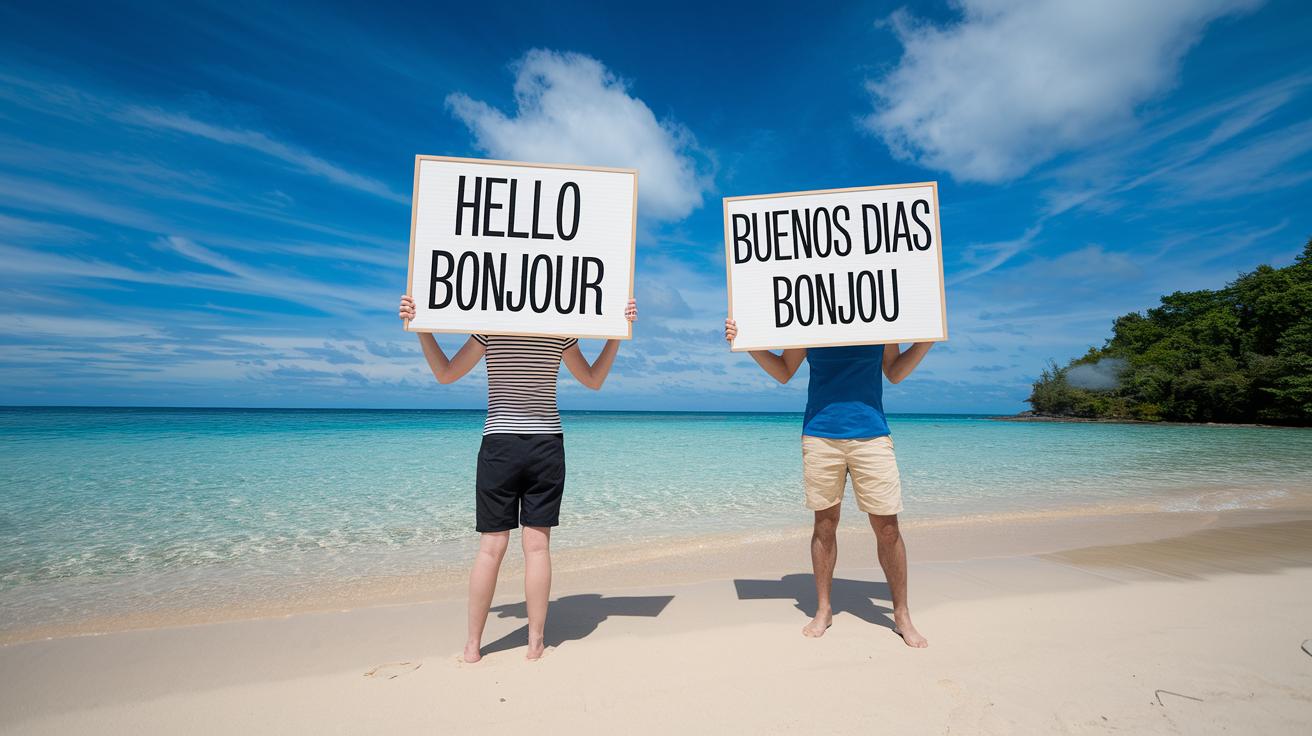
Local phrases are the heart of island chatter. They help you mix in with locals and soak up the island vibe. Learning just a few greetings is like unlocking a secret door to friendly talk along the beach.
Here are some key phrases:
- English: Hello – pronounced as "heh-loh"
- French: Bonjour – pronounced as "bohn-zhoor"
- Spanish: Buenos días – pronounced as "bweh-nohs dee-ahs"
- Creole: Bonjou – pronounced as "bohn-zhoo"
There are also fun local sayings:
- Understand: a respectful nod in daily conversation.
- Pruppa jeezas: a playful burst of surprise.
- Earthstrong: a unique way to say "birthday" that ties celebrations to nature.
- All cassava get same skin but all nah taste same way: a saying that reminds us even if things look alike, each one has its own flavor.
Pronunciation plays its own tune here. In Caribbean Spanish, speakers often drop the “d” between vowels, so words flow as smoothly as a gentle sea breeze. In patois, the “th” sound softens, giving each phrase a mellow beat. And in Creole, greetings carry a hint of nasal tone that makes them sound sing-song and warm.
Pay close attention and practice these little twists, kind of like carefully stirring a bowl of fresh island soup. Soon enough, chatting with locals will feel as easy as a sunny day at the beach.
Cultural Context and Nuances in Caribbean Language Use
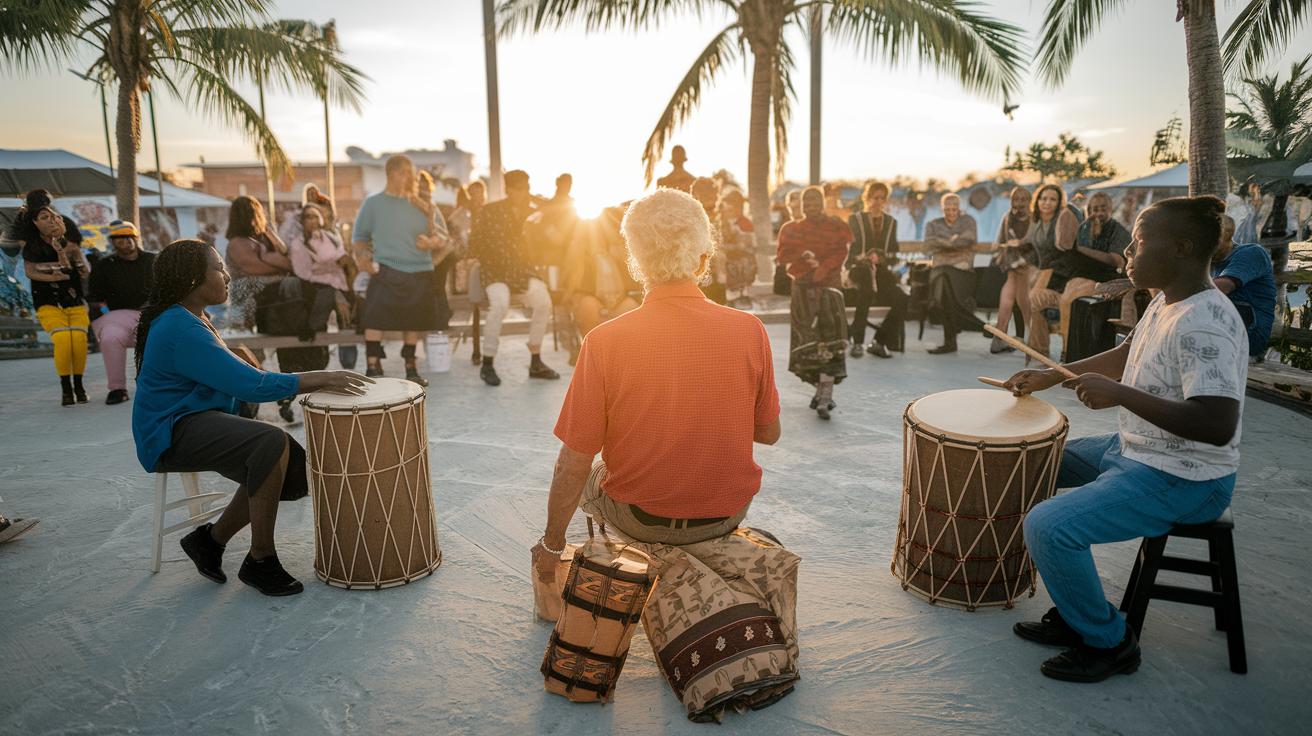
Caribbean expressions are like little treasures that carry deep history and everyday charm. They come from community rituals, lively storytelling sessions, and big celebrations that mark special moments. Every phrase has layers of meaning that go beyond the simple words, showing the local way of life and the natural rhythms of the islands.
- Earthstrong – This isn’t just a word for birthdays. It links personal milestones to nature’s flow and community celebrations.
- All cassava get same skin but all nah taste same way – A fun reminder that even if things look alike, each person or situation has its own special spark.
- Pruppa jeezas – A spontaneous shout used during shared stories that brings everyday moments to life.
- Lime – This describes those sudden, fun gatherings where locals share stories and keep traditions alive.
Next, try joining in on a chat with island residents, dive into a local storytelling session, or even explore audio tales on the Definition of Caribbean Culture at "https://caribiana.com?p=405". It’s a great way to feel the rich heritage behind each phrase.
Final Words
in the action, this blog post shares a fun and informative look at the Caribbean language guide. It explored how colonial tongues mix with local creole expressions, from Spanish and English to unique dialects like Haitian Creole and Papiamentu.
We broke down how history shapes today’s Caribbean speech while offering handy tips on pronunciation and cultural expressions.
Keep this friendly guide in mind as you plan your next escape, and enjoy the vibrant spirit of Caribbean language every step of the way.
FAQ
What are the primary languages spoken in the Caribbean?
The primary languages in the Caribbean are Spanish, English, French, and Dutch, with Haitian Creole and Papiamentu adding local flavor. These languages, along with many creole dialects, reflect the region’s rich heritage.
What does a Caribbean language guide usually include?
A Caribbean language guide covers the main colonial tongues and creole dialects. It typically lists Spanish, English, French, Dutch, Haitian Creole, Papiamentu, and various island patois emerging from historical mixings.
How is Caribbean Creole language distinct from other languages?
Caribbean Creole language is distinct as it combines European vocabulary with African and native influences. This blend creates unique, locally flavored expressions seen in forms like Jamaican Patois and Haitian Creole.
How can a Caribbean language translator help during travel?
A Caribbean language translator assists by converting local dialects and phrases into familiar languages, making it easier to communicate with locals and enjoy genuine interactions during your island visit.
What are some examples of Caribbean English in use?
Caribbean English examples include casual greetings and local expressions that reflect the island vibe. These phrases capture the relaxed nature and distinctive sound of everyday conversations in island communities.
What does a Caribbean languages list typically feature?
A Caribbean languages list typically features the region’s official colonial languages, creoles, and patois. It covers territories like Barbados, Aruba, Jamaica, Saint Lucia, and the Bahamas, showcasing diverse linguistic traditions.
What characterizes Caribbean Patois as a language variant?
Caribbean Patois is characterized by English-based vocabulary mixed with African linguistic influences. This variant has unique pronunciation and grammar, offering a glimpse into the local cultural heritage and daily speech.
What do references to 23 languages or 13 Caribbean indicate?
References to 23 languages or 13 Caribbean usually indicate compiled lists highlighting the broad variety of languages or notable islands within the region. They underscore the diverse cultural and linguistic landscape present in the Caribbean.
