Have you ever wondered how the Caribbean got its one-of-a-kind feel? It's not just a tale of old ships or mighty conquerors.
When different cultures came together over time, they created something truly special. Imagine the sound of waves and the colorful celebrations echoing on islands like Cuba and Jamaica.
Back in the 1400s, when European settlers arrived, local customs began to blend with new ideas. Soon, these islands started to transform in surprising ways, mixing traditions that give the Caribbean its lively spirit today.
In truth, the story of the Caribbean is a warm blend of past and present. Its rich history is like a mosaic of cultural roots that continue to shine in every sunny day and starry night.
Caribbean Colonial History Explained: Timeline of European Rule and Cultural Transformations
The Caribbean Basin naturally splits into two groups. One part is called the Greater Antilles, which includes the larger islands like Cuba, Jamaica, Hispaniola, and Puerto Rico. The other group is the Lesser Antilles, a collection of smaller islands. For more details, check out the "List of Caribbean Islands" here: https://caribiana.com?p=438. Early encounters with Europeans set off a long period of change in the region.
It all began in 1492 with Columbus’s first voyage. Soon after, by 1493, Spain laid claim to Puerto Rico, and by 1496, Santo Domingo was established. These early Spanish moves started to change the lives of the native people and paved the way for European colonization. In the years that followed, Spanish influence spread rapidly, creating the foundation for more complex economic systems that would shape the islands.
The 1600s brought new countries into the mix, British, French, and Dutch settlers arrived and set up trading posts and settlements. These spots quickly grew into busy centers for agriculture. By the 1620s, large plantations relying on enslaved labor sprang up all over, and by the 1700s, the dark era of transatlantic human trafficking saw millions of Africans forced into labor. This grim history left a deep mark on Caribbean society that is still felt today.
Over time, the unique blend of European ways and local practices created distinct communities all over the Caribbean. This mix shows up in the region’s legal systems, buildings, and cultural traditions. Even now, you can see hints of this history in the vibrant local life.
Eventually, the harsh system of slavery came to an end at different times under various European powers. The British ended it in 1834, the French in 1848, and Spanish territories began reforms in 1873. Each of these moments brought major shifts in how people worked and lived, helping to shape the modern Caribbean identity. This timeline of European rule is key to understanding the rich, layered legacy of Caribbean history.
Spanish Empire Expansion in Caribbean Colonial History: Conquest, Encomienda, and Sugar Beginnings
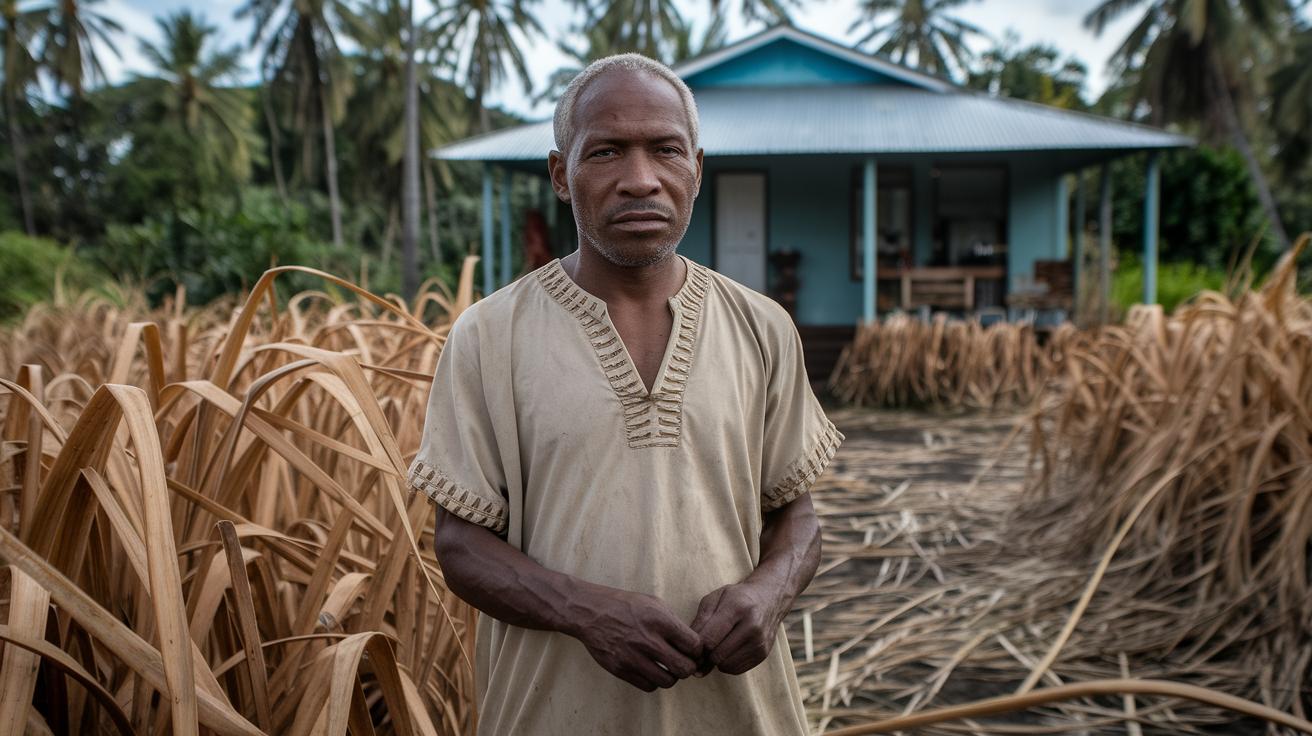
In 1493, Columbus’s second trip lit the spark for Spain’s grand plan in the Caribbean. That same year, Spanish explorers landed in Puerto Rico and quickly set up the encomienda system, a forced labor setup (basically making the Taino work for their colonizers). This rough system changed native cultures forever, pushing indigenous communities into harsh work that sadly caused huge losses. Imagine this: long before modern farming took off, Spanish settlers already relied on forced labor to grow sugarcane, paving the way for a booming sugar industry.
By the early 1500s, sugarcane farming had taken over, and the region’s economy leaned hard on African slave labor. The lush Caribbean landscape was transformed almost overnight, as vast sugar plantations swallowed up small indigenous farms. Spanish conquest stories tell us that these big changes not only disrupted traditional ways of life but also rewired social and economic structures all over the islands. Sunlit fields mixed with the tough reality of backbreaking work, marking a time of deep contrast under Spanish rule. Even as the echoes of this era lingered, the chapter eventually closed when Puerto Rico and Cuba were handed over to the United States in 1898.
British Island Influence in Caribbean Colonial History: Plantation Economy and Governance Models
British rule kicked off on St. Kitts back in 1623 and soon spread when Jamaica fell under control in 1655. It was around this time that sugar, cocoa, and coffee plantations began to thrive, turning the islands into booming trade spots. Planters leaned hard on African slave labor to get these huge estates running, creating a system that was both brutal and transformative for the local economies.
Over time, colonial leaders set up local assemblies and courts to handle trade, property rules, and everyday community matters. Banking grew too, thanks to the money flowing in from the plantations. These new legal and financial structures laid down the groundwork for the governance models we still see in many Caribbean nations today.
Then came the wave of independence. Jamaica embraced freedom in 1962, with Barbados and Trinidad and Tobago following suit around the same period. What emerged was a unique mix of traditional British administration and local customs that left a lasting mark on the region.
The influence of British colonial rule isn't just something you learn about in history books, it shows up in daily governance and the strong institutions that echo centuries-old traditions. These deep roots continue to shape Caribbean cultural identity, making the islands a fascinating blend of past and present.
French Dominion Pursuits in Caribbean Colonial History: From Martinique to Saint-Domingue
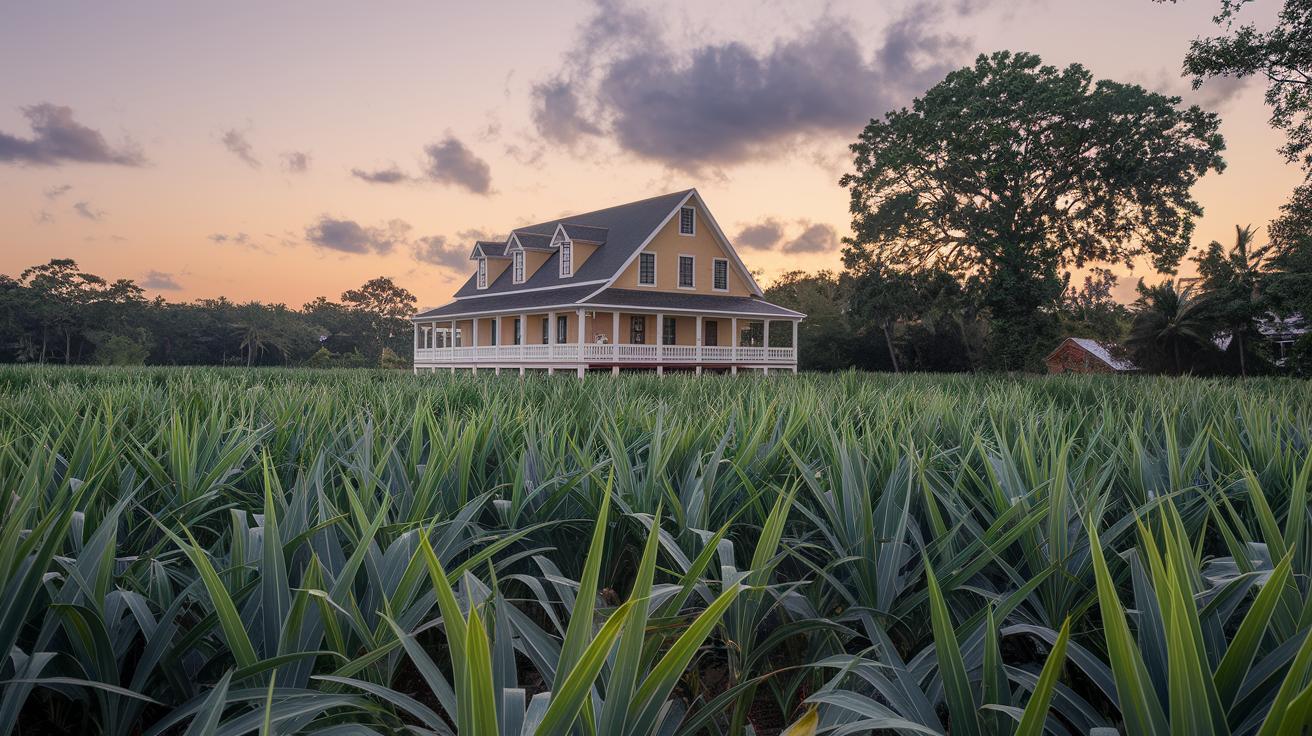
French colonists first touched down in the Caribbean in 1635 when they settled on Guadeloupe and Martinique. They were full of dreams about new opportunities, and soon their influence, especially with French laws and church practices, started to shape life in these islands.
In 1685, France rolled out the Code Noir, a strict rulebook for how enslaved Africans were to be treated. This law meant that people were forced to live under tight controls and even adopt Christianity, completely changing their everyday routines.
By the mid-1700s, Saint-Domingue had become the crown jewel of the region. Sugar and coffee grew in giant plantations paid for by slave labor, turning the island into a bustling economic hub. The profits from these crops made the French colonial system even more powerful, mixing money and strict rules together.
But over time, years of hardship built up, and by 1791, the storm of change was unavoidable. The Haitian Revolution, which lasted until 1804, swept away French rule and gave birth to the very first Black republic, marking a powerful end to centuries of colonial control.
Dutch Trade Ventures in Caribbean Colonial History: Commerce, Settlements, and Naval Power
The Dutch really left a lasting impression on the Caribbean with their daring trading adventures. Back in 1634, they set up a small post on Curaçao, and before long, charming settlements popped up on Aruba and Bonaire. And you know what? St. Eustatius, lovingly nicknamed the "Golden Rock," quickly turned into a bustling, lively port where traders gathered like old friends at a local fiesta.
Sugar was a big deal for the Dutch. They not only grew sugar on these sun-soaked islands but also helped move goods, including people, to other colonies. This, in turn, boosted local economies in a big way, knitting together a network of lively trade that spread across the region. Ever wonder why the sea feels so mysterious here? Well, Dutch traders often found themselves in heated skirmishes with Spanish and British forces, all fighting over key Caribbean ports. These clashes highlighted just how crucial control over sea routes was and how much the Dutch banked on these ports to boost their power.
Even today, their clever ideas in maritime trade still spark the curiosity of history fans. If you want to explore which territories were once under Dutch sway, check out this link: Dutch Caribbean Islands. The spirit of those early adventures still lingers in the colorful culture and economy of the islands.
Plantation Economy Evolution and Transatlantic Human Trafficking in Caribbean Colonial History
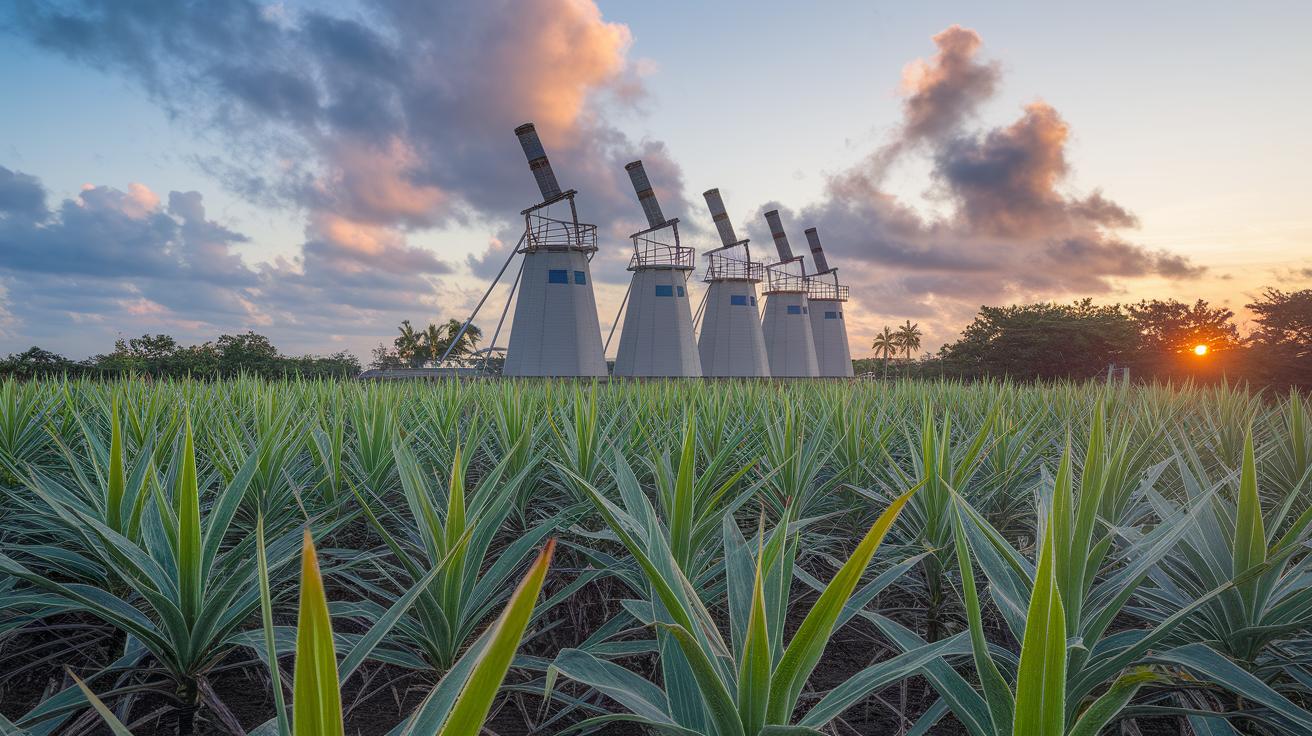
Back in the day, the Caribbean saw some major changes that reshaped its economy. New mechanized sugar mills sped up how fast sugar was processed and boosted production. By 1750, these colonies were churning out almost two-thirds of the world's sugar, a clear sign of how colonial practices were evolving.
Here are some key points:
- Over 6 million Africans were forced into the slave trade, a truly staggering number that underscores the harsh human cost.
- Small tobacco fields grew into vast, mill-driven sugar estates, marking a bold shift in the region's way of making a living.
Imagine rows of thundering sugar mills working under the warm Caribbean sun. It's a vivid picture of dramatic change and a stark reminder of a difficult past.
Resistance and Rebellions in Caribbean Colonial History: Maroon Societies and Slave Insurrections
Across the islands, brave souls organized small rebellions and guerrilla skirmishes that slowly shifted the tide of history. In Jamaica, the clever Maroons, descendants of escaped slaves who knew the forests like the back of their hand, fought against colonial forces for many years. Their unique tactics eventually led to a 1739 treaty that gave them freedom and land rights, a reminder that even the strongest systems can be challenged.
Then there was Tacky’s War in 1760, a stirring revolt where enslaved people, pushed to their limits by harsh treatment, rose up in defiance. Their fight in Jamaica sparkled with raw determination and echoed in places like Barbados and Grenada, where oppressed communities joined forces. These uprisings sent shockwaves through colonial administrations and left a lasting mark on history.
The Haitian Revolution, which lasted from 1791 to 1804, ranks as one of the most powerful slave uprisings ever. This fierce battle toppled French control and ignited further anti-slavery actions across the Caribbean. In the early 1800s, revolts in Cuba and Puerto Rico hinted at an end to oppressive systems, as local people demanded a life of dignity and opportunity. Through these stories, we see how the spirit of resistance kept alive hope and the fight for rightful freedom.
Creolization Processes and Cultural Hybridization in Caribbean Colonial History
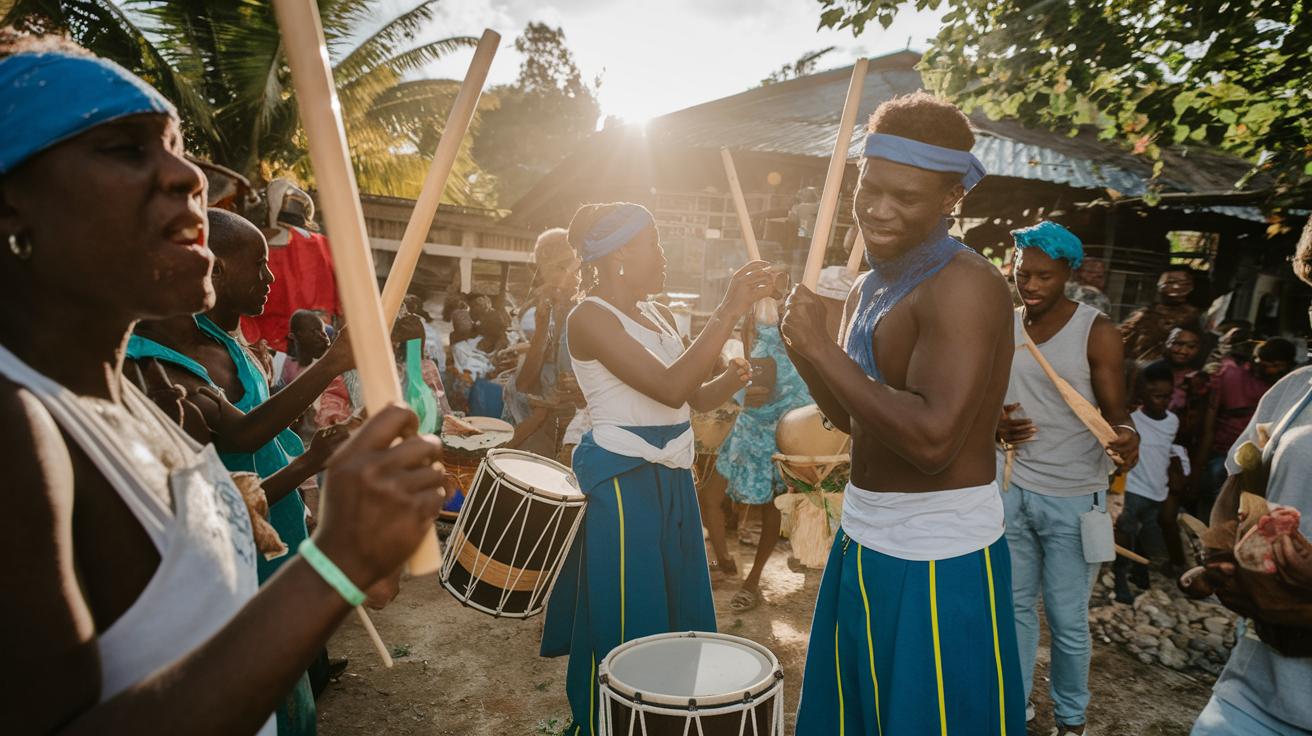
Down in the Caribbean, centuries of different cultures meeting have built a unique mix that shapes life on the islands today. European settlers, African migrants, and native peoples all shared their languages, beliefs, and customs until they blended into new Creole languages that hint at Spanish, French, and English with a splash of African flavor. This rich mix also led to the birth of spiritual paths like Santería and Vodou, where Catholic images quietly mix with African traditions. Imagine a small community celebration where the beat of vibrant drums and soft-spoken prayers join together like an island lullaby.
The region's festivals burst with colorful parades and folk dances full of history and heart. Tunes like reggae and calypso grew from these cross-cultural exchanges, with every beat sharing stories of hardship, strength, and pure joy. Down in the kitchens too, Creole dishes have evolved by mixing native ingredients with European methods, crafting stews that are spicy and warm, almost like tasting a little piece of island sunshine.
Each day on the Caribbean islands feels touched by these creolization processes. From the everyday words people speak to the way they celebrate, the deep and mixed heritage of the region is always right there, inviting everyone to enjoy its lively spirit.
Post-Dominion Transformations in Caribbean Colonial History: Abolition, Decolonization, and Modern Legacies
After colonial rule faded, the Caribbean began a fresh chapter. Emancipation happened gradually, Britain freed enslaved people in 1834, France in 1848, and Spain in 1873, each step reshaping local life in its own way. Haiti declared its freedom back in 1804, while the Dominican Republic, Jamaica, and the Bahamas enjoyed their own moments of independence later on. And then there’s Puerto Rico, which became a U.S. commonwealth in 1952, a status that still sparks lively debates today.
The economic scene on the islands also got a major makeover. By the mid-1900s, tourism and offshore banking burst onto the scene, steering Caribbean economies into a bright, new future. Imagine arriving at a sunlit resort town where the modern buzz blends with the island’s timeless traditions. Fun fact: before these changes, many islands relied almost entirely on old plantation systems, a reminder of a past many would rather forget.
Yet, it wasn’t just about new jobs and revenue. Deep-rooted race and class dynamics from colonial days still color everyday life. Local nationalist movements played a big part in carving out fresh political identities, sparking both pride in rich cultural roots and the challenge of overcoming old inequalities. In truth, these sweeping changes have helped create today’s vibrant, yet complex, Caribbean where history’s echo mixes with modern aspirations.
Final Words
In the action, our article traced caribbean colonial history from early European landings to the rise and fall of plantation systems. It highlighted Spanish, British, French, and Dutch influences that reshaped local cultures and sparked deep changes across the islands. We explored how past trials and cultural blends set the stage for today’s rich heritage. The tale of caribbean colonial history leaves us hopeful as we look ahead to learning more about the enduring spirit of these sunlit shores.
FAQ
What is the Caribbean colonial history timeline?
The Caribbean colonial history timeline outlines European rule beginning with Columbus’s arrival in 1492, followed by the establishment of plantation economies, slavery, and gradual moves toward abolition and independence across various powers.
What does Caribbean colonial history on Wikipedia cover?
Caribbean colonial history on Wikipedia provides a detailed overview of European colonization, key historical milestones, cultural impacts, and the evolution of political and economic structures in the region.
What are some notable Caribbean colonial history facts?
Notable Caribbean colonial history facts include colonization by Spain, Britain, France, and the Netherlands; the rise of sugar plantations fueled by slave labor; and significant cultural blending that still influences modern Caribbean societies.
How is British Caribbean colonies history represented?
British Caribbean colonies history highlights Britain’s extensive settlement in the West Indies, establishing plantations, legal frameworks, and lasting influences in islands such as Jamaica, Barbados, and parts of the British West Indies.
Where can I find detailed History of the Caribbean PDF?
The History of the Caribbean PDF typically offers a concise, timeline-based analysis of European colonization, social transformations, and economic shifts, and is often available on educational or specialized history websites.
What are the effects of colonialism in the Caribbean?
The effects of colonialism in the Caribbean include deep cultural blending, economic restructuring, and lasting social hierarchies, which continue to shape the region’s identity, political organization, and community life.
What does a Colonial Caribbean map show?
A Colonial Caribbean map displays the territorial boundaries, trade routes, and areas of influence carved out by European powers, helping to visually explain how the region was divided and governed during colonial times.
Who was the Caribbean colonized by?
The Caribbean was primarily colonized by Spain, Britain, France, and the Netherlands, whose competing settlements, policies, and economic systems created the complex historical legacy visible in the region today.
When did colonialism end in the Caribbean?
Colonialism in the Caribbean ended in stages, with nations gaining independence from the 18th through the 20th centuries while some territories still maintain political ties with their former colonial powers.
Did Africans arrive in the Caribbean before British colonization?
Africans arrived in the Caribbean before British colonization as they were initially brought by early European settlers like the Spanish for labor, paving the way for the transatlantic slave trade that shaped the region’s labor systems.
Which Caribbean islands still remain under colonial rule or as territories?
Some Caribbean islands, such as Anguilla and the British Virgin Islands, remain overseas territories, while regions like the French West Indies continue as integral parts of France, reflecting a mix of independent and colonial-status areas.
