Ever wondered if Caribbean weather will match your plans? This guide gives you a clear picture of what you can expect while island hopping. We'll walk you through the two main seasons, showing you those sunny, dry days and the times when a quick, refreshing shower might pop up.
Imagine waking up to warm sunshine and feeling a gentle tropical breeze in the afternoon. Ready to map out your beach day with some real forecast facts? Let's set the stage for your perfect island escape.
Overview of Caribbean Weather Patterns
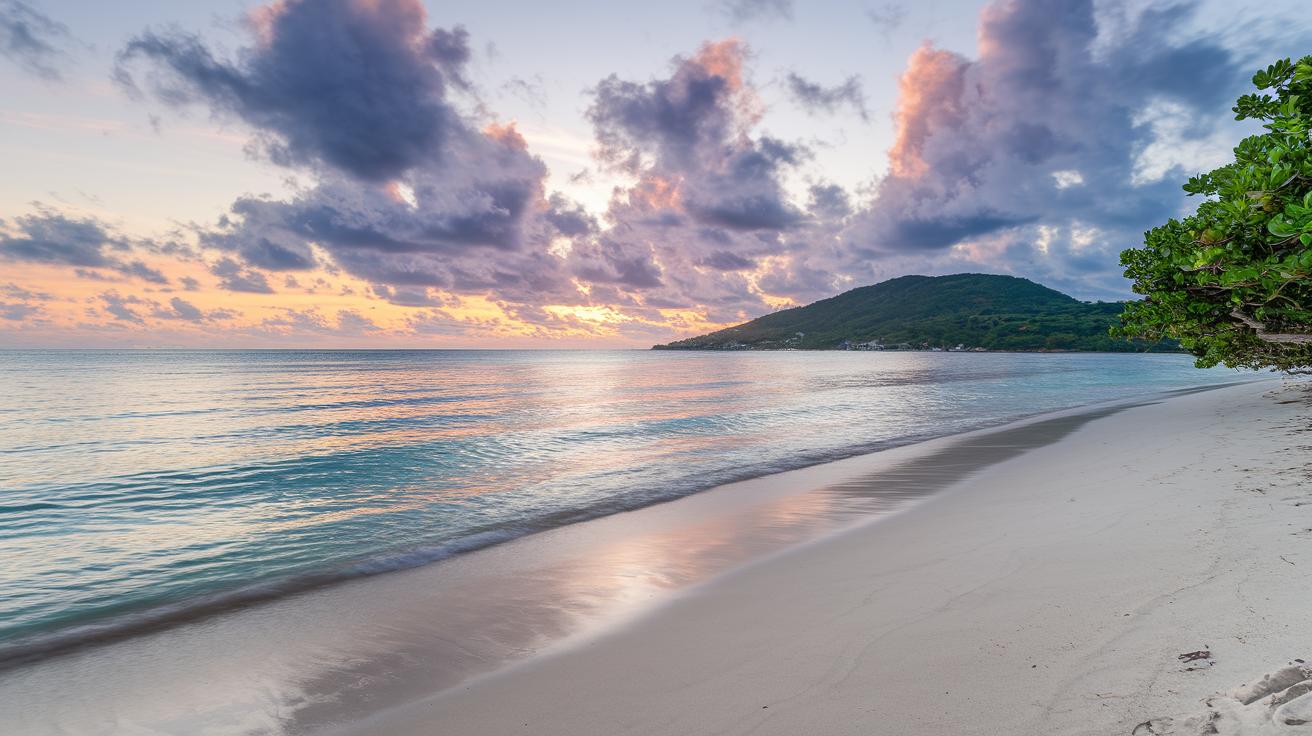
Caribbean weather is a breeze to understand and helps you plan the perfect tropical getaway. The islands enjoy two main seasons that set the vibe for your vacation. The busy season runs from mid-December to mid-April. During these months, the weather stays dry with comfortable temperatures between 75°F and 85°F. Imagine waking up to gentle pastel skies, enjoying nearly 8 hours of bright sunshine, and feeling the cool ocean breeze mixed with a hint of salty air. It’s the ideal time for beach days and exploring charming towns.
Then comes the quieter season from June to November when it gets warmer and the air feels a bit heavier. Temperatures can climb to the upper 80s or even low 90s, and you might see around 6 to 8 inches of rain each month. These tropical showers pop up quickly and clear up just as fast, almost like nature’s way of giving the islands a refreshing rinse. Plus, the shoulder periods in spring and autumn bring a lovely mix of mild rains and warm days, perfect for travelers who prefer a quieter, more budget-friendly experience.
This easy-to-read guide gives you a clear look at the Caribbean climate all year round. Whether you’re planning a lively holiday or a peaceful escape, these weather tips help you choose the best time for a truly memorable Caribbean adventure.
Month-by-Month Caribbean Weather Guide

In January, you can expect the mercury to range from about 75°F to 82°F. Imagine waking up with 8 hours of bright sunshine each day, as if the Caribbean itself is gently inviting you to start your adventure. It feels as if nature is serving you a perfect postcard moment before you even sip your morning coffee.
Come February, the temperatures warm up just a bit, reaching between 76°F and 83°F. There’s very little rain, making it a great month for anyone who loves calm skies and long, relaxing afternoons under the sun.
In March, you’ll notice a tiny shift. The days get warmer, around 77°F to 84°F, and the nights cool down nicely. Picture yourself taking a stroll along the beach as a gentle evening breeze replaces the heat of the day, creating a perfect setting for a quiet walk along the shoreline.
April sees the warmth growing even more with temperatures climbing to between 79°F and 86°F. While you might catch an occasional shower, these light rains remind you that even paradise has its refreshing moments. By May, brief, passing showers make the air feel fresh, a small nod to nature’s ever-changing rhythm.
June marks the start of the rainy season, and with that comes a noticeable rise in both heat and humidity. The temperature can sometimes approach 90°F, setting the stage for the hot, muggy days of July and August, when the mercury usually fluctuates between 85°F and 92°F and the humidity is at its peak.
In September, the rain really makes an appearance, with the highest chances of showers and even a storm here and there, signaling the height of the rainy season. Then, as you move into October and November, the weather calms down into a milder transition period. By December, the island welcomes a very dry high season, wrapping up a full and unforgettable cycle of Caribbean weather.
Planning Caribbean Travel Around Hurricane and Storm Seasons
The Caribbean gears up for hurricane season from June until early fall. The biggest storm risk is usually during mid-August to early October. But in June, storms are pretty rare, making it a good time if you're watching the weather. Just like checking your phone before a day at the beach, it's smart to keep an eye on trusted storm alerts and local updates.
If you're aiming for a safe and relaxed trip, consider heading to southern spots like Aruba, Curaçao, or Barbados. These islands usually enjoy steadier weather, which means a lower chance of rough conditions. And don’t forget, getting travel insurance that covers weather hiccups is a smart move. That little extra care helps you stay chill even if the weather takes a turn.
Here's a quick checklist to help you plan:
- Keep an eye on local weather forecasts every day.
- Sign up for tropical storm alerts from reliable sources.
- Pick destinations that are known for calmer, more stable conditions.
- Invest in travel insurance that covers storm-related issues.
Fun fact: In June, the relative calm in the Caribbean means you can dive into the island vibes with fewer weather worries, even during hurricane season.
Regional Variations in Caribbean Weather Conditions
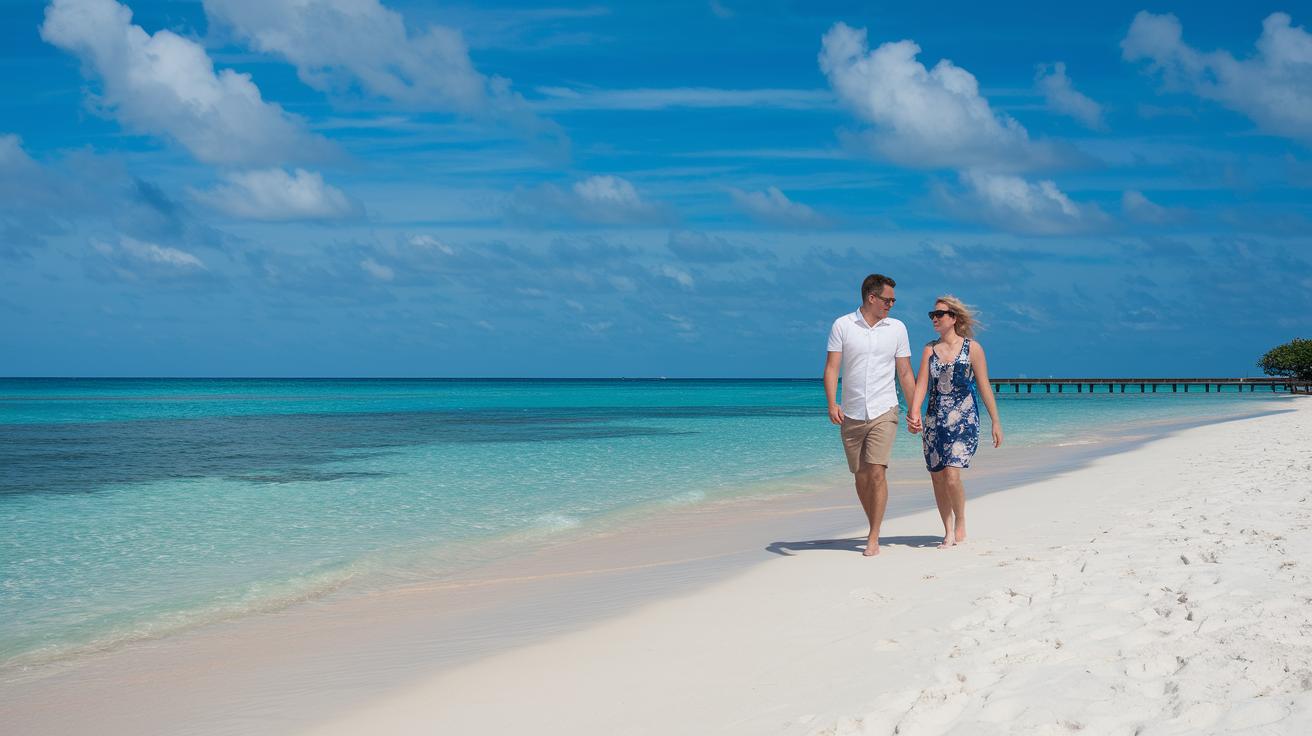
Imagine spending your day under a bright, clear sky. In the ABC islands, Aruba, Bonaire, and Curaçao, the weather is steady and dry. You get endless sunshine and a soft, refreshing sea breeze that makes every moment feel like a fun day at the beach.
Over in the Greater Antilles, places like Jamaica, Cuba, and the Dominican Republic, the scene shifts a bit. The air feels heavier with tropical humidity, and you might catch a quick, light shower that brings a sudden splash of coolness to an otherwise warm day. It’s like the weather is giving you a playful nudge.
Then there’s the southern Caribbean, where the trade winds whisper across the coastline. These winds keep the air pleasantly cool even when the sun is high, making everything feel balmy and inviting. And if you wander into the mountain regions, you’ll notice a lovely change. Up in those higher spots, the air turns crisp and cool, a clear contrast to the lush warmth near the sea.
| Region | Weather Traits |
|---|---|
| ABC Islands | Dry, sunny, and calm with gentle coastal breezes |
| Greater Antilles | Humid with occasional brief showers that refresh the tropical vibe |
| Southern Caribbean & Mountain Areas | Warm and breezy on the coast with cooler, crisper air in the mountains |
These varied weather scenes are a great guide when choosing the perfect Caribbean spot that matches your ideal day in the sun.
Tips for Monitoring Real-Time Caribbean Weather
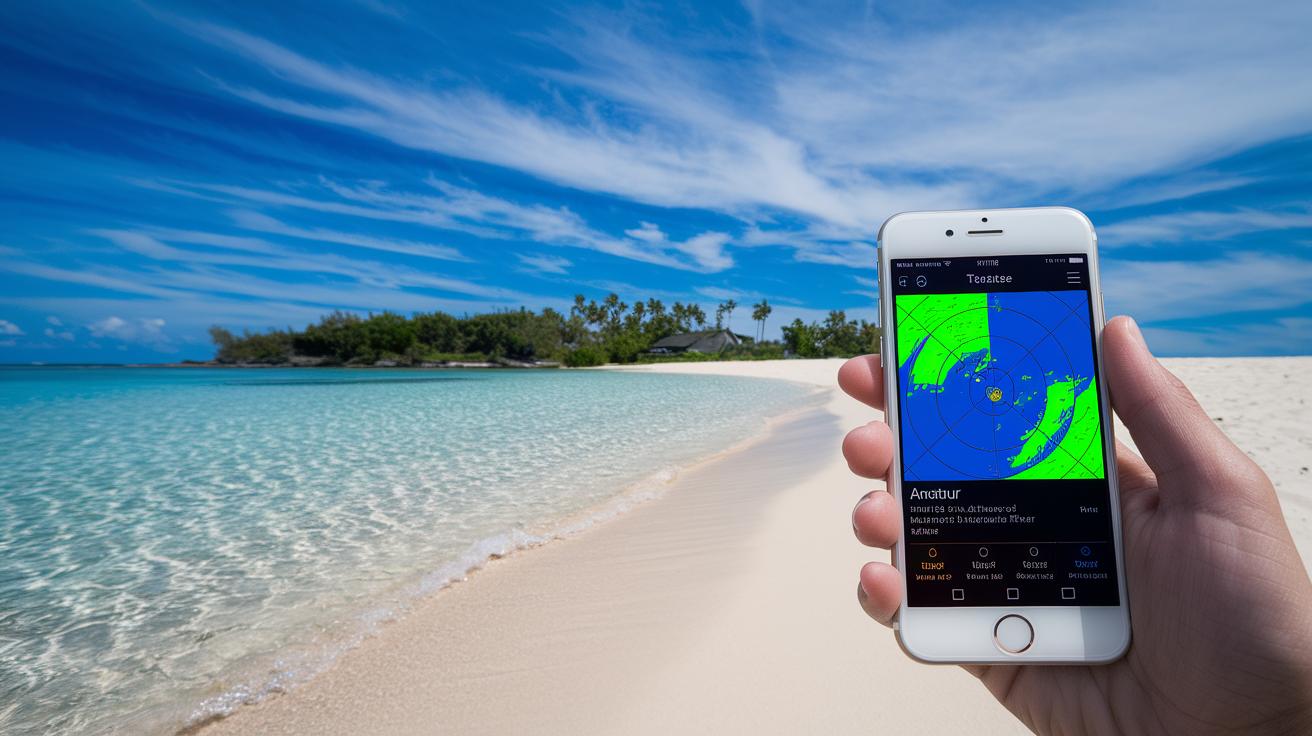
Planning your island getaway? It's smart to keep up with the latest weather updates while you're out exploring. Try using radar and satellite apps that show live weather changes, like getting a friendly text when a tropical storm is on the move.
Next, consider signing up for tropical storm alerts from local weather services you trust. This way, you’re always in the loop during stormy seasons. Check updates from reliable sources like NOAA so you know when conditions start to shift, helping you stay safe and ready.
And here’s another tip: use forecast models to fine-tune your plans. Imagine setting out for a sunny beach day and catching a hint of clouds later, these tools help you decide the best time to enjoy the outdoors or take shelter. This approach makes your Caribbean adventure both safe and a lot more enjoyable.
Best Times to Visit the Caribbean by Climate Preferences
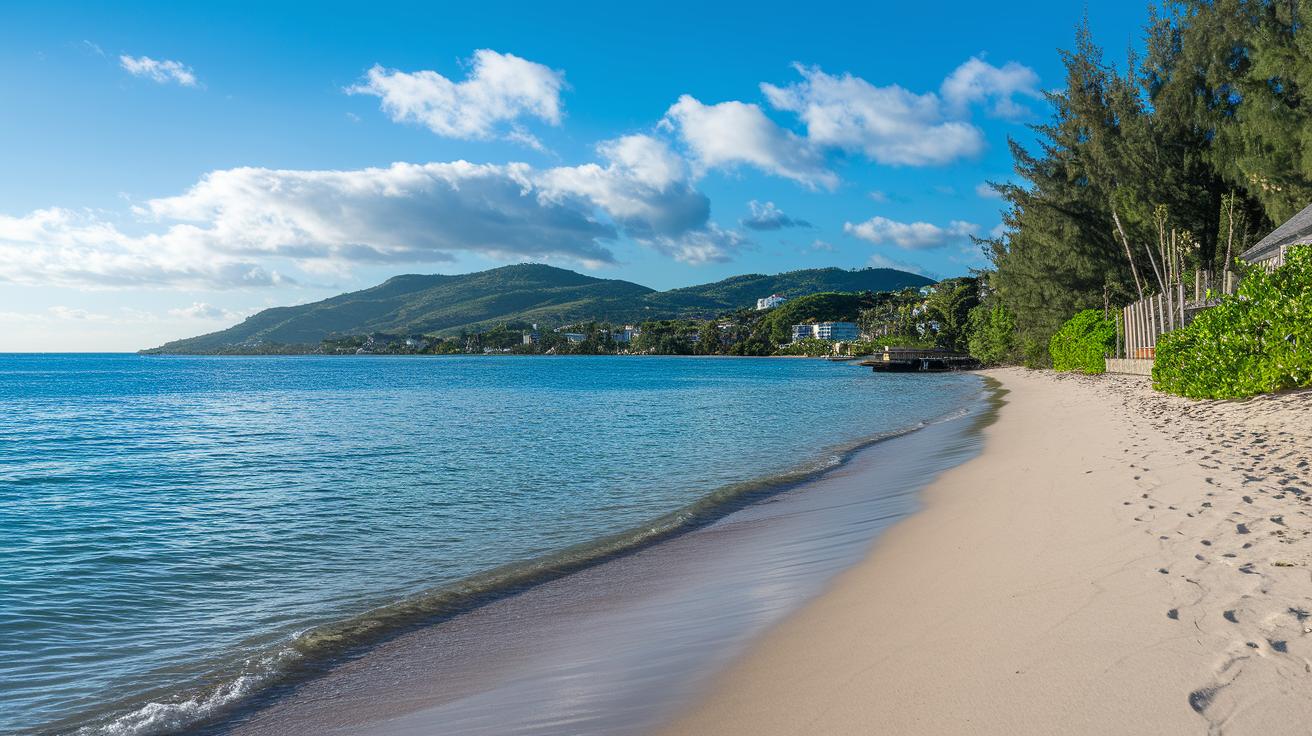
The Caribbean dazzles from December to April with clear skies and warm weather. Many travelers say that waking up to endless blue skies and gentle sea breezes feels like a dream. Just know that during these months, the island is buzzing with activity, and prices tend to be higher.
In November and May, you can find the perfect balance. The weather is mild, the beaches are quieter, and the rates are more affordable. One traveler mentioned that visiting in May meant enjoying peaceful mornings on nearly empty beaches and saving on hotel costs. These months are ideal if you want great weather without the hustle and bustle of peak season.
September is the most budget-friendly time to visit, but it comes with a higher risk of storms. Many visitors adapt by swapping some beach time for exploring local cultural spots when the weather turns unpredictable.
| Season | Weather | Cost | Highlights |
|---|---|---|---|
| Dec-Apr | Clear and warm | Higher | Peak season buzz and vibrant experiences |
| Nov & May | Calm and mild | Moderate | Balanced climate with savings |
| Sep | Changeable with storm risk | Lowest | Great for flexible plans and exploring culture |
Planning ahead really goes a long way. Booking early during peak months can help you secure the best deals, while the shoulder seasons offer spontaneous options at a lower cost. For more details, check the later sections, which include a month-by-month guide filled with traveler tips and cost comparisons.
Final Words
In the action, we explored how Caribbean weather swings shape your travel plans. The post walked you through seasonal shifts, monthly highlights, and tips for storm awareness while also comparing local climates. It gave clear ideas on the best times to visit and even how to keep an eye on conditions using handy real-time tools.
This quick recap ties back to our caribbean weather guide and helps set you up for a relaxed, unforgettable trip filled with sunny days and cool breezes. Enjoy planning your escape!
FAQ
What is the Caribbean weather guide year round?
The Caribbean weather guide year round outlines typical seasonal trends, showing a dry, milder high season from mid-December to mid-April and a wetter, more humid low season from June to November.
What does the Caribbean weather guide by month show?
The Caribbean weather guide by month details average temperatures, sunshine hours, and rainfall. For example, January has comfortable temperatures around 75–82°F, while July to August are hotter with higher humidity.
What is the Caribbean weather like in November?
The Caribbean weather in November features shoulder season conditions with quieter crowds and transitioning patterns, offering pleasant temperatures and a mix of sunny and rainy days as the rainy season nears.
What does a 14-day Caribbean weather forecast include?
A 14-day Caribbean weather forecast includes predictions of temperature, rainfall, and potential storm activity, using up-to-date data from reliable meteorological services to help travelers plan their trips.
What are the typical Caribbean temperatures by month, in Fahrenheit and Celsius?
The guide provides monthly averages, ranging from around 75°F (24°C) in cooler months to the upper 80s–low 90s°F (around 30–33°C) during summer, helping you plan trips based on comfortable weather.
What is the Caribbean weather like in October and November?
The Caribbean weather during October and November usually features milder conditions that mark the shoulder season. You can expect pleasant warmth with a slight chance of rain as the rainy season approaches.
What is the weather in the Caribbean in March for a cruise?
The Caribbean weather in March for a cruise is typically mild with clear skies and comfortable nights, making it an ideal time for cruising as temperatures remain steady and enjoyable.
Is there a storm in the Caribbean right now?
The possibility of a storm in the Caribbean can change quickly. Stay updated by checking real-time radar apps or NOAA reports for the latest information on local storm conditions.
What is the best month to go to the Caribbean?
The best month to visit the Caribbean is often February or March when the weather is sunny, dry, and perfect for beach trips, cruises, and enjoying the islands with fewer interruptions.
What is the rainiest month in the Caribbean?
The rainiest month in the Caribbean is typically September, when most islands see the highest rainfall and an increased risk of storms due to seasonal weather patterns.
What is the worst time to visit the Caribbean?
The worst time to visit the Caribbean is usually in September, during peak hurricane conditions when heavy rains and storms can disrupt travel and outdoor activities.
How does weather vary across places like Aruba, Barbados, Saint Lucia, The Bahamas, and Mexico?
Weather in these regions can differ; for instance, Aruba stays drier with stable conditions, while Barbados and Saint Lucia experience more rain. The Bahamas and parts of Mexico offer warm, pretty consistent temperatures year round.
