Have you ever thought about how art can change the way we see a place? Caribbean art and literature are more than just pictures or words, they feel like a patchwork quilt stitched together from African, Taíno (the island's native people), and European traditions. Each work tells its own story of heart and persistence, capturing both the island's rich past and lively present.
As you wander through these creative expressions, you'll feel how they bring old traditions into the here and now. It’s like they give a voice to new dreams while honoring time-tested customs, making the Caribbean a vibrant canvas where every color and texture tells a story.
Caribbean Art and Literature: Cultural Foundations and Evolution
The Caribbean is like a giant quilt made from many different pieces. Its history weaves together African, Taíno, and European threads, creating a unique blend that shows up in every part of life. Imagine each island as a special piece of a colorful puzzle, with its own language, customs, and natural charm, like warm beaches and tall, green mountains, that inspire local art.
Artists in the Caribbean use vivid colors and simple designs to tell stories of their heritage. Writers, too, share tales passed down through word-of-mouth, capturing the heart of island life. Have you ever pictured a poet jotting down lines while the ocean roars? That mix of nature’s power and the people’s spirit makes the art feel both timeless and wonderfully Caribbean.
Even today, local artists and authors stay true to these deep roots. They remix old traditions with modern ideas, whether through digital art or fresh storytelling methods. The creativity of past generations still shines through every painting and written line, reminding us that the soul of this vibrant culture is alive and well.
Historical Milestones in Caribbean Art: From Indigenous Roots to the Caribbean Artists Movement
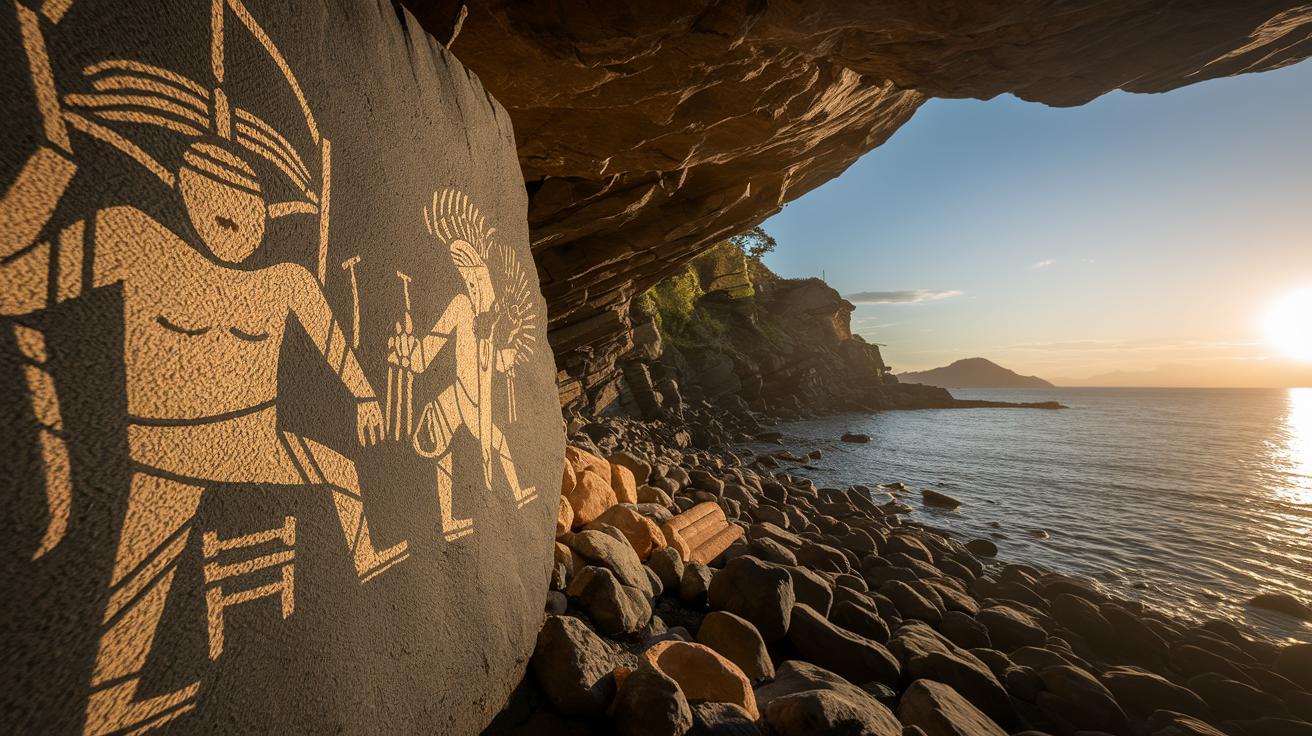
The Caribbean art scene has grown over time, blending colorful cultures and rich history into each brushstroke. Think of it as a vibrant diary where each line of art holds a story of struggle, hope, and renewal. From the whispers of native traditions to the powerful pulses of African heritage, art here became more than just pretty pictures, it was a way to tell stories, shape identity, and even stand strong against tough times.
Indigenous and African Roots
Start with the earliest days: native Taíno petroglyphs and ritual objects were like simple sketches filled with deep meaning. They used basic symbols to share legends and spiritual beliefs. Then, African sculptural art, brought through the painful journeys of forced migration, mixed with these traditions. It’s like dancing to a beat where every step and color tells an age-old tale. Every carving felt natural and soulful, setting up a foundation that would later inspire generations.
Early Modern Developments and the Caribbean Artists Movement
During the colonial era, art became both a gift from patrons and a way for locals to shout out their true voices. Into the mix came the Caribbean Artists Movement in 1966, a bold group that challenged the old ways. They mixed traditional themes with creative, modern twists, as if adding a pinch of spice to a classic recipe. This fresh style quickly resonated across communities, blending the past and present into new, exciting art forms that continue to inspire today.
Literary Evolution in the Caribbean: From Oral Traditions to Postcolonial Prose
Caribbean literature started as simple spoken stories that carried the magic of island life. Long before paper and pen were common, local storytellers shared myths and origin tales around glowing campfires. Over time, writers began to find their own true voices, speaking up against the changes brought by colonial rule. Some works focused on big ideas like who we are and standing up for ourselves, while others celebrated local legends and the beauty of our language. Lately, authors have mixed familiar island sounds with ideas from around the world, creating stories that blend deep cultural roots with modern twists. It’s a bit like enjoying an old family recipe with a fun new secret ingredient in every sentence.
| Period | Representative Writers | Themes |
|---|---|---|
| Pre-colonial Oral | Anonymous Storytellers | Mythic sagas, origin tales |
| Colonial-era Prose | Mary Prince, Frank Collymore | Identity, resistance |
| West Indies Poetic Revolution | Derek Walcott (1950s), Kamau Brathwaite | Language reclamation, folklore |
| Post-Independence Prose | Edwidge Danticat (1990s), Caryl Phillips | Diaspora, hybrid identities |
The way Caribbean storytelling has changed over time is like watching a beautiful sunrise over the sea. Early tales were simple and full of nature, mixing myth with the wonder of the island's landscapes. As the colonial era took hold, writers sharpened their focus on identity and the struggle to take back a history that was once told by others. Then came a burst of creative freedom in the mid-1900s, when poets and storytellers experimented with language and form. More recently, post-independence writers have courageously mixed personal memories, cultural traditions, and experiences from the Caribbean diaspora. It’s a rich tapestry, old meets new, and every word offers a glimpse into the vibrant, ever-changing soul of Caribbean life.
Key Figures in Caribbean Art and Literature: Profiles and Contributions
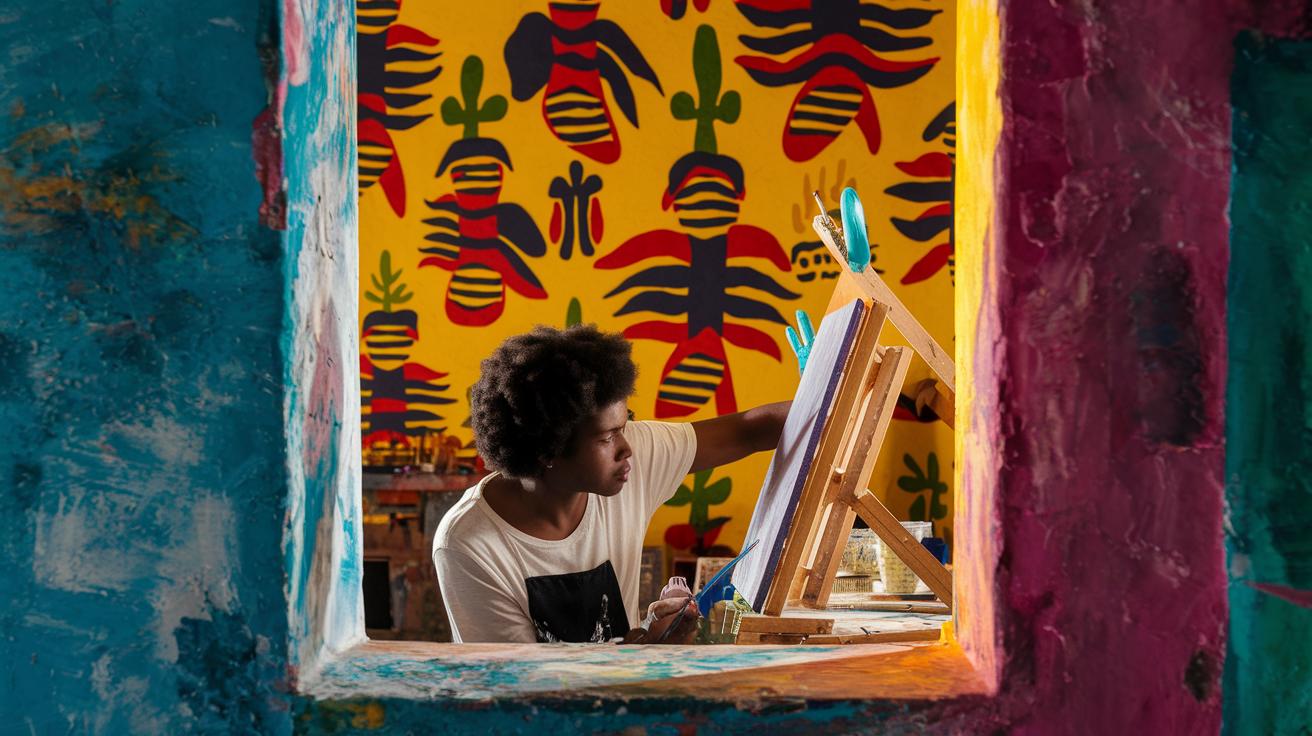
Here are six remarkable creators who have truly transformed Caribbean art and literature with their unique approaches and inspiring work. Each one brings a taste of the islands’ rich culture through their craft, inviting you to experience Caribbean creativity like never before.
Meet Wifredo Lam from Cuba. A passionate painter known for his work "The Jungle," he mixed Afro-Cuban symbols with a touch of surrealism. His art lets you feel the deep cultural stories and see the Caribbean in an entirely new light.
Then there’s Frank Bowling from Guyana. With his bold strokes in the "Map" series, he turned color field painting into a bold conversation about history and society. His work challenges you to think about how a splash of color can narrate an entire era.
Next up is Aubrey Williams, also hailing from Guyana. His "Shostakovich" series masterfully blends Amerindian imagery with modern vibes to bring out the rich spirit of the region. His paintings feel like a blend of old Caribbean roots with a fresh, contemporary twist, making you almost hear the island rhythms.
Derek Walcott from Saint Lucia reshaped epic tales in a Caribbean setting with his celebrated work "Omeros." A poet and playwright, his stories carry a warm island pride that encourages you to embrace your own cultural identity through the magic of words.
Edwidge Danticat, who writes from both Haiti and the USA, has quickly become a leading voice in diaspora literature. In novels like "Breath, Eyes, Memory," she weaves together myth, memory, and modern life to create stories that pulse with the heartbeat of the Caribbean.
Lastly, Michael Anthony from Trinidad offers a vivid glimpse into urban life with "The Year in San Fernando." His narratives mix everyday traditions with sharp streetwise insights, drawing you into the lively pulse of Caribbean cityscapes.
Together, these icons continue to reframe modern thought by mixing cherished traditions with creative storytelling that truly captures the essence of island life.
Contemporary Expressions in Caribbean Art and Literature
In the Caribbean, digital and street art are lighting up public spaces with a burst of color and energy. Murals cover city walls and narrow alleys, turning everyday scenes into lively displays that capture the island vibe. Digital platforms now show off cool projects like NFTs (a digital certificate that proves art ownership), making art just a click away.
On the literary side, spoken-word slams and performance poetry are taking center stage. Caribbean poets and performers turn parks, streets, and squares into lively stages where words, music, and movement come together. It’s like having a heart-to-heart with the island, full of resilience, local pride, and moments that make you stop and think, "Haven't I seen this kind of magic before?"
Local and global artists are now teaming up in fresh and exciting ways. Visual artists, writers, and digital creators are joining forces to mix painted canvases with live readings and interactive exhibits. These partnerships help share Caribbean creativity far and wide, inviting everyone to enjoy a unique blend of art that feels both new and warmly familiar.
Caribbean Art and Literature in Global Perspective: Postcolonial and Diaspora Dialogues
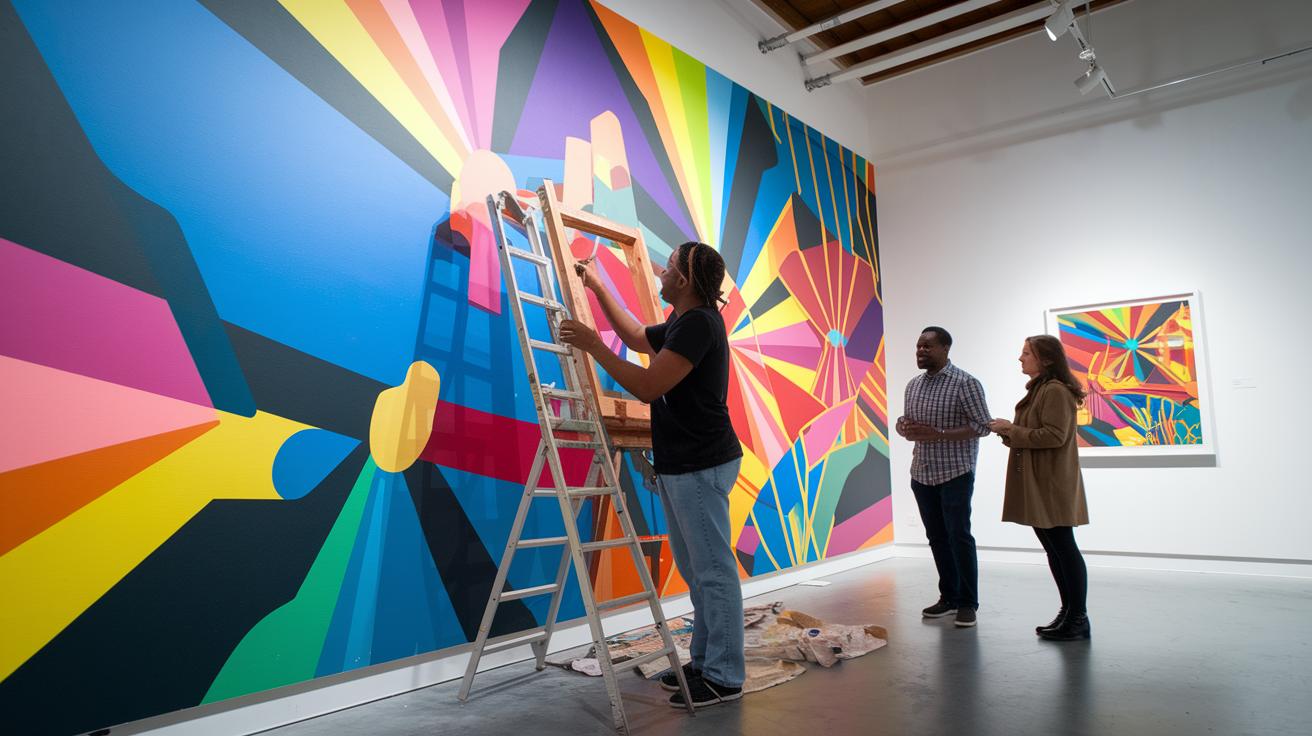
Caribbean artists and writers are making waves across the world. They display their art and share their stories in big shows and win awards that shine globally. Many diaspora writers and visual creators put their work in well-known galleries and lively cultural events, inviting people from far and wide to feel the heartbeat of the Caribbean. Their translated books and art collections let readers and collectors dive into Caribbean pride and diverse history. It’s like stepping into a gallery filled with colorful paintings and moving words that speak about old tales and fresh voices.
Across the globe, friendly debates spark at academic meet-ups, shared collections, and digital gatherings that explore postcolonial ideas. Scholars and creators join forces, chatting and sharing insights in casual forums. They use simple tools like postcolonial reading methods (ways to understand texts after colonial times) and ethnic reviews to break down complex ideas. This worldwide conversation, brought to life in online events and printed collections, gives Caribbean art and literature a new stage. In truth, these chats let Caribbean culture shine, be explored, and mixed into the larger global story of creativity.
Final Words
In the action, this article traced the vibrant pulse of Caribbean art and literature, from indigenous roots and colonial influences to modern expressions in visual art and written prose. Its rich narrative covers key historical shifts and the standout voices that continue to shape cultural scenes.
Every section paints a picture of diverse cultures coming together, celebrating unique expressions and continuous creativity. Its lively spirit reminds us to embrace creativity and cherish every cultural moment.
