Have you ever wondered what secrets might be hidden beneath the beauty of a tropical paradise? Some Caribbean islands, as stunning as they are, come with their own set of warnings. You'll find that a few of these spots have alerts about safety, where issues like crime and unrest mean you need to be extra careful.
It might seem surprising, but beauty and danger can sometimes share the same horizon. In truth, these islands have stories that go much deeper than the postcard-perfect views. So, get ready to rethink what you know as we explore the quieter corners of the Caribbean and uncover the intriguing facts hidden behind the headlines.
Top Dangerous Caribbean Islands and Why They Made the List
Haiti sits at the top with a Level 4 travel advisory. Constant gang violence and frequent kidnappings have turned this island into a place most travelers are advised to avoid. Here's a fun fact to ponder: did you know that even a famous scientist like Marie Curie once carried test tubes of radioactive material in her pockets? It’s a quirky reminder that hidden dangers can be everywhere, even where you least expect them.
Trinidad & Tobago carries a Level 3 alert. In the busy heart of Port of Spain, gang violence, kidnappings, and drug trafficking all add to the risks of visiting. It’s like trying to enjoy a calm sea while strong currents pull you off balance.
Jamaica shines with a rich culture and is home to famed spots like Kingston and Montego Bay. But behind the music and the smiles, a high homicide rate, almost 45 per 100,000 people, has earned it a Level 2 caution. It reminds us that even paradise often has its shadows.
Puerto Rico is also on the watch list due to a rise in urban crime paired with the impact of frequent hurricanes. From June through November, and especially in September when storms hit their peak, the island faces some tough challenges alongside its natural beauty.
In the Dominican Republic, the risks aren’t confined to the famous Punta Cana resorts. Crime hotspots abound, affecting not just the tourist areas but other parts of the island, with armed robberies troubling visitors.
The Bahamas, particularly in Nassau and Freeport, aren’t spared either. Even with strong resort security in place, violent crime rates have climbed, urging travelers to be extra cautious.
Finally, in Saint Vincent & the Grenadines, the area around Kingstown has seen an uptick in violent incidents. This brings our list of Caribbean islands with significant safety concerns to a close, reminding us to always check the local scene before setting sail.
Methodology Behind Ranking the Most Dangerous Caribbean Islands

We put together our ranking using a mix of travel alerts, local crime stats, and even some personal travel stories. We check out the US State Department travel advisories (from Level 1 to Level 4) to see which spots might have danger warnings and compare this with local crime data like homicide and violent-crime rates per 100,000 locals. We also listen to firsthand travel reports because they show the real-life vibe that numbers alone might miss.
We also consider Mother Nature. Hurricane season runs from June to November, with September being the busiest month, plus we remember big events like La Soufrière’s eruption in April 2021. Each part plays a role in how we see the risks, with crime numbers counting for half of our score, advisory levels for 30%, and natural hazards for the remaining 20%. This mix helps us give a clear picture of both the people-related and nature-related risks on each island.
| Source | Data Type | Weight |
|---|---|---|
| US Travel Advisories | Government advisory levels (Levels 1–4) | 30% |
| Crime Statistics | Homicide and violent-crime rates per 100k residents | 50% |
| Natural Hazards | Hurricane season events, volcanic eruptions | 20% |
| Traveler Experience | Firsthand travel reports | Contributory factor |
Crime Patterns Fueling Danger on Caribbean Islands
Recent reports show that each island has its own story when it comes to crime. In Jamaica, the number of homicides stays high, but local safety programs are slowly making a difference. Over in Haiti, gang actions mix with tough economic times and weaker police efforts, making things feel especially risky. And in Trinidad & Tobago, sudden spikes in crime often tie back to dangerous illegal trades.
When you look closer, you'll see that even if the murder rates seem similar, the reasons behind them are not. Picture a cozy town where neighbors come together on watch, quietly easing the tension, even if the numbers still look grim.
This extra insight helps us see that there's so much more than just statistics. It gives travelers a real feel for the safety challenges on each island, making the story more alive than mere numbers ever could.
Environmental and Natural Hazard Risks on Perilous Caribbean Islands
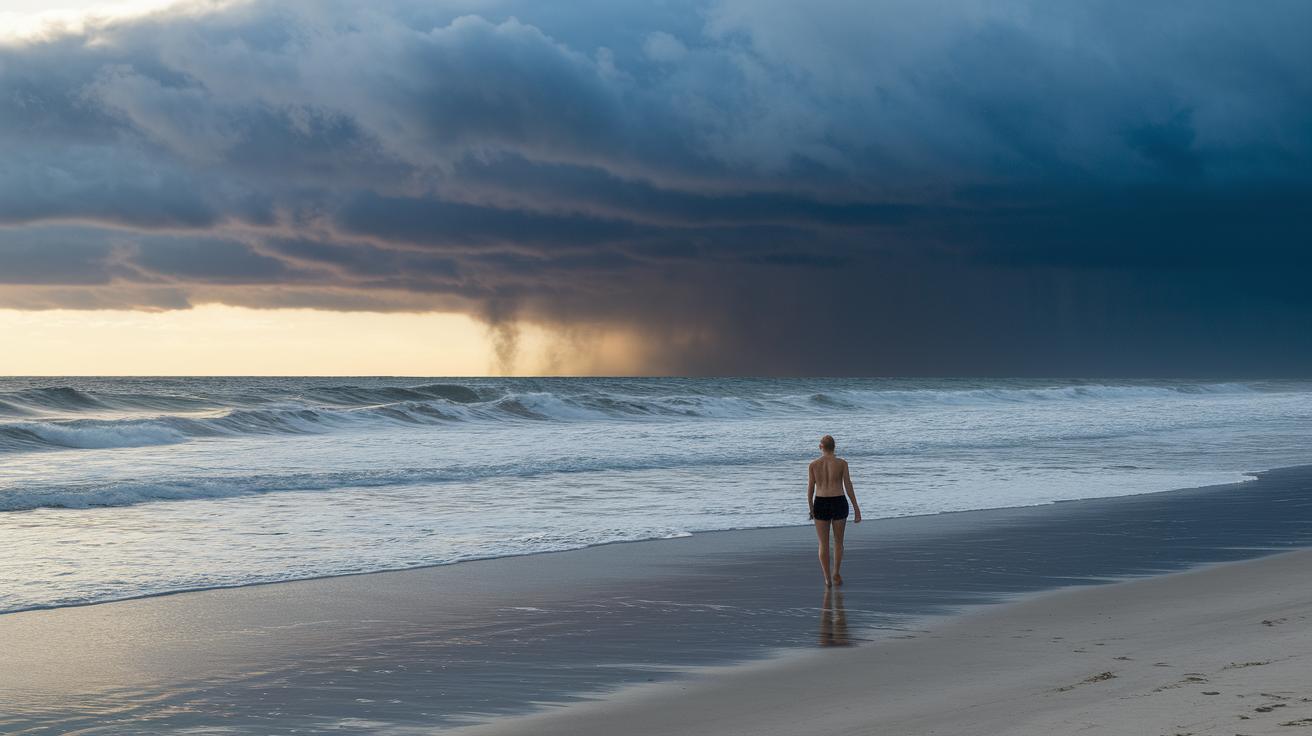
The Caribbean feels like a dreamy escape, but even paradise has its wild moments. From June to November, hurricane season brings strong storms – and September is when they hit their peak. Heavy rains can bring sudden floods, and strong winds or storm surges can quickly turn a calm beach into a rough, choppy shore. Imagine taking a gentle walk along the coast and hearing the roar of unexpected waves. It reminds us to always plan ahead, much like we respect the unpredictable tides.
Nature isn’t done with surprises yet. In April 2021, La Soufrière on St. Vincent erupted, spewing ash into the sky and causing quick evacuations. Haiti still remembers the 7.0 earthquake from 2010 that changed so much in its communities. These events show that earthquakes and tsunamis can hit, especially on low-lying islands where safe exits are few. Picture setting up a beach picnic only to feel the ground shift suddenly. These moments are a clear sign of nature’s might, urging every visitor to stay alert.
And don’t forget about health risks. Mosquitoes in the Caribbean can carry illnesses like dengue, Zika, and chikungunya, so it’s smart to pack vaccinations and some insect repellent. A few precautions can change a risky getaway into a safer journey, turning potential hazards into lessons in smart travel.
Political Unrest and Official Travel Advisories in the Caribbean’s Riskiest Islands
New government reports say safety warnings are shifting on many islands. In Haiti, the highest alert has climbed by 15% in reported issues over the past three months. For instance, Haiti noted a 15% rise in disturbances last quarter, almost like a rising tide warning you before a storm.
Meanwhile, Trinidad & Tobago has seen a 10% increase in violent crime and a few protests over the past six months. If you're planning a visit, it's a good idea to check the latest local updates.
Jamaica and The Bahamas still carry a Level 2 advisory. Recent actions from the government show that law enforcement has gotten stronger in popular tourist spots, even though organized crime still pops up occasionally.
Travel to Jamaica
Puerto Rico remains at Level 2 too. The island has ramped up urban patrols and community programs, showing a more active response as they tackle city crime and public events.
US Caribbean Islands
The Dominican Republic continues to advise against venturing into remote rural areas after dark, even with new measures to boost security in those parts.
Safety Precautions and Risk Mitigation for Visiting High-Risk Caribbean Islands

Traveling to some of the more challenging spots in the Caribbean means you need to plan smart and stay safe. Before you head out, check in with your embassy or a travel alert service so someone knows you’re out there. When picking a place to stay, go with spots that offer friendly 24/7 security and regular patrols. And hey, why not explore with a licensed guide instead of wandering off alone when it gets dark?
Here are some travel tips to help you stay safe:
- Keep your valuables locked up in your hotel safe, and wear a money belt or RFID-blocking pouch.
- Grab travel insurance that covers things like medical evacuations and storm damage.
- Keep an eye on NOAA weather alerts and plan your trips outside of hurricane season if you can.
- Use bug spray and get vaccines for dengue, Zika, and chikungunya to stay healthy.
Think of these steps as your little guide to a worry-free adventure. Just like packing your beach bag with sunscreen and a hat, having a first-aid kit and travel locks can make a big difference when unexpected clouds roll in.
By taking these precautions seriously, you can feel more secure even in high-risk areas. With a blend of smart planning and good old on-ground vigilance, you can turn tricky spots into manageable adventures. Stay safe and travel smart, you deserve to enjoy every vibrant, unpredictable moment in the beautiful Caribbean.
Comparing Most Dangerous Caribbean Islands with Safer Island Options
When you look at these islands side by side, you see that safety numbers like homicide rates per 100,000 people, travel warnings (advisory levels), and the effects of hurricane season help explain how risky each place can be. For instance, places such as Haiti, Trinidad & Tobago, and Jamaica show higher crime numbers and travel warnings that urge you to be extra careful. On the other hand, islands like the Cayman Islands, Barbados, and Aruba are celebrated for their low crime rates, mild travel warnings, and prompt emergency services.
Imagine putting together a travel safety puzzle. Every piece, from crime statistics to weather patterns, fits in to form the whole picture. Next, take a look at this easy-to-read table that lays out these safety points for each island:
| Island | Category | Homicide Rate per 100k | Advisory Level | Hurricane Impact |
|---|---|---|---|---|
| Haiti | Dangerous | ~13* | Level 4 | High |
| Trinidad & Tobago | Dangerous | ~36 | Level 3 | High |
| Jamaica | Dangerous | ~45 | Level 2 | Moderate |
| Cayman Islands | Safe | Very low | Level 1 | Low |
| Barbados | Safe | Low | Level 1 | Moderate |
| Aruba | Safe | Low | Level 1 | Low |
*Note: Even if islands show lower homicide rates, remember that other violent crimes and overall instability can affect safety. Looking at these details helps you plan a safer, more informed trip across the Caribbean.
Final Words
In the action, we explored key factors shaping safety on Caribbean isles. From crime statistics to weather challenges, each section gave clear insights to help you understand risk levels.
We also broke down the ranking methodology behind the most dangerous caribbean islands. With tips on staying safe and well-informed, the article leaves you ready for responsible, enjoyable travel. Embrace the learning and plan smartly for a trip that’s both mindful and full of Caribbean charm.
FAQ
What are the top dangerous Caribbean islands, including those to live on and the ones trending for 2025?
The top dangerous Caribbean islands are those known for high crime, kidnappings, and strict travel advisories. Countries like Haiti, Jamaica, Trinidad & Tobago, Puerto Rico, and parts of The Bahamas consistently rank risky based on crime statistics and natural hazards.
Which Caribbean islands are considered the safest, especially for families?
The safest Caribbean islands offer low crime rates and solid emergency responses. Islands such as the Cayman Islands, Barbados, and Aruba provide family-friendly resorts and secure environments that are ideal for vacationing.
Which Caribbean island has the highest crime rate?
The island with the highest crime rate is often cited as Haiti, where elevated gang violence and kidnapping concerns make it less secure for travelers seeking a safe experience.
Where are areas in the Caribbean best avoided for safety reasons?
Areas best avoided include specific regions in Haiti, selected parts of Jamaica and Trinidad & Tobago, and certain zones in the Bahamas and Dominican Republic, where high crime or natural hazards pose significant risks.
What is considered the #1 Caribbean island?
The #1 Caribbean island depends on what you value most. Rankings can vary greatly based on safety, culture, and natural beauty, so the best island for one traveler might differ from another’s top pick.
