Have you ever thought about how a simple beat can reveal the soul of a place? Caribbean music flows like a warm breeze, sharing stories from old island days all the way up to today. Imagine native drums playing alongside sounds brought by early settlers, mixing together to create a unique rhythm that still fills the air. Let’s take a journey through centuries of lively sounds and feel the heartbeat of an island culture that proudly celebrates its rich history.
Caribbean Music History Timeline: Origins, Evolution, and Key Milestones
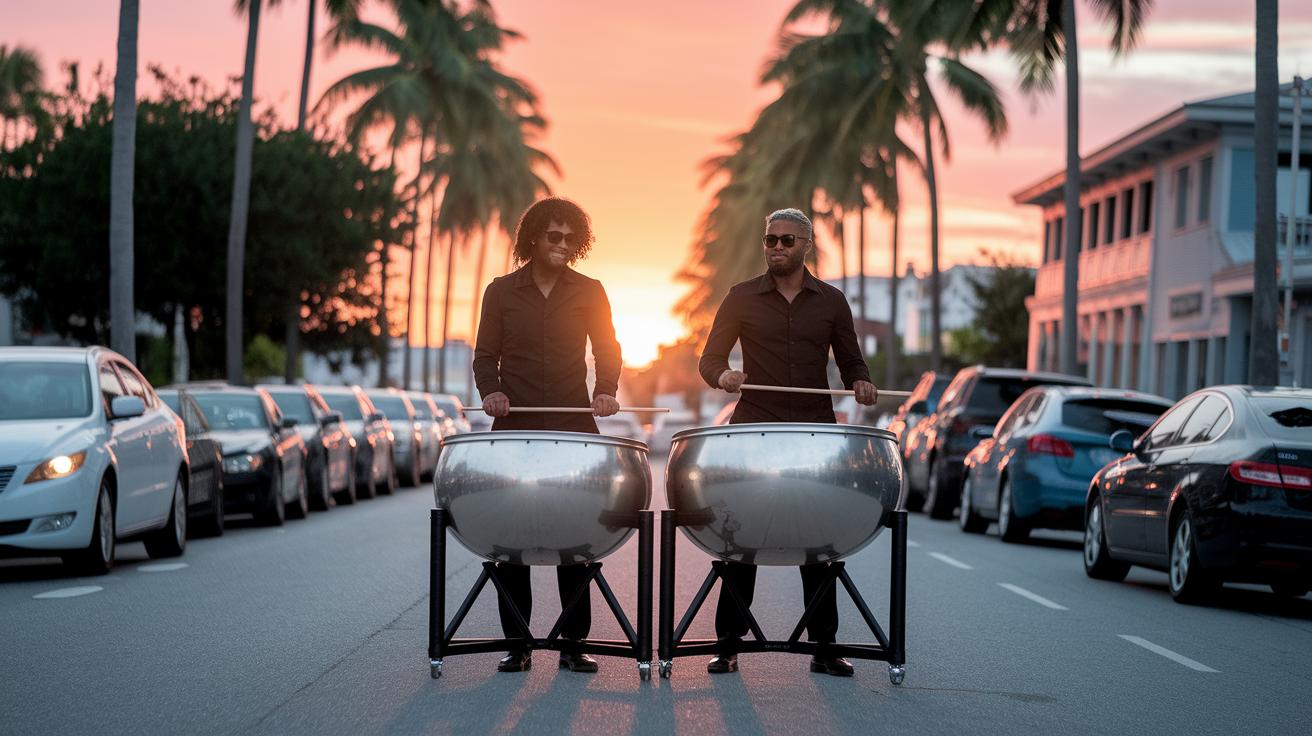
Caribbean music has grown over many centuries into a lively mash-up of sounds that uniquely warm the soul. Long ago, the Taíno and Arawak peoples set the stage with their natural beats, using conch shells and simple percussion that still echo in the breeze today. Later, during the Colonial era, European folk tunes mixed with West African drum rhythms brought by enslaved people, starting a delightful and complex musical journey. On sugar plantations in the 19th century, work songs and spiritual tunes blossomed, filling the air with raw emotion and rhythm.
In the early 1900s, Trinidad and Tobago gave birth to calypso, known for its witty words and catchy beats, painting a picture of local life with each verse. Then, in Jamaica during the late 1950s, ska burst onto the scene, blending lively jazz and R&B hints with island grooves that still make you want to dance. The 1960s saw reggae rise with icons like Bob Marley leading the way, his offbeat guitar and deep bass carrying messages of hope and social change. The music evolved even further in the 1970s and 1980s, with dub and dancehall reworking reggae sounds using new electronic twists and remix magic. Moving into the late 20th and the 21st century, Caribbean music fully embraced modern vibes, mixing in bits of hip hop, R&B, and global EDM, ensuring that the groove is always fresh and ever-changing.
| Period | Dates | Key Developments |
|---|---|---|
| Precolonial Era | Before 1492 | Taíno and Arawak rhythms, indigenous instruments |
| Colonial Era | 15th–19th c. | Blend of European folk tunes and West African drums |
| Slave Era | 19th c. | Birth of work songs and spiritual melodies on plantations |
| Early Calypso | Early 20th c. | Satirical lyrics and energetic rhythms in Trinidad |
| Ska Emergence | Late 1950s | Mixing jazz, R&B, and Caribbean beats |
| Reggae Rise | 1960s | Iconic offbeat grooves and messages of change |
| Dub and Dancehall | 1970s–80s | Electronic tweaks and remix culture reinvention |
| Modern Fusion | Late 20th–21st c. | Adding hip hop, R&B, and EDM flavors to Caribbean sounds |
Precolonial Indigenous Sounds in Caribbean Timeline
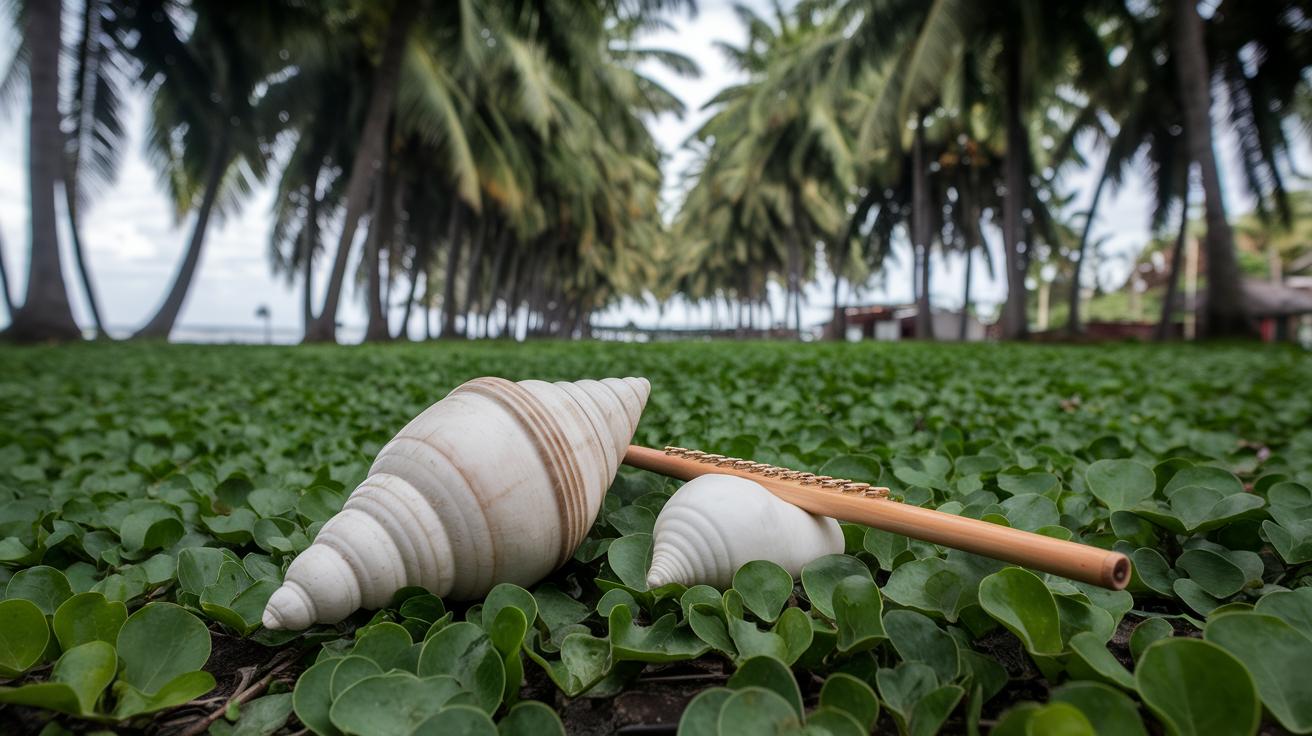
Back in precolonial times, the Taíno and Arawak people set the stage for Caribbean music with a mix of natural sounds. They played instruments like conch shells, flutes, and rattles during lively community gatherings and festivals that celebrated harvests and fishing.
Their music mixed beautifully with nature. Imagine someone calling out, "The wind sings!" and another replying, "The trees answer!" This back-and-forth not only brought the community together but also laid the groundwork for the diverse musical styles we enjoy today.
This close bond between nature and sound weaves a rich thread through the Caribbean cultural story, highlighting the magic of early island traditions.
Colonial Impact on Caribbean Music History: African and European Influences
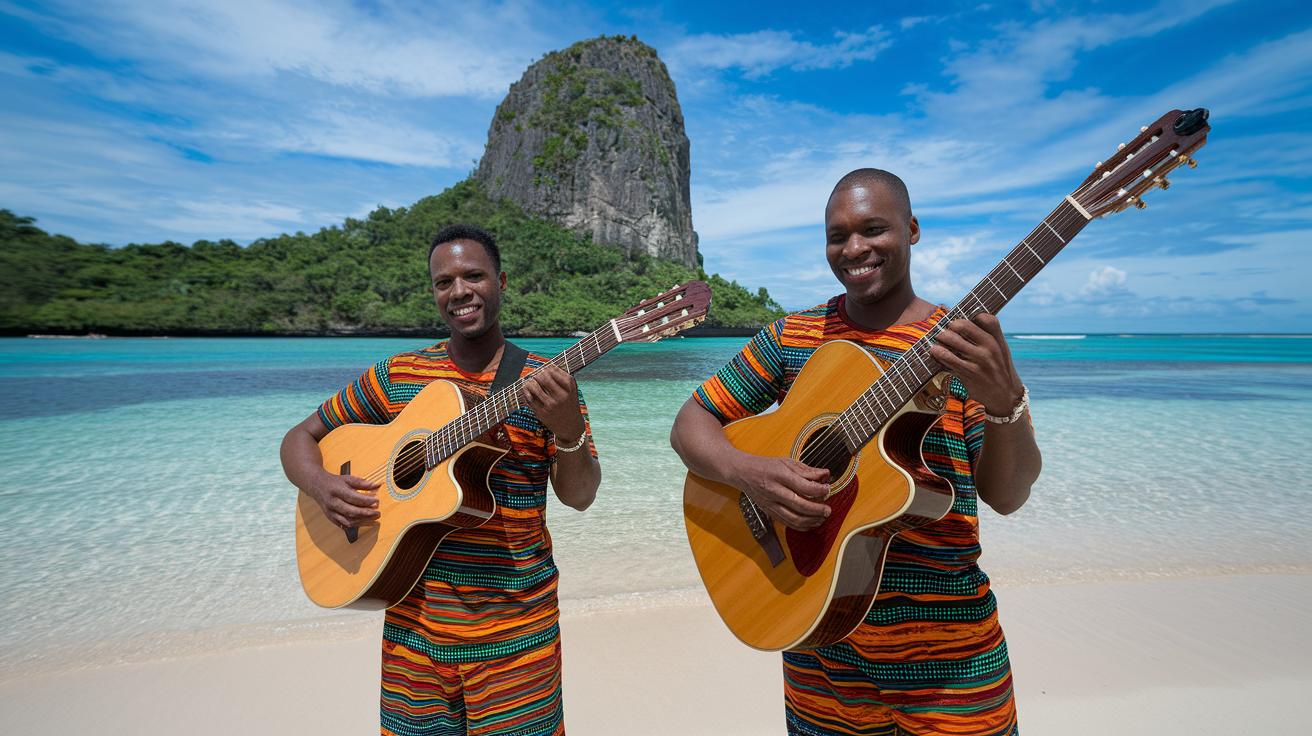
Between 1492 and 1834, European colonizers brought string instruments like the guitar and violin to the islands. Their fresh harmonies mixed with local sounds, turning familiar tunes into something new and exciting. At the same time, West Africans, who were brought here against their will, introduced wild drum beats, the soft touch of the mbira (a small instrument that gives off a gentle, twinkling tone), and lively, overlapping rhythms that made the music pulse with energy.
Field hollers, work songs sung by enslaved people during chores, became the seeds of a rich storytelling tradition that later grew into calypso and other local songs. These tunes carried deep feelings of heartbreak and hope, echoing the struggles and dreams of whole communities.
During informal gatherings known as fetes (casual parties where everyone came together), European tunes blended effortlessly with Afro-Caribbean beats. Imagine being at one of these fetes and hearing someone say, "Listen, the violin sings a melody that dances with the beat of a distant drum!" This natural conversation of sounds brought comfort and unity, drawing people closer together. In truth, mixing European chords with African rhythms set the stage for Caribbean music to bloom, a vibrant reminder of the islands’ resilience and creative spirit. Today, you can still feel this magic in every festive beat across the Caribbean.
Calypso in Caribbean Music History: Origins and Cultural Legacy
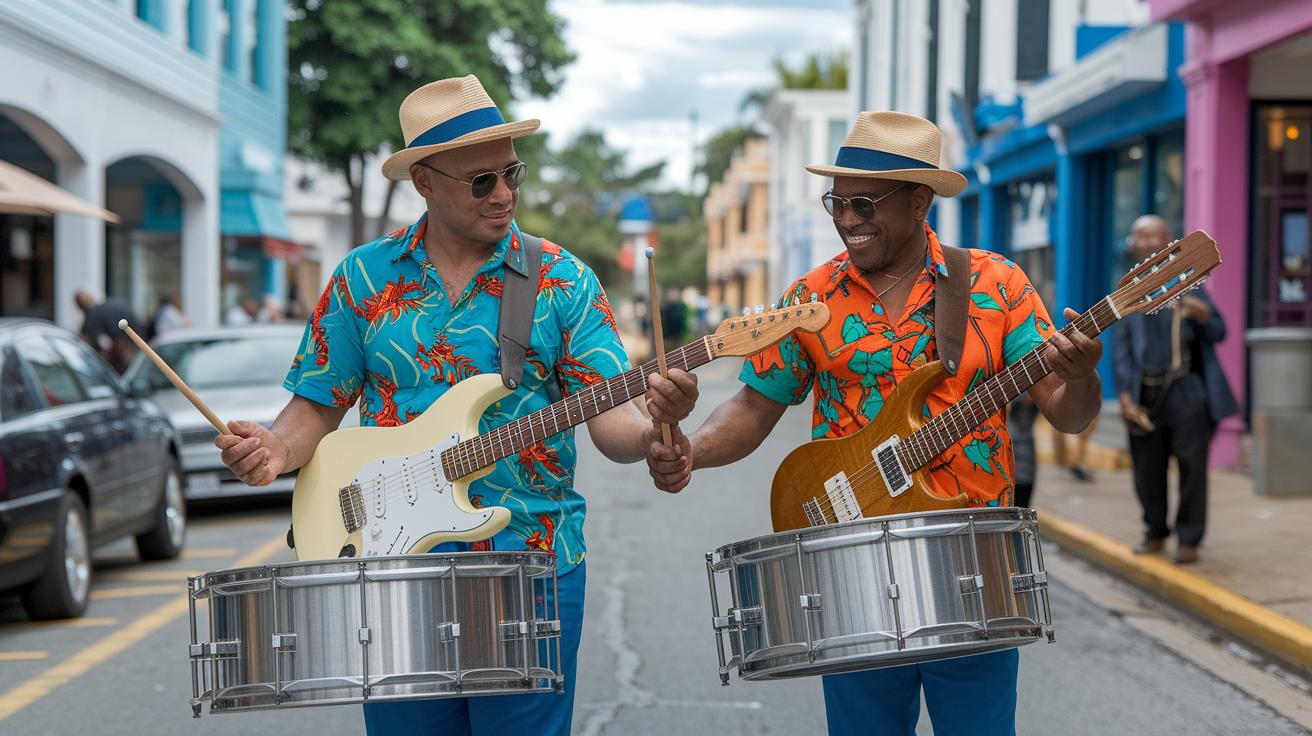
In early 20th-century Trinidad, calypso arrived like a burst of life on the streets. The music carried a warm soul and a playful wit, making clever comments about life under colonial rule. Singers used witty lyrics to gently poke fun at those in power, all while their tunes resonated with everyday folk. Steel drums, guitars, tambourines, and shakers joined in to create a beat that was instantly unforgettable.
It was like joining a friendly chat on a sunny street corner, where call-and-response patterns turned every song into a lively conversation. And when Carnival hit in the 1920s, calypso became even more a part of that festive spirit, celebrating freedom and self-expression like friends gathered under the Caribbean sun.
Key traits of classic calypso include:
- Clever, everyday lyrics that speak truthfully about life
- A catchy 2/4 beat that keeps your feet tapping
- The creative sound of the steel pan
- A call-and-response style that makes you feel part of the fun
- A strong bond with Carnival celebrations, symbolizing freedom
These features keep calypso a treasured and vibrant piece of Caribbean culture, inviting everyone to share in its joyful rhythm.
Reggae and Dancehall in Caribbean Music History: Jamaican Sound Pioneers
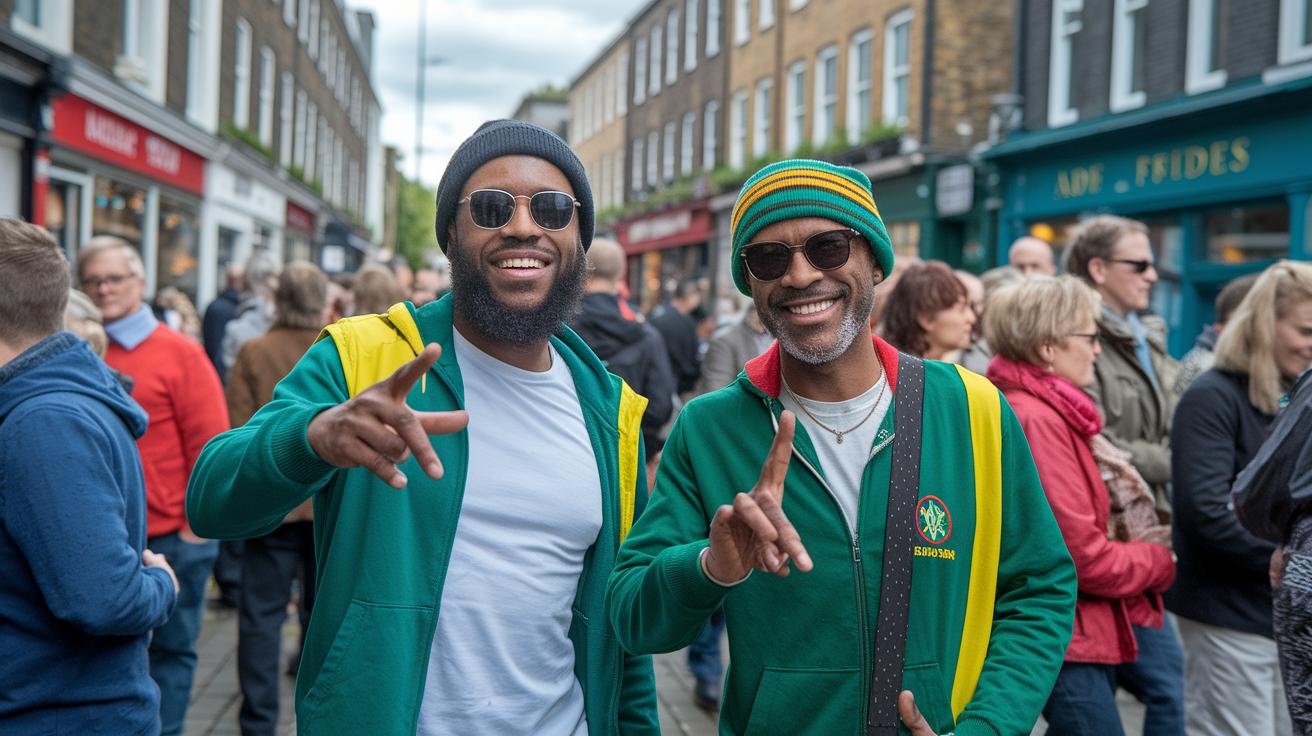
In the late 1950s, the busy streets of Kingston buzzed with the lively sounds of ska, a bright mix of jazz, R&B, and Caribbean beats that set the stage for a new cultural vibe. Picture yourself strolling down a vibrant Kingston street, where a spontaneous street performance pops up at every turn, filling the air with energy.
By the 1960s, reggae had burst onto the scene with deep bass and offbeat guitar rhythms that spoke straight to everyday life. Locals still reminisce about those happy and hard moments when reggae's hopeful tunes brought neighbors together on warm evenings, as if each guitar strum was a shared memory under the setting sun.
Then came the 1970s, when King Tubby changed everything. His creative remixing, adding echo and reverb to traditional tracks, turned simple beats into layered sound adventures. Imagine being in a dim studio in Kingston; with every turn of the mixing board, hidden musical textures come to life, making you feel as if you're discovering a secret world in each beat.
Later in the 1970s, a fresh burst of digital rhythms sparked the rise of dancehall. Local clubs transformed into spontaneous festivals as powerful sound systems played these energetic new beats, blending modern vibes with traditional island spirit.
| Era | Musical Shift |
|---|---|
| Late 1950s | Ska emerges with lively, syncopated rhythms |
| 1960s | Reggae introduces deep bass and offbeat guitar strokes |
| 1970s | King Tubby breaks ground with remix techniques that create dub |
| Late 1970s | Dancehall takes off with fast digital rhythms |
Looking back, each musical phase built a rich and evolving sound saga. Every beat, remix, and rhythm not only shaped the music of Jamaica but also captured the spirit and stories of its people.
History of Steel Pan and Percussion in Caribbean Music
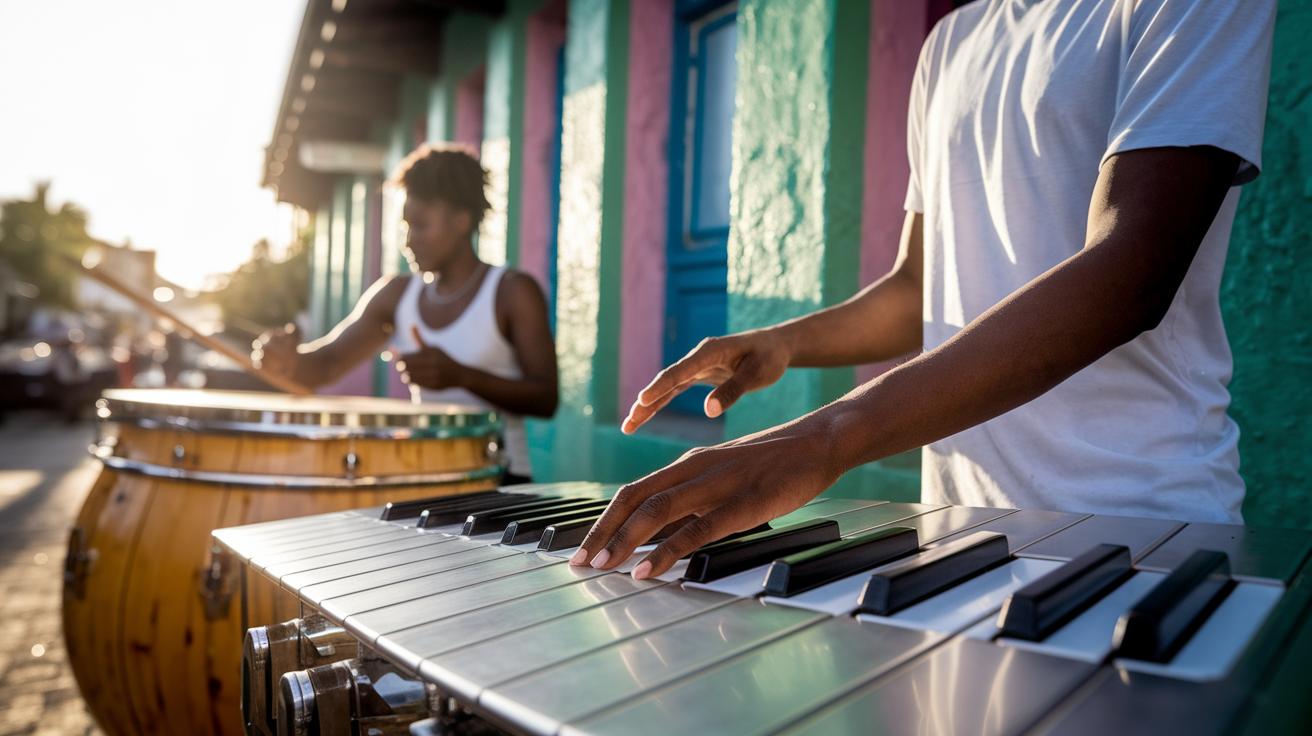
Back in the 1930s in Trinidad, creative locals turned old oil drums into the steel pan. This clever twist brought a fresh, upbeat sound to Caribbean music. Imagine someone taking everyday items and magically turning them into an instrument that reflects the island’s bright cultural spirit.
Around the same time, in the late 1800s, tamboo bamboo rhythms began to fill the air. Local musicians would tap out lively beats on bamboo tubes that resonated through community events, connecting everyone with nature and age-old traditions. And let’s not forget the traditional drum kits, which carried the deep, historic pulse of African rhythms from work songs to festive celebrations.
| Instrument | Origin | Era |
|---|---|---|
| Steel Pan | Trinidad – invented from oil drums by African-descended communities | 1930s |
| Tamboo Bamboo | Caribbean – made from naturally sourced bamboo tubes | Late 19th c. |
| Traditional Drum Kits | African roots – preserved rhythmic techniques from plantation work songs | Centuries-old |
Global Influence and Modern Evolution of Caribbean Music History
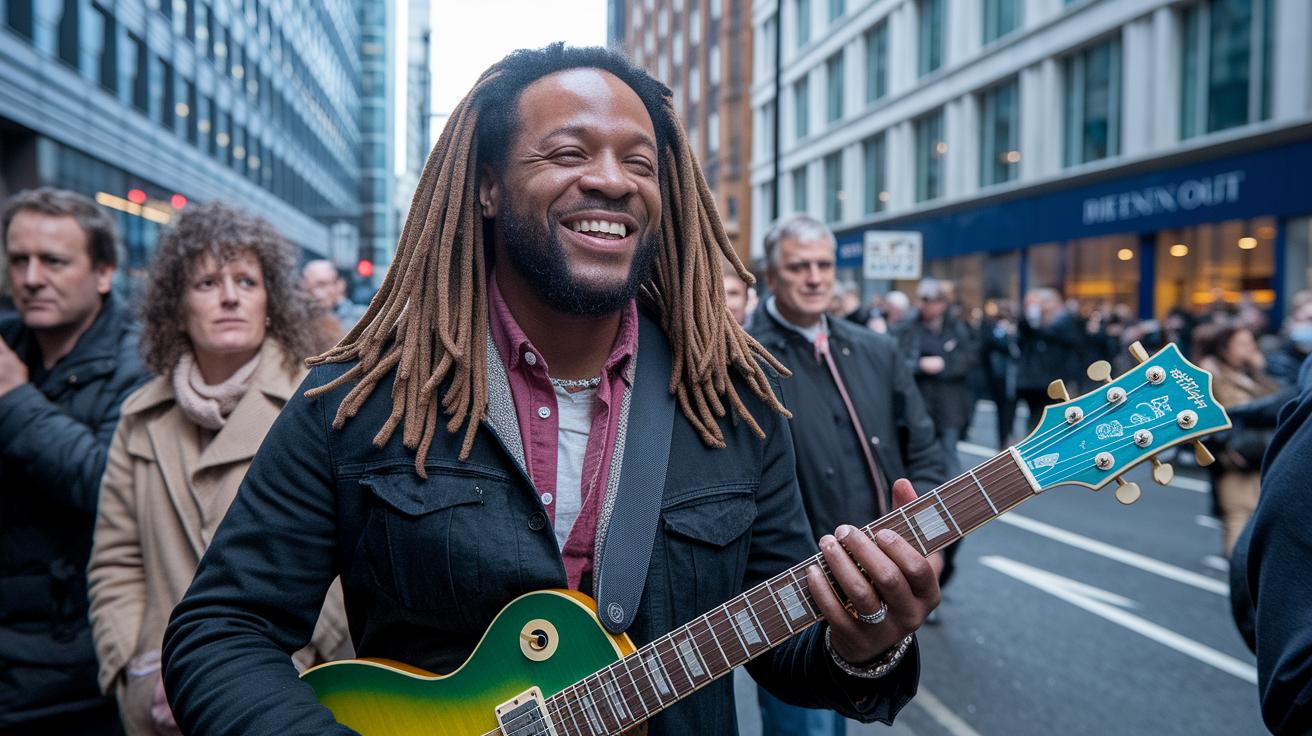
Since the 1960s, Caribbean music has journeyed far beyond its island roots. Many migrants, like those from the Windrush era in the UK, carried reggae’s soulful beats with them. Imagine lively London streets filled with the warm strum of reggae guitars, blending Caribbean spirit with local city vibes.
By the 1970s and 1980s, many Caribbean families settled in cities like Toronto, sparking the birth of the Caribana festival. This festive event mixed soca rhythms, energetic steel pan melodies (instruments made of metal that create bright, percussive sounds), and local music to form a vibrant musical stew. Picture yourself at a bustling festival, where rhythmic steel pans and catchy soca calls create a sound that feels both like a loving memory of home and an exciting new beat.
In the 1990s and 2000s, global music producers in EDM (electronic dance music, a style of electronic, beat-driven music) and hip hop started sampling Caribbean sounds. These tropical beats transformed into modern hits, making their mark in clubs and on playlists from New York to Tokyo.
Today, artists mix dancehall (a genre with fast, punchy beats), reggaeton, and trap to craft a unique sound that’s both familiar and daring. Their music honors the rich Caribbean past while forging a fresh, global vibe, keeping the island magic alive in every stage performance and every beat.
Final Words
In the action, we traced Caribbean music through its lively timeline, from the ancient beats of indigenous island sounds to colonial fusions, calypso wit, reggae rhythm, steel pan innovation, and modern tropical mixes. Each section highlighted a unique stage that plays a part in the rich history of Caribbean music.
The narrative shows how every beat carries the warmth and soul of the islands. Let these stories inspire you to explore the rich sounds waiting just beyond the shore.
FAQ
What is the history of Caribbean music songs and what does Wikipedia say about it?
The Caribbean music history shows a blend of indigenous sounds, African rhythms from slavery, and European melodies. Wikipedia highlights these key influences, shaping the region’s rich cultural and musical evolution.
How did slavery influence the history of Caribbean music?
The Caribbean music history reflects how the rhythms and call-and-response styles of enslaved Africans mixed with European harmonies, creating a vibrant tapestry of sound that continues to inspire island tunes.
How has Caribbean music evolved in America?
The Caribbean music history in America details how migration spread lively genres like reggae and soca, blending local tastes with traditional island beats to form a distinct musical niche across communities.
What defines popular Caribbean music?
Popular Caribbean music is marked by calypso, reggae, and soca styles, known for their catchy rhythms and playful lyrics that bring a festive, sun-kissed vibe to both island parties and global charts.
What is Caribbean music commonly called?
Caribbean music is commonly referred to as tropical music, a term that captures the region’s sunny spirit and the blend of diverse cultural influences evident in its rhythmic beats.
What are some top 10 Caribbean songs?
Top 10 Caribbean songs often include timeless hits that mix upbeat calypso, soulful reggae, and energetic soca, celebrated for encapsulating the island spirit and vibrant life of the Caribbean.
Which instruments are essential in Caribbean music?
Caribbean music instruments include steel pans, various drums, guitars, and percussion tools, all of which play a key role in creating the lively beats heard at festivals and community gatherings.
How has Caribbean music changed over time?
Caribbean music changed over time by fusing indigenous melodies, African percussive rhythms, and European harmonic structures, evolving into modern styles like reggae, ska, and dancehall that resonate worldwide.
What are the four music forms that originated in the Caribbean?
The Caribbean musical heritage birthed four notable forms: calypso, reggae, ska, and dancehall, each reflecting unique cultural expressions and influences from the islands’ diverse populations.
Which ethnic group contributed to bringing music to the Caribbean?
West Africans contributed significantly to Caribbean music, bringing dynamic drumming and vocal techniques that intermingled with local and European traditions to form the island’s famous rhythmic styles.
From which continent does Caribbean music stem?
Caribbean music mainly stems from Africa, whose rich musical traditions mixed with indigenous and European influences to create the distinctive tropical sounds celebrated throughout the region.
