Ever wondered how a lively carnival can shape who you are? At Caribbean carnivals, young people turn every parade into a burst of creative self-expression and cultural pride.
Picture this: bright costumes, rhythmic tunes, and a warm, inviting atmosphere. These celebrations aren’t just parties; they’re a chance for self-discovery. Each beat and dance step connects old traditions with today’s spirit.
In truth, this carnival magic fills hearts with joy and pride, giving Caribbean youth a new way to see themselves.
Carnival’s Influence on Caribbean Youth Identity
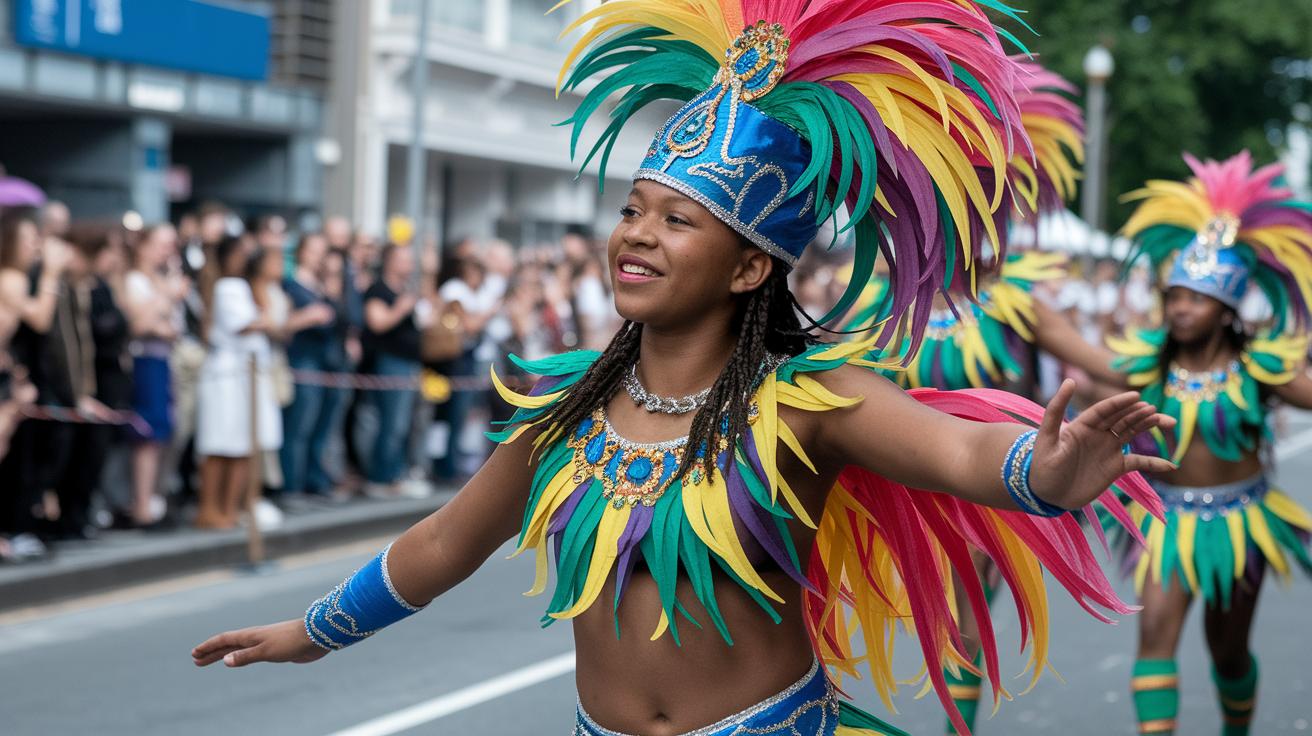
Carnival is a time when people really express themselves and celebrate the roots they come from. Young folks feel a strong connection to their heritage while dancing to the upbeat sounds of steelpan (a type of drum made from metal barrels) and calypso (a lively style of Caribbean music). Colorful costumes and playful parades turn the streets into a lively classroom where traditions come to life.
For many Caribbean youth, carnival isn’t just a big party. It’s a chance to mix youthful creativity with a deep sense of cultural pride. The fun and wild atmosphere of mas bands (groups that dress up in dazzling costumes) and j’ouvert parades gives young people a place to explore customs passed down from indigenous, African, and European roots.
- Keeps the old music alive with the beats of steelpan and calypso
- Lets dance and festival traditions shape how they see themselves and their community
- Brings friends together through shared Carnival rituals
- Encourages a fresh twist on old stories and legends
- Builds community pride with every colorful performance
These moments help young attendees build a strong sense of who they are. By blending old rhythms with modern energy, carnival becomes a welcoming space where self-expression and friendship grow. Every beat and every step in the parade adds to a heartfelt story that keeps Caribbean identity vibrant and alive.
Historical Context of Caribbean Carnival and Youth Identity
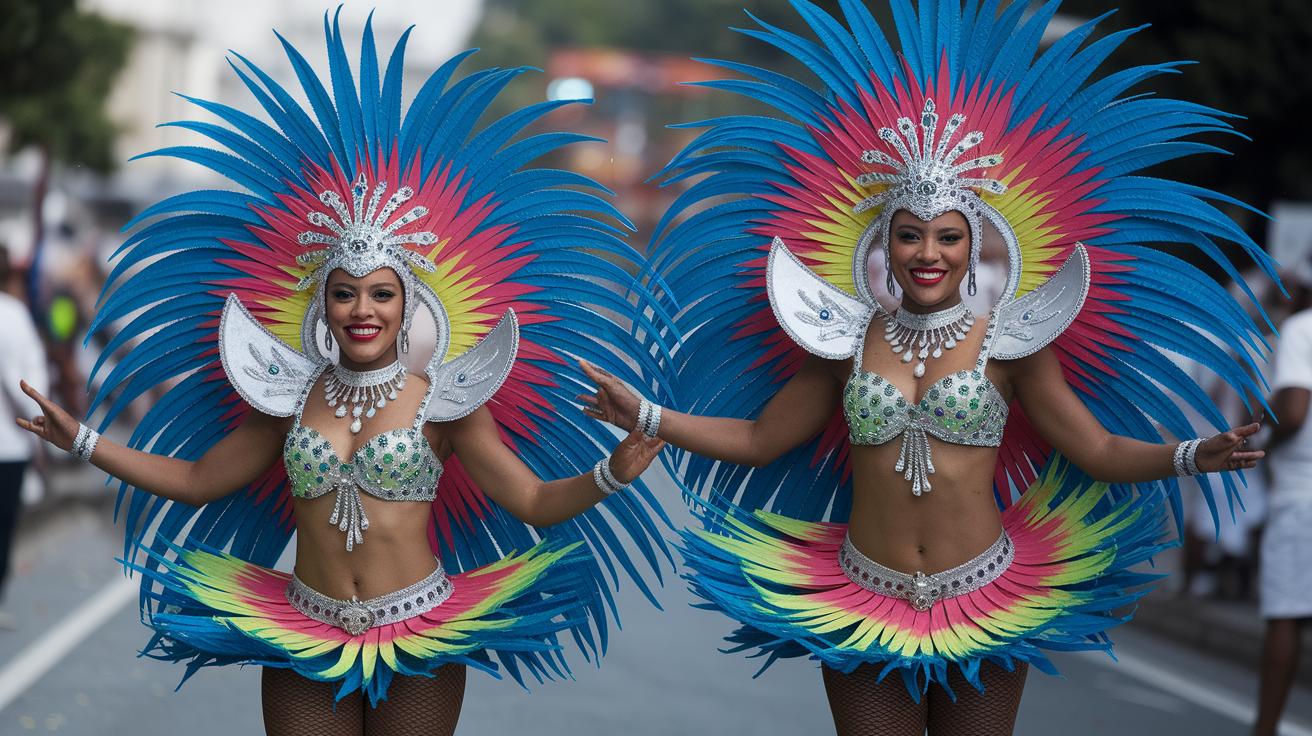
Caribbean Carnival started when freed Africans turned colonial masquerade events into colorful celebrations of their own culture. Back in the late 1700s and early 1800s, they transformed fancy French masquerade balls into lively parties that celebrated a new sense of identity. The bright colors, upbeat music, and joyful dances helped them push back against old rules and told a story of reclaiming their own traditions. Every rhythmic beat and sparkling costume showed their strong wish to shape their cultural story, much like a local storyteller sharing a secret with a friend.
Over the years, organized mas bands and early morning j’ouvert parties brought old African drumming styles back to life. By the mid-1900s, young people had grown to love these spirited traditions, especially when big events like Toronto’s Caribana (1967) brought the islands’ flavor to new places. This spread of Carnival let Caribbean youth mix the old with a new burst of energy, igniting a fresh sense of pride. Today, the festival continues to evolve with each generation, keeping the island spirit alive in every beat and dance.
Rituals, Symbols, and Ethnic Expression in Youth Carnival Participation

The carnival is filled with vibrant traditions that trace back to African rituals mixed with a hint of playful colonial satire. Young folks dive into the celebration by blending old indigenous customs with fresh, lively twists, creating a festival that feels both creative and deeply rooted in history.
Masks and body paint become magic tools that let these youngsters reinvent themselves. They pick fun symbols like horned devils and river nymphs to break away from rigid social roles and share stories of their ancestors. Slipping on a mask gives them a brief escape from daily labels, opening up a world where modern life meets timeless art.
When everyone joins in, these shared celebrations bring Caribbean youth closer together. Organized mas bands and interactive parades help them recall collective memories handed down through generations. These moments spark lively talks about past struggles while boosting pride in their unique culture. Every performance is a step toward weaving a rich, shared cultural identity.
Music and Dance as Tools for Youth Self-Perception at Carnival
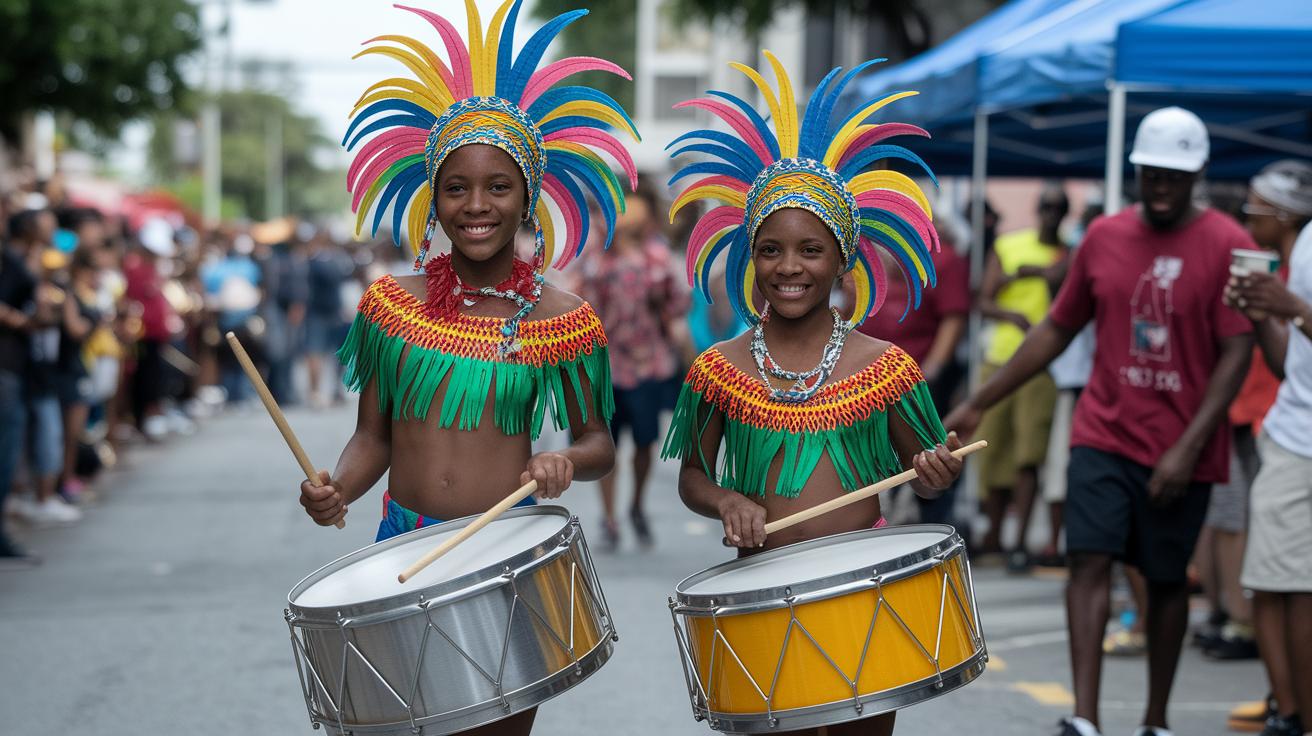
When Carnival kicks off, the island comes alive with a mix of calypso, soca, reggae, salsa, and merengue. These tunes are like a warm Caribbean hug that fills the air and lights up young hearts. The steady beat of the steelpan and the lively drumming connect everyone to a rich past full of strength and stories. At mas camps, kids remix old calypso lyrics with fresh ideas, giving old traditions a new twist. It's like the music is calling out to honor the elders and make history come alive in a brand new way. Even reviews from local cultural experiences point out how music workshops help bridge the gap between old and new.
Dance follows right on the heels of that vibrant music. Every step in the parade or playful dance in a mas camp tells a personal story. Young dancers use their moves to share feelings that sometimes words just can't catch. Their creative routines mirror changing views in society, letting them drop subtle hints about big issues like climate change and social fairness while still celebrating their roots. Dance becomes its own language, filled with hope and a spirit of innovation.
Mixing different styles of music and dance gives these young performers a unique chance to reshape how they see themselves. By blending old rhythms with new beats, they break free from traditional limits and create symbols that show both their challenges and dreams for the future.
Costume Design Mastery and Creative Expression Among Caribbean Youth

Mas camps are lively places where young people come together to learn fun skills like pattern-making and color theory. In these creative studios, budding artists get hands-on practice with beadwork and clever ideas using recycled materials. It feels like a playful mix of old traditions and modern craft.
These creative spots invite youngsters to play with ideas that blend old symbols with city style. Mentors guide them on techniques like fabric folding and stylizing motifs, turning costume design into a fun art lesson. The kids take everyday supplies and transform them into beautiful pieces that share a unique story of their identity and roots.
Young innovators are changing the look of Carnival with daring designs that mix local flavor and a modern twist. They use inventive methods to join handcrafted details with new making techniques, creating costumes that capture the deep, layered Caribbean spirit. Their work not only honors a rich past but also pushes the art of self-expression to exciting new heights. Each costume becomes a wearable work of art that celebrates youth, passion, and pride in Caribbean culture.
Social Cohesion Practices and Peer Tradition Adaptation in Youth Carnival Culture

Young Carnival lovers get a hands-on taste of tradition through lively mas bands and steel orchestras. Local drummers and dancers, with years of experience under their belts, share their beats and moves in casual mentoring moments. This down-to-earth vibe fills everyone with a strong sense of pride and respect for their cultural heritage.
Local groups then take these age-old customs and give them a fresh twist for their own neighborhoods. Whether it’s joining a rousing j’ouvert (a pre-dawn street party) or leading a joyful road march, young people add a local flavor that feels uniquely theirs. Each drumbeat and dance move weaves together past memories and new friendships, turning tradition into a vibrant celebration that all generations can enjoy.
Beyond these close-knit settings, events like Caribana show how these practices tie into a larger Caribbean identity. Young people from all walks of life come together in energetic celebrations that stretch far beyond the islands. This mix of cultures builds a global sense of connection, making everyone feel part of a rich, shared story.
Contemporary Challenges and Emerging Perspectives in Carnival’s Youth Identity Journey

Many people in Carnival circles feel that pushing for profit can water down the true spirit of the festival. They worry that in today’s flashy market, the ancestral traditions sometimes take a back seat to more commercial events.
Digital platforms now add a mix of benefits and challenges for Carnival heritage. On one hand, these tools give more people a chance to join in and let young voices help shape a modern cultural scene. On the other, some folks argue that online interactions can feel shallow and might pull youth away from cherished rituals. Youth leaders and community members are turning to social media, as noted in the article "social media and caribbean cultural preservation", to spark interest in traditional dance and to discuss old customs in new ways. Their online efforts are opening up fresh conversations on how to keep deep-rooted practices alive in this fast-paced digital age.
New ideas are taking root to bring Carnival back to its authentic, youth-led tradition. Organizers and cultural storytellers are reviving age-old rites and creating grassroots mentorships to ensure that every vibrant beat and color of Carnival is passed down with care to a new generation.
Final Words
In the action, Carnival lights up youth identity. It brings together colorful costumes, lively music, and creative expressions that reaffirm ethnic roots and spark new self-perception.
This celebration becomes a hands-on lesson in community and shared heritage. The cultural impact of caribbean carnival on youth identity is clear, each event is a vibrant reminder of the island’s soul, inspiring personal pride and group unity. We leave with a warm smile, eagerly anticipating the next burst of festivities.
