Ever wonder if what we call tradition is just a memory or something alive and well in the Caribbean today? In the Caribbean, age-old customs mix with fresh ideas, creating a story that surprises and delights. Think of it like a tropical salad where familiar flavors get a fun twist, showing off both deep history and a lively modern vibe. In this post, we explore how the islands’ past and everyday life come together to shape an identity that keeps growing and inspiring.
Scholarly Analysis of Identity and Tradition in Caribbean Cultural Narratives
Caribbean cultural stories are like a colorful patchwork that shows how many different people, from indigenous roots and European touches to African influences and global migrations, have woven together a unique way of life. When we chat about Caribbean culture, it isn’t just about the lively music or bright festivals; it’s also about the deep memories and history that have been passed down over generations.
Scholars often point out that this mix of influences creates a special kind of identity and a modern way to express old traditions. It’s similar to putting together a tropical salad: you start with familiar ingredients and mix in a few surprises to create a refreshing new flavor. Written works, personal stories, art, and historical accounts all work together to tell a rich, ongoing story of the islands.
Below is a simple breakdown of common ways Caribbean identity is explored:
| Story Type | What It Brings |
|---|---|
| Literary Works & Essays | Words that mix old traditions with new ideas |
| Oral Storytelling & Folklore | Spoken tales that capture the island’s heartbeat |
| Visual & Performing Arts | Art that makes history and customs come alive |
| Historical Accounts & Memoirs | Personal memories showing past struggles and triumphs |
Each of these expressions tells us a part of the Caribbean story, reflecting a dynamic identity that is always evolving. Next, as new voices add their chapters, the Caribbean narrative continues to grow, rich, ever-changing, and as warm as a sunny day on the beach.
Historical Foundations of Caribbean Cultural Identity and Tradition
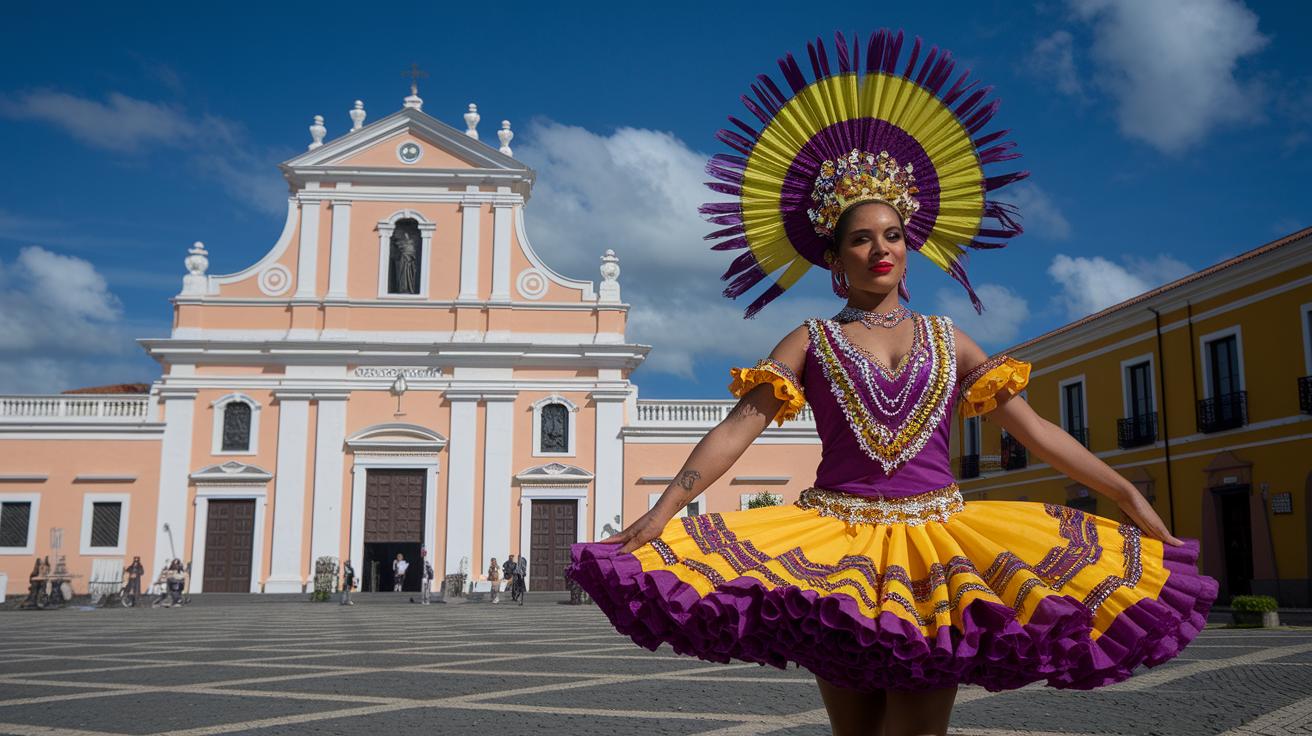
In the Caribbean, a blend of indigenous traditions, European influences, the rich heritage of enslaved Africans, and newer migrant cultures have come together to create a vibrant cultural tapestry. Imagine native communities, steeped in age-old rituals and spiritual beliefs, setting the stage long before European arrival. Then, as colonizers introduced different ways of living and social rules, and the enforced migration of Africans brought along mesmerizing oral stories and ceremonial practices, a unique and lively identity took shape.
Look around and you'll see it everywhere, majestic Spanish cathedrals in San Juan and the bright pastel streets of Curaçao echo a European past. At the same time, the sounds of African drums, dancing, and storytelling fill the local air like a heartbeat. These elements, mixed with indigenous customs, create a narrative of survival and transformation that continues to evolve. It's a rich, layered story that shows what it truly means to be Caribbean, blending the old with the new in a rhythm all its own.
Literary and Oral Storytelling Traditions in Caribbean Cultural Narratives
Caribbean books and writings mirror the blend of languages in the islands, from English and Spanish to French, Dutch, and Creole. Writers choose words that let you almost feel a warm breeze carrying a hint of saltwater while you imagine the sparkling sea. One story might say, "The light drizzle mixed with tropical scents as people wandered through lively markets under a beaming noon sun," blending history and heart in every word.
Oral storytelling, on the other hand, brings people together with spontaneous and rhythmic talks that feel full of life. Elders and local voices share old legends and memories in a way that turns simple words into living stories. Imagine sitting under a night sky, listening to a familiar voice spin tales of brave heroes and secret coves. See the table below for a quick look at the key differences between these two storytelling styles:
| Attribute | Literary Works | Oral Storytelling |
|---|---|---|
| Style | Carefully crafted with touching details | Spontaneous recitals full of rhythm and warmth |
| Medium | Books, poems, and essays | Folk tales, spoken histories, and community gatherings |
| Impact | Captures heritage and thoughtful insights | Creates shared memories and a strong community vibe |
This mix of storytelling forms shows how both written and spoken words add a unique touch to Caribbean culture, making each narrative a precious part of the islands' identity.
Artistic and Performative Expressions: Music, Dance, and Visual Arts in Caribbean Cultural Tradition
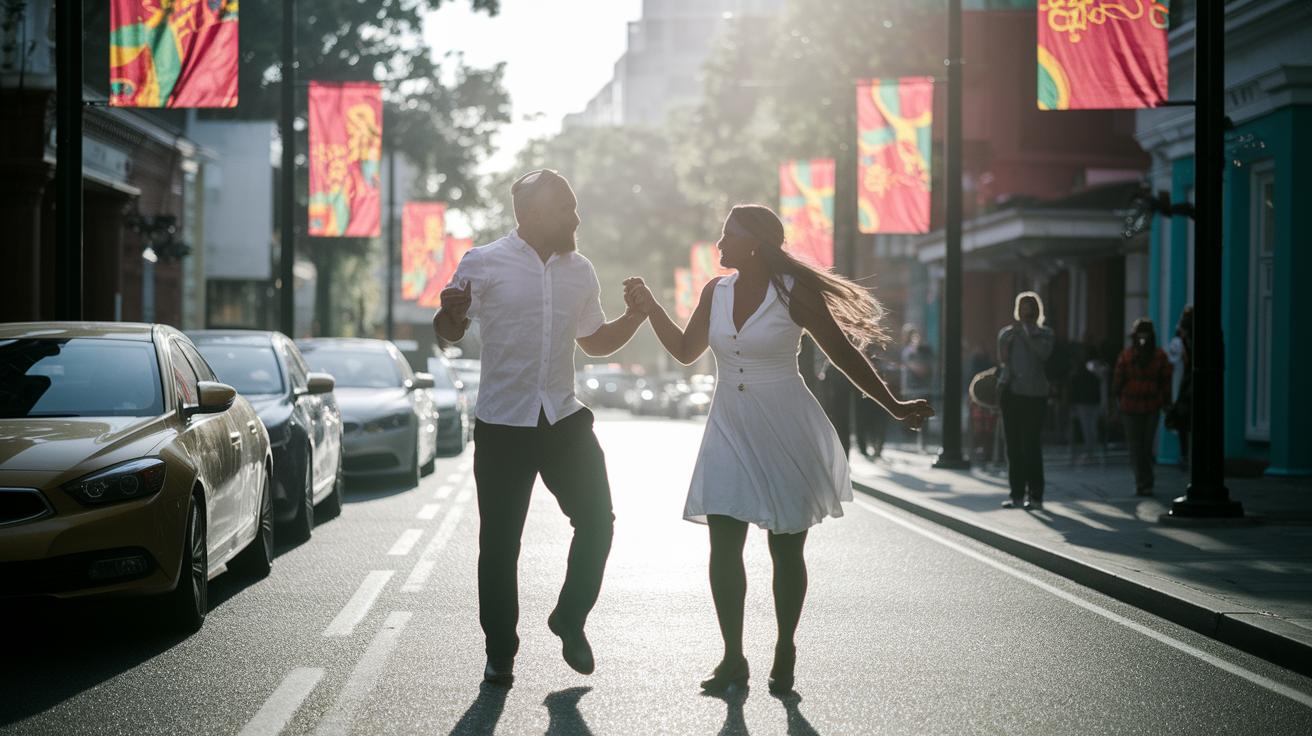
Music and dance in the Caribbean feel like a bright, sunlit celebration. Imagine being at a local gathering, feeling the warmth of the breeze while reggae, calypso (a lively style of music), salsa, merengue, soca, and steelpan rhythms merge into one unforgettable beat. Every note seems to carry stories of old and memories of family traditions. It’s like mixing a vibrant salad: a splash of soca here, a pinch of reggae there, all coming together to keep the island’s past alive.
Dance is more than just movement, it’s a way of speaking without words. When you join in, your body tells its own story, expressing feelings that words might miss. These dance moves capture the heartbeat of the islands and keep cultural traditions dancing through the generations.
Visual arts, including street art, add another layer to this rich tapestry. Paintings, sculptures, and pottery show us the natural beauty and history of the region. Imagine walking through streets where colorful murals burst with life. Bold colors and playful shapes blend old ritual symbols with the energy of modern city life. This art transforms everyday spaces into a living museum, inviting you to see the island’s spirit and feel its history in every brushstroke.
Festivals, Rituals, and Spiritual Practices Shaping Caribbean Tradition and Identity
Down in the Caribbean, you find a warm blend of Christian values with old African beliefs like voodoo and santería (a mix of African traditions and Catholicism). In cozy chapels and under starlit skies, neighbors gather for simple rituals that speak of hope and strength. Imagine a small village lit by flickering candles as soft chants carry on the breeze, a true picture of inner strength and belonging. Every day, these age-old customs remind folks of their roots, calling back to ancestors and the natural world. It’s like each prayer holds memories of past struggles and dreams for a brighter tomorrow. Ever feel that quiet power in a shared moment of prayer, as if the islands themselves are telling their story?
Festivals take these spiritual whispers and turn them into loud, joyful celebrations. They’re more than just fun parties; they show and shape the unique culture of each island. Think about Junkanoo in The Bahamas, where lively drum beats and colorful parades fill the streets every January. Then there’s Crop Over in Barbados, inviting locals and travelers alike to celebrate art and life during July and August. And in Jamaica, Reggae Sumfest in July grooves to the beat of the island spirit, drawing everyone into its magnetic vibe. These festivals, bursting with tradition and rhythm, clearly mark the heart and soul of Caribbean community life.
| Festival | Island | Month |
|---|---|---|
| Junkanoo | The Bahamas | January |
| Crop Over | Barbados | July–August |
| Reggae Sumfest | Jamaica | July |
Diasporic and Contemporary Narratives: Modern Caribbean Identity through Global Lenses
Caribbean diaspora groups carry a piece of their home wherever they go, sharing memories and traditions through stories, memoirs, and digital posts. They keep the warmth of familiar beaches and family recipes alive even when oceans separate them from the islands. Every shared family tale or culinary tip feels like a friendly chat that connects people around the world, blending rich memories with new influences.
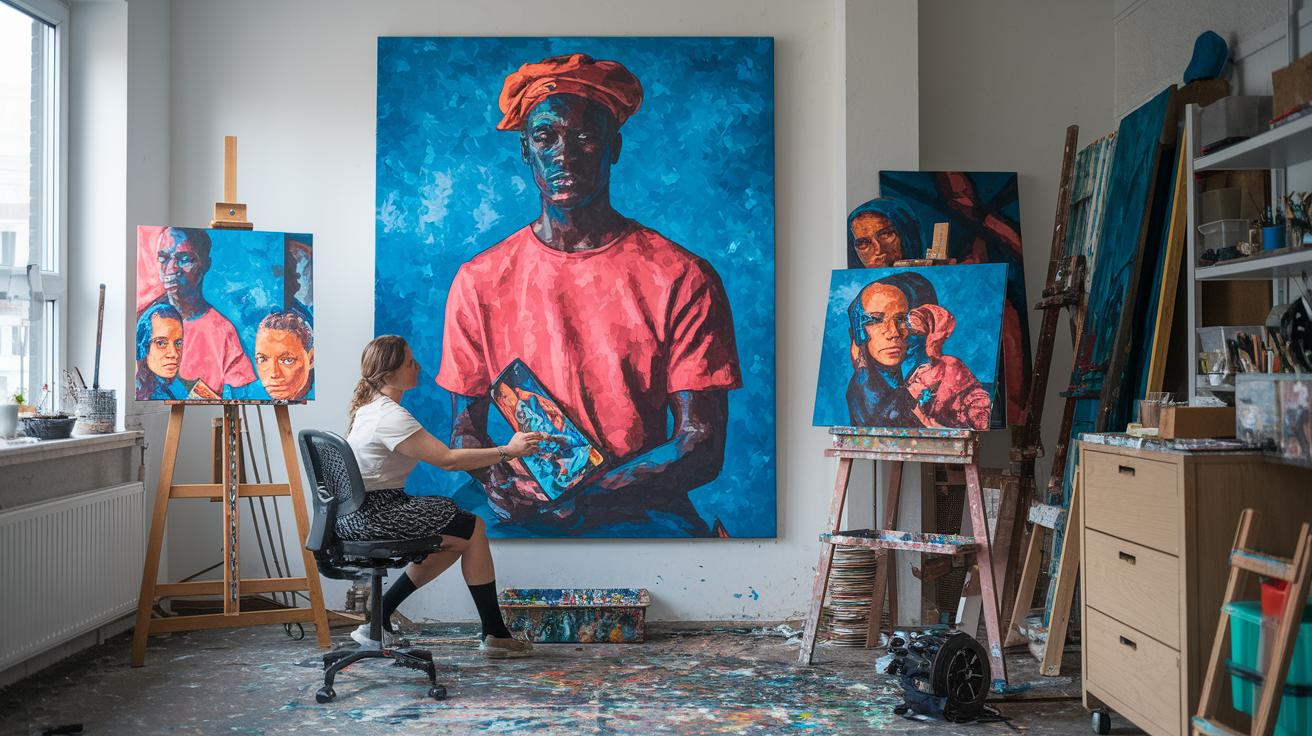
Local artists and storytellers add fresh layers to this ongoing conversation about Caribbean identity. Picture a painter combining the vibrant colors of tradition with modern digital artistry or a writer reimagining old folktales in an online space. These creative exchanges honor the past while welcoming exciting new ideas, inspiring unity and change in communities across the globe.
Final Words
in the action, we took a look at the layers of academic insights that reflect the mix of native influences, colonial past, and modern diaspora touches shaping the region's spirit. We peeked into literature, music, rituals, and artistic displays that bring Caribbean heritage to life.
Each segment played its part to remind us that identity and tradition in Caribbean cultural narratives create a living, warm invitation to feel the true heartbeat of the islands.
FAQ
What does Caribbean shift mean as a theory of cultural identity for Caribbean people and the diaspora?
The Caribbean shift redefines cultural identity by merging local traditions with migrant influences, blending indigenous, African, and European elements into a unique and evolving cultural narrative.
What resource provides a comprehensive history of the Caribbean in PDF form?
The History of the Caribbean PDF offers a detailed overview of colonial influences, indigenous culture, and migration patterns that have shaped Caribbean heritage and collective memory.
How do Caribbean literature and diaspora narratives connect?
Caribbean literature and diaspora narratives connect by preserving ancestral voices and reinterpreting cultural experiences through memoirs, storytelling, and digital platforms that echo vibrant community dialogue.
What is the difference between black African and black Caribbean identities?
The difference lies in distinct cultural roots, historical experiences, and influences that form separate traditions and practices, shaping unique local narratives in each community.
How has African heritage shaped Caribbean culture?
African heritage has shaped Caribbean culture by introducing rich oral traditions, rhythmic music, and ritual practices that blend with local customs to form expressive, dynamic cultural forms.
What is the legacy of slavery in the Caribbean and its quest for justice?
The legacy of slavery in the Caribbean impacts societal structures, collective memory, and identity while inspiring ongoing efforts for justice and recognition of historical hardships.
Was slavery worse in the Caribbean compared to other regions?
Slavery in the Caribbean involved severe hardships and exploitation, though its impact varies by region and is understood within complex historical and local contexts.
How did black people originally arrive in the Caribbean?
Black people arrived in the Caribbean primarily through forced migration during colonial times, where their labor and cultural contributions significantly shaped modern Caribbean society.
What defines Caribbean cultural identity, culture, and traditions?
Caribbean cultural identity is defined by a blend of indigenous, African, European, and migrant influences, expressed through language, arts, festivals, and rich storytelling traditions.
