Ever wonder how old money and colonial stories set the rhythm of island life? The Caribbean's lively spirit grew from simple economic beginnings that brought different people together. Imagine a neighborhood gathering where tough times mixed with joyful celebrations, creating beats you can still feel today. From the hard work in the fields to the dancing on vibrant streets, every moment shows hints of old work traditions that shaped the music, food, and art around you. This piece shares the story of how those roots still color the islands and the people who call them home.
Historical Socioeconomic Foundations of Caribbean Cultural Practices
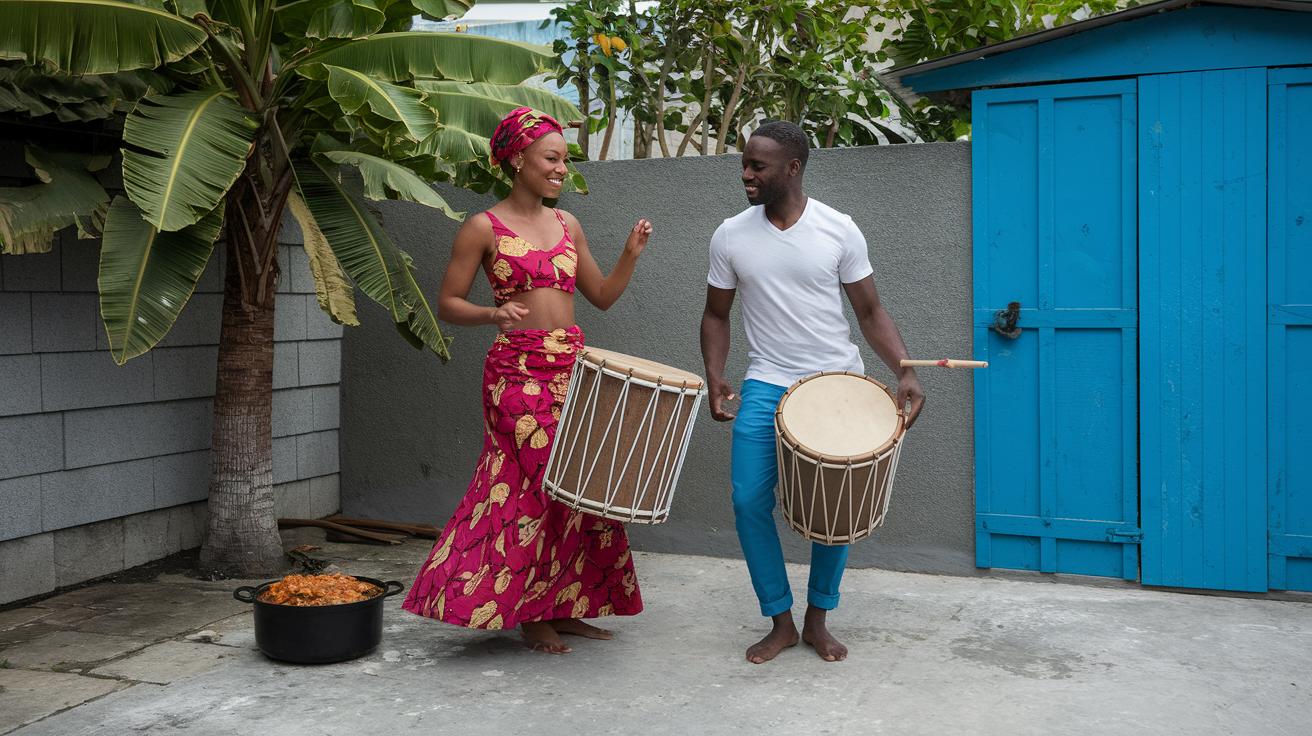
Centuries ago, colonization, the transatlantic slave trade, and waves of new immigrants mixed together to create a lively mosaic of cultures. This blend of various ethnicities, languages, and religions is the heartbeat of Caribbean music, dance, and the delicious food we enjoy today. For a closer look at how all these elements come together, you might want to check out the "definition of caribbean culture" on Caribiana.com.
Think about early family gatherings on the islands: the air filled with the spicy aroma of stewed meats and the steady beat of traditional drums. Back then, the hard work of colonial labor systems mixed with Indigenous influences helped shape new cultural traditions. In truth, the Caribbean was a place where different groups came together, creating unique rituals that still bring people joy today.
During colonial times, economic practices like cash crop plantations helped form strong social structures that have lasted through the years. These plantations not only boosted the economy but also set up the roles and hierarchies still seen in community life. Today, festivals, local cuisines, and art all pay tribute to these deep-rooted legacies.
The legacy of the Antilles and the painful memories of the slave trade have turned into rich cultural practices full of resilience. All those old socioeconomic factors provide the backdrop to the Caribbean's colorful traditions, showing how history can spark creativity and hope.
Colonial Economic Legacies in Caribbean Cultural Practices
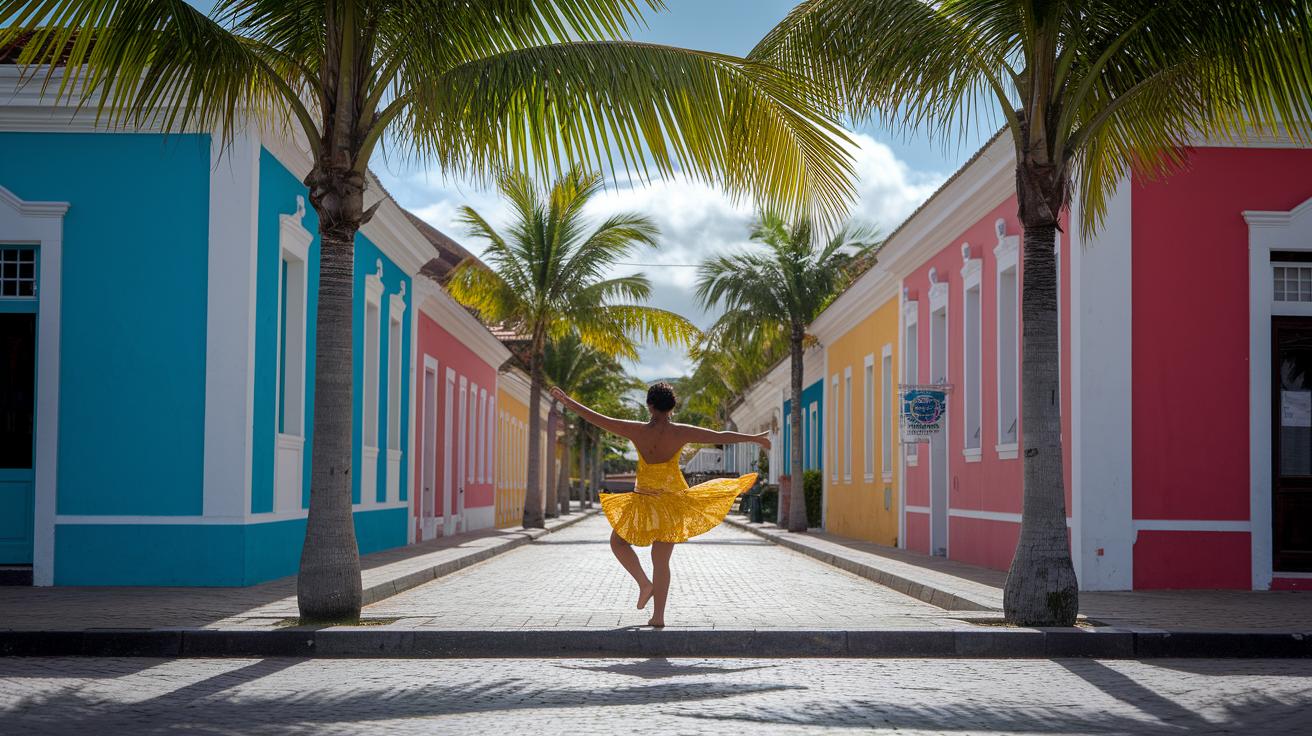
A long time ago, the plantation economy set up routines that still shape our Caribbean culture today. Back then, cash crops turned into steady cash flows, but that system also made people heavily dependent on it. Even now, the old labor networks blend work and art on the islands, and government help for cultural events often follows those same old patterns. Many cultural projects continue to rely on subsidies that have their roots in those early days.
When tourism took off, a trend encouraged even during colonial times, the flaws in that reliance became clear, especially during the COVID-19 downturn. Artists and cultural groups were stuck with few alternatives to the traditional subsidy system. Lately, public and private groups have stepped in, offering career advice, basic accounting workshops (classes to help manage your money), and marketing tips. These fresh ideas help artists earn a living in new ways and gain more independence.
Here are the key colonial economic legacies still influencing culture today:
| Legacy | Impact |
|---|---|
| Plantation System | It created a heavy dependence on cash crops for money. |
| Labor Networks | These networks influence how work and creativity mix on the islands. |
| Government Subsidies | Modern cultural events still use funding models that mirror old colonial patterns. |
| Tourism Reliance | A dependency on tourism shows its limits during hard times. |
This long history hasn’t just shaped the economy; it also colors the way culture blooms in the Caribbean. The mix of forced labor and later government support helped local traditions merge into unique cultural expressions. Imagine walking through a lively market or enjoying a vibrant festival, every moment holds a whisper of this deep history, filling the air like the warm Caribbean breeze.
Socioeconomic Stratification and Identity Formation in Caribbean Cultural Practices
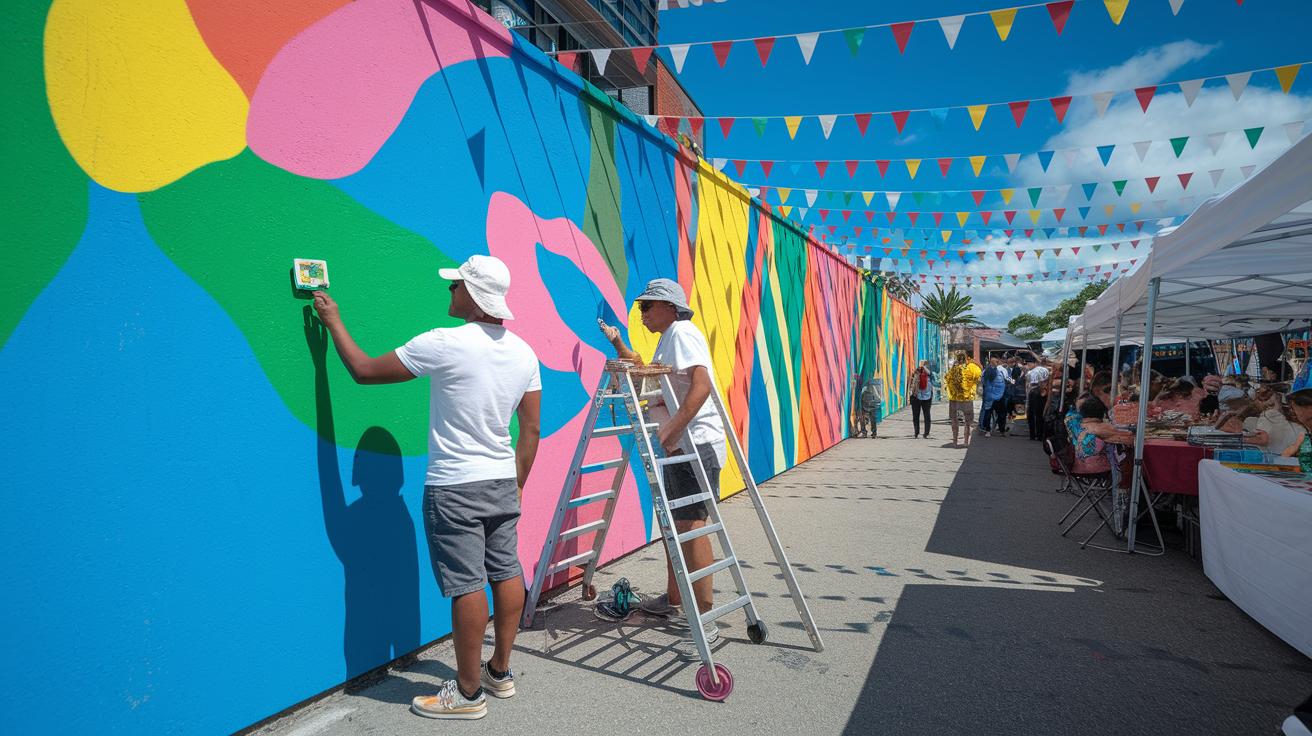
On many Caribbean islands, jobs linked to tourism pay very little, making it hard for locals to invest in art. There isn’t enough money for cultural projects, and artists often face slow, clunky systems that hinder their work. This means many talented people struggle to turn their creative ideas into art that showcases the true mix of voices in the West Indies.
In local communities, informal groups hold cultural activities together. You can see this in bustling street festivals and craft markets where art and performances appear spontaneously. Still, these friendly networks rarely bring steady financial support. Formal groups often secure more resources, leaving grassroots projects underfunded. This gap means some traditions get highlighted because they match tourism expectations, while other genuine expressions are left behind.
Economic differences also shape how cultural identities are formed and kept alive. You see class distinctions in the variety of art and celebrations across the islands. Those with more resources tend to host events that attract media attention and bigger budgets. To learn more about how these differences impact art, check out some key features of Caribbean culture at the link provided. In truth, the mix of economy and creativity creates a lively but sometimes tricky balance between culture and class throughout the Caribbean.
Migration and Diaspora Influences on Caribbean Cultural Practices
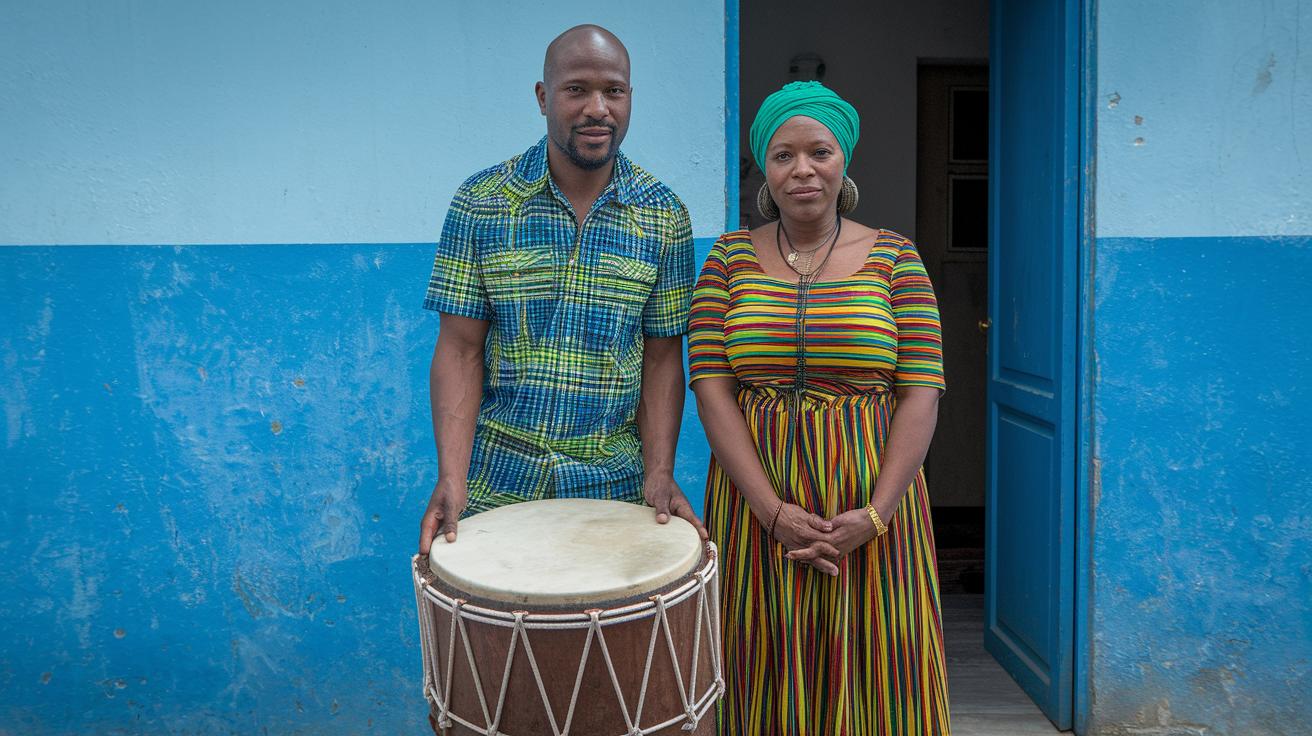
Caribbean communities living abroad play a big role in keeping the vibrant culture of their homeland alive. Family members across the globe send money to support local festivals, fund craft projects, and keep traditional music thriving. Even while living far from the warm islands, many keep strong ties to their roots, ensuring that their rich heritage continues to grow.
Diaspora networks have a special way of breathing new life into old traditions. For example, Haitian-Canadian Dr. Yvette Bonny made a breakthrough in medicine back in 1980, showing that Caribbean talent can shine both at home and abroad. Events like Ti Vilaj Kwéyòl spark creative exchanges that cross borders, reminding us that culture is always growing. Today, digital platforms offer young people overseas a cool space to mix modern beats with traditional rhythms, creating a blend that feels both fresh and genuine.
Some key factors driving the diaspora’s influence include:
| Factor | Impact |
|---|---|
| Remittance-funded festivals | Boost local art and cultural events |
| Transnational cultural exchanges | Bring fresh ideas and creative energy back home |
| Online heritage spaces | Youth remix traditional music and storytelling |
| International feedback | Enhance authentic cultural experiences |
In truth, migration isn’t just about moving from one place to another, it’s also about nurturing a vibrant cultural spirit. Remittances, digital tools, and global feedback all work together to keep Caribbean cultural practices lively and ever-evolving.
Tourism’s Economic Influence on Caribbean Cultural Traditions
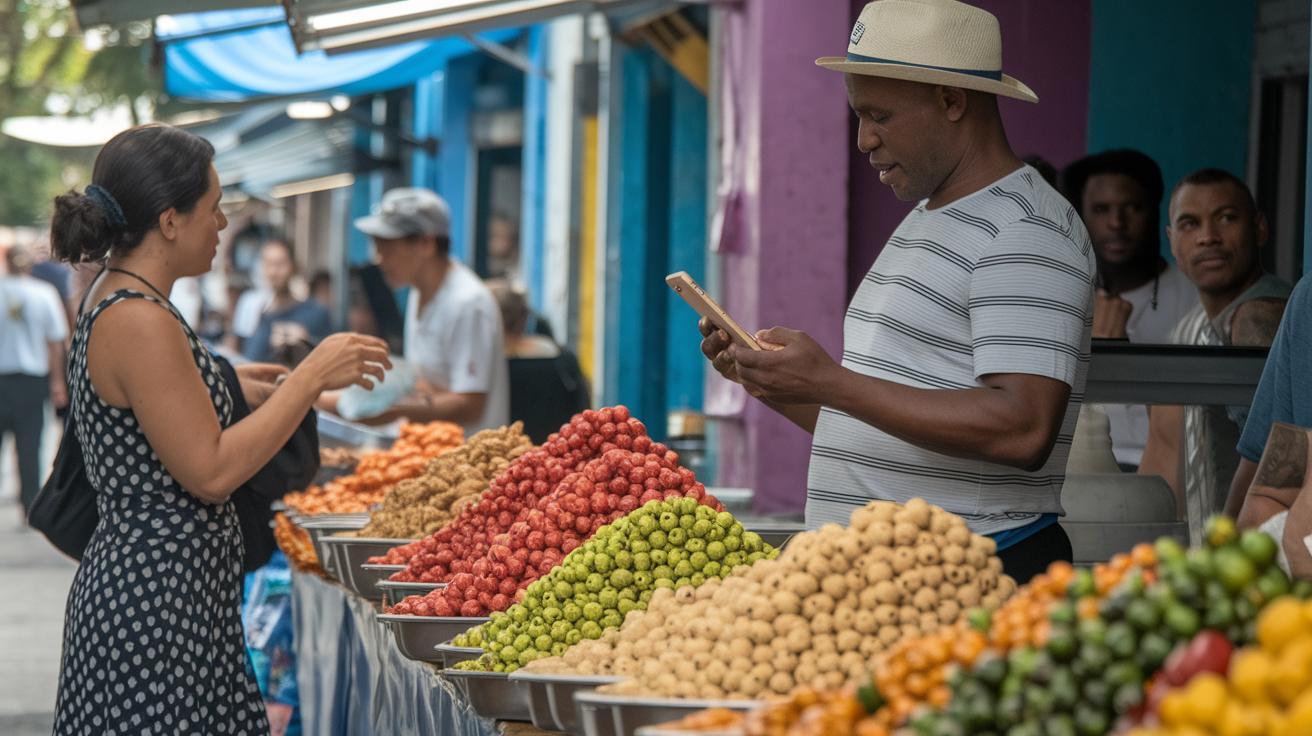
Tourism has always been a big part of life in the Caribbean, helping create jobs and lifting families out of poverty. Picture a bustling street market where you can smell spicy local foods and hear cheerful music in the background. Money from visitors helps local artists, craftsmen, and families keep their beautiful traditions alive.
But there’s another side. When communities lean too much on tourist dollars, their unique traditions can start to feel like a stage show, made just to impress visitors instead of celebrating genuine local culture. This sometimes means that traditional crafts and performances lose the special spark that once made them so meaningful. And when COVID-19 hit and tourism dropped, many communities felt the strain as their main support for cultural life dried up. It’s a clear sign of how risky it can be to depend so much on outside money.
A great way to keep things balanced is to focus on heritage events that truly reflect local culture. By hosting genuine celebrations that showcase local talent, both residents and visitors can enjoy an authentic taste of Caribbean life. This approach not only boosts the economy but also keeps traditions true to their roots, ensuring they remain a heartfelt part of everyday community life.
Globalization and Digital Shifts in Caribbean Cultural Practices
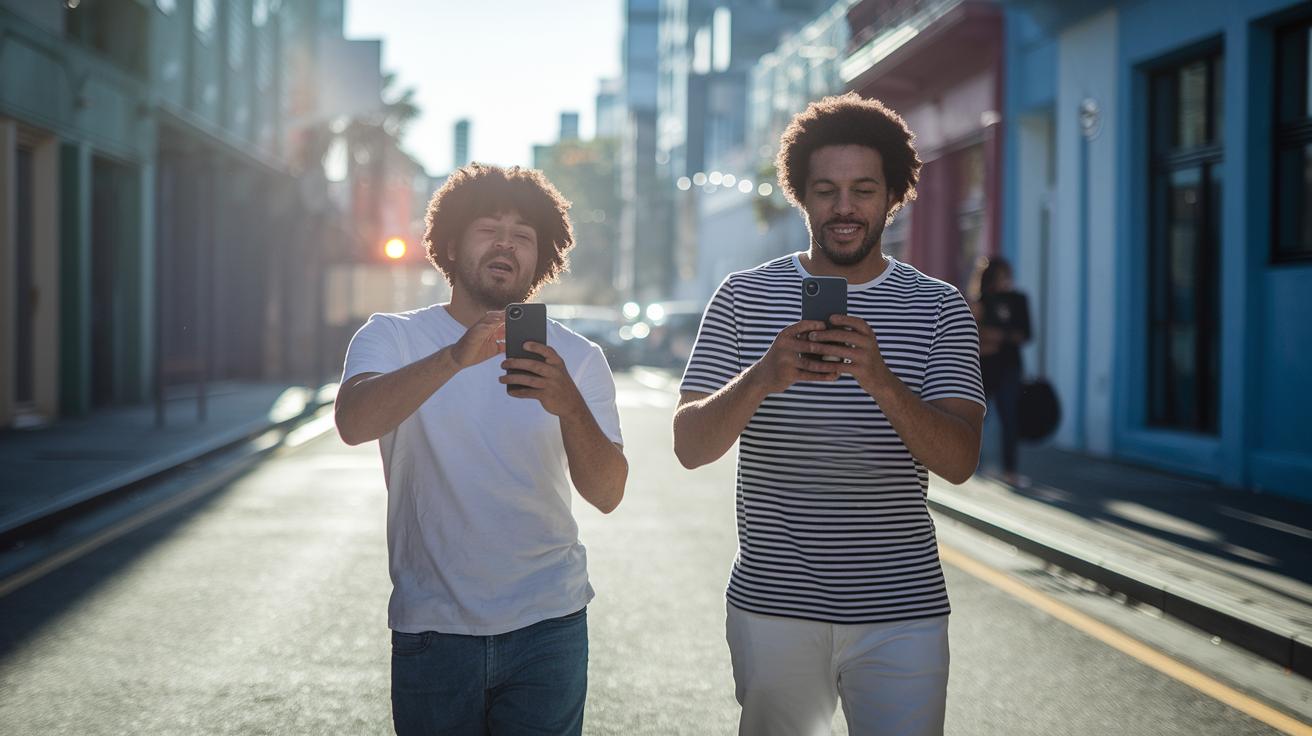
Young folks in the Caribbean are soaking up ideas from beyond their islands. With social media, podcasts, and streaming music platforms, the digital age is adding fresh colors to old traditions. Local artists now mix classic rhythms with modern beats, giving age-old stories a new twist.
Many people are now sharing their tales through online festivals and storytelling podcasts. In the past, conversations happened face-to-face, but now these stories reach a global audience. Digital tools let local art travel far and wide, showing just how much global trends shape the region. That said, challenges remain. Limited venues for live shows push many creators to go digital, and issues like scarce funding can make it tough to keep traditional art thriving online.
Caribbean culture keeps evolving as global ideas blend with time-honored art. New digital spaces are reshaping storytelling and music, letting young voices revive cherished traditions while embracing a fresh, innovative future.
Community Resilience and Heritage Preservation in Caribbean Cultural Practices
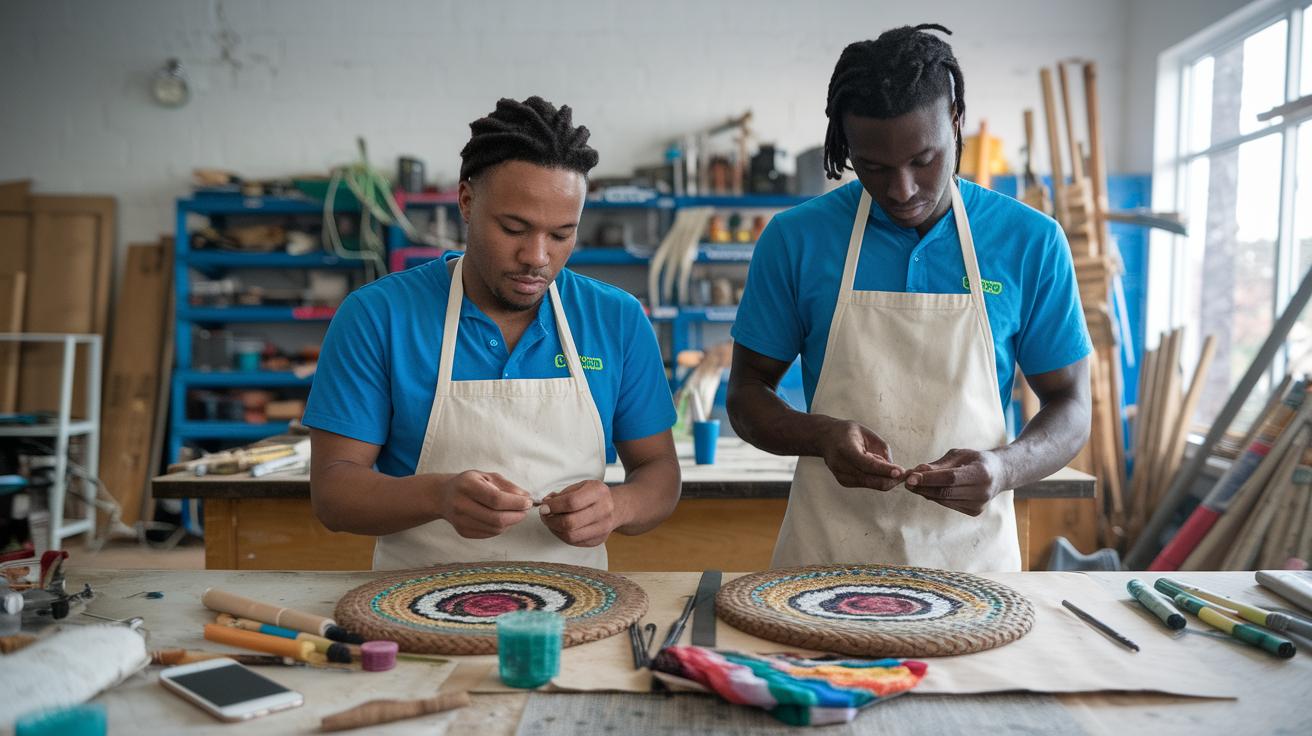
Caribbean communities are keeping their traditions alive with creative, hands-on approaches. They mix efforts from local groups with help from both public and private partners to create opportunities for artists. Ever wonder how local makers can earn a living while celebrating their roots? They do it by offering fun workshops in things like accounting and marketing (so artists can handle their money better), which means they rely less on scarce government funds.
Then there are events like Ti Vilaj Kwéyòl, happening from October 20 to 23, 2025. Adults pay EC$10 and children EC$5, though schoolkids get in for free. These events are perfect examples of how heritage builds a unique kind of tourism where culture and community meet. For extra details, check out the Guide to Caribbean Festivals and Events.
Small towns such as Mayreau, home to about 300 people, show how powerful cultural traditions can be. In these close communities, every festival and craft sale feels like a warm group hug, reviving old customs and strengthening local bonds. Whether it’s traditional music or iconic crafts, each celebration weaves together past and present.
Key resilience strategies embraced by Caribbean communities include:
- Local Talent Development: Celebrating traditional art at community festivals and cultural events.
- Capacity Building Initiatives: Hosting workshops where artists and cultural workers learn practical skills.
- Public-Private Partnerships: Joining forces with government and private investors to support creative projects.
These smart methods help communities hold on to their heritage while handling modern challenges. They show that even in tough times, the vivid, colorful spirit of Caribbean culture can shine through.
Final Words
In the action of exploring the layers behind Caribbean culture, we've examined everything from historical socioeconomic foundations to how tourism and digital shifts shape lively traditions every day. We highlighted the blend of past legacies with modern resilience through local artistry, ethical travel practices, and community-led festivals. This rich interplay showcases significant socioeconomic influences on caribbean cultural practices that continue to mold the region's identity. Embrace the vibrant blend of influences and look forward to more sun-drenched, memorable trips ahead.
