Ever thought about how Caribbean music turns tough times into art? Back in the day, folks who faced hard lives and native communities mixed their heart and hope into every beat. Their chants, claps, and makeshift rhythms told a story of strength and pride that still fills the air at Caribbean celebrations.
This music is like the heartbeat of the islands, a mix of history, passion, and a touch of magic. Each note carries memories of resilience and a promise of freedom. So, why not join us as we wander through the past and see how these ancient sounds helped create a legacy of spirit and liberty?
African and Indigenous Foundations of Caribbean Ritual Music
Back in the early 1800s, enslaved Africans in Trinidad started turning everyday life into a powerful display of culture and strength. With no traditional instruments at hand, they relied on their voices, bodies, and everyday items to create rhythms. Think about the Kalinda dance, where each movement told a story, or the lavways chants that filled the Trinidad streets with life. These early beats still shine through in Caribbean ritual music today.
West and Central African drum patterns mixed with the natural sounds of indigenous drums to form a unique musical language. Look at Dominica’s lapo kabwit or Haiti’s rara bands, they turned music into a way to connect and invite spiritual energy. Even though European sounds later added a twist, the core remains in these ancestral beats. Enslaved Africans not only passed on their rhythms and chants but also laid the groundwork for Carnival, a joyful celebration of freedom and community spirit.
Long before European influence, native traditions filled the islands with songs that celebrated nature. These ceremonies, filled with earthy sounds, blended perfectly with the rich African rhythms brought over by the diaspora. It’s like each note was a heartbeat, keeping their heritage alive under the toughest conditions.
When you check out the "definition of caribbean culture" on Caribiana.com, you see a mix of ancient calls, community celebrations, and deep spirituality. Music became more than just sound, it was a way to reclaim identity and assert freedom. Here’s a quick look at what forms this unique sound:
| Early African Roots | Indigenous Contributions | The Blended Expression |
|---|---|---|
| Body rhythms, vocal chants, and found-object sounds | Earthy, natural sounds from native ceremonies | A unique musical blend that shapes today’s Caribbean sound |
This fusion of traditions stands as a living tribute to music's role in uniting identity, celebrating survival, and elevating culture to magical new heights.
Caribbean Ritual Music: History and Evolution Lifts Culture
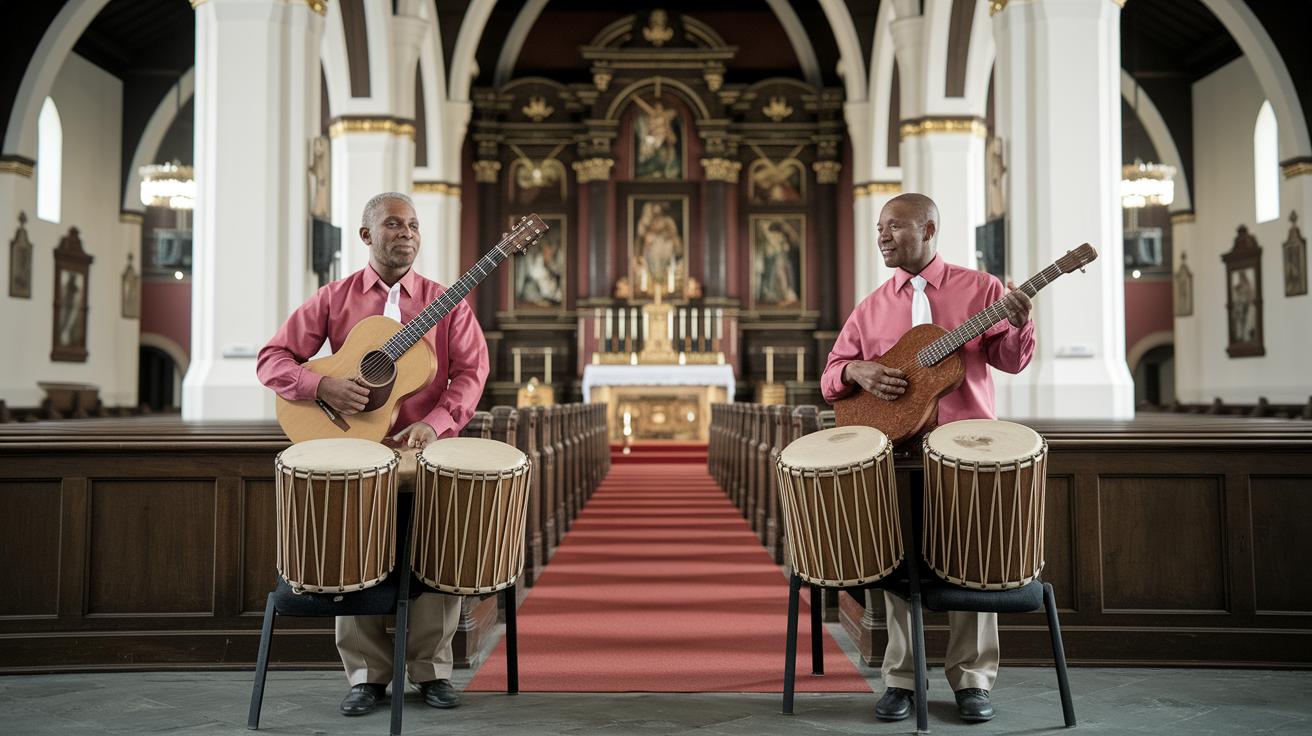
When Europeans arrived in the Caribbean, everything changed. The Spanish, French, and British brought their own church music, complete with new tunes and hymn styles. The enslaved people, who held on to their deep-rooted musical traditions, mixed these new church sounds with their beloved ancestral songs. It wasn’t just copying, it was like a friendly chat between two different musical worlds, creating a sound all its own.
Church hymn patterns slowly turned into lively, rhythmic chants used in practices like Vodou and Santería (a religion that blends West African customs with Spanish influences). Over time, a forced adaptation grew into a heartfelt symbol of hope and identity. The result was a sacred mix that felt both new and beautifully familiar. Every note carried a whisper of an old story, blending native beats with European harmonies in a way that told the rich history of the islands.
In these vibrant ceremonies, music became a clear sign of strength and new beginnings. The blend of sounds not only met spiritual needs but also challenged old traditions and celebrated newfound freedom. Ever noticed how every chant and hymn shares its own tale of transformation when you dive into Caribbean cultural values and traditions? This unique mix of European church tunes and native rhythms sparked a lively evolution that still fills modern Caribbean celebrations with energy and soul.
Evolution of Percussion and Tropical Drum Heritage in Ritual Music
Percussion has always been the heart of Caribbean ritual music, filling ceremonies with a lively, contagious energy. Back in the 1930s in Port of Spain, locals took old oil drums and turned them into the steelpan. It’s amazing how a bit of resourcefulness could transform a simple item into an instrument that reshaped ceremonial music.
Traditional drums like Dominica’s lapo kabwit, Haiti’s rara, and the Haitian Petro drums each bring their own flavor to sacred ceremonies. Lapo kabwit drums offer a deep, earthy beat, while rara drums deliver quick, vibrant rhythms that remind you of bustling street festivals. In many ceremonies, the thumping beats echo like the voices of ancestors, filling the island air with history and spirit.
Then, in the 1970s, soca music burst onto the scene. By blending calypso with chutney, soul, and funk, soca added a fresh twist to traditional percussion, injecting new energy into old rhythms. Today’s ceremonies mix these timeless beats with modern vibes, keeping the tropical drum heritage vibrant and alive.
Every drumbeat tells a story, holds a memory, and promises the continuation of cherished traditions, making each ceremony a living celebration of the Caribbean spirit.
Vocal Invocations and Sacred Chant Evolution
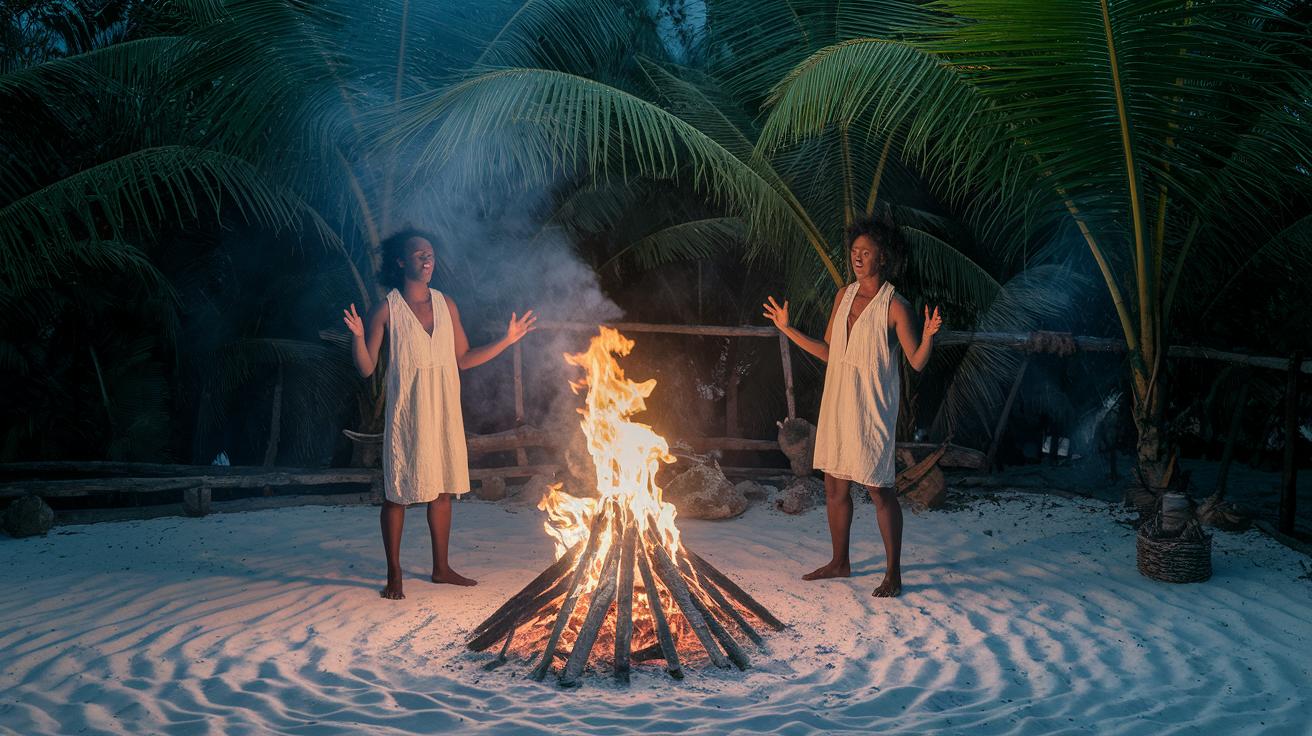
Caribbean vocal rituals started as raw and simple chants, echoing the calls of early spiritual gatherings. In Trinidad, a style called lavways began as spontaneous outbursts, with every word carrying hope and a touch of defiance. Over time, these chants grew into well-formed songs used in sacred ceremonies. Imagine a little spark that grows into a warm, glowing fire, with each note sharing a secret story.
Across the islands, call-and-response traditions found in Haitian Vodou and Santería added an interactive beat to these sacred invocations. One voice would start a chant and many would answer, creating a lively conversation of sound, much like neighbors sharing news on a sunny day. Slowly, these simple expressions built into more elaborate chants that still honor the old rituals today.
| Early Chants | Modern Forms |
|---|---|
| Spontaneous incantations and lavways | Structured hymns and call-and-response practices |
Each vocal tradition carries centuries of memories, keeping alive the heartbeat of ancient rites while celebrating the changing spirit of today’s Caribbean culture.
Contemporary Transformation of Caribbean Ritual Music
Caribbean artists are giving classic sounds a fresh twist with modern digital recording and remix tools. Legends like Machel Montano and Alison Hinds mix familiar percussion with crisp digital beats, bringing the islands’ beloved rhythms to audiences everywhere. For instance, Machel Montano layers sequenced percussion over well-known steelpan sounds, making old tunes feel fresh and full of life.
Social media and streaming platforms now play a huge role in spreading these vibrant sounds. Artists share new remixes and live sessions that blend traditional instruments with today's production magic. It’s a bit like updating a treasured family recipe with a dash of digital spice, keeping the old flavors intact while adding a modern twist.
This exciting change is also fueled by urban music trends and a lively global conversation about culture. Imagine a musician saying, "It's like applying a modern filter to a classic portrait, revealing timeless beauty in bright, unexpected colors."
Ethnomusicological Analysis and Archival Study of Caribbean Ritual Music

Imagine dusty vinyl records playing the mellow beats of Trinidad steelbands from the 1950s, the soulful chants from Haitian Vodou ceremonies, and the lively rhythms of Puerto Rican Bomba sessions. Each recording is like a little window into island life, letting you hear the heartbeat of the Caribbean. Researchers sit down with these sounds, listening to how the beats, chants, and melodies change over time, it's like the islands are whispering their stories to you.
Next, experts take a closer look at musical rituals in celebrations like Santería, Vodou, and Kalinda traditions. They break down what they hear: steady beats, call-and-response patterns (a technique where one singer starts and others follow), and special drum rhythms that give each style its unique flavor. One study even pointed out how a fast, cheerful chant followed by a slow drumbeat creates a cool mix of energy and calm. It's all about finding that perfect balance between defiance and celebration.
Then there are the archival studies. Scholars gather old live recordings and handwritten notes to see how sacred rhythms have come a long way. When they compare these musical pieces, they notice a common thread: a deep, heartfelt conversation between the past and the present. Even if the ceremonies take place in different parts of the Caribbean, their music always seems to connect the old with the new. It's a reminder that, despite time and distance, our shared heritage sings out loud.
Case Studies of Iconic Caribbean Ritual Music Traditions
Let's take a relaxed stroll through some unforgettable Caribbean rituals. Haitian Vodou ceremonies mix drum sounds in surprising ways. In these rituals, you’ll hear the gentle, steady pulse of Rada drums that seem to carry the weight of old stories and ancestors. At the same time, the Petro drums beat much faster, igniting bursts of energy and movement. Imagine that deep, steady beat of the Rada drum echoing in a softly lit room full of flickering candles.
Now, think about Cuban Santería. Here, Batá drumming features a trio of drums, each playing its own lively tune. Together, they create a rich, layered conversation of sound that feels like a secret chat among old friends under a star-filled sky. It’s a magical blend where every drum voice weaves into the next.
Then there’s Puerto Rican Bomba, where the drummer and dancer engage in a spirited exchange. The dancer responds directly to the drum’s call, moving in sync with the island’s heartbeat. It’s like watching a conversation come to life, where each step and beat tells a story of the island.
Over in the Dominican traditions, Shango crown drums take center stage. Their bold call-and-response chants pull everyone into a communal celebration. The powerful drumming not only sets the pace but also ties the present to a long history of cherished customs.
| Tradition | Key Instruments & Elements |
|---|---|
| Haitian Vodou | Rada
Final WordsIn the action, we traced the beats of Caribbean sounds, from early African and indigenous roots, to the mix of European influences, evolving percussion, and heartfelt vocal invocations. Each section brought forward a slice of life that feels both true and inspiring. Our look into caribbean ritual music: history and evolution brings a lively perspective to how past and present share a common groove. The rhythm stays strong and hopeful, leaving us with a warm and refreshing beat for the soul. FAQWhat does the Caribbean ritual music history and evolution book cover?The book covers how African and indigenous sounds blended with colonial influences, shaping early rituals and evolving percussion and vocal practices that form the heart of Caribbean musical traditions. What does the Caribbean ritual music history and evolution essay explain?The essay explains how sacred chants and percussive beats evolved over time, mixing early ancestral practices with later influences to give Caribbean ritual music its distinctive sound today. What is the history of music in the Caribbean?The history of Caribbean music starts with a mix of African and indigenous sounds enriched by colonial scales and rhythms, leading to lively percussion, call-and-response chants, and evolving modern styles. What is Caribbean music called?Caribbean music includes styles like calypso, soca, reggae, and more. Each style reflects different islands’ traditions, arising from a blend of African, indigenous, and European influences. What styles are considered popular Caribbean music?Popular Caribbean music, including soca, reggae, and calypso, features energetic rhythms and catchy percussion. These sounds, deeply tied to regional heritage, continue to inspire listeners worldwide. What instruments are used in Caribbean music?Caribbean music instruments range from hand drums, steel pans, and lapo kabwit to modern beats. Each instrument plays a key role in echoing the region’s rich cultural rhythms. What are some key facts about Caribbean music?Caribbean music facts highlight that its roots lie in a blend of African and indigenous traditions, later mixed with European influences, resulting in a vibrant mix of percussion, vocal chants, and evolving styles. Who are some influential Caribbean music artists?Influential Caribbean music artists like Machel Montano and Alison Hinds uphold traditional rhythmic energy while blending modern techniques, keeping the unique sound of Caribbean heritage alive on global stages. |
