Ever thought a single brush stroke could question old power systems? Modern Caribbean art groups mix age-old traditions with fresh ideas to celebrate the islands' vivid beauty and warm spirit. Imagine local painters turning everyday challenges into vibrant scenes that show off strength and hope. Their art shines a gentle light on fairness and cultural pride. Today, we're chatting about how these creative movements are reshaping communities and inviting us to see art in a whole new way.
Overview of Modern Caribbean Art Collectives and Movements
Back in the 1960s, Caribbean communities were finding their own voices as they stepped out from under colonial rule. Around the islands, and even in Britain among the diaspora, people faced tough social struggles and racial bias. This sparked a genuine need to share their own unique stories. Picture a local painter breaking out his set of paints amid everyday hardships, using bold colors to capture both the beauty of the islands and the strength of its people. It was a time when art was more than just decoration; it was a powerful way to shout for recognition and fairness.
The Caribbean Artists Movement, or CAM, quickly became a beacon during these times. CAM united a mix of artists who boldly blended the familiar look of traditional Caribbean art with fresh, modern styles. Think of a sculpture where everyday island materials were turned into a statement about modern identity. This movement challenged the usual European art styles, even when they had to work with very little money and often disagreed on how best to show their culture. Their work mixed the old and new, creating images that felt raw, authentic, and full of life.
Today, the spirit of CAM still lights the way for new artists, reminding us that art can be a true voice for community and culture.
Modern Caribbean Art Collectives and Movements Radiate Brilliance
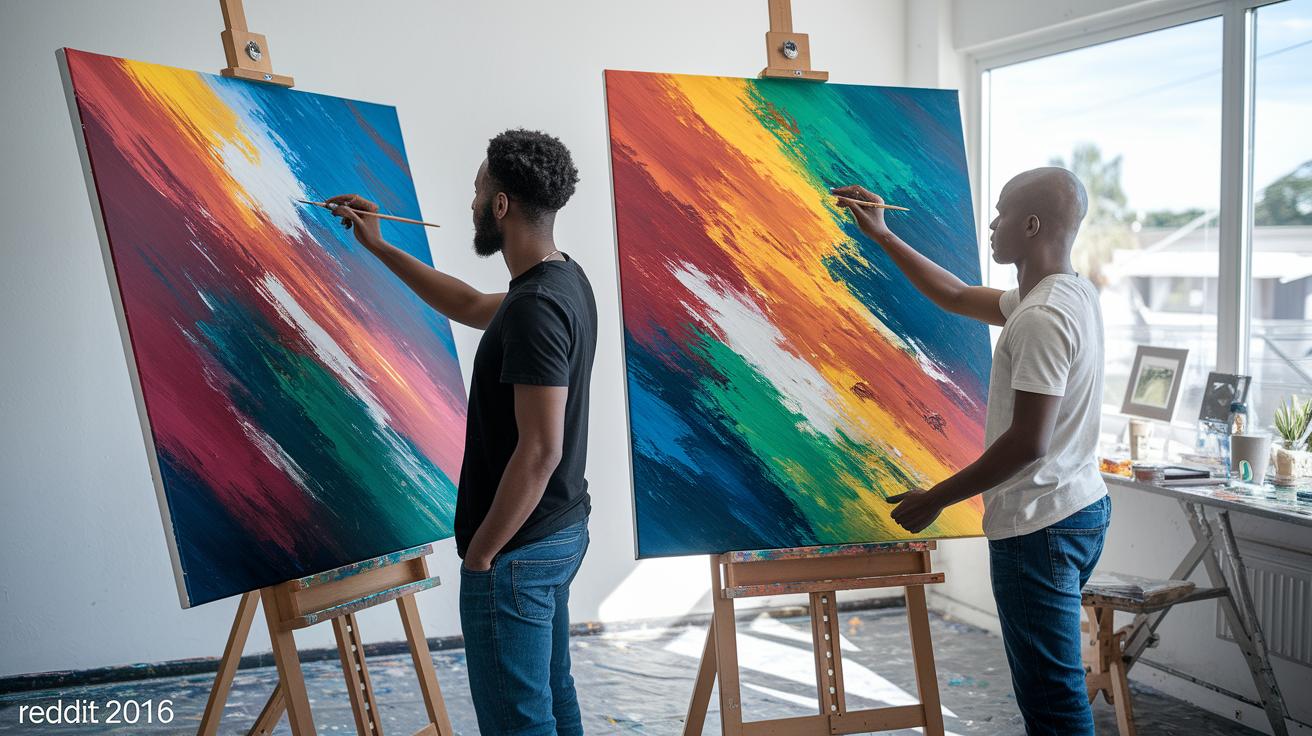
Back in the 1960s, the Caribbean Artists Movement (CAM) broke new ground. Artists from different Caribbean islands came together to share their unique identities at a time when colonial influences still hung over the region. They blended old traditions with modern art, making pieces that challenged outdated ideas and voiced fresh perspectives. Imagine a painter using bold brush strokes to capture daily resilience, each stroke helping to build a powerful story. CAM not only revived local art but also sparked global talks about decolonial ideas.
Then, the “Caribbean Contemporary” exhibition shifted things further when it opened on July 19, 2024, and ran until September 2, 2024. The show featured a variety of mediums, from acrylic paintings and mixed media pieces to silkscreen prints and interactive multimedia installations. Visitors could feel the impact of recent hurricanes and climate changes through art that also celebrated Caribbean heritage and modern life challenges. It was a lively mix of island creativity and a heartfelt call to discuss environmental and cultural issues.
| Movement/Exhibition | Period | Key Focus |
|---|---|---|
| Caribbean Artists Movement | 1960s (c. 1966–1972) | Identity & decolonial narratives |
| Caribbean Contemporary | 19 July–2 September 2024 | Environmental sustainability, identity, memory, globalization |
Influential Artists Driving Caribbean Art Collectives
Artists truly power Caribbean art collectives, acting like the beating heart that keeps creative energy alive across the islands. They share personal stories and local moments, weaving the spirit and everyday struggles of the people into each piece. Using unique materials and fresh techniques, these creatives not only show their own visions but also connect with their communities, sparking real chats about culture, who we are, and how the past still shapes us today.
Take María Magdalena Campos-Pons, for example. Born in 1959 in Matanzas, Cuba, she uses her art to lift up groups often left on the sidelines, diving deep into themes of race and the effects of colonial history. Then there's Christopher Cozier, who also came into the world in 1959 in Port of Spain, Trinidad and Tobago. His Tropical Night series (2005–2015) uses simple tools like graphite, ink, and rubber to capture what Caribbean life is all about. Maksaens Denis from Port-au-Prince, Haiti, born in 1968, gives us Marchons unis (2017), a piece that tells everyday stories unique to his homeland.
Sofía Gallisá Muriente, a 1986-born artist living in San Juan, uses works like Lluvia con nieve (2014) to dive into what local identity means. Daniel Lind-Ramos, from Loíza, Puerto Rico and born in 1953, brings his cultural background to life with Armario de la Conciencia (2012). And then there’s Ebony G. Patterson, born in 1981 in Kingston, Jamaica, who mixes social critiques with mixed media in her installation 18 (2016).
Each of these artists blends personal passion with the stories of their communities. Their work invites us into honest, heart-to-heart conversations that help shape vibrant, ever-evolving art communities right here in the Caribbean.
Core Themes and Focuses in Modern Caribbean Art Movements
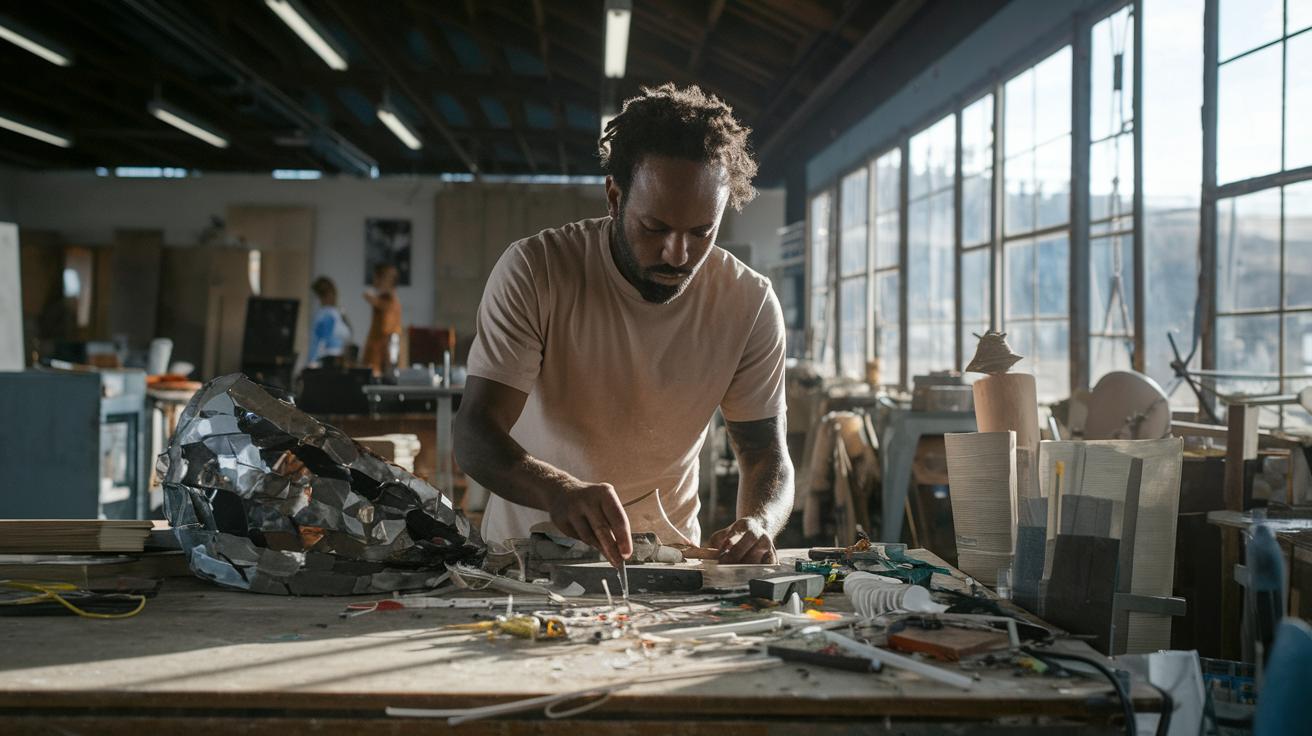
Modern Caribbean art takes a fresh spin on classic debates by blending eco-friendly ideas, local identity, reimagined history, and influences from beyond the islands.
- Environmental Sustainability: Artists are getting creative by repurposing local, reclaimed materials to rebuild after storms like Hurricane Beryl. Their practical eco-innovations turn challenges into opportunities.
- Identity and Representation: Local voices are sharing personal stories and creative ideas that question old colonial narratives. They shine a light on the real, diverse experiences of island life.
- Memory and History: In-depth case studies, including reflections on works by Anna Gibson and others, recast familiar events in a brand new light.
- Globalization and Diaspora: Conversations with emerging creators reveal how global influences mix with island traditions. Their insights spark lively discussions about cultural commercialization (globalization and caribbean culture).
Artists weave all these themes together by blending hands-on environmental care with bold cultural reinterpretations. Through real-life case studies and personal artist insights, local traditions meet today’s realities. This fresh focus on in-depth interviews and thoughtful critiques deepens the exploration of history, identity, and outside influences, keeping the Caribbean creative spirit vibrant and ever-changing.
Landmark Exhibitions Shaping Caribbean Art Collectives
Imagine stepping into the Caribbean Contemporary exhibition from 19 July to 2 September 2024. This show blends local know-how with a touch of global flair, all thanks to a top heritage expert who has worked with some of the best around the world. You’ll wander among vibrant acrylic paintings, textured mixed media, striking silkscreen prints, gentle water-based works, and even large multimedia installations. Each piece feels like it whispers the warmth of island life and the strength of community spirit.
Next, local partnerships add another layer of meaning to the experience. The National Disaster Management Agency shared real-life insights on how fierce storms and natural challenges shape island communities. Their perspective ties the art to genuine stories of recovery and resilience, reminding you that the creative work here isn't just beautiful, it sparks an important conversation about caring for our environment and building sustainable lives.
This exhibition paves the way for future projects where local creativity meets community insight. It’s a fresh take on building bold, experimental art networks right in the heart of the tropics.
Socio-Political Engagements in Caribbean Art Collectives
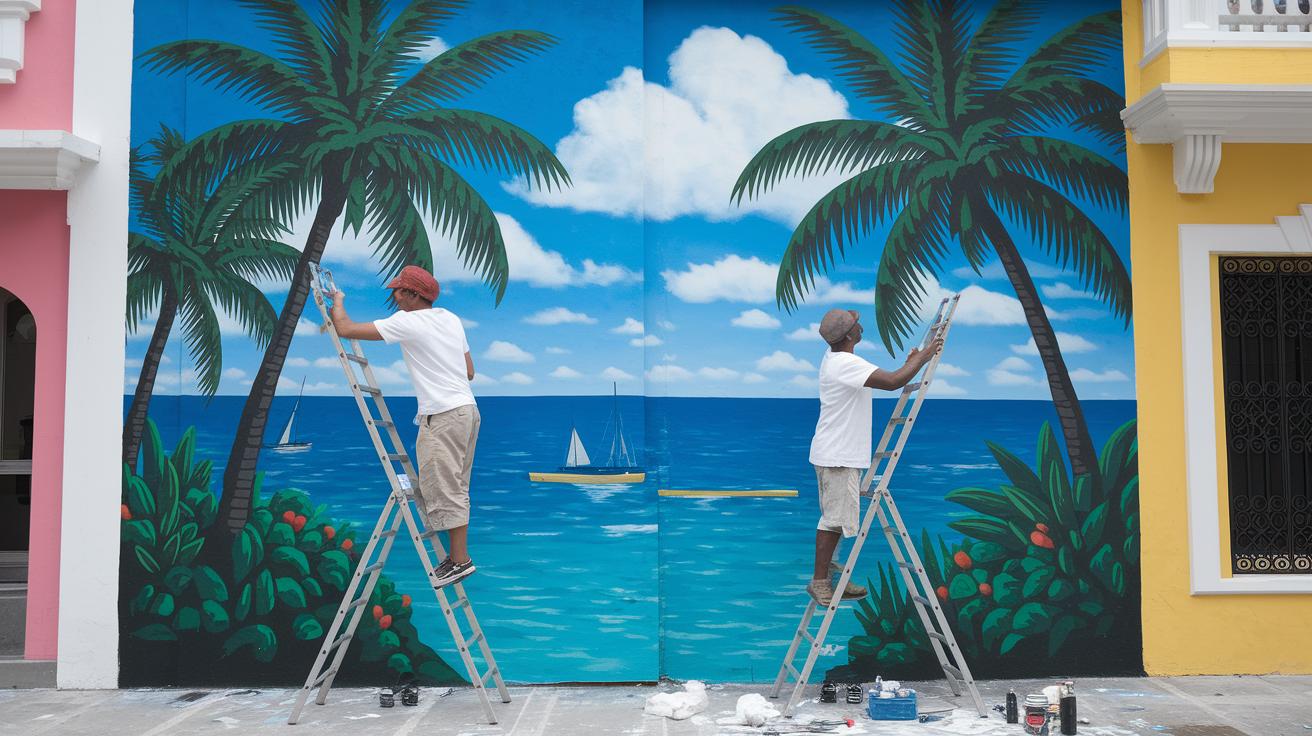
Caribbean art groups are standing up to real challenges that hit home for many of us. They share personal stories about harsh storms, rising tides, and social unfairness that affect our islands. Their work is more than just beautiful art; it is a heartfelt call for change, a way to speak out against inequality and old power structures. Local community teams even bring their art into public spaces, setting up street installations and joining policy talks with groups like NaDMA. It is a reminder that art can bring about real, positive change.
Environmental Activism in Tropical Art
Artists are now focusing on nature by showing us its raw power and beauty. They capture the force of wild storms and the reality of rising sea levels through creative displays and street murals. These public art projects help us see the urgent need to care for our environment, inviting everyone to rethink how we treat nature. It is like a vivid conversation between the art and the viewer, urging us all to take action.
Decolonial Practices and Postcolonial Critique
Art groups are also digging deep into old power rules and traditions. Artists such as Campos-Pons weave their own life experiences into works that discuss race, fairness, and the lingering effects of colonial times. Their projects mix old customs with fresh ideas, crafting messages that challenge outdated stories and inspire new conversations. In truth, these creative works invite communities to come together and dream of a fairer future.
Emerging Trends and Future Directions for Caribbean Art Collectives
Immersive multimedia installations are shaking up the Caribbean art scene these days. Local artists are mixing everyday items with unexpected finds to create vibrant pieces that let you almost feel the island vibes. Think of vibrant works like Elio Rodriguez’s sculptures or A k u z u r u’s immersive creations, which blend the familiar with the extraordinary.
And there’s more. Online gatherings and curatorial networks are giving creative spirits a boost by encouraging artists to try new techniques. These friendly spaces blend digital tools with hands-on creativity, making the art scene feel fresh and alive. In truth, these collaborative moves are changing the way art is experienced around the Caribbean.
Looking to the future, digital residencies and global connections are set to bring island creativity to even more art lovers. This new wave of boundary-crossing art practices promises to keep the spirit of the Caribbean vibrant and ever-evolving.
Final Words
In the action, this post took you through rich island art history and fresh ideas. We explored how grassroots movements from the 1960s have grown into inspiring modern art expressions.
We saw key creatives and bold exhibitions that capture local spirit, eco-conscious practices, and a deep connection to heritage. This mix of past and future lights the way for modern caribbean art collectives and movements. Let this spark a renewed sense of wonder for all that the Caribbean holds.
FAQ
What does a modern Caribbean art collectives and movements PDF show?
The modern Caribbean art collectives and movements PDF shows key details about group efforts, creative trends, and the blending of local motifs with new techniques that have shaped regional art.
What can I expect from a modern Caribbean art collectives and movements list?
The modern Caribbean art collectives and movements list provides an overview of influential artist groups, highlighting their origins, evolving practices, and efforts to express cultural identity through their art.
What insights does modern Caribbean art collectives and movements 2022 offer?
The modern Caribbean art collectives and movements of 2022 offer insights into current creative initiatives, featuring exhibits and dynamic projects that capture the evolving visual language on islands.
Who is a famous Caribbean artist known for unique creative work?
A famous Caribbean artist is known for using local traditions and innovative techniques to express cultural narratives, creating powerful works that reflect the region’s rich heritage.
How do Caribbean artists and their paintings capture cultural identity?
Caribbean artists and their paintings capture cultural identity by using vivid colors and familiar symbols to tell local stories, effectively connecting historical context with contemporary life.
What distinguishes traditional Caribbean art from other forms?
Traditional Caribbean art stands out through its use of indigenous symbols and time-honored techniques, reflecting the natural beauty and historical narratives intrinsic to island life.
Who are some of the famous Caribbean painters to know about?
Famous Caribbean painters have earned recognition for their distinct styles that combine historical influences with modern expressions, offering unique perspectives on island experiences.
