Have you ever thought about whether Caribbean stories can sparkle on the digital stage? Digital storytelling is reshaping how island folks share their heritage.
Think of it like giving an old family recipe a new twist; every tale adds a pinch of uniqueness that fills the community with warmth and pride. It’s a fresh way to connect where local customs join modern media, keeping the Caribbean culture lively and real for everyone.
Engaging with Digital Storytelling in Caribbean Communities

Digital storytelling lets Caribbean folks share their life stories on the internet, much like chatting over a cool drink by the shore. It takes local voices, traditions, and history and wraps them up in a way that feels as warm and welcoming as a gentle island breeze.
Classes like The Digital Caribbean, which ran at CUNY Graduate Center in Spring 2014 and Fall 2015 under Prof. Kelly Baker Josephs, mixed hands-on projects with simple theory. Projects like "Menu Disturbers of the Peace" and "Sporadic Tweets" showed how even tiny social media posts can tell big stories. Imagine putting your favorite island memory into an online album where you and your neighbors can add to the story.
Digital storytelling goes beyond classrooms. It fills hearts with pride and ties communities together, much like a shared meal or sunset. Ever wonder how, before these digital tools, many islanders had no spot to share the little moments of their day? Now, every shared story helps keep the island’s culture alive and fresh for everyone.
Case Studies of Digital Storytelling Initiatives in Caribbean Communities
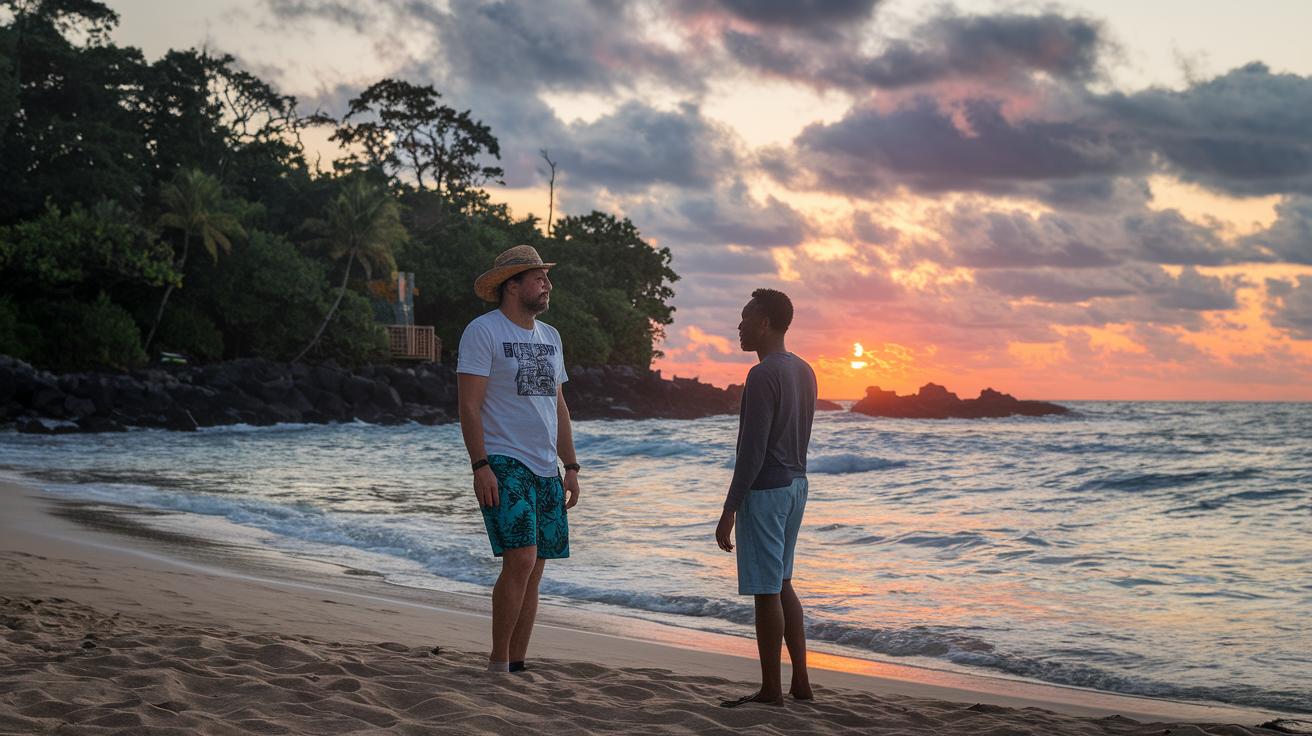
Digital storytelling in Caribbean communities comes in many flavors. Each project shows a unique way of keeping local culture and age-old tales alive. They use vivid stories and different media, like videos, photos, and sound, to capture traditions, personal memories, and community spirit. It’s like sharing a cherished family recipe that helps bridge past and present.
For example, there’s The Rich Coast Project. This group effort dives into the history of Afro-Caribbean communities along Costa Rica’s Talamanca coast, using collaborative video essays that feel like a shared journey. Then you have the Sporadic Tweets initiative, which captures everyday moments through short bursts on social media, bringing personal stories right into the digital spotlight. And the Caribbean Commons CFP? It gathers voices from all over by hosting a digital archive symposium, where Caribbean literature and digital arts mix to create something really special.
| Project Name | Location | Digital Method | Year |
|---|---|---|---|
| The Rich Coast Project | Costa Rica’s Talamanca | Collaborative video essays | 2012 |
| Sporadic Tweets | Multi-island networks | Social media micro-narratives | 2014 |
| Caribbean Commons CFP | Virtual/Global | Digital archive symposium | 2015 |
These projects show just how powerful a mix of digital tools can be for bringing communities together. They highlight the idea that when local voices are given a platform, they can share heartfelt stories that honor traditions and spark lively conversations. Whether it’s a quick social media post or a full digital meet-up, these creative efforts capture the island spirit and the shared history of the Caribbean in a truly engaging way.
Further reading on community impact: Cultural Resilience in Caribbean Communities
Multimedia Techniques and Tools for Caribbean Stories
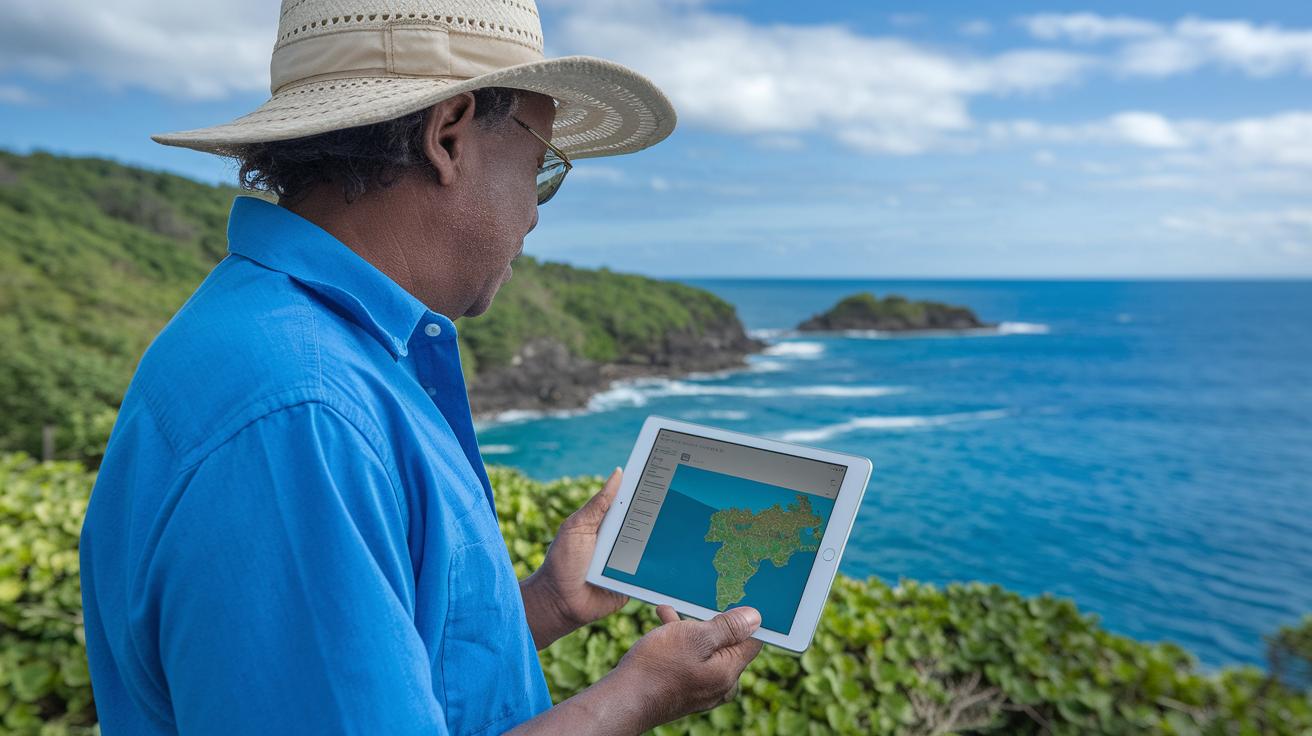
In the Caribbean, digital storytelling blossoms thanks to a creative mix of media. Locals blend different techniques to share their history and culture in ways that feel as refreshing as soft sand on your feet.
Imagine interactive story maps that bring local history to life with bright details. With tools like GIS-based story maps (tech that helps you view places on a map), community members trace migration routes and reveal the paths that connect tiny island communities. These maps do more than show locations; they hold personal stories that weave families and traditions together.
Podcasts add another layer of charm by capturing the sound of indigenous voices as they share tales passed down through generations. This mix of spoken word and local flavor makes cultural scenes feel alive. At the same time, community video workshops invite both young people and elders to get hands-on with modern cameras and editing tools, capturing everyday moments, local celebrations, and lively events in vivid motion.
Then there are online archival platforms that act like virtual museums, safely storing cherished photos and written stories that span many generations.
Digital courses, such as those offered by Digital Caribbean, even include fun modules on creating interactive timelines using XML (a simple system for organizing text). These courses open up a world of confidence in multimedia storytelling, connecting modern tech with age-old traditions and making sure each unique voice shines through.
Choosing the right technique depends on the audience and available resources. It ensures every vibrant narrative finds its perfect spot and every story gets shared in just the right way.
Community Engagement and Best Practices for Digital Storytelling Workshops

Designing Workshop Curriculum
Start with a clear, simple plan that lets local voices shine. Begin by jotting down what stories your community wants to share about its culture, traditions, and personal memories. Next, set up easy, hands-on sessions where you learn basic digital skills, like recording a video or tweaking it with simple editing tools. Imagine it as learning how to capture that warm Caribbean sunset on your phone. Finally, arrange follow-up sessions where everyone can show their work and give each other friendly tips on how best to tell their stories online.
Digital Platforms for Community Forums
Keep the conversation alive long after the workshop wraps up by using digital meet-ups. Use Facebook, Instagram, or Twitter to share updates and keep the stories flowing. Local online archives are also a big help, they’re like digital treasure chests where you can save and revisit community memories. For example, setting up a shared archive lets storytellers keep their family histories safe. Regular check-ins, group chats, or even video calls make it easy for everyone to give quick feedback and support one another. For more ideas on getting everyone involved, check out Social Media and Caribbean Cultural Preservation at https://caribiana.com?p=613.
These steps do more than just build digital skills, they create a friendly network of storytellers who celebrate the vibrant heritage of Caribbean communities.
Challenges and Future Directions for Digital Storytelling in Caribbean Communities
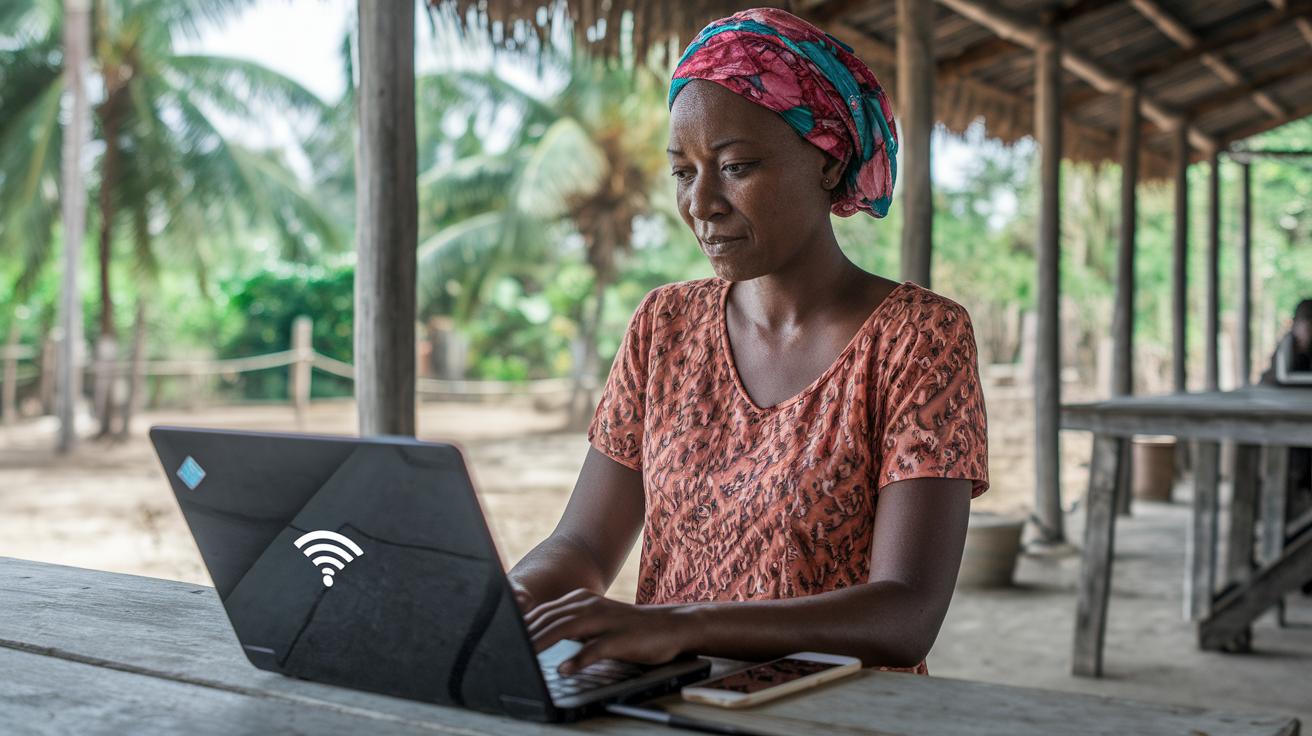
Digital storytelling in our Caribbean communities faces a few hurdles. Many places struggle with slow or spotty internet, not to mention a lack of funds and hands-on training to keep treasured cultural records safe. Projects like The Rich Coast Project show us that rural areas often don’t have enough archived materials, which makes sharing rich local memories really challenging. Local workshops often reveal that internet access can be uneven, and digital training opportunities are few and far between. This all calls for stronger support from local institutions and creative ideas to boost digital skills and infrastructure.
Looking ahead, there’s a lot to be excited about. Picture immersive virtual labs that bring historic sites right into your home or mobile story apps that let islanders capture and share their everyday moments as they happen. Emerging trends include blending videos, sounds, and words to create vibrant cultural stories, like mixing the perfect tropical cocktail. Some ideas even point to virtual museum experiences that turn community spaces into lively archives. And who knows? Future platforms might allow everyone to contribute, creating a shared digital treasure of memories from every corner of the Caribbean.
Final Words
in the action, we traced how digital storytelling brings Caribbean life into focus. We skimmed through multimedia strategies, hands-on workshops, and cultural archives that let local tales shine. Each segment showed you how real voices and practical tools blend to keep traditions and modern tech side by side. The post painted a picture of lively scenes, personal insights, and innovative digital archives. Enjoy every step forward as you experience digital storytelling in Caribbean communities.
FAQ
What is the purpose of digital storytelling?
The digital storytelling purpose is to share experiences in engaging formats that mix media, text, and visuals to highlight Caribbean heritage and everyday life while preserving culture with modern technology.
How does digital storytelling impact and/or reflect our world today?
The digital storytelling impact is seen in how modern multimedia methods illustrate Caribbean culture, making local histories and everyday authenticity accessible to a wider audience around the globe.
What are the types of digital storytelling?
The digital storytelling types include interactive story maps, social media micro-narratives, digital archives, and video essays that blend traditional narratives with modern tools in captivating formats.
Why is digital storytelling important?
The digital storytelling importance lies in its ability to capture cultural memories, empower community voices, and present Caribbean heritage in fresh, interactive ways that connect diverse audiences.
