Have you ever stopped and thought about how island tales changed the way we see books? Caribbean writers shook things up with fresh, lively voices that bring the warmth and color of the islands to life. Their stories, like a gentle ocean breeze, celebrate island living while sparking conversations about fairness and self-rule. In a time when many stories were overlooked, these writers have broken old limits and invited us to imagine new ideas. Now, Caribbean literature guides readers and writers around the world, lighting the way like a sunset over the sea.
How Caribbean Literature Shaped Global Literary Trends
Caribbean literature has made its mark on world writing in the most colorful ways. Local authors questioned old, unfair ideas and turned their colonial pasts into lively stories that mix clear political messages with storytelling as vivid as a Caribbean sunset. They even introduced new genres, like a touch of magical realism (where everyday life meets unexpected magic) and Caribbean Gothic, that give fresh takes on identity and migration. It’s like the warmth and spice of island life spilling into every page.
These island stories grew from extraordinary times. Back when colonial rule was a big part of life, writers used their words to speak out and fight for justice. As their tales became bolder, they opened the door for discussions about fairness and who we really are. This shift helped many once-silenced voices find a home in the world’s literary conversation, inspiring authors far beyond the shores of the Caribbean.
Today, Caribbean literature stands as a lively bridge between small island experiences and the global stage. Scholars and readers often chat about how these texts spark a unique cultural exchange. Ever notice how a good story can transport you, much like a cool breeze on a hot day? With references in works like "Globalization and Caribbean Culture," it’s clear that these island narratives continue stirring the hearts of readers everywhere, connecting us all with a shared sense of wonder.
Colonial Influence on Caribbean Literary Evolution
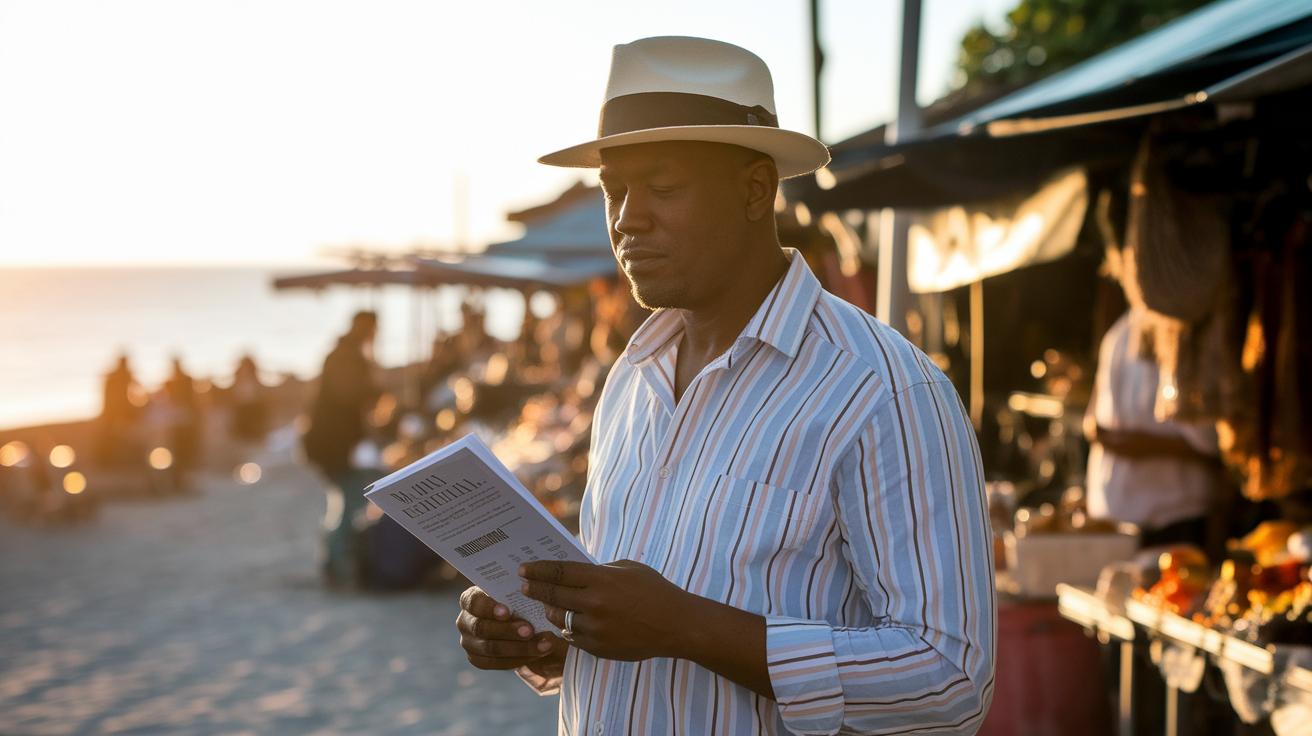
Caribbean writers used their stories to push back against strict imperial ideas, writing in friendly and clear language to ask for self-rule. Before independence, many texts became lively spots for political debate, with each page echoing the call for freedom and fairness from communities tired of old systems. For example, a simple pamphlet might say, "In a small coastal village, one printed page sparked a call for community-run schools and local markets."
Over time, the style of storytelling softened into a mix of personal memories and thoughtful history. Writers moved away from bold declarations to create works rich in both recollection and reflection. One piece might describe how the smell of fried plantains brings back memories of family gatherings, all while hinting at the hard past of forced labor. This fresh approach offers a new way to see life after colonial rule.
Notable Caribbean Writers and Their Global Contributions
Caribbean literature really stands out around the world because of a few amazing writers who break down cultural barriers. Their stories mix deep feelings with a warm, friendly tone that makes you feel like you are walking down a sun-dappled island street, where every word carries the tang of salt and spice. These authors have shown us that sharing memories and identity can be as universal as a beach breeze.
-
Derek Walcott – In his long poem "Omeros," Walcott captured the mix of emotions found in island life and history. His work brought him fame all over the world and even won him a Nobel Prize. His poems remind us that beauty in words can also inspire us to think about important social issues.
-
Jamaica Kincaid – With her book "A Small Place," she looked closely at tourism and modern life, making us see how visitors often misunderstand the true life of islanders. Her writing makes us question old ideas and think again about what tourism means for local people.
-
Edwidge Danticat – Her novel "Breath, Eyes, Memory" tells a touching story about life for Haitian people living away from their home. Mixing pain with hope, her words speak about the challenges of fitting in and finding your place in the world.
-
Aimé Césaire – A strong voice in the French-speaking Caribbean, Césaire used a mix of beautiful language and clear political ideas to help us see history in a new light. His writings feel like a lyrical conversation that makes you pause and reflect.
-
C.L.R. James – His clear and thoughtful style offered fresh looks at history and society, encouraging worldwide conversations about life after colonialism. His work opened our eyes to new ways of understanding big changes.
Each of these writers has not only enriched Caribbean literature but also started a friendly global chat about life, culture, and the beauty of being unique. Their words keep sparking conversations that celebrate diversity, strength, and the timeless magic of island stories.
Thematic Innovations in Caribbean Literary Narratives

Caribbean poets and novelists have given literature a whole new vibe by blending native storytelling traditions with European styles. Their words carry the warmth of island living, sprinkling familiar tales with unexpected twists like the beat of a local drum. It’s like listening to a friendly chat on a sunny beach, honest, relaxed, and full of surprises.
Magical realism plays a big part in these stories. Local legends mix with global storytelling to create scenes that are both dreamy and real. Sometimes, writers jump around in time and switch between languages, showing off their mixed roots. In doing so, they turn everyday moments into tales that feel both ancient and refreshingly modern.
You can also sense a strong social message in these works. Hidden in myth and allegory are reflections on freedom, belonging, and the legacy of history. Every line feels like it’s inviting you to think a little deeper about culture and society. In truth, Caribbean literature keeps surprising us by breaking the rules and celebrating a mosaic of voices.
Regional Varieties in Caribbean Literature
The Caribbean is like a bright tapestry of voices, with each island group sharing its own special take on life. In the English-speaking islands like Jamaica, Trinidad, and Barbados, writers mix stories about race, identity, and the long shadow of slavery with the warmth of island life. Meanwhile, French-speaking regions such as Haiti, Martinique, and Guadeloupe burst with colorful Creole influences and rich traditions that recall old island tales and personal memories. In Spanish-speaking places like Cuba, the Dominican Republic, and Puerto Rico, you'll find stories that dive into revolutionary politics and sharp social commentary. And over in the Dutch-speaking parts like Aruba, Curaçao, and Sint Maarten, a mix of languages gives rise to unique expressions that reflect their lively, diverse cultures.
| Region | Primary Language | Key Themes | Representative Works |
|---|---|---|---|
| English-speaking Caribbean | English | Race, identity, post-slavery legacies | Omeros, A Small Place |
| French-speaking Caribbean | French/Creole | Creole influences, Francophone heritage | Césaire’s writings |
| Spanish-speaking Caribbean | Spanish | Revolutionary politics, social critique | Contemporary Cuban narratives |
| Dutch-speaking Caribbean | Dutch/Papiamento | Multilingual perspectives, cultural mix | Local anthologies |
The many voices of Caribbean literature do more than just celebrate the local identity – they draw you into a friendly chat about life on the islands. Each story, whether born from old struggles or fresh new views, weaves its way into a larger tale of both unity and diversity. Taken together, these narratives shine a calm, glowing light on the global stage, reminding us that island literature is both wonderfully varied and beautifully connecting.
Diaspora and Transnational Narratives in Caribbean Literature

Writers in cities like London, New York, and Toronto carry the warm memories of the Caribbean with them every day. They blend familiar island colors and scents with the buzz of a new city, creating stories that feel both sweet and a little sad. Authors such as Sam Selvon write in a way that lets you almost feel the gentle beat of a drum calling you back to the islands, even as they describe the challenge of building a new life far from home.
In a similar way, storytellers like Michelle Cliff paint pictures with words that mix the gentle rhythm of island traditions with the fast pace of city life. Each page feels like opening a travel journal filled with memories and feelings. Their words remind us that home isn’t just one place, it’s a collection of moments and feelings that go beyond borders, inviting us all to see that belonging can change and grow over time.
Caribbean Literature's Role in Global Postcolonial and Multicultural Discourse
Caribbean writings have grown into a major voice in academic discussions around Europe and North America. Take Caribbean Voices, for instance, it aired on British radio from the 1940s to the 1950s and helped island writers find a wider audience. These honest, heartfelt stories spark classroom talks and public debates about what it really means to carry a cultural identity and live with the shadow of colonial history. In a class, a teacher might explain, "Caribbean Voices brought many of today's famous writers to the world, almost like a bridge between different cultures."
Festivals like Calabash in Jamaica also play an important role. They bring together authors and critics from many countries, mixing personal experiences with the latest literary trends. You can almost feel the local vibe woven into discussions about home and belonging, all while international ideas join the conversation. Imagine an evening at Calabash: lively debates blend with the sounds of local music, connecting Caribbean life to global insights.
Final Words
In the action, Caribbean literature has reshaped literary styles with its nuanced storytelling and spirited themes. The article traced how authors challenged old norms, introduced magical realism, and mirrored historical shifts, sparking fresh views on identity and culture.
These insights prove the global influence of caribbean literature extends far beyond the islands. Such creative expressions remind us that shared stories can bridge cultures and brighten our outlook on life.
FAQ
What does the global influence of Caribbean literature refer to?
The global influence of Caribbean literature refers to its widespread impact on world writings by blending diverse cultural, historical, and social themes, as shared through academic essays, Wikipedia entries, and international discussions.
What is the historical background of Caribbean literature?
The historical background of Caribbean literature traces its origins to colonial times when early texts critiqued imperial rule. Later, writers evolved their styles to express rich cultural identities and historical shifts.
What defines Caribbean literature and its key characteristics?
Caribbean literature is defined by its fusion of magical realism, vivid cultural voices, and postcolonial themes that explore identity, migration, and the effects of colonial legacies, creating a unique narrative style.
What makes Caribbean literature important in global discussions?
Caribbean literature holds importance in global discussions by championing stories of resilience, social justice, and cultural identity, offering fresh insights into colonial legacies and sparking a wider cross-cultural understanding.
How did globalization affect literature?
Globalization affected literature by encouraging increased cultural exchange and fresh narrative forms. This influence enabled writers, including Caribbean voices, to integrate diverse perspectives in their creative works.
What are the cultural influences in the Caribbean?
The cultural influences in the Caribbean stem from a blend of indigenous, African, European, and Asian traditions. These influences fill local art, music, and literature with dynamic expressions and varied experiences.
What are the elements of Caribbean literature?
The elements of Caribbean literature include innovative uses of magical realism, code-switching styles, and the blending of oral traditions with written narratives, all reflecting its unique cultural experiences and social critiques.
How do Caribbean literature and postcolonial themes connect with other literary traditions such as Canadian, Australian, and African literature?
Caribbean literature connects with other traditions by sharing common postcolonial themes, cultural identity issues, and social critiques. This cross-pollination enhances global literary discussions and broadens readers’ perspectives.
