Have you ever thought about how one style of music can transform an entire culture? Dancehall, with its sharp beats and pure energy, has given Caribbean identity a fresh twist that people still debate today. Born in Kingston, this exciting sound mixes old rhythms with a modern urban vibe, echoing everyday life in a way that feels both raw and real. Every thumping track shares tales of struggle, joy, and bold self-expression that resonate on the islands and far beyond. Today, we take a closer look at how dancehall has not only shaped Caribbean culture but continues to inspire generations of fans.
Dancehall’s Foundational Role in Caribbean Cultural Identity
Dancehall made its first splash in the late 1970s in Kingston, giving reggae a fresh twist with energetic beats and catchy electronic sounds. It grew from mixing traditional reggae rhythms with modern urban sounds and soon became more than just music, it turned into a way to tell the lively stories of everyday Jamaican life. Imagine stepping into a Kingston venue where a pulsing beat fills the air, almost echoing the island’s own heartbeat. It’s hard not to feel the warmth in a room that celebrates community, struggle, and pure joy.
The vibe of dancehall soon seeped into daily life. It brought new local slang and cool expressions that became part of everyday conversation. And its influence didn’t stop with words, the bold colors and unique styles in fashion began to mirror that same dynamic spirit. Dancehall became a channel for sharing the real Jamaican story with the world, blending old traditions with fresh ideas. Even today, its beats and heartfelt messages continue to inspire both people on the islands and those far away, celebrating Caribbean culture with unwavering passion.
Historical Evolution: From Mento to Dancehall in Jamaican Music
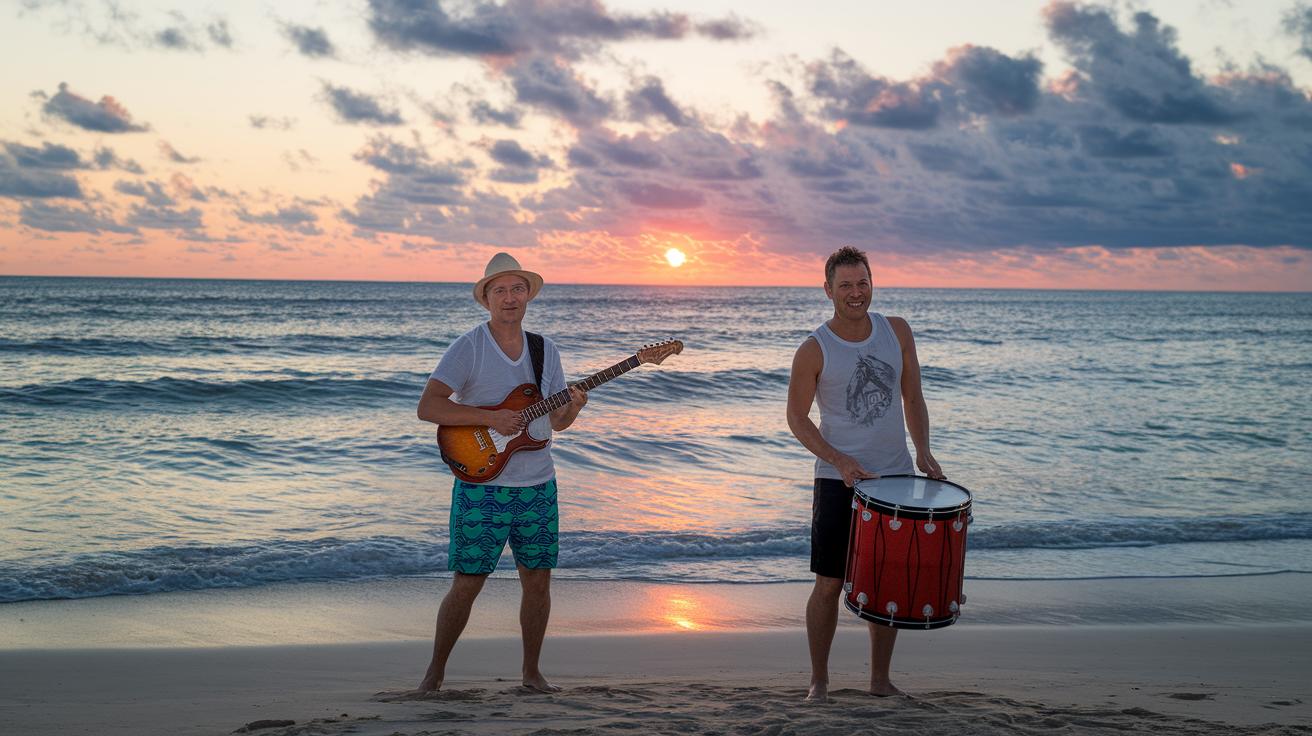
Jamaican music tells a lively story that starts with simple, earthy sounds and grows into energetic urban beats. It began with mento in the late 1800s, where local artists mixed African drum rhythms with European instruments. You can almost feel the warm island breeze and hear the gentle strumming, reminding you of quiet evenings by the sea.
As years passed, musicians added new twists to those age-old rhythms. Think of it like mixing classic Caribbean flavors with a dash of modern spice, which led to styles like ska in the 1950s and rocksteady in the late 1960s. Each change brought its own beat and soul, paving the way for reggae’s storytelling charm and, later on, the electrifying pulse of dancehall in the late 1970s.
Take a quick look at the journey:
- Mento (late 19th c)
- Ska (1950s)
- Rocksteady (1966–68)
- Reggae (late 1960s)
- Dancehall (late 1970s)
This musical evolution shows how laid-back, community rhythms transformed into vibrant, dance-driven tunes with each passing decade. Reggae’s relaxed, heartfelt stories laid the groundwork, while dancehall cranked up the energy with catchy hooks and danceable beats. It’s a colorful progression that keeps Caribbean culture alive and ever-changing.
Dancehall’s Influence on Caribbean Language and Fashion
Have you noticed how dancehall’s upbeat rhythms sneak into our everyday speech? Its lively beats and clever lines add a fresh, friendly vibe to our conversations. You might hear a local vendor cheerfully remark, "Even my greeting carries a bit of beat!" It’s like music meets words, turning everyday chats into mini celebrations.
Then there’s the way dancehall has turned simple movements into a language of its own. At neighborhood gatherings, every dance step feels like it has a story to tell. Imagine watching people groove, each sway and tap speaks louder than words, filling the air with a rhythmic energy that you can almost taste.
And let’s not forget the style. Dancehall fashion burst onto the scene with bright colors, oversized clothes, and bold accessories that make you stop and stare. Riding along with booming sound systems, Caribbean youth found a cool way to show off their heritage. Every outfit feels like a colorful echo of the vibrant beats inspiring them.
Political Commentary and Social Attitudes in Dancehall Culture
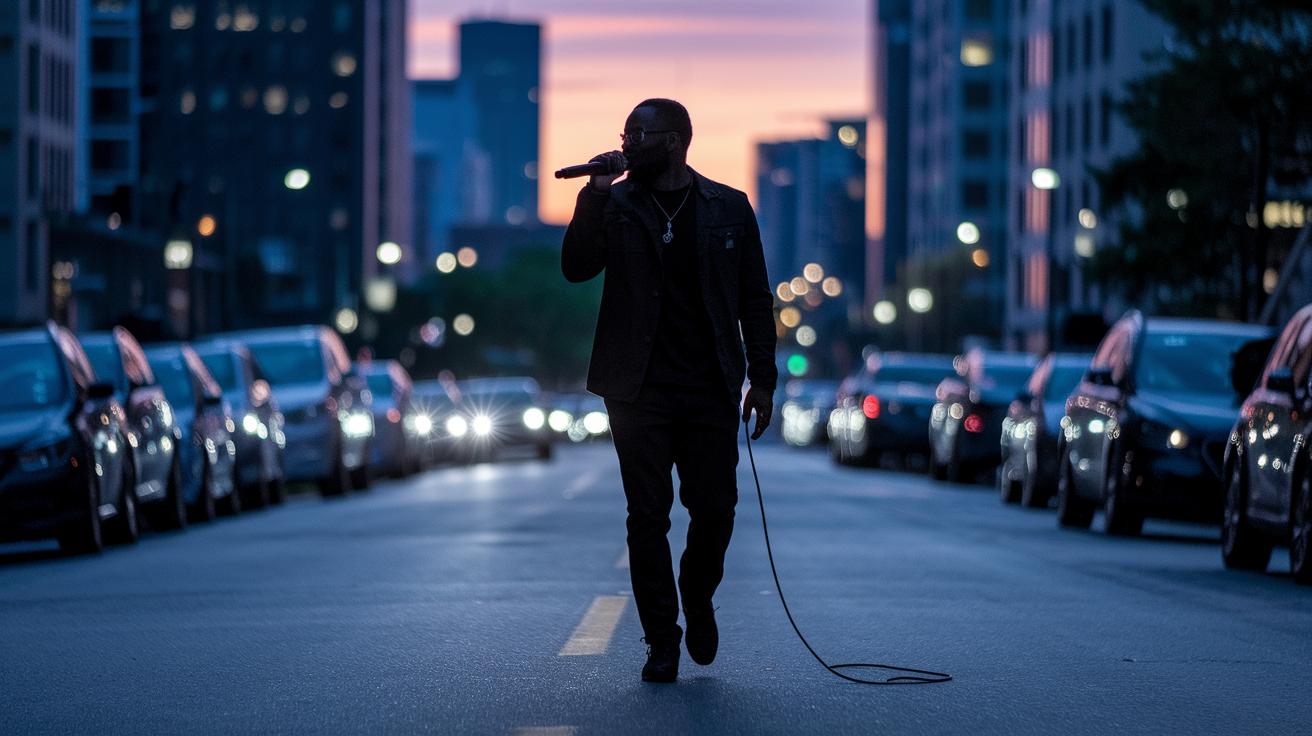
Reggae started it all with gentle yet powerful lyrics that brought people together. Its songs told stories of struggle and hope, like sketching the first lines of a big picture calling for fairness. It was as if every note whispered, "Let's stand up for those facing tough times."
Then dancehall stepped in and cranked up the energy. Its words are straight and bold, reflecting the everyday life of the city. Think of an urban street party where the beat and the lyrics shout out about poverty, inequality, and the raw reality of urban life. Ever felt that rush of music that makes you want change?
Sound systems today are more than just places to catch a tune. They’ve become lively community spots where people chat, dance, and debate about what matters most. Every beat brings a sense of shared strength, inviting everyone to come together and face the challenges head-on.
Role of Dancehall in Shaping Caribbean Culture
The beat of dancehall first echoed through Kingston in the late 1970s. Imagine a sunny street corner where booming speakers filled the air and neighbors gathered around, cheering on DJs who brought new sounds to life. Before dancehall became known worldwide, it was the vibrant energy of local sound system contests that set the stage.
By the 1980s, small recording studios popped up like lively market stalls. In these creative spaces, producers mixed electronic beats with classic reggae vibes, kind of like giving an old family recipe a fresh twist. The result was a sound that captured the everyday rhythm of island life.
Then, in the 1990s, dancehall began to travel beyond its local roots. Artists joined forces with international talents, blending storytelling with new beat techniques. Each song became a symbol of a culture that was full of energy, creativity, and a spirit that reached far beyond Caribbean shores.
Globalization and the Caribbean Cultural Export of Dancehall
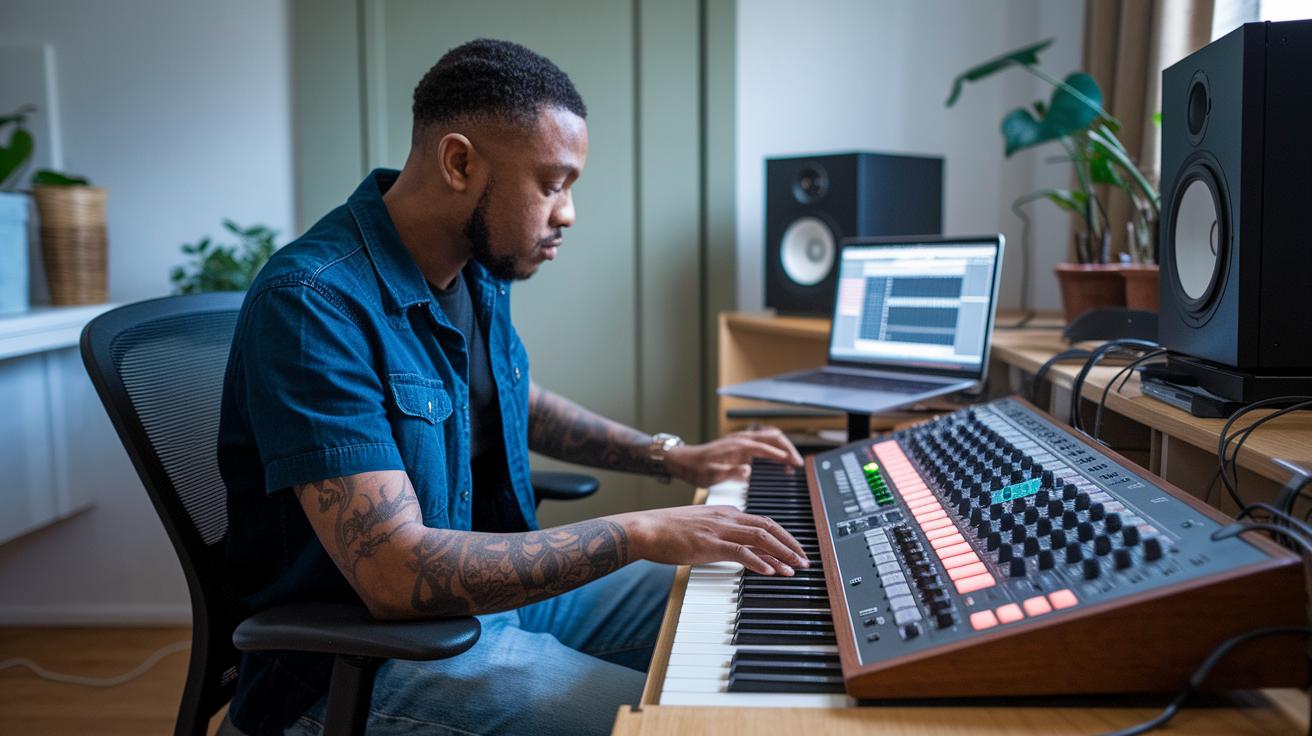
Digital tools changed the way Caribbean music spreads. In the early 2000s, many producers set up home studios and used affordable software to create beats. They blended classic dancehall rhythms with pop, electronic, and hip-hop sounds in a fun, fresh way. This shift meant artists could share their music well past their local neighborhoods and onto international airwaves. Even big mainstream names started sampling these catchy beats, turning dancehall's unique feel into a global rhythm. It's like taking a familiar tune and giving it a modern twist that makes you want to dance.
And it wasn't just the big names doing samples. Artists from around the world began loving these sounds, and soon, music festivals in Europe, Asia, and beyond started featuring Caribbean sets. These shows mixed the rich tradition of the islands with exciting new vibes. Every beat seems to carry the warm spirit of the Caribbean, as if the ocean breeze is right there with you.
| Song Title | Artist | Year |
|---|---|---|
| Island Rhythm | Tropical Vibes | 2007 |
| Beat of the Street | Urban Pulse | 2012 |
| Caribbean Dreams | Global Sound | 2018 |
These examples show just how powerful dancehall beats can be as a way to share Caribbean culture. They carry a special island flavor that connects with people and brings the magic of the Caribbean to dance floors all over the world.
Contemporary Fusion: Innovative Dancehall and Caribbean Music Trends
Today’s dancehall scene is like a fresh breeze over a classic Caribbean shoreline. Artists blend lively electronic beats with hip-hop rhythms, turning old island melodies into vibrant, modern mixes. Imagine hearing the gentle strum of a guitar mix with a crisp electronic bass, it’s like your favorite reggae memory getting a cool, urban twist.
In cozy underground clubs, local DJs are experimenting with sound in unexpected ways. Their sets feel like a mini adventure, where every beat makes you stop and think: “What if Caribbean music could surprise me like this?” It’s a warm, inviting journey into a new kind of island vibe.
Caribbean youth are now the heartbeat of this transformation. Their energetic dance moves, inspired by the digital age, bring these hybrid tracks to life, showing us that the island spirit is always renewing itself. Have you ever felt the magic of a Caribbean sunset mixing with a modern beat? This is it in every pulse of the music.
Final Words
In the action, we saw how dancehall laid its roots as a vital part of Caribbean cultural identity, blending traditional beats with modern storytelling. Its lively rhythms shape everyday language and style, creating a warm, local vibe that speaks to island life. Every verse holds a piece of the Caribbean spirit, inviting us to feel its pulse. Celebrating the role of dancehall in shaping Caribbean culture reminds us to cherish the shared energy and colors of the islands.
FAQ
What is the role of dancehall in shaping Caribbean culture?
The role of dancehall in shaping Caribbean culture means bringing modern beats and vivid lyrics that mirror urban Jamaican life, influencing Caribbean language, fashion, and social attitudes across the region.
What is dancehall dance style and what are its origins and meaning?
The dancehall dance style originated in the late 1970s in Jamaica. It features energetic, expressive moves set to lively, electronic rhythms that capture the pulse of urban Caribbean music and spirit.
What are the top 5 dancehall dance moves?
The top 5 dancehall dance moves include rhythmic steps like the slash, bump, wine, dip, and tiki, each inviting creative expression and adding a dynamic flair to the dance floor.
How does dancehall music affect Jamaican culture and Caribbean music overall?
Dancehall music affects Jamaican culture by blending modern beats with street storytelling. It shapes everyday language, dress, and social vibes, while also influencing Caribbean music with its fresh, energetic style.
How has dancehall influenced global music and culture beyond Jamaica?
Dancehall has influenced global music by inspiring international beats and styles through digital production. Its catchy rhythms and urban storytelling have made Caribbean culture a key ingredient in today’s worldwide music scene.
How does reggae reflect Jamaican culture compared to dancehall?
Reggae reflects Jamaican culture through its mellow beats and messages of unity, while dancehall offers fast-paced, energetic rhythms that spotlight urban life. Both styles showcase Jamaica’s cultural heritage in unique ways.
