Have you ever noticed how a simple tune or a shared meal can bring a family together? In Caribbean families, favorite songs, timeless traditions, and heartfelt stories are passed down from one generation to the next, just like pieces of a treasure chest. Families mix planned lessons with everyday moments, building a strong and lasting sense of who they are. With the beat of island music in the background, Caribbean culture feels like a warm hug full of unity and history.
Scholarly Foundations of Caribbean Intergenerational Cultural Transmission
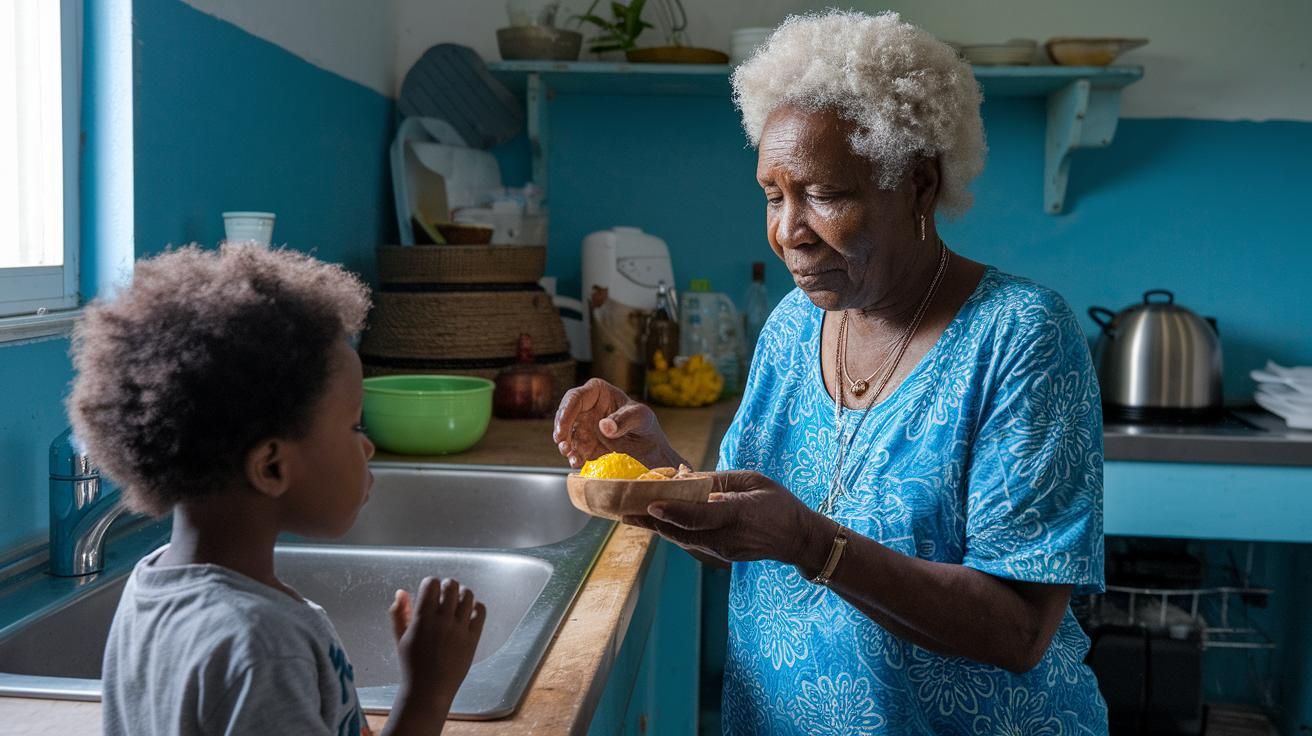
Caribbean intergenerational cultural transmission is all about how families share their traditions, stories, and life lessons from one generation to the next. It’s like hearing a favorite story again and again, with each telling full of the warmth and charm of island life. Researchers look at two key ways this happens: one is heritage education, which uses organized classes and community workshops, and the other is lived practice, where everyday moments, like sharing a meal, telling stories, or enjoying music, keep the culture alive. Imagine someone saying, "Before many Caribbean scholars became community leaders, they grew up where songs and stories were the main way to pass down wisdom."
History plays a big role in all this. Colonial times and waves of migration changed how these traditions are shared. The Windrush Generations, for example, remind us how movement and change helped shape family bonds in Jamaica and other islands. At international gatherings, experts have shared that this cultural sharing isn’t just about remembering tough times; it also builds a strong identity and brings people together under shared traditions.
| Model | Description |
|---|---|
| Heritage Education | Organized learning through community-led workshops that pass on island histories. |
| Lived Practice | Everyday sharing like family stories, music, and traditions that keep cultural memory alive. |
These ideas show us how Caribbean traditions evolve with each generation and change in the world. When you picture a gentle Caribbean breeze and the sound of laughter during a family meal, you can almost feel the heartbeat of these long-held traditions, always vibrant and full of life.
Historical Context and Colonial Legacies in Caribbean Transmission
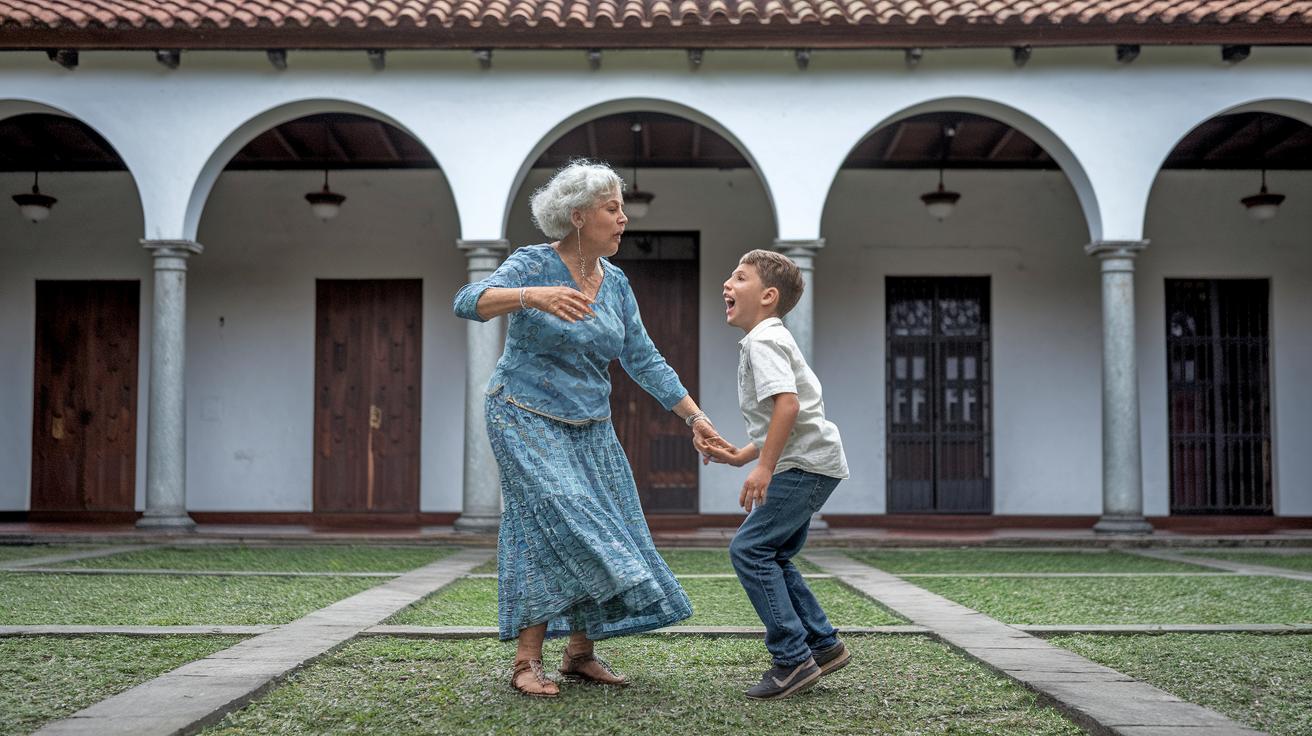
Colonial times left real marks on how Caribbean families share their traditions. Back in the 1500s, Spanish colonizers brought European customs that blended with local ways, creating a mix that still shows today. Later on, when the French and British made their mark in the 17th and 18th centuries, new systems reshaped family life and replaced many cherished rituals with strict routines. Even so, enslaved communities found clever ways to keep their languages and customs alive. They would secretly gather to sing and dance, keeping their heritage warm despite tough new challenges.
Then, indentured laborers arrived and added their own special touches to the mix. In small villages, everyday get-togethers became important moments where stories of struggle and hope were shared over simple meals and laughter. These meetings blended old traditions, diaspora influences, and community strength, showing how resilient a people can be even in hard times. Stories like the Windrush experience remind us of the hidden gaps in family support that were born from those long-ago changes.
| Period | Notable Impact |
|---|---|
| 1500s – 1600s | Spanish touch mixes local customs |
| 17th – 18th centuries | French and British rule change family traditions |
| 19th century | Indentured labor weaves in new cultural threads |
All these layers from colonial times changed everyday life and created gaps that later showed up in stories like Windrush. Scholars now encourage us to look closer at these changes so that modern ideas can honor the past while celebrating the strong, enduring spirit of Caribbean culture.
Oral Traditions and Narrative Heritage Among Caribbean Generations
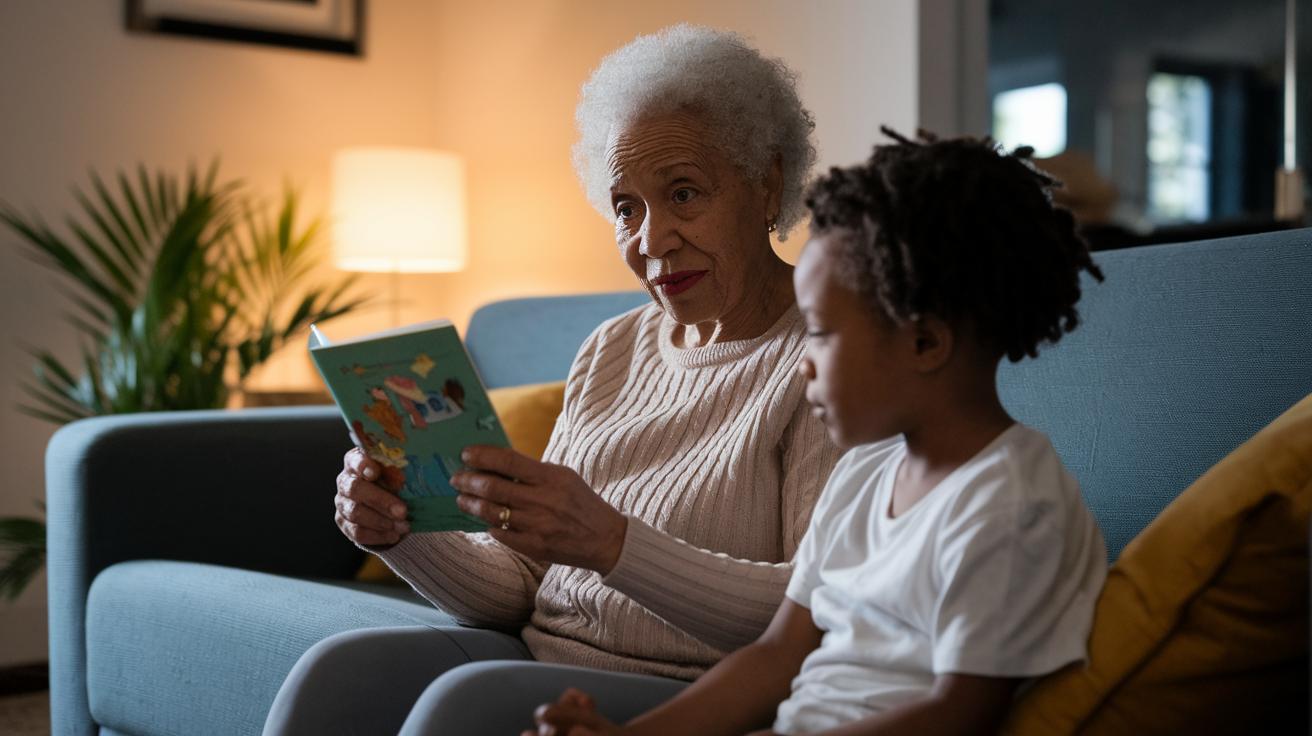
Caribbean storytelling is a mix of careful recitations and everyday chats shared within family circles. Moms and grandmas, who once had to keep deep pain to themselves, passed on a quiet way to cope. Their subtle lessons are like a favorite song passed down through generations, softly echoing the power to survive. These stories, filled with wise sayings and gentle tunes, help keep family memories and history alive.
Sometimes, even the quiet is its own story, a soft echo of past hurts that have been shaped by hard times but lightened by a shared strength. In these long family conversations, every storyteller adds a little twist to old customs. This way of remembering isn’t just about the past; it helps heal the present, blending heartfelt sorrow with sparks of new hope.
In homes across the islands, this tradition feels both planned and natural. Every proverb or whispered tale becomes a step in a delicate dance of survival, a warm, personal talk that builds identity and keeps treasured traditions close.
Educational and Therapeutic Approaches to Caribbean Cultural Transmission

Heritage schools and community-led workshops form the heart of preserving traditions. They mix clear classroom lessons with hands-on activities so that both kids and adults can feel close to their roots. Imagine a class where you learn classic Caribbean music and try your hand at age-old crafts, like following a timeless recipe for a tropical meal. It's a warm blend of structured learning and everyday practice that makes traditions come alive.
A special service for Caribbean women offers therapy that respects cultural customs. This kind of counseling creates safe spaces where women can explore deep, inherited pain without feeling ashamed. In these caring circles, they share honest stories about family and work challenges. Therapists guide these sessions with genuine empathy, turning tough memories into steps toward strength, much like piecing together a favorite quilt where every patch holds comfort and hope.
Many programs also bring together different generations through mentoring. Older community members share their wisdom with younger folks, blending cherished experiences with fresh ideas. It often feels like a big family reunion, each chat strengthens the ties to your past. Plus, coaching sessions help you grow both in your career and your personal life, making it easier to balance modern challenges with old traditions. For more insights, you can explore Caribbean cultural values and traditions at: https://caribiana.com?p=586.
All these efforts, heritage schools, mentoring, and culturally sensitive therapy, come together to build a legacy that honors the deep heritage of the Caribbean while opening doors for healing and a brighter future.
Caribbean Intergenerational Cultural Transmission Shines
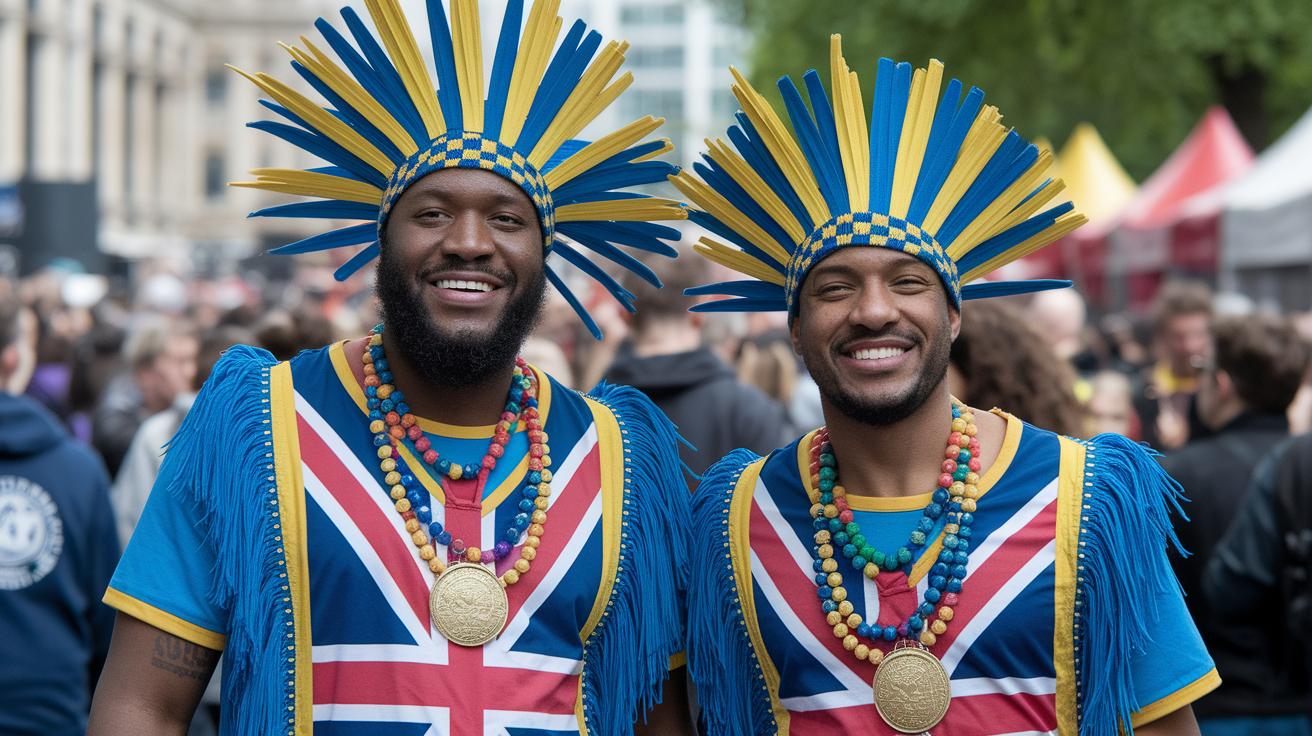
Caribbean migrants bring their cherished traditions with them, even when they're far from home. In bustling cities like London and Toronto, community centers and street festivals become friendly meeting spots where locals share food, language, and music. These get-togethers show that keeping old customs alive is about blending the past with exciting new cultural expressions.
Think about the Windrush Generation. Their stories remind us how deeply Caribbean families value caring for one another, no matter where they are. Many households keep traditions passed down through the years, creating a strong backbone for diaspora heritage. Whether it's a lively carnival or a cozy neighborhood reunion, these gatherings let elders and younger folks mix age-old rituals with modern life in a heartfelt way.
Ethnic community centers have become vibrant hubs for cultural revival. At these spots, traditional recipes are given a fun twist, family stories are shared with fresh insight, and everyday conversations pass along the native language. These centers help keep identity alive, offering both emotional warmth and practical support. Speakers at recent events even noted that staying true to these practices is key, especially as talks of new policies come up for the 2024 election.
In many cities, you can feel the lively spirit of the islands during cultural festivals. These celebrations highlight core values like community pride and heritage while giving Caribbean migrants a chance to honor their past and shape a bright future. It's a real display of cultural resilience that leaves everyone wondering, have you ever felt the island magic in the air?
Case Studies in Caribbean Intergenerational Kinship Care and Cultural Bonds
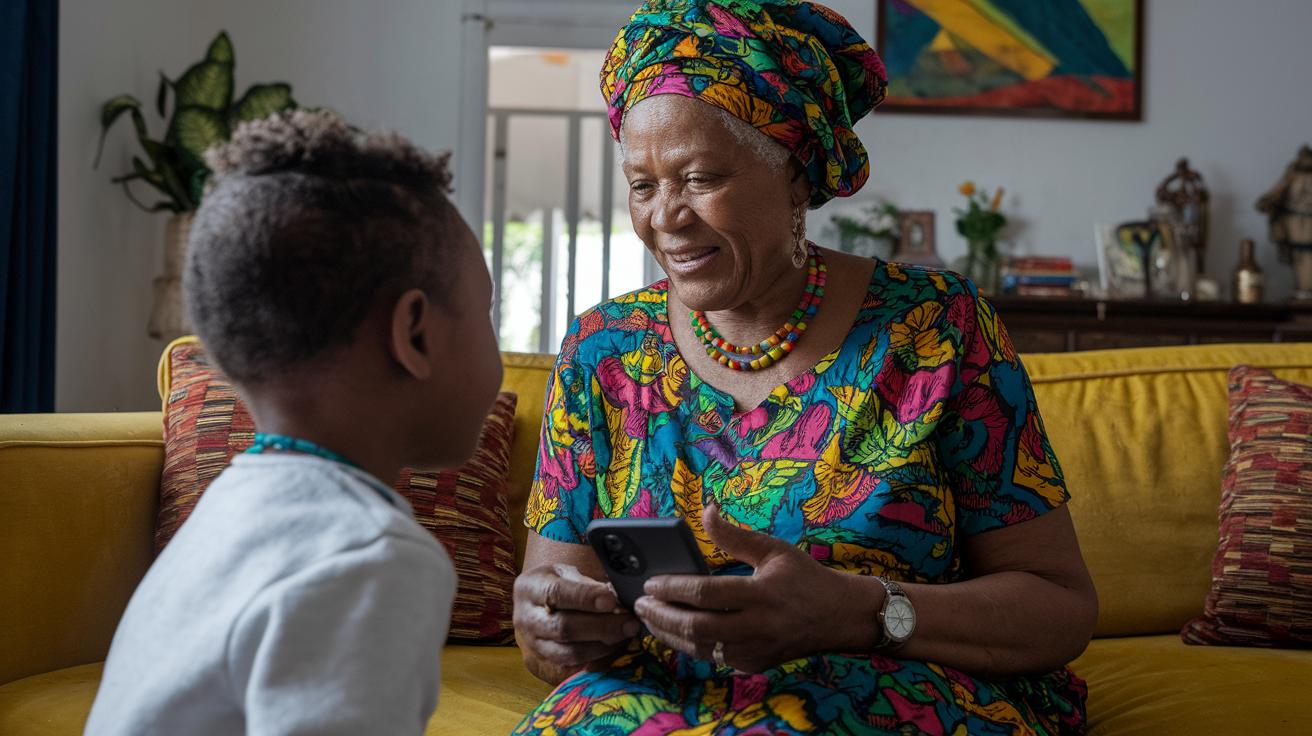
In Jamaica, a caring grand-aunt shows us what family care is all about. She isn’t doing it out of obligation, but because it’s a cherished tradition. Every day, she fills the room with lively stories that blend personal memories with the warm spirit of her culture. One conference speaker said, "When these caregivers share laughs and old lessons, they mend family bonds in ways money just can’t match."
Over in Trinidad, a colorful festival brings generations together. At special moments like naming ceremonies and baptism celebrations (a special event marking a child's entry into the community), elders guide younger family members in the art of storytelling. These events aren’t just formal rituals; they’re intimate gatherings where family values are shared, and the spark of cultural heritage is reignited.
Another story from the conference showed just how much these caring traditions matter. Even when the formal system falls short, children in kinship care flourish thanks to the love of their family networks. They grow up with shared storytelling sessions, friendly communal meals, and little celebrations that strengthen the ties across generations. Each of these stories reminds us how deeply family traditions can nurture a lasting cultural legacy.
Final Words
In the action, we explored scholarly ideas, historical roots, and the role of storytelling in keeping family wisdom alive. We looked at how community programs and personal examples help share cherished values. Each section offered a snapshot of how culture is passed down, from lived heritage to modern adaptations overseas. It all ties back to the magic of caribbean intergenerational cultural transmission, reminding us that genuine connections make every experience in these island communities truly memorable.
FAQ
What does Caribbean intergenerational cultural transmission pdf refer to?
The Caribbean intergenerational cultural transmission pdf examines academic research on how Caribbean family traditions and historical memory pass down over time. It outlines frameworks, case studies, and theoretical models in clear detail.
How does Caribbean intergenerational cultural transmission trauma affect communities?
The Caribbean intergenerational cultural transmission trauma highlights how historical disruptions and inherited pain influence family customs, oral storytelling, and identity formation, shaping the way communities preserve and practice their cultural traditions.
