Have you ever wondered if our old Caribbean traditions can keep up with the modern world? Local communities join forces with smart funding and new digital tools to keep special stories and skills alive. Elders share their wisdom while modern tools help capture every moment so that everyone can enjoy these traditions. This mix of the old and the new fills us with real pride and shows that Caribbean heritage grows with every shared memory and every kind visitor.
Core Caribbean Cultural Heritage Preservation Strategies

Local policies and funding are key to keeping our Caribbean traditions alive. Local governments and nonprofits team up to secure grants and financial help that preserve heritage sites and cherished customs. It’s a community effort too, with local voices, elders, and cultural experts sharing stories and skills so that the old ways stay vibrant and real.
New technology has also opened up fun and creative ways to capture and share these cultural tales. Digital archives, virtual tours, and live events let more people feel the heartbeat of Caribbean heritage in real time. And then there’s tourism, they’re creating respectful visitor experiences, hands-on educational tours, and lively festivals that celebrate tradition while boosting local economies. Strategic partnerships, like the one formed at the 49th CARICOM summit in Montego Bay on October 1, 2025, under the Enhanced Cooperation in Free Movement initiative, add even more momentum.
- Policy advocacy and grant acquisition
- Community memory archiving
- Digital and social media methods
- Historic site restoration and archiving
- Tourism-driven preservation initiatives
When all these approaches work together, Caribbean nations build a strong framework that honors cultural resilience and supports economic growth. Each element boosts the others, policy helps community voices, technology enriches storytelling, and tourism brings more people close to our beautiful traditions. The result is a network that not only fills local hearts with pride but also uses agreements like the CARICOM pact to create a caring space where tradition, history, and modern ideas blend to keep Caribbean culture thriving for generations to come.
Monument and Archival Restoration Strategies for Caribbean Cultural Heritage

Restoring Caribbean heritage is all about blending old-school fixes with new digital tools. Local folks work hard to save their historic treasures, whether they are strengthening buildings like Distillerie Neisson in Martinique or using digital methods to revive classic tales. It’s kind of like breathing new life into history, much like the heritage escape game in Saint-Pierre where experts rebuilt the 1902 ruins of an old prison through digital reconstruction. And it doesn’t stop there, programs like the UNESCO Information for All Programme are busy turning physical archives, art, and even spoken stories into digital formats so people from around the world can enjoy them too.
These combined efforts help protect cherished traditions and invite new generations to experience a slice of the Caribbean’s rich past. Local specialists use their strong material analysis skills alongside time-tested techniques to ensure every restoration respects the original charm of each site. They even use local materials, keeping the spirit of the culture alive and well for those who will come after us.
| Site/Program | Strategy | Outcome |
|---|---|---|
| Distillerie Neisson (1932) | Structural reinforcement + interpretive tours | Ongoing visitor engagement |
| Saint-Pierre prison escape game (2025) | Digital reconstruction + interactive experience | Renewed public interest |
| UNESCO Info for All Programme | Archive digitization + oral history recording | Global online access |
Community Memory Archiving in Caribbean Cultural Heritage Preservation

Imagine a sunny workshop where about 2,500 young folks from Barbados come together to learn cool digital skills and storytelling. These sessions give them a chance to dive into digital archiving, a way to record local spoken stories and protect traditional art in a fun, fresh style. It’s really heartwarming to see their smiles as they connect with their roots using today's modern tech.
Then there are live-stream events that add even more energy to the mix. Take a recent Facebook Live chat about Maroon heritage, for example, it pulled over 50,000 viewers and built a lively online community that feels just as vibrant as a local festival. And on TikTok, traditional dance clips have reached 200,000 views, sparking creativity and making folks excited about keeping their folklore alive.
Below are some highlights of what’s happening:
- Webcasts of traditional music and crafts
- Digitized oral-history interviews
- Facebook Live heritage chats (over 50,000 viewers)
- TikTok folkloric dance showcases (over 200,000 views)
- Storytelling sessions led by online influencers
However, not everything is smooth sailing. Many of these community projects struggle with little extra cash, which limits access to up-to-date equipment. Some community centers still use old tech, which slows down progress. And in rural areas, spotty internet makes it hard for everyone to join in on live streams.
These challenges remind us that preserving cultural memories is as vibrant and raw as the Caribbean itself, full of passion and occasional hurdles, but always worth the journey.
Policy Advocacy and Funding Models for Caribbean Cultural Heritage Preservation
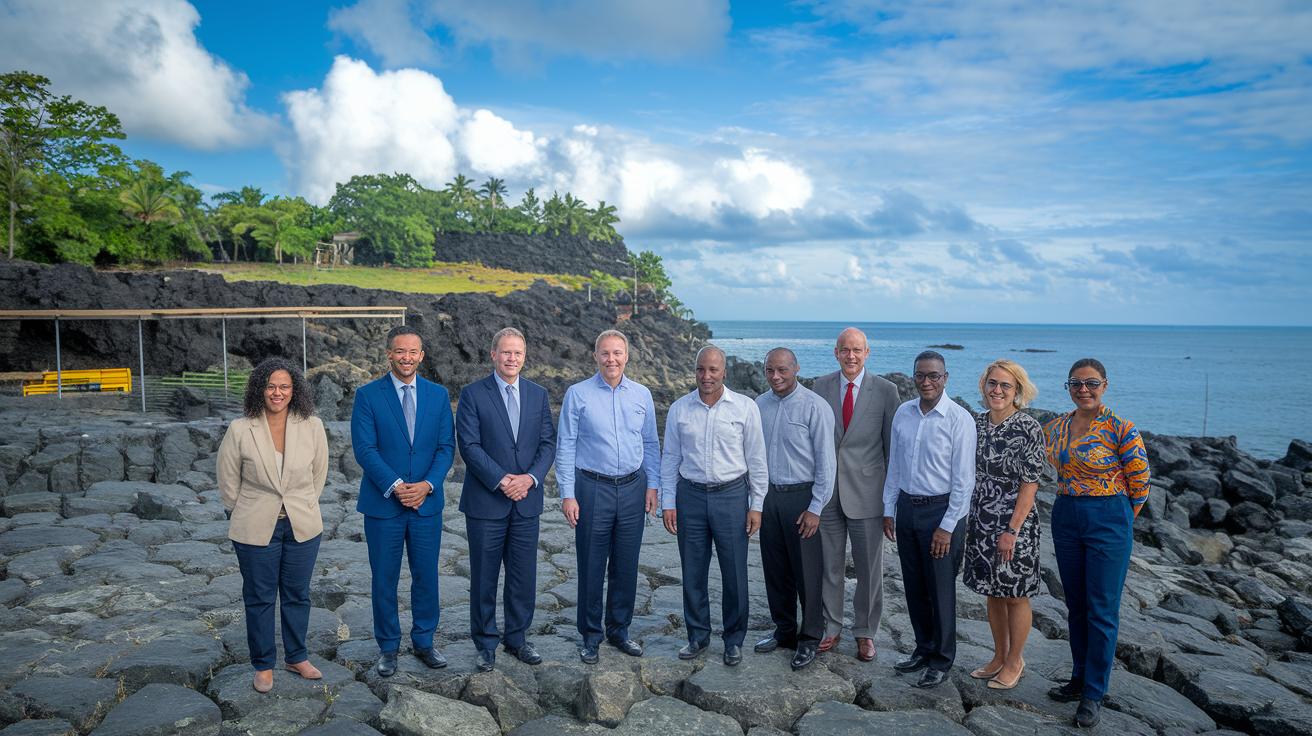
Caribbean communities still face money challenges that make it hard to care for their one-of-a-kind cultural spots. With tight budgets and only occasional government help, it’s clear that we need strong policies and a united push. At a recent CARICOM summit (a big meeting where Caribbean leaders share ideas), folks discovered that mixing public funds, private backing, and small grants from NGOs can spark local restoration.
Local leaders, nonprofits, and community groups need to speak up for smarter ways to fund these projects. They should work together to get cash now and in the future, ensuring the preservation of treasures that bring the Caribbean spirit to life.
| Heritage Funding Models |
|---|
| National heritage grant programs |
| Public-private restoration partnerships |
| Tax incentives for cultural donations |
| NGO-led microgrant schemes |
| Community fundraising and engagement campaigns |
It’s really important to track how these models work. Simple asset checks can help show progress and guide funding tweaks along the way. By measuring what makes a difference, communities and policy makers can build a stronger case for more unified support. This way, the Caribbean’s heritage can be cherished and kept alive for generations to come.
Tourism-Driven Strategies for Caribbean Cultural Heritage Preservation
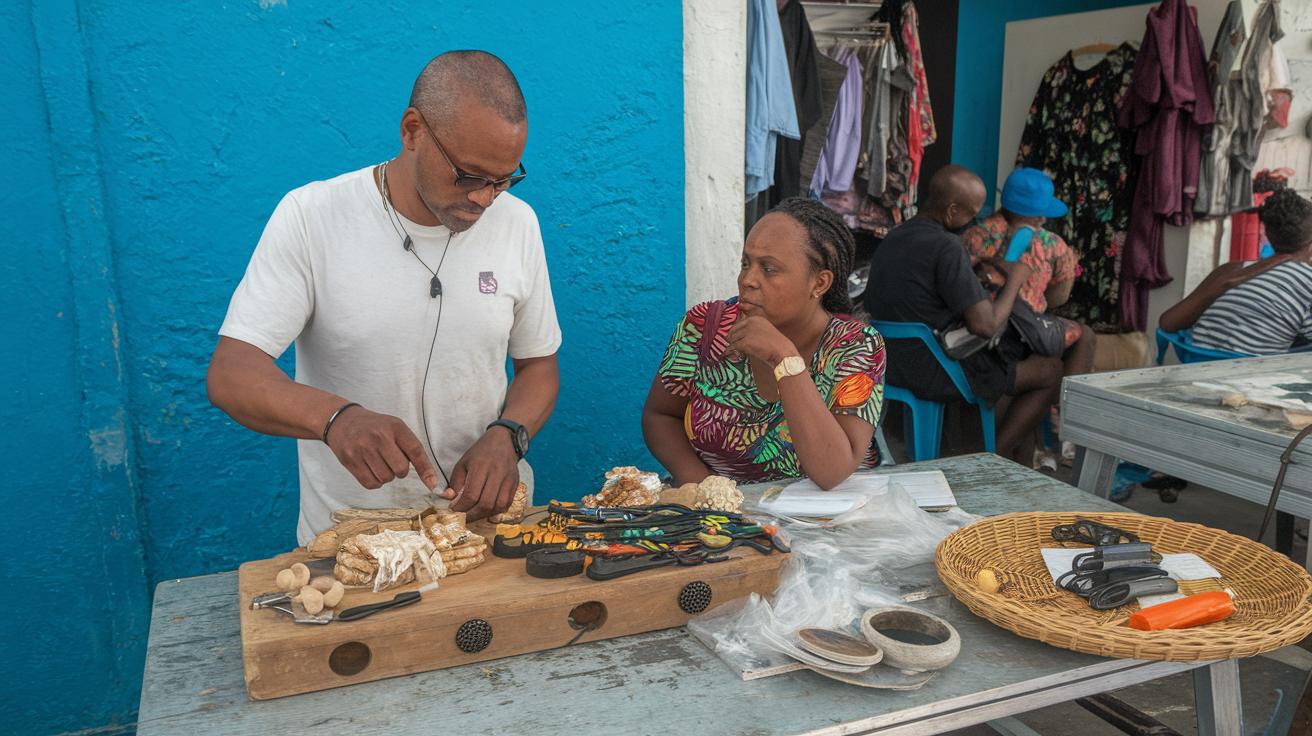
Responsible tourism in the Caribbean isn’t just about snapping beautiful photos; it’s about celebrating local culture while respecting its deep-rooted traditions. Imagine strolling through a lively market or joining a hands-on workshop, these experiences blend the magic of old customs with a touch of modern comfort, letting you feel the heartbeat of the islands.
Take a look at festivals like Carnival in Trinidad and Tobago, Junkanoo in The Bahamas, and the Reggae festivals in Jamaica. These events aren’t only big on fun, they set the stage for learning about the islands’ rich heritage. You can watch local music, dance, and even sample delicious, traditional food, all while getting a real feel for the crafts and skills passed down through generations.
The Caribbean also cares a lot about protecting its natural and cultural treasures. Many sites have visitor limits and clear guidelines to keep the delicate balance between showcasing heritage and taking care of the land. This thoughtful approach means that the special charm of these places remains untouched for future generations.
And here’s a bright side: these smart tourism practices bring economic benefits too. They create new jobs and grow local businesses, sharing the rewards of keeping Caribbean culture alive with both residents and visitors. It's a win-win that keeps the islands vibrant and full of life.
Final Words
In the action, our post explored policy and funding, community archiving, digital preservation, and tourism-driven strategies for Caribbean cultural heritage. Each section ties together ideas for honoring local traditions while guiding efficient travel experiences.
By highlighting these aspects with caribbean cultural heritage preservation strategies, the piece shows how thoughtful planning and local spirit pave the way for a more connected, thriving Caribbean. This outlook leaves us inspired and ready for many sunlit, memorable moments ahead.
