Have you ever wondered if a Caribbean getaway is possible during hurricane season? It might sound a bit risky, but with a little smart planning, you can enjoy a safe and fun trip. Imagine picking the perfect day for a beach outing by checking the weather forecast and having all the right gear ready. In this easy guide, we’ll share simple tips like keeping an eye on local weather and getting proper travel insurance so that a possible storm becomes just a small pause in your unforgettable island adventure.
Essential Planning Tips for Caribbean Travel During Hurricane Season
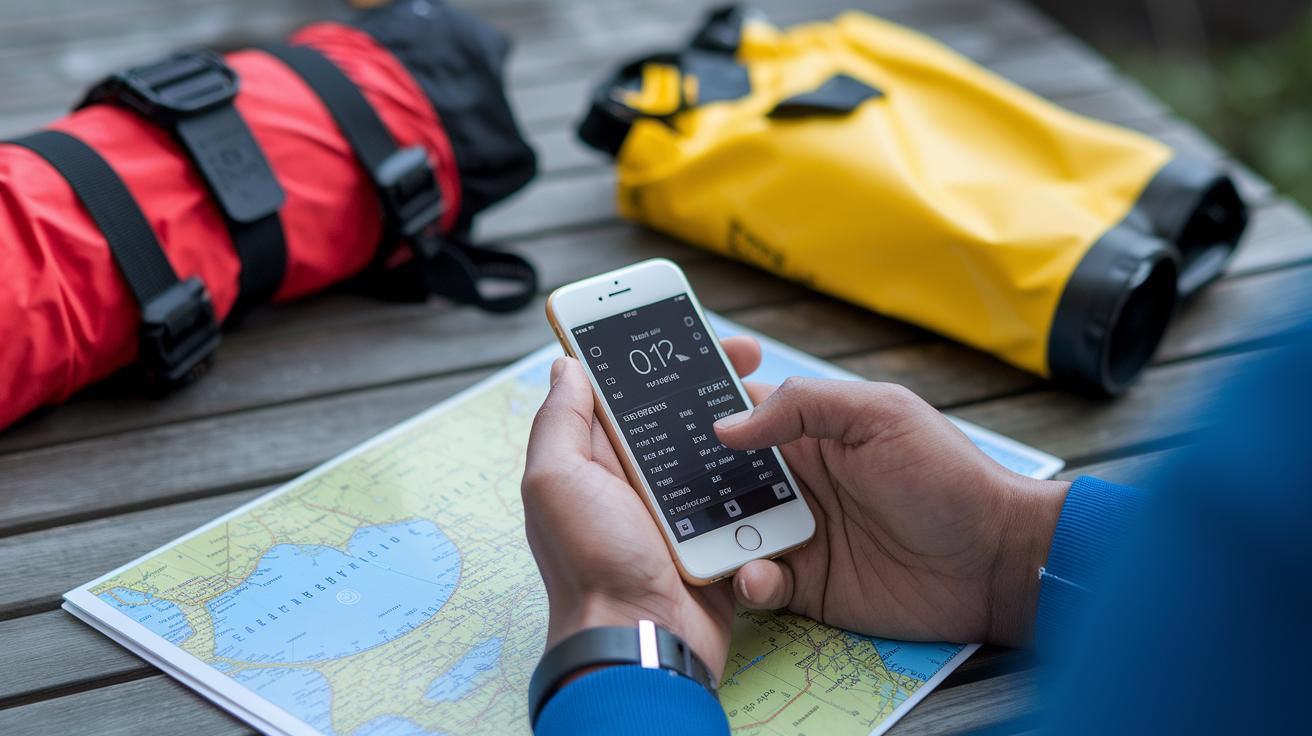
Traveling to the Caribbean during hurricane season can be an exciting yet unpredictable adventure. Hurricanes run from June 1 to November 30, with the strongest storms usually forming from late August to early October. Even during quieter months, tropical storms can surprise you, so staying updated on the weather is key.
Before you set off, think of checking the forecast like picking the perfect day for a beach picnic. Keep an eye on the local weather reports, pack your favorite waterproof gear, and arrange travel insurance that covers weather delays. A little extra planning goes a long way in turning potential surprises into minor detours on your journey.
Taking time to review travel schedules and local advisories will help you relax, no matter what the weather brings. After all, a smooth plan means you can focus on the fun and beauty of the Caribbean.
| Tip | Description |
|---|---|
| Season Dates | Know that hurricane season runs from June 1 to November 30. |
| Peak Risk Months | Expect the highest storm activity between late August and early October. |
| Forecast Monitoring | Check reliable sources frequently for weather updates. |
| Insurance Recommendation | Secure travel insurance that covers delays and cancellations due to stormy weather. |
| Packing Essentials | Bring waterproof clothing and other gear to handle sudden showers. |
| Contingency Planning | Plan for alternate activities in case storms affect your itinerary. |
Evaluating Safe Caribbean Travel Destinations and Peak Storm Periods
When planning your next getaway, it helps to know that where an island sits can really change its storm story. Islands resting below the main hurricane belt usually dodge the worst of the weather. Take Aruba, Bonaire, and Curaçao, for example, they typically see fewer strong storms. Aruba, for instance, only felt a few ripples from Hurricane Felix back in 2007, even though it came within about 60 miles. Bonaire had its big storm moment in 2016 after nearly ten calm years, while Curaçao experienced just a little flooding during Hurricane Tomas in 2010. Even islands like Grenada and Barbados, while not completely safe from storms, usually face milder weather compared to others. All this means that by understanding these trends, you can pick an island that feels a bit safer during storm season, though no spot is totally risk-free.
| Island | Relative Risk Level | Notable Historical Impact |
|---|---|---|
| Aruba | Low | Few effects from Hurricane Felix (2007; about 60 miles away) |
| Bonaire | Low | First major hurricane in a decade (2016) |
| Curaçao | Low | Just some localized flooding during Hurricane Tomas (2010) |
| Grenada | Moderate | Generally fewer direct storms; known for its calm vibe |
| Barbados | Moderate | Typically lower storm frequency, though still somewhat in the risk zone |
When you're setting up your Caribbean escape, think about timing your visit just before or after the storm peak. The busiest time for hurricanes is usually from late August to early October. By tweaking your travel dates to sidestep these stormy months, you can enjoy smoother, more relaxed days on those sunny shores, just like planning a perfect beach day with gentle ocean breezes and calm waves.
Travel Insurance Overview for Caribbean Travel During Hurricane Season
Hurricane coverage is super important because it keeps you safe when sudden tropical storms mess with your travel plans. Imagine avoiding the stress of cancellations, delays, or last-minute hotel changes. With the right insurance, you can focus more on enjoying that warm Caribbean vibe.
Most plans help with weather-related problems, but the details can differ from one provider to another. Some even let you get a refund if a storm forces you to change your plans, while others might require proof like an evacuation notice or a port closure message. Think of it like double-checking your packing list before a trip – you want to know exactly what’s covered so there are no surprises down the road.
When it's time to file a claim, gather all your supporting evidence, such as official weather alerts or notifications from local authorities. This documentation makes it easier to prove your case. And if your claim gets denied, many policies allow you to provide more details and try again. Keeping your records handy can really smooth out the process if you ever need to use your coverage.
Flexible Itinerary and Booking Adjustments for Caribbean Travel in Storm Season
When you're traveling in the Caribbean during storm season, it's smart to have plans that can change as quickly as the weather does. If a tropical storm rolls in, being flexible lets you swap a beach day for another fun activity or adjust your check-in time without any hassle. This keeps your trip fun, even when the skies get a bit wild.
Before you set out, it can really help to sort out vendor agreements. Airlines and hotels, in many cases, offer options that give you some wiggle room. Think of it as having a backup plan so that if your flight is delayed or the hotel changes, every switch is smooth and stress-free. Using booking sites that detail flexible change or cancellation terms makes the difference, like choosing a sunny day for a picnic only when the forecast agrees with you.
Try to keep your schedule open by planning for a few extra options. Note down possible changes like different departure times, alternate transport ideas, or even backup harbors if a port needs to close. With a flexible itinerary, you’re all set for those times when Mother Nature decides to make her own plans.
Safety Regulations and Emergency Blueprint for Caribbean Travel in Hurricane Season
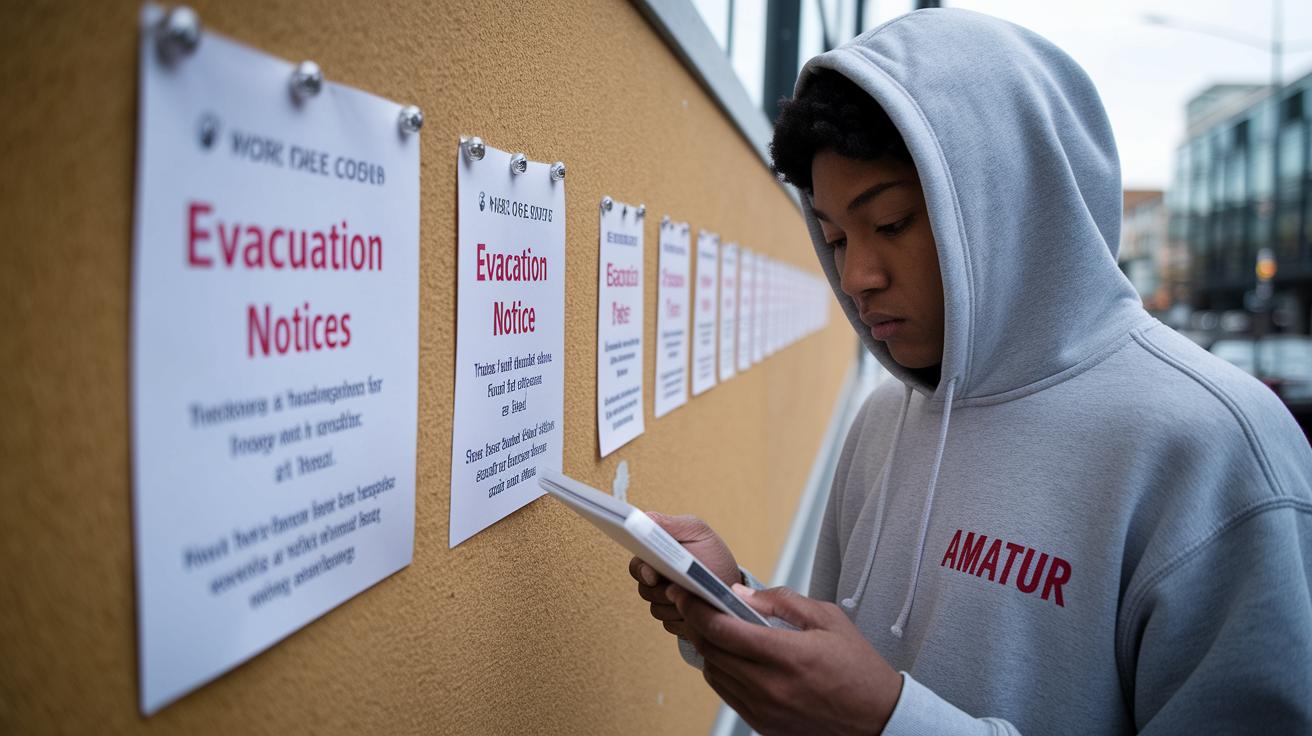
When storms are brewing, local officials often alert everyone about evacuations, closed harbors, and curfews. It’s a good idea to check local notice boards and announcements to see if any changes might affect your travel plans.
Getting the latest updates is easier than you might think. Head over to coastal health centers or consular offices where you can get crisis contact numbers and help with evacuations. You might also tune in to radio broadcasts, peek at bulletin boards, or check community social media for the newest tips on safe routes and other precautions. Knowing where to find these updates before you set out means you’ll be ready if conditions suddenly change.
Storm warnings can lead to sudden harbor closures, messing up your travel plans. So, be prepared to change your schedule if ferries or boats cancel their trips. A quick tip: arrange backup transport options ahead of time, just in case.
After the storm passes, it’s important to have a solid post-storm plan. Consular offices and local support centers can help you find temporary lodging and new ways to travel from affected ports. Local community centers often become meeting spots where you can get updated crisis contacts and learn about recovery plans. This kind of support not only keeps you safe but also helps you get back to your scheduled adventures with less hassle.
Utilizing Local Advisories and Weather Monitoring Tools for Caribbean Travel During Cyclonic Voyage
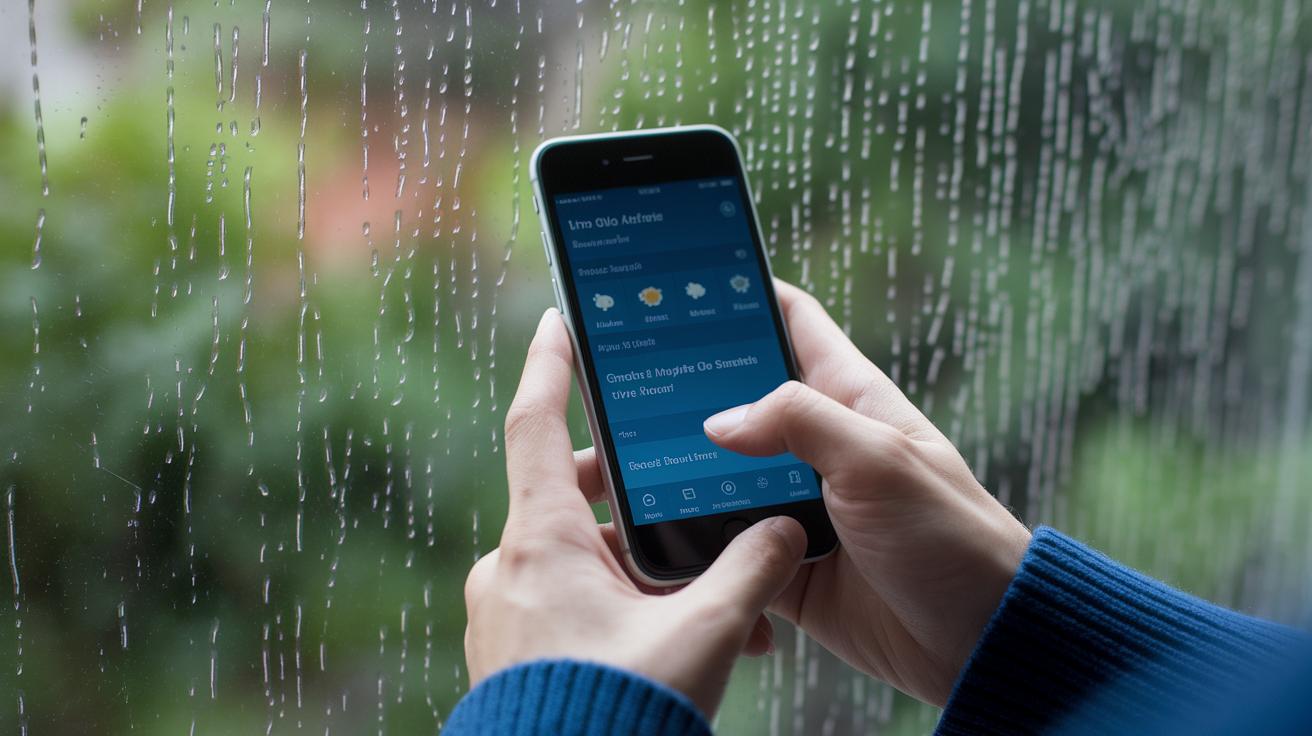
Using more than one weather source means you're more likely to catch storm signals early on. Mixing official hurricane center updates with local advisories and trusted social media gives you a fuller picture of what to expect. It’s kind of like checking a few clocks to be sure you’re on time, each source can highlight a detail that helps you adjust your plans.
Setting up alerts from weather agencies is easier than you might think. Just download a weather app on your phone that sends location-based notifications, or sign up through a local government website for SMS or email updates. This way, you get real-time messages about tropical storm developments, so you’re never caught off guard.
Adding local advisories into the mix is equally important. Local apps and community bulletins often share quick updates about small changes, like a sudden shift in wind or an unexpected drizzle. Checking these tips regularly gives you that extra insight, so you’re always one step ahead of changing weather.
Budget Considerations and Offseason Benefits for Caribbean Travel During Hurricane Season
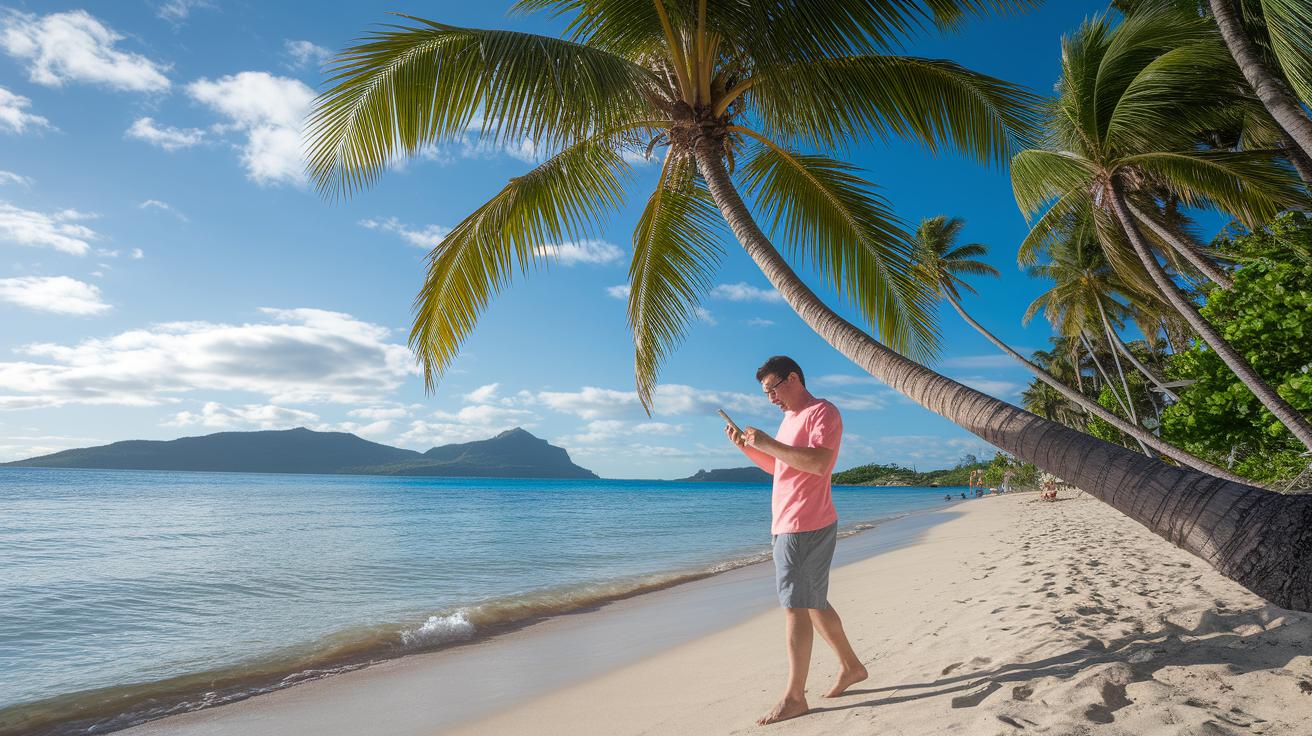
Traveling to the Caribbean during hurricane season might sound a bit risky, but it can actually help you save a bunch of money. With fewer people around, you can catch great deals on both flights and hotels. Imagine relaxing with the sea breeze knowing you’ve saved enough extra cash for a special treat, like a local breakfast or a small adventure off the beaten path.
When you compare busy vacation times with the quieter off-peak months, the difference in prices is clear. In busy times, plane tickets and hotel rooms usually cost more because everyone wants a slice of the action. But during hurricane season, airlines and hotels often lower their rates to attract visitors. It’s like finding a hidden gem, prices drop and you might even score perks like free breakfasts or local discounts thanks to the relaxed crowd.
Keep an eye out for travel bundles that include flights, hotels, and even local tours at a discount. Setting up fare alerts and comparing prices can help you snag the best deals during this quieter season. This flexible approach not only saves you money but also gives you the option to adjust your plans without hefty fees if the weather shifts.
Destination-Specific Advice for Caribbean Travel During Hurricane Season: ABC Islands and Beyond
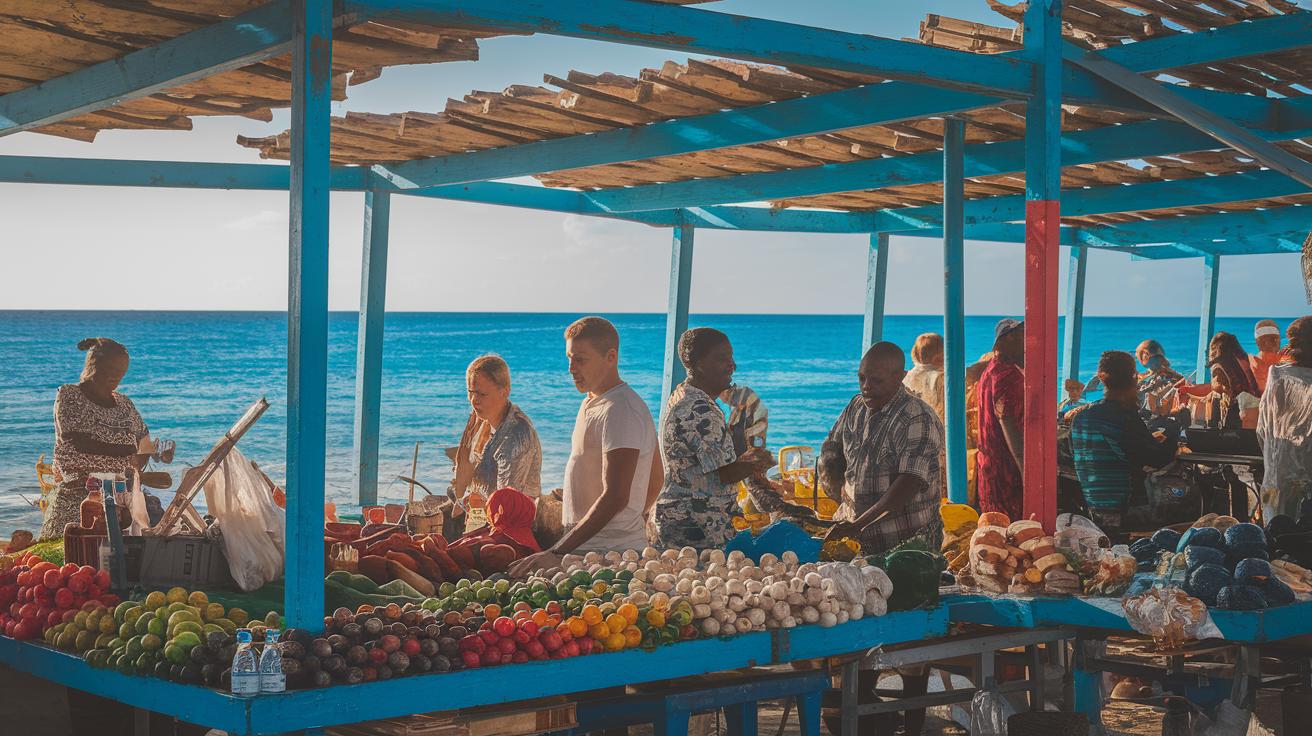
When the weather is more predictable, these islands let you relax and fully enjoy their culture. Lower-risk spots are filled with bright local traditions, lively markets, and historic places that show off Caribbean life. Imagine spending a day that feels both secure and breezy, like wandering through a friendly open-air market.
Aruba mixes comfort with style. You can gaze at the California Lighthouse that has quietly kept watch for years and enjoy a plate of fresh seafood that tastes exactly like the ocean. Step outside and feel the warm ocean breeze blend with the aroma of grilled fish. It’s proof that good food and safe travel go together perfectly.
Bonaire is a gem with its famous flamingo lagoons and cute artisan markets. As you stroll by the peaceful lagoons, every moment is as refreshing as a cool swim in clear Caribbean waters. Small local shops offer handmade crafts that whisper the island’s unique story.
Curaçao invites you to explore its historic Willemstad waterfront, where vibrant Dutch buildings meet hearty local stews. The streets sing with music and gentle laughter, creating a sense of security and cultural richness that brightens even a rainy afternoon.
Grenada, often called the spice isle, charms with nutmeg-scented dishes and fun cocoa-farm tours. Local festivals celebrate everything from spice plantations to unique culinary treats, making every day feel like a safe and joyful celebration.
Final Words
In the action, we shared practical tips on planning, safe island picks, and flexible itineraries, with smart insurance and local alerts guiding your caribbean travel during hurricane season.
We broke down how to check weather updates, pack smart, and even save on off-peak fares, all while enjoying local culture and eco-friendly practices. Every bit of advice is meant to help you plan a smooth, worry-free escape under those Caribbean skies. Enjoy the ride and make your trip unforgettable.
FAQ
What does all-inclusive Caribbean travel during hurricane season offer?
All-inclusive Caribbean travel during hurricane season offers fewer crowds and competitive deals with flexible booking options. Travelers enjoy quieter resorts while remaining ready if weather shifts occur.
What are safe Caribbean destinations and which islands should be avoided during hurricane season?
Safe Caribbean destinations often include islands like Aruba, Bonaire, and Curaçao that sit outside intense storm paths, while peak storm months from late August to early October can impact other areas.
When does hurricane season occur in the Caribbean and Gulf of Mexico, including for 2025?
Hurricane season runs from June 1 to November 30 in the Caribbean and follows similar dates in the Gulf of Mexico. Peak storm activity typically happens from late August through early October, including 2025.
Which U.S. beaches tend to avoid hurricanes?
Some U.S. beaches, such as those in California, are generally less affected by hurricanes, while many East and Gulf Coast locations experience a higher risk during storm season.
How does Caribbean hurricane history by month and season maps help travelers?
Caribbean hurricane history and season maps reveal that most activity peaks in late summer. They help travelers plan by showing common weather patterns and guiding them on the best times to visit.
How do hurricanes affect flights during the storm season?
Hurricanes often lead airlines to cancel or reschedule flights for safety reasons. Keeping up with flight updates and opting for flexible travel options can reduce travel disruptions.
