Have you ever seen art as a tool to fight for fairness? Caribbean art bursts with bright colors and bold brushstrokes. It turns empty canvases into stages where stories of protest come alive, a tradition that began with the Caribbean Artists Movement in London. Back then, a group of passionate artists used creative defiance to challenge old systems, and today that vibrant spirit continues. Caribbean art not only lifts up communities but also inspires change, inviting us to view every piece as both a personal expression and a call for a kinder, more equal world.
Caribbean Art and Protest: Tracing Historical Roots
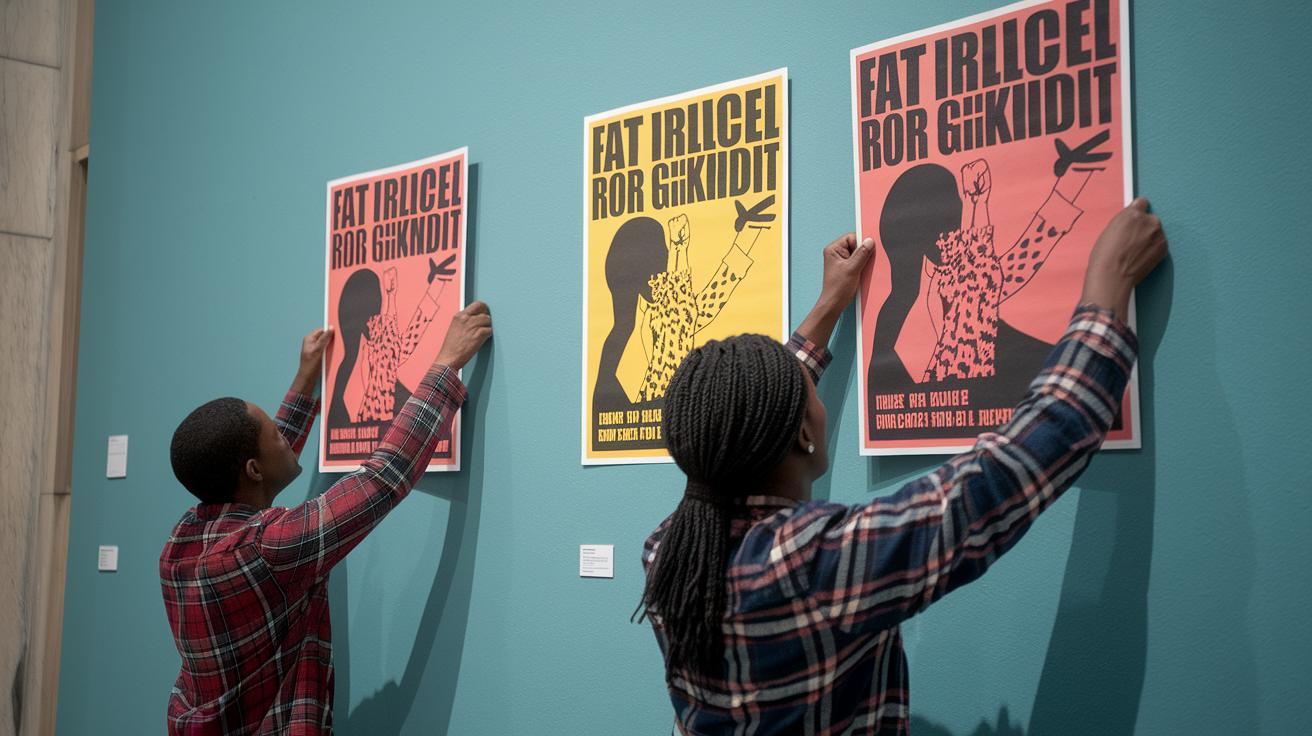
Caribbean art has long been a spark for change ever since the Caribbean Artists Movement (CAM) started in London back in 1966 with Edward Kamau Brathwaite, Andrew Salkey, and John La Rose. They brought together a mix of artists, writers, and critics to use art as a way to speak out against deep-rooted injustice. Fun fact: before CAM, many Caribbean voices were left out of the mainstream art scene, but this group turned protest into a powerful cultural shout.
From its humble beginnings, CAM’s ideas spread far and wide. Think about 29 March 2017, on Brexit Day, around 20 curators, artists, and writers gathered in the Tate Britain boardroom during the Caribbean Salon Event. They took a moment to look back at how early protest art set the stage for the creative ways we express social ideas today, much like the lively beat of island music that still echoes in today’s protests.
Then in 2017, The Tropical Is Political exhibition at the Americas Society made it clear that Caribbean art was one big tool for protest. The show walked us through history from the dark days of plantation slavery to the modern world of service jobs. It used three main ideas, body, territory, and finance, to explore how power has changed over time. In this journey, art grew into a way not only to express oneself but also to spark conversations about what Caribbean culture really means.
Caribbean Art Movements of Protest and Identity
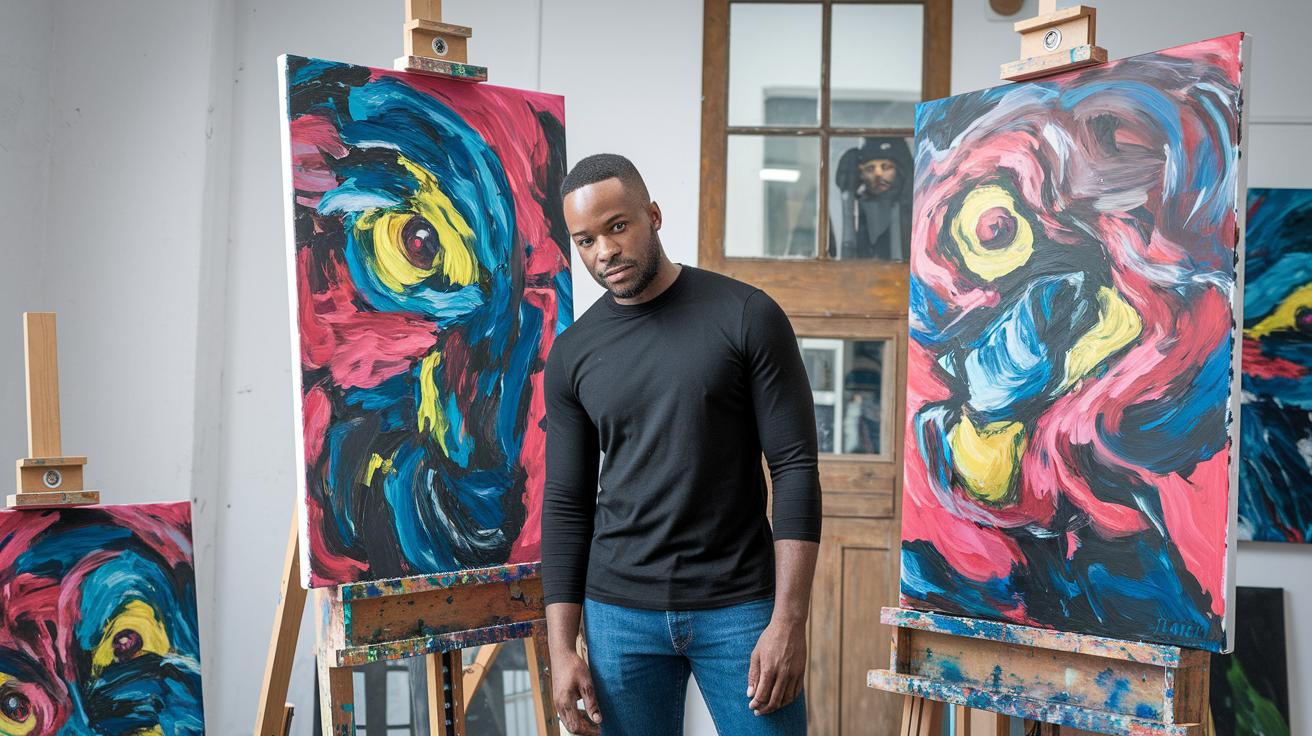
The Caribbean Artists Movement brought together passionate artists, writers, and activists from the English-speaking Caribbean and Guyana. They used art as a bold way to speak out against unfairness, mixing creativity with pride in their roots. Their works burst with island spirit, challenging old colonial ideas and calling for a fresh start.
Paul Dash, who came from Barbados, found his own voice after moving to Britain in 1957. He spent many years teaching art in London, from 1970 until 2014, and his lessons critiqued racism while inspiring a whole new way to see art. His journey is a mix of personal hurdles and big wins, making his work a lasting symbol of West Indian creative bravery.
Errol Lloyd, whose life in Jamaica deeply flavored his outlook, blended vivid words with strong imagery. His art and writing pushed back against colonial traditions and encouraged others to look at history with new eyes. His creations let you feel the raw passion and determination that went into every line and every brushstroke.
Together, these artists carved a path that celebrates bold self-expression and true cultural identity, a reminder that art can be a powerful call for change.
Caribbean Artists Pioneering Protest Art
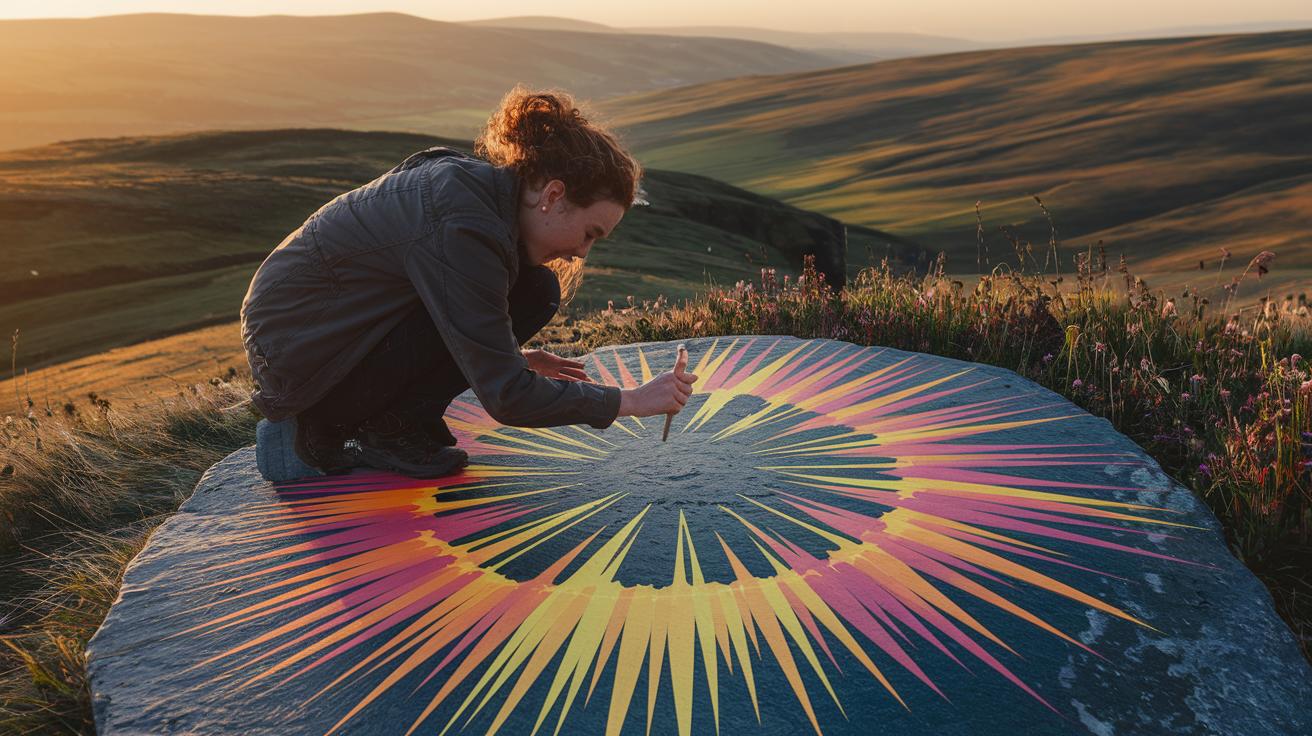
Jamaican-Canadian artist Ceilidh Munroe turns classic canvases into lively stages for protest art on lands with deep histories. Her work ties together past struggles and today's issues, showing that art can shout out against unfair systems. Imagine reading, "Before protesting, art was just a whisper; now it roars." That line really captures how her pieces speak powerfully about community resistance.
Lynn Parotti’s installation, Tar Baby, takes on ideas of climate justice and migration with bright, bold colors and flowing shapes. Her style feels like a burst of rum-soaked impressionism, raw and full of energy. With every brushstroke, you can feel the deep call for change, a mix of defiant spirit and personal stories.
Michael McMillan’s piece, The West Indian Front Room, has traveled from the Netherlands to Curaçao and South Africa, winning hearts around the world. Blending reggae vibes with striking images, his work creates a chat among different voices about both old and new injustices. His shows are like open forum gatherings, inviting everyone to reflect on our global struggles.
Meanwhile, Graeme Evelyn’s giant painted relief, The Eternal Engine, set to debut in Tottenham, measures a whopping 5 by 3 meters. It takes on industrial exploitation with bold images and sweeping lines that hit you right in the eye. With its size and strength, this work stands as a lasting reminder of how art can fight on and inspire resistance.
These artists blend visual art with activism, using every stroke to challenge power and spark talks about equality. Their work isn’t just about stunning visuals, it’s a tool to reshape our conversations about fairness across communities.
Themes in Caribbean Protest Art: Issues and Imagery
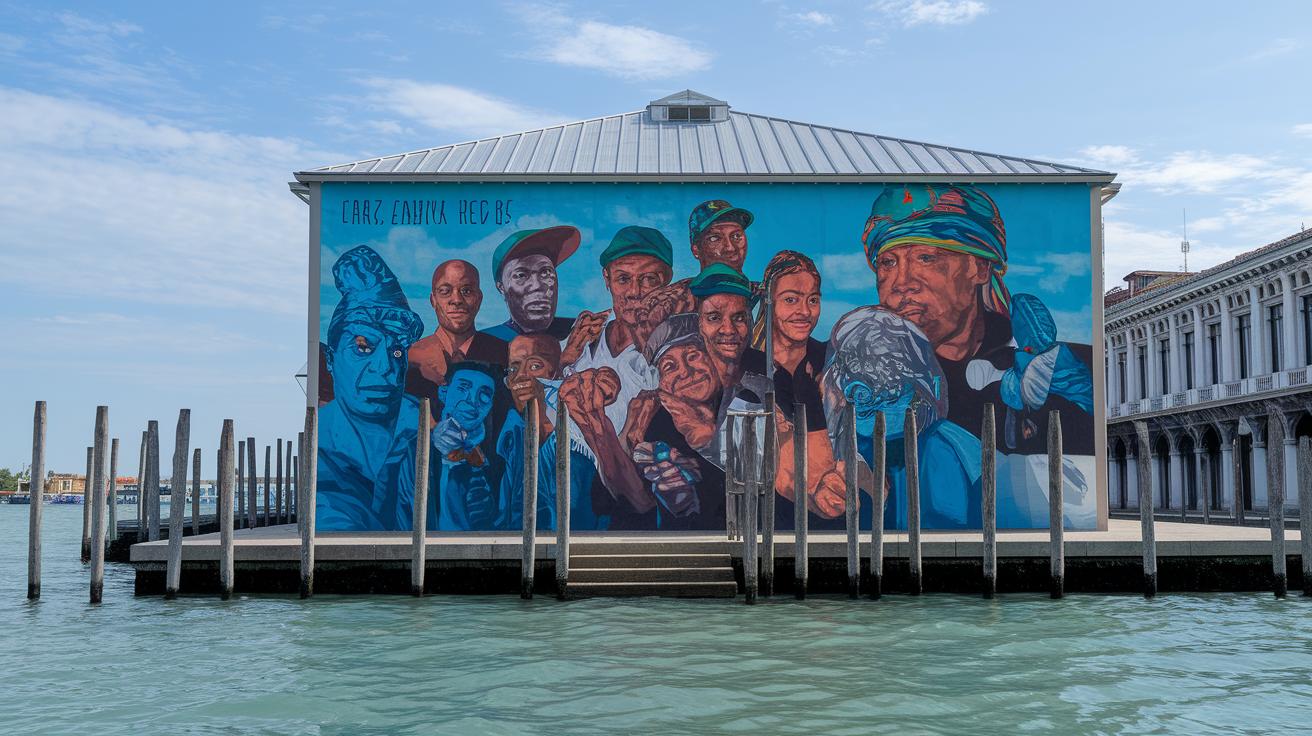
The Diaspora Pavilion at the Venice Biennale, backed by a £300,000 Tactical Interventions fund, offers a fresh view of Caribbean protest art. This event moves beyond the usual themes and sparks conversations about how art can challenge old power rules and economic unfairness.
Imagine a mural that turns familiar scenes into powerful messages calling us to rethink history. Each brushstroke nudges us to see how past racial and money issues shape who we are today.
By centering the Diaspora Pavilion, the focus shifts to reimagining how history is seen and understood through creative expressions. This new perspective deepens our conversations about social and economic issues, inviting everyone to see protest art as a spark for real change.
Contemporary Caribbean Art Installations and Public Protest
At the Eastern Edge Artist-Run Centre in St. John's, art talks and protests join in a lively dance. Their show, "Art as Protest, Protest as Art," creates a space where local voices mix with creative energy, imagine a coastal breeze carrying bold ideas. The installations remind you of vast seashores and the heartbeat of coastal life, giving everyone a chance to speak out on social issues.
Inside, workshops in the Main Gallery, rOGUE Gallery, and through the FARR Program invite the community to get hands-on with art as a tool for change. People share stories and dive into creative exchanges, much like gathering around a campfire to swap favorite travel memories. Open residency calls and partnerships with Artforce NL help spark grassroots efforts, turning art into a movement for justice. Public events like HF Zinefest in 2023 and 2025, along with HOLD FAST editions in 2022 and 2024, mix beachside installations and live performances to bring art right into everyday protest, lighting the path for new voices and fresh ideas.
Impact of Caribbean Protest Art on Social Change
Caribbean protest art is now a real force in sparking policy debates and uniting community groups. Research shows that neighborhoods showcasing bayfront photography nonconformity see up to a 20% increase in public talks about policy changes. In one coastal district, art displays even led to a 15% jump in youth-led policy meetings, proof that creative visuals can move people beyond just the gallery.
Modern art techniques, like horizon-bound stencil counteraction, are encouraging local groups to host public forums and citizen assemblies. Community organizers say these installations kick off meaningful conversations, prompting officials to take a closer look at civic policies. As researcher Marcus J. shares, these artworks have turned a quiet view into an active dialogue.
| Expert | Observation |
|---|---|
| Marcus J. | “Protest art shifts discourse from the gallery to policy halls.” |
| Dr. Angela R. | “Imagery like bayfront photography nonconformity compels communities to voice their concerns in official meetings.” |
Local scholars have taken note as well. Recent studies reveal that when these art forms become part of public education, policy debates grow more inclusive. One study highlighted student-led projects inspired by art that sparked fresh discussions about social change.
Final Words
In the action, we saw how protest and creativity combined to tell powerful Caribbean stories. This article traced roots from the Caribbean Artists Movement to contemporary art events that spark social dialogue. Each piece of caribbean art served not just as an expression, but as a way to challenge old ways and inspire new thoughts. The vibrant local history and ongoing public installations remind us that art holds the strength to make voices heard. Every brushstroke and installation speaks to the resilience in Caribbean communities.
FAQ
Frequently Asked Questions
What are examples of Caribbean art as a form of protest?
Caribbean art as a form of protest features works by groups like the Caribbean Artists Movement and pieces such as Michael McMillan’s “The West Indian Front Room” and Graeme Evelyn’s relief “The Eternal Engine,” which challenge social norms.
What does Caribbean art as a form of protest PDF refer to?
Caribbean art as a form of protest PDF refers to electronic documents that compile essays, images, and analyses on how art has been used to question social and political issues across the region.
What highlights were there in Caribbean protest art 2022?
Caribbean art as a form of protest in 2022 featured recent exhibitions and public installations that showcased artist-led initiatives, using creative displays and performances to raise awareness on local social concerns.
How can art be used as a form of protest?
Art can be used as a form of protest by conveying dissent, sparking public discussion, and challenging established views through powerful imagery, public displays, and creative expressions that question tradition.
What are the cultural aspects of art in the Caribbean?
The cultural aspects of art in the Caribbean express the region’s history and social values, blending folk traditions, music, and local storytelling into visual expressions that capture island life.
Which art movement started as a form of protest?
The Caribbean Artists Movement (CAM) began as a form of protest by uniting artists, writers, and activists to challenge colonial legacies and racial oppression through creative expression.
What are some famous examples of protest art?
Famous examples of protest art include Michael McMillan’s installations and Graeme Evelyn’s painted relief “The Eternal Engine,” which raise questions about industrial practices and social issues.
