Ever felt the pulse of defiance in the Caribbean? Every brush stroke and lyric bursts with tales of courage, born from long years of resisting old rules.
Scholars dig deep into art, texts, and everyday life to uncover how that bold spirit of rebellion reshaped the islands. When you listen to both the loud protests and quiet moments of resolve, you see a Caribbean story full of hardship, hope, and strength that still inspires today.
Scholarly Framing of Resistance Narratives in Caribbean Cultural History
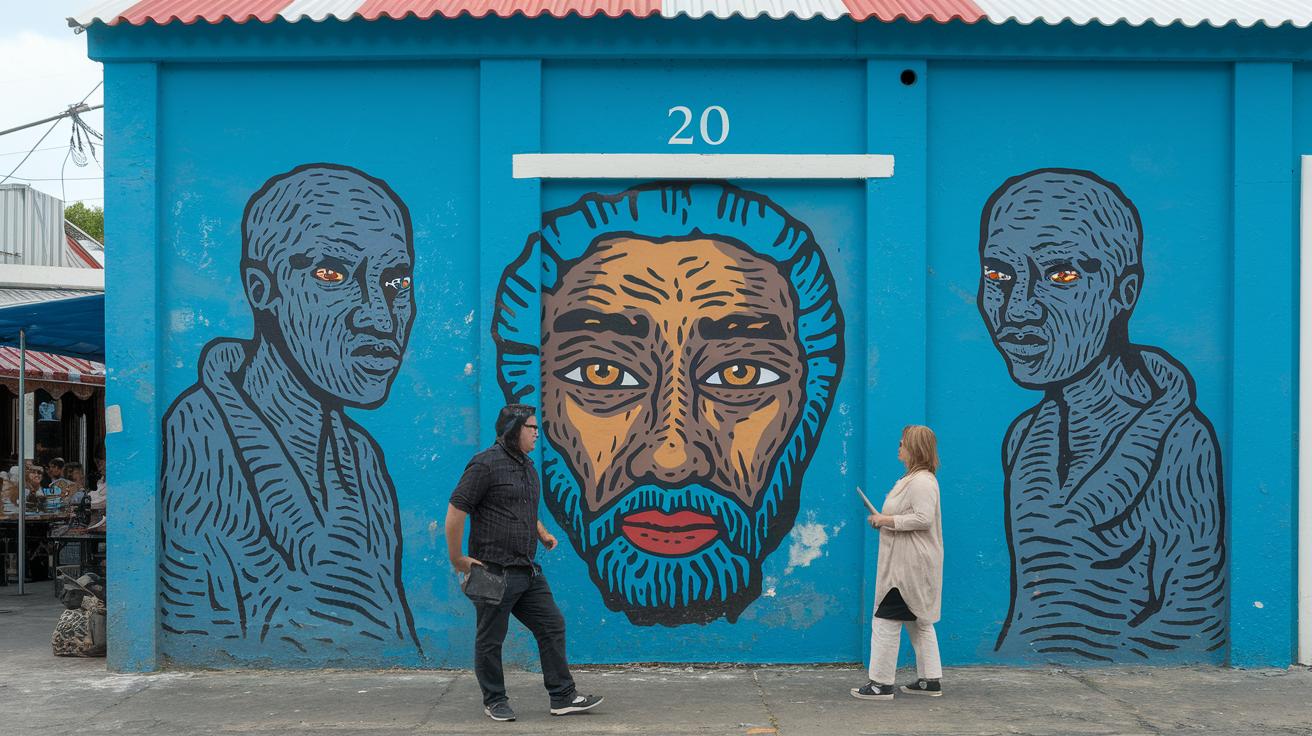
Scholars looking at Caribbean resistance stories mix text study, history, and social sleuthing. They set these stories against the lively colors of Caribbean culture, using art, music, and everyday moments to paint a full picture of what "Caribbean culture" means. This approach helps them dig into the challenges left by colonial times, challenges that shaped how people see themselves and rebel against old powers. By exploring art, literature, and day-to-day life, they give us fresh views on the forces that have built the region.
The Honors course in Afro-Caribbean literature is a great example of this hands-on style. Students explore novels, poems, essays, and films, reading them carefully while thinking about history to uncover deeper meanings. They find that Caribbean defiance appears in loud protests and in quiet, subtle ways too. This blend of reading and historical digging makes it clear how colonial pasts have been questioned and overcome. It’s like piecing together a puzzle that shows how resistance has evolved to challenge older power ideas.
ICA/Boston’s mid-career survey of Firelei Báez brings these ideas off the page and into real life. The exhibition spans two decades and features drawings, paintings, and installations that engage with history and cultural memory. Backed by the Henry Luce and Andy Warhol Foundations, the show offers creative twists on familiar colonial challenges. By facing these tough themes, both the display and academic work spark a friendly, thoughtful conversation about what we know about rebellion and what it means to be part of Caribbean culture.
Colonial Era Insurrections and Foundations of Defiance
From the late 1400s onward, Spanish, French, and British rulers took charge of the Caribbean islands with strict controls. They set up rules that forced the locals to obey, used islanders for hard work, and often ignored the traditions that had deep roots. Every sign of opposition was met with harsh punishment, and land was taken over without regard for native customs. Soon enough, indigenous communities felt pushed aside, forced to live under unfamiliar laws and tough economic conditions.
But the islanders refused to give in. They banded together to protect their age-old traditions and the way they lived. Sometimes, they staged small protests, while other times they launched well-planned strikes against the colonizers. New leaders emerged and united scattered groups, proving that their hunger for freedom could never be fully quenched, even under heavy oppression.
| Rebellion | Year(s) |
|---|---|
| Taíno Rebellion | 1495 |
| Jamaican Revolt | 1526 |
| First Maroon War | 1728–1740 |
| Carib Resistance in Trinidad | 1760 |
Each uprising is a key part of the Caribbean’s long tale of resistance. They remind us of moments when people, even under severe oppression, rose up to protect their cultural identity and stand against foreign rule. In doing so, they laid the first stones of a lasting legacy that still shapes the story of the Caribbean today.
Slave Revolts and Afro-Diasporic Resistance Traditions of Emancipation
The Haitian Revolution is one of the most inspiring chapters in Caribbean history. It began in 1791 and went on until 1804, freeing thousands and changing how people thought about escaping slavery. Our class materials bring the story to life through texts, music, movies, and political writings, all showing how the passion for human rights grew from that historic uprising. It stands as proof of strong resistance, opening the door for later uprisings that fought tough against unfair systems.
| Revolt Name | Date | Outcome |
|---|---|---|
| Haitian Revolution | 1791-1804 | Freedom and independence |
| Demerara Uprising | 1823 | Suppressed revolt that led to changes |
| Baptist War | 1831-1832 | Boosted the fight against slavery |
After emancipation, Afro-diasporic communities kept their spirit of defiance alive through their cultural traditions. Poems, short stories, and oral tales show how drumming, storytelling, and vodou ceremonies (a tradition that honors ancestors) became acts of resistance. Every rhythmic drumbeat and heartfelt tale reminds us of a people determined to honor their identity. Vodou rituals, in particular, help reclaim lost histories and uphold traditions that celebrate ancestors while challenging the past. These living practices continue to influence Caribbean society, inspiring new voices and enriching our conversations about freedom and self-determination.
Oral Histories and Literary Testimonies of Caribbean Insurrection

Oral history projects matter a lot because they capture the raw voices of people who lived through tough times. They let you hear firsthand memories that might get lost in written records. Imagine listening to someone describe a fight for freedom with such vivid details that you can almost feel every heartbeat.
Think about Olaudah Equiano and Mary Prince's narratives. Equiano’s words reveal some pretty raw truths about the slave trade, showing you what real struggles felt like. Mary Prince paints a picture of life under the harsh hand of slavery, each sentence full of courage and the will to break free. And now, a modern archive gathers stories from today’s descendants, linking the past to our current fight against ongoing inequalities. It’s a colorful mix that deepens our understanding of true resistance.
But, um, unpacking these testimonies isn’t always easy. Sometimes it’s hard to tell where personal memories end and the bigger picture begins. Experts work hard to balance honest recollections with a careful look at the facts so that no powerful detail is lost or misunderstood. In the end, every voice deserves to shine while we piece together a story that feels real and full of emotion.
Musical Protest in Caribbean Cultural Resistance
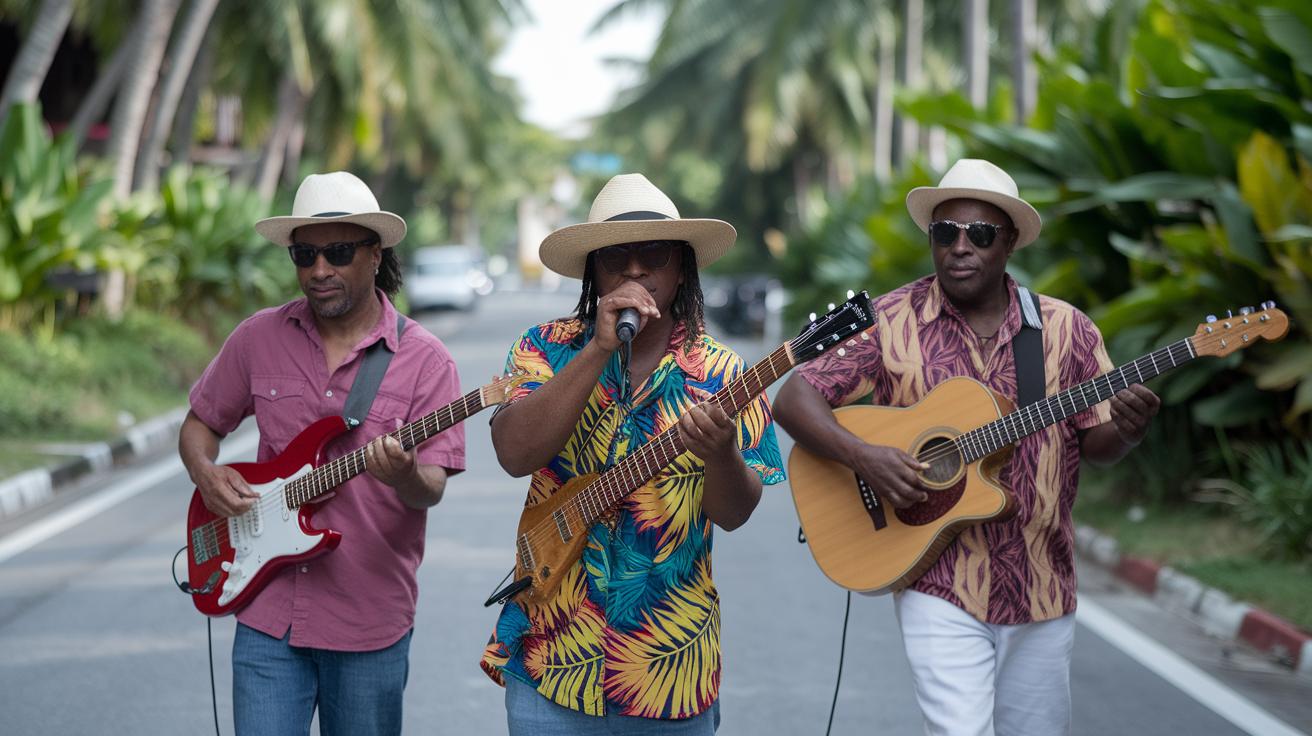
Back in the days of old plantations, workers sang simple songs that quietly shared their hard struggles. These tunes helped them work in time with one another while secretly bonding them together, turning each labor day into a small act of defiance.
Then came calypso, a fun, catchy music style with clever lyrics that let singers playfully call out local and political issues. It was like chatting with a friend about everyday life, while slipping in a cheeky remark about those in charge.
Next, reggae took the spirit of resistance to a new level and soon became a global sign of standing up against injustice. Born from Caribbean roots, reggae songs, especially the ones by Bob Marley, carried a fresh message of hope and rebellion beyond the islands. With its deep bass and moving rhythm, reggae gave communities a powerful way to fight for fairness and respect for human rights.
Today, talented Caribbean artists mix old beats with modern sounds to call attention to issues like social inequality and environmental care. Every beat and every word adds to the rich, ongoing story of protest through music in the region.
Carnival and Festival Dissent in Caribbean Resistance
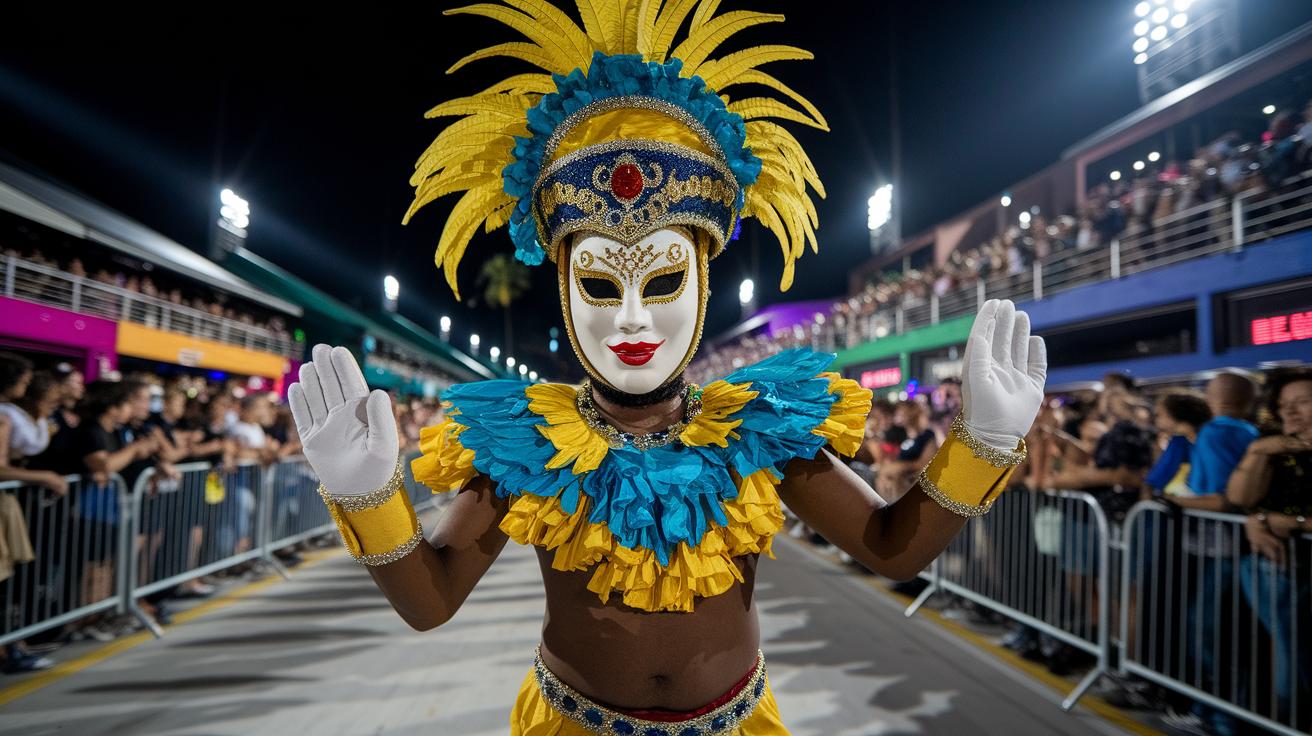
In the 19th century, Trinidad Carnival quietly became a bold act of defiance. While people danced in bright costumes and cheerful music filled the air, there was an undercurrent of resistance against colonial rule. Locals used playful satire and clever mimicry of those in power to transform the festive parade into a subtle protest against imposed restrictions.
Haiti’s Rara and Jamaica’s Jonkonnu share this tradition of dissent. In Haiti, Rara marches wind through the streets with rhythmic drumbeats and spirited chants that call out social injustice. Over in Jamaica, Jonkonnu parades burst with lively music and masked performers who step forward to challenge old systems. Through dance and vibrant displays, these festivals let people express their frustrations and combine cultural pride with a quiet act of protest.
Today, modern festival celebrations keep that spirit alive. Carnivals, along with new takes on Rara and Jonkonnu, blend traditional rhythms with fresh political commentary. Organizers create performances that touch on social issues and empower communities, so that every drumbeat and dance move carries a reminder of Caribbean resilience.
Art as Counter-Narrative: Revolutionary and Street Art in Caribbean Resistance
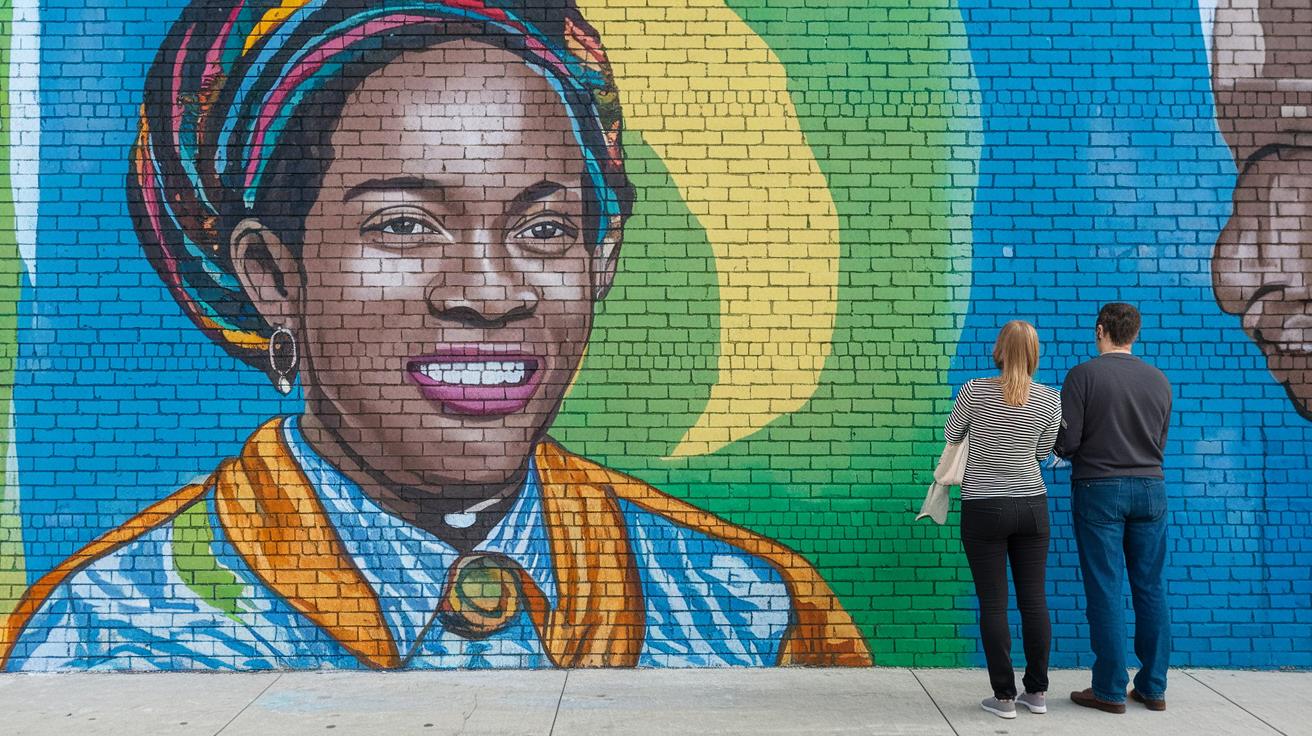
Gallery installations and art displays are like fresh chapters in a long, colorful book of history. In Firelei Báez’s show in Boston, vivid images and clever setups invite us to see the Caribbean in a new light. It’s like watching an old building get a splash of bright paint, uncovering hidden stories that challenge what we thought we knew.
Street art brings even more life to this narrative. Think of bold murals, quick stencil messages, and spontaneous graffiti that appear on city walls. Each piece feels as raw as the heartbeat of local communities, telling tales of struggle, creativity, and defiance. Ever seen a mural that shouts “Change is in the air”? Its colors and energy capture the rhythm of Caribbean life perfectly.
Also, there are spaces run by the very people who live these experiences. Take Red Emma’s worker cooperative, they put on art shows, run book clubs, and hold events that bring locals together. These hubs mix formal art with everyday voices, creating a shared language of resistance and renewal. It feels like a community celebration where every creative spark helps rebuild and redefine heritage.
Archival Memory and Contemporary Community Activism in Caribbean Resistance

For ages, old records of Caribbean uprisings have helped us remember the bold fights against colonial powers. Museums, libraries, and local centers lovingly preserve handwritten letters, official papers, and everyday documents that tell tales of defiance and hope. Imagine finding a personal diary or court record that speaks directly to struggles and victories, it feels almost like discovering a hidden treasure of the past.
Today, digital oral histories have stepped in to add even more life and color to these stories. Recorded interviews, online exhibits, and lively social media posts let survivors and their families share memories in real time. With videos, audio clips, and photos, these digital stories feel warm and personal, as if you’re right there listening to a friend recount a long-ago adventure.
Local groups like Red Emma’s blend formal research with down-to-earth community talk. On Greenmount Avenue, they mix book clubs, newsletters, and active online chats to connect age-old records with everyday lives. This cool mix helps keep Caribbean resistance alive and stirring, reminding us all that every story from the past can spark an inspiring conversation today.
Final Words
In the action, we traced Caribbean history from early colonial insurrections to modern artistic protests. The blog post took us through slave revolts, oral narratives, and festive forms of defiance, each highlighting unique ways people have stood against oppressive forces.
This lively account of narratives of resistance in Caribbean cultural history shines a light on how creativity and brave acts shaped cultural expression. The exploration leaves us with hope and admiration, inviting us to embrace the rich legacy of these islands with a fresh and respectful outlook.
