Ever wondered if a tiny island could hide a treasure trove of wealth? Bermuda does just that with a smart financial setup and a relaxed island vibe. Home to only about 64,000 friendly locals, it has turned its focus on insurance into a rock-solid economy, glowing under the warm Caribbean sun.
Imagine a place where sharp business sense meets leisurely, sun-drenched days. It’s a blend of smart money moves and pure island charm that draws both keen investors and well-off visitors. Have you ever felt that Caribbean magic in your heart? Bermuda might just be the crown jewel you're looking for in the realm of island riches.
Bermuda: The Wealthiest Caribbean Island by GDP Per Capita
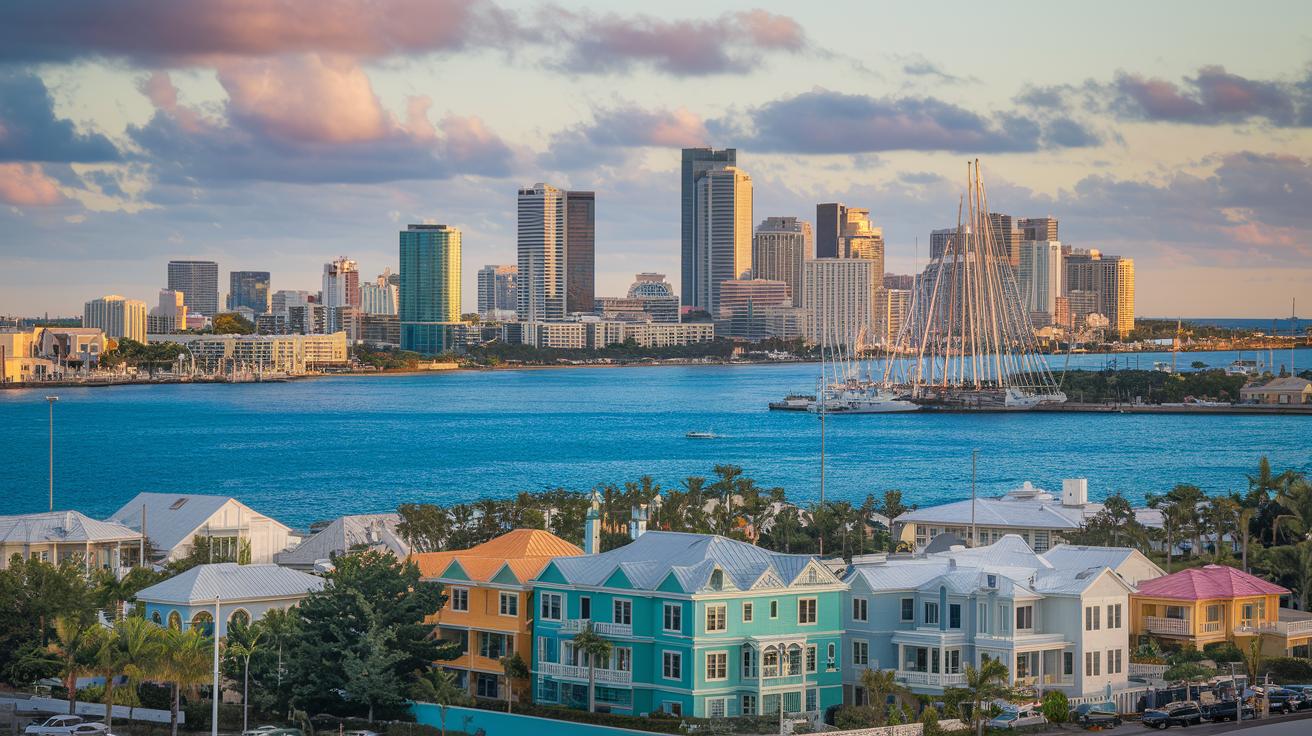
Bermuda is known as the richest Caribbean island when you look at GDP per person. The island’s strong financial scene, mainly through insurance and reinsurance making up about 85% of its economy, has really set it apart. Tourism plays a smaller role, about 5%, but still adds a little extra shine to Bermuda’s story. With only around 64,000 people calling it home, this small community has seen steady growth thanks to its offshore finance market.
Walking along Bermuda’s streets, you notice a rare mix of smart business vibes and a laid-back island charm. Picture it like a glittering gem where sharp financial skills meet lazy days under the sun. In the Caribbean and beyond, Bermuda ranks high for GDP per capita, attracting investors and well-off travelers who love its reliable economy and warm, inviting feel. This tiny island’s big impact reminds us why Bermuda is so special.
Wealthiest Caribbean Islands Compared: GDP, Tourism Revenue, and Income
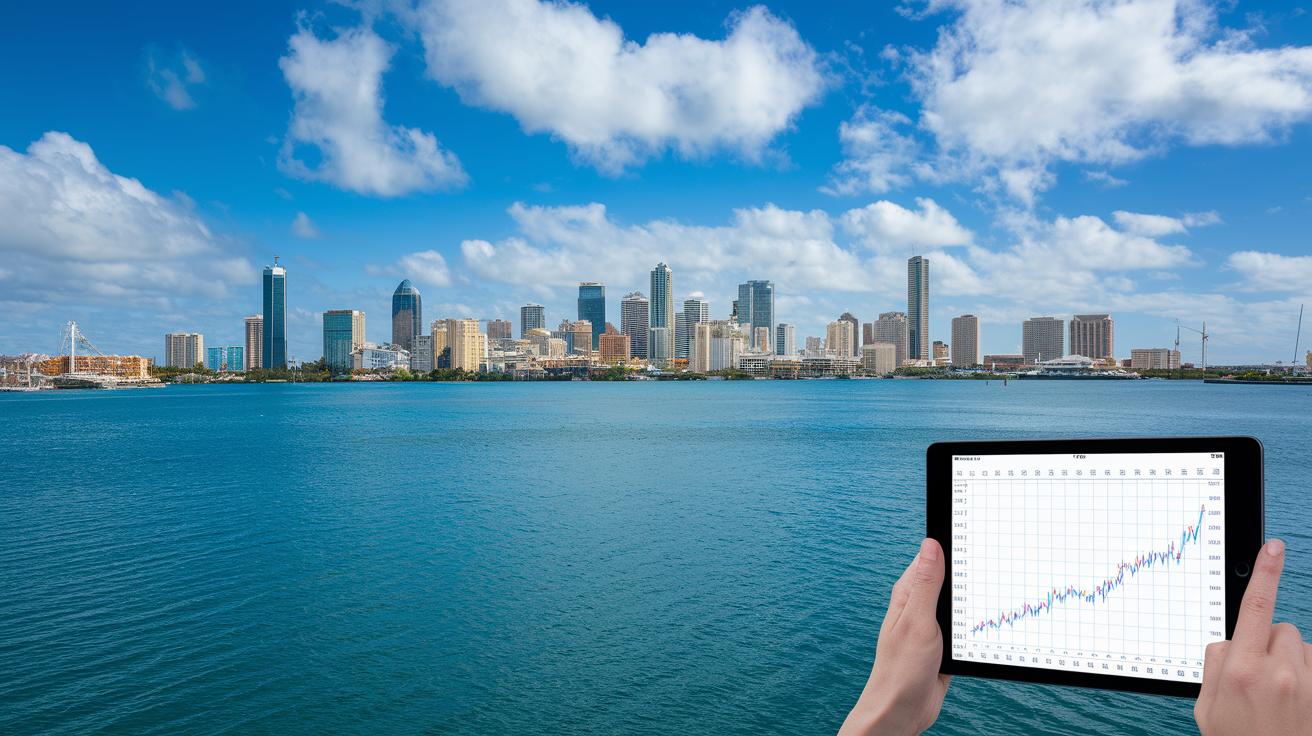
The Caribbean is home to islands where each one has its own unique money story. Bermuda, for instance, has built its wealth around a strong financial scene, making it one of the richest islands around. The locals there know a thing or two about finance, and that money smarts has kept their economy thriving.
Then there's the Bahamas, which shone brightly in 2025 with a GDP per person of $36,780. Its success comes from a lively mix of tourism and financial services that help build a $12 billion economy. You can almost feel the energy of visitors, as the islands blend sun, sand, and smart business moves.
Not far off, the Cayman Islands saw a 3.6% boost in their GDP during the first part of 2024. This island cluster mixes booming financial services with a splash of tourism, turning it into a go-to offshore financial center and a high-income haven by the sea. It’s like watching the tide bring in good fortune!
The US Virgin Islands also keep things dynamic with a GDP per person around $40,000. Their bustling mix of tourism, trade, and various services helps these islands stay vibrant and lively all year round. And close by, the British Virgin Islands continue to make waves. With a nominal GDP of $1.8 billion in 2024 and a 7.4% growth from the previous year, their resorts and financial offerings keep gaining steam.
| Island | GDP Per Capita | Leading Economic Sector |
|---|---|---|
| Bermuda | High | Financial services (insurance & reinsurance) |
| Bahamas | $36,780 (2025) | Tourism and Financial services |
| Cayman Islands | Growing | Financial services and Tourism |
| US Virgin Islands | ~$40,000 | Tourism, Trade, and Services |
| British Virgin Islands | Nominal $1.8B GDP (2024) | Financial services |
This quick look shows just how different these islands are, yet they all boast strong money-making power. Each place has its own mix of industries that not only boosts revenue but also shapes the everyday life on these beautiful coastal gems.
Historical Context of Caribbean Wealth: From Plantations to Premier Island Economies
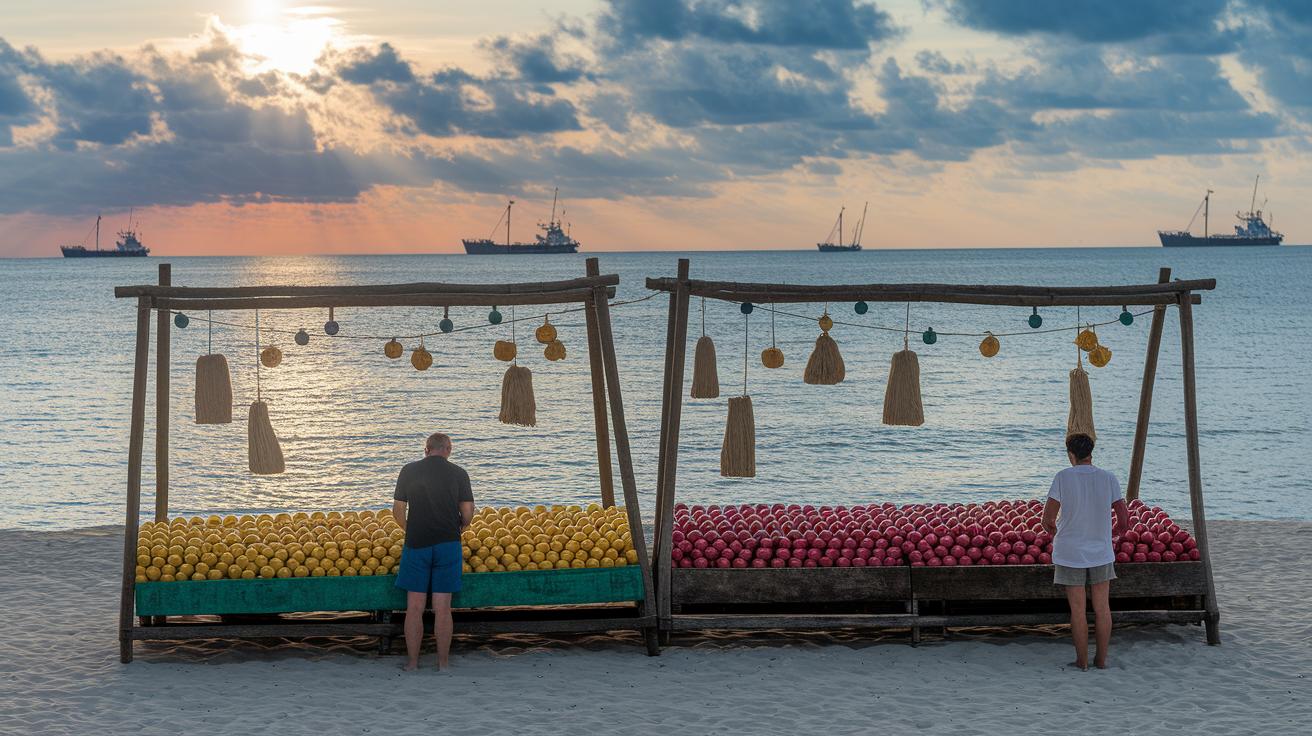
Back in the day, sugar and rum were the heartbeat of Caribbean life. For centuries, islands grew these crops which controlled trade and set the rhythm of daily life. Imagine busy markets under a warm tropical sun, where hardworking folks and ships carried this treasured harvest far beyond the shores.
Then, islands like Bermuda and the Bahamas took a new path. They moved from farming staples to welcoming offshore banking and tourism. It was a fresh mix where smart financial moves met the easy pace of island living, kind of like blending work and play.
Today, the change continues. Countries such as Guyana are stepping into oil production, with growth expected to soar in the near future. Even Jamaica is finding its rhythm with new business ideas and money sent home from abroad. These shifts have helped shape the Caribbean into a top island economy that beautifully mixes its classic charm with modern financial know-how.
Key Wealth Drivers for the Wealthiest Caribbean Island
When you think about what makes these tropical paradises so prosperous, picture a delightful mix of financial services, tourism, energy, and real estate investments, as if every part plays a role in stirring up the perfect island cocktail. Each sector adds its own special flavor that creates a truly unforgettable experience.
Take Bermuda, for instance. Its financial services provide a rock-solid base, making up about 85% of its GDP, all while keeping local traditions close to heart. And then there are the Cayman Islands and the British Virgin Islands. They too shine with strong financial sectors, contributing around 50% to 60% and holding a significant slice of the islands' wealth.
Tourism is another secret to the region’s success. In the Bahamas, visitors help boost close to 70% of the economy. Over in Anguilla, more than 80% of the local economy comes from those enchanted by its soft, white sandy beaches. And on the US Virgin Islands, the lively tourist scene supports local businesses every day.
Energy exports also add an important spark to the mix. In Trinidad & Tobago, the export of LNG (which is natural gas turned into a liquid for easier transport) and petrochemicals gives local trade a much-needed boost.
Real estate investments leave a lasting impact, too. For example, in Antigua & Barbuda, putting in a minimum of $300,000 is like holding the key to a new residency adventure.
| Wealth Driver | Countries/Regions | Key Figures/Notes |
|---|---|---|
| Financial Services | Bermuda, Cayman Islands, British Virgin Islands | Bermuda: 85% of GDP; Cayman: 50–60% |
| Tourism | Bahamas, Anguilla, US Virgin Islands | Bahamas: ~70%; Anguilla: >80% |
| Energy Exports | Trinidad & Tobago | LNG and petrochemicals |
| Real Estate Investments | Antigua & Barbuda | Minimum $300,000 for residency |
Wealthiest Caribbean Island Lifestyle Metrics: Cost of Living and Quality of Life
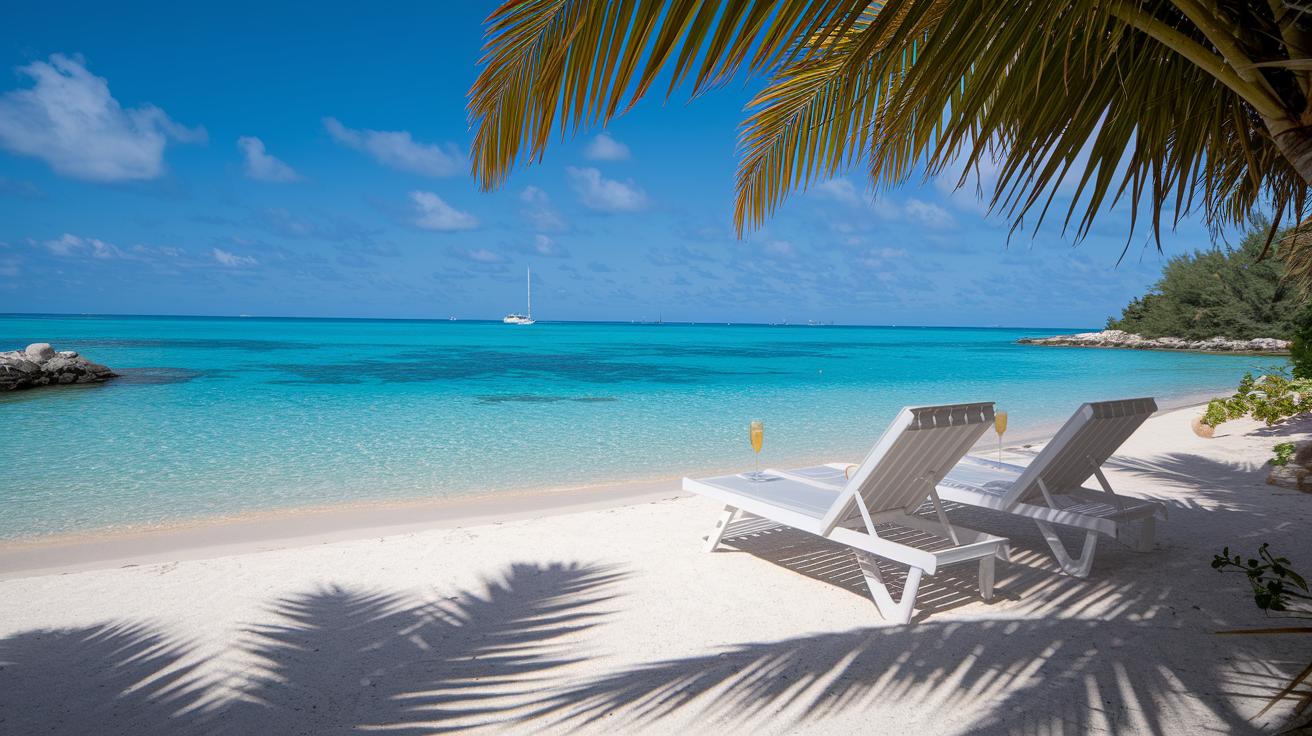
Bermuda is a shining example of a rich seaside paradise. Its people enjoy a very high income, with over $100,000 per person each year. But living here can be expensive. Imagine strolling down perfectly kept streets where luxury is everywhere, it feels like a sparkling treasure, beautiful and exclusive, like sipping champagne by a pristine beach.
Over in the US Virgin Islands, the scene is more relaxed. With about 104,000 residents and an average income near $40,000, life here moves at an easy pace. People can breathe a little easier with lighter financial pressures and a strong sense of community.
Then there’s the Bahamas. Home to roughly 400,000 people, this island nation has an inviting tax system with no personal income, capital gains, corporate, or inheritance taxes. That friendly policy helps keep politics stable and living standards high. It’s a great spot if you’re looking for both luxury living and smart money benefits, all in an idyllic setting.
Investment Appeal of the Wealthiest Caribbean Island: Tax Incentives and Residency

The Bahamas still charms wealthy investors with a tax setup that skips personal, capital gains, corporate, and inheritance taxes. Recent tweaks to the rules make it easier to see steady returns, bringing to mind a relaxed chat about hidden island treasures.
Let’s break down a few popular residency programs across the region:
- St. Kitts & Nevis: For a $250,000 non-refundable donation, many investors enjoy the stability this program offers.
- Dominica: Here, a $200,000 donation gets you in, and recent changes have tidied up the application process.
- Grenada: With a donation of $235,000, this option mixes a lower entry point with extra travel benefits.
- Antigua & Barbuda: This program offers residency through a $300,000 real estate purchase, and new rules help tailor the options to each investor.
- The Cayman Islands: Known for having no direct taxes, it now features better offshore fund management following updated reviews.
Each option has its own flavor, much like picking the perfect Caribbean spot to unwind. Taking a closer look helps you find the one that fits your dreams and plans.
Future Outlook for the Wealthiest Caribbean Island: Growth Drivers and Risks
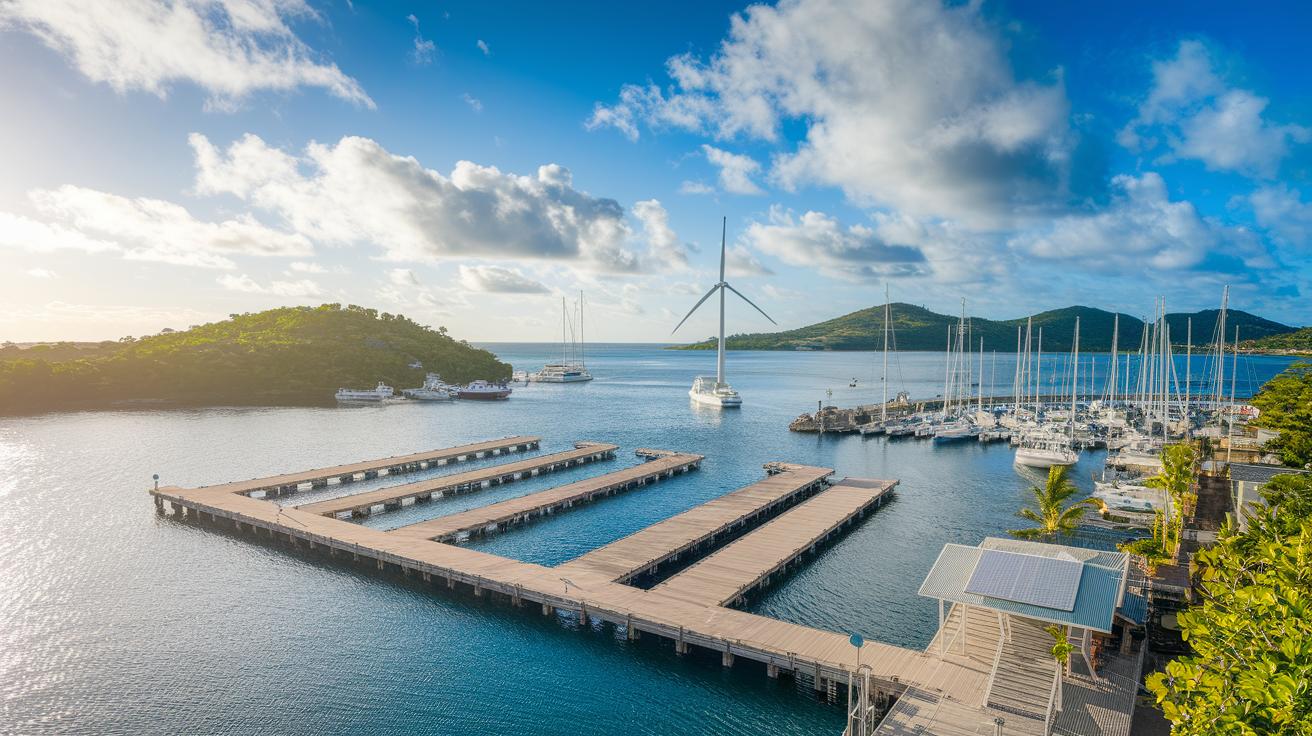
Looking ahead, the island is buzzing with changes that feel as refreshing as a cool ocean breeze. New cruise terminals, modern marinas, and upgraded tourist spots are like an open invitation, promising travelers a vibrant mix of adventure and comfort. Imagine strolling along sunlit docks where the old Caribbean charm meets shiny new touches.
The island isn't just focused on looks. Investments in renewable energy and better digital connectivity are setting the stage for a smart, forward-thinking destination. And with projects designed to keep hurricanes and floods at bay, it feels like the island is gearing up for any weather, all while keeping its heart warm and welcoming.
Still, even paradise faces a few challenges. New offshore financial rules might bring some bumps along the way, reminding us that even the most enchanting spots have to navigate change. At the same time, nearby trends, like Guyana’s booming oil production and Trinidad & Tobago’s booming natural gas exports, hint at exciting shifts that could spill over into the region.
In truth, as the island blends modern amenities with that timeless Caribbean vibe, it’s setting the scene for a future as dynamic and inviting as a sunset over the sea.
Final Words
In the action, we explored how Bermuda shines as the wealthiest caribbean island, backed by a booming financial sector. We compared insights from other top islands, examined historical shifts, and reviewed key economic drivers like tourism and offshore finance. Each section painted a clear picture of high living standards and strong growth potential across the region. There’s a real charm in knowing that every island offers its own unique take on success and culture. Here’s to a bright, enriching Caribbean experience!
FAQ
Q: What are the top wealthiest Caribbean islands?
A: The list of top wealthiest Caribbean islands is often based on GDP per capita and economic strength. Islands like Bermuda, Bahamas, Cayman Islands, US Virgin Islands, and British Virgin Islands commonly appear on these rankings.
Q: What ranking lists exist for Caribbean wealth?
A: Ranking lists for Caribbean wealth, such as the top 10 or top 20 richest islands, use measures like GDP per capita, tourism revenue, and dominant industries to order islands from richest to poorest.
Q: Where do rich people live in the Caribbean and which island is known as the billionaire island?
A: Rich people tend to live in exclusive areas on islands like Bermuda, the Bahamas, and the Cayman Islands. Bermuda, with its high GDP per capita, is sometimes thought of as a billionaire island.
Q: Which island is considered the most luxurious and expensive in the Caribbean?
A: The title for the most luxurious and expensive Caribbean island often goes to locations with high living expenses and elite amenities, such as Bermuda or the Bahamas, where upscale services and exclusive lifestyles are the norm.
Q: What factors drive the wealth of Caribbean islands?
A: Caribbean island wealth is driven by strong financial services, thriving tourism, energy exports, and real estate investments. These factors contribute to high GDP per capita and overall economic prosperity.
