Ever thought about why a morning dip in the Caribbean feels so special, even when it's a bit chilly? One minute the water is cool and crisp, and as the day goes on, it warms up just right, making every splash feel like a warm hug.
Imagine waking up early and diving into a sea that starts out brisk but soon turns softly inviting as the sun climbs high. It’s like the ocean is whispering, "Come on in, enjoy the adventure," turning each swim into a little journey filled with surprise and comfort.
Key Caribbean Ocean Temperature Ranges by Season
The Caribbean sea changes with the seasons. In winter, the water stays around the low 70s°F (22°C), giving you a cool, fresh start to your morning swim. As the day goes on and the sun shines brighter, the water warms up by about 2–4°F, making the swim feel more inviting.
In summer, things take on a new vibe. Take Aruba as an example: winter waters hover around 79°F (26°C), and during the warmer months, the water reaches roughly 83°F (28°C). Gentle trade winds blowing at 15–20 mph (10–12 km/h) can give early dips a slight chill, letting you enjoy a crisp start before the afternoon sun brings a cozy warmth.
| Month | Avg Low (°F/°C) | Avg High (°F/°C) |
|---|---|---|
| January | 72°F/22°C | 78°F/26°C |
| February | 72°F/22°C | 78°F/26°C |
| March | 73°F/23°C | 79°F/26°C |
| April | 74°F/23°C | 80°F/27°C |
| May | 75°F/24°C | 81°F/27°C |
| June | 77°F/25°C | 82°F/28°C |
| July | 78°F/26°C | 83°F/28°C |
| August | 78°F/26°C | 83°F/28°C |
| September | 77°F/25°C | 82°F/28°C |
| October | 76°F/24°C | 81°F/27°C |
| November | 74°F/23°C | 80°F/27°C |
| December | 72°F/22°C | 78°F/26°C |
These changing water temperatures make for a fun, ever-changing swim. You can sneak in an early morning dip when the water feels brisk and then enjoy a sun-kissed swim later on. Every visit to the Caribbean brings a little surprise, blending cool breezes and warm waves to create an experience that feels just right.
Regional Caribbean Ocean Temperature Variations
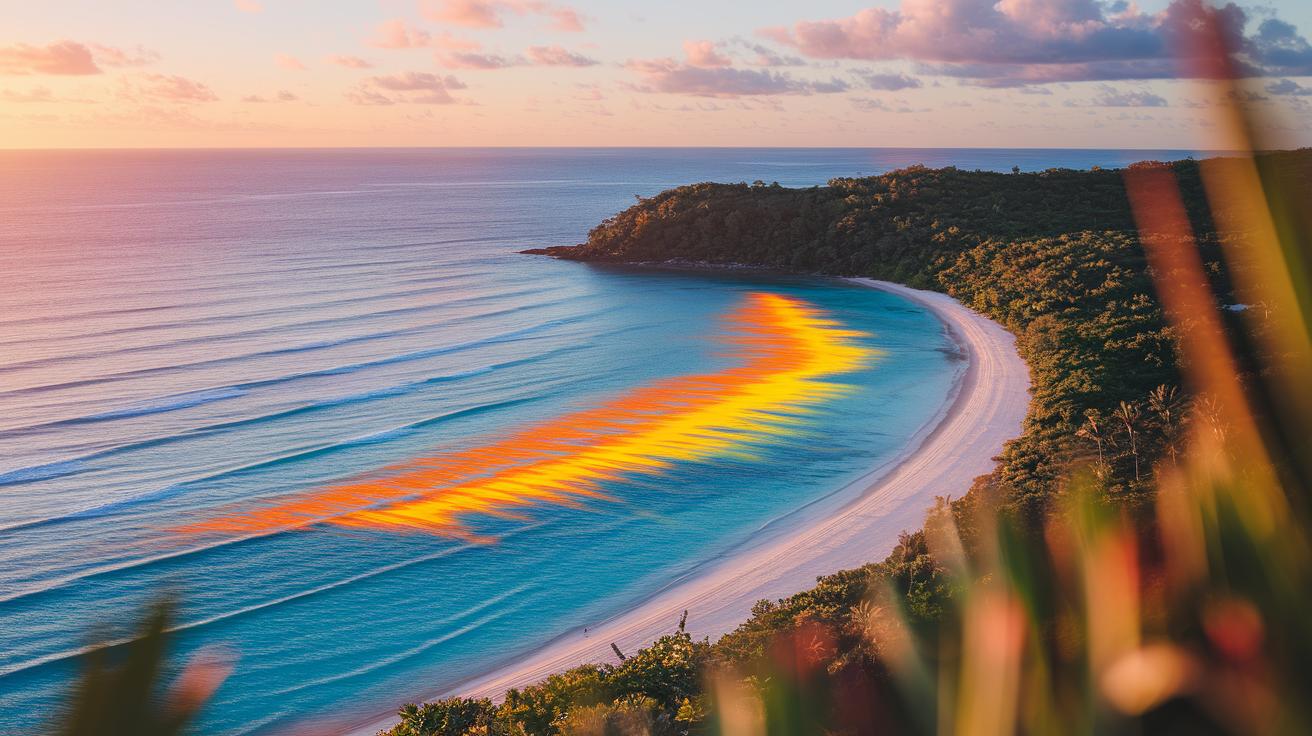
In the Northeast Caribbean, places like Puerto Rico and St. Thomas enjoy water temperatures between 77°F (25°C) and 84°F (29°C) all year long. The local weather and the soft touch of trade winds keep the seas warm and inviting, making it a treat for beach lovers. This unique vibe not only creates perfect seaside moments but also offers clues for understanding local climate trends. Plus, a colorful regional heat map shows these differences clearly, helping visitors choose their ideal coastal spot.
Over in the Western Caribbean, locations such as the Cayman Islands and Jamaica experience water temperatures from 75°F (24°C) to 83°F (28°C). The waters here are a bit cooler thanks to the area's landscape and the sun's path across the sky. Watching these numbers on a heat map brings out the little contrasts between islands, giving a friendly nod to anyone curious about local water warmth trends.
Down in the Southern Caribbean and the Northern Bahamas, the ocean shows more of a seasonal rhythm. Around places like Aruba and Trinidad, temperatures hold steady between 79°F (26°C) and 84°F (29°C), while in the northern Bahamas, waters drop to about 74°F (23°C) during winter and warm up to around 82°F (28°C) by late summer. That same regional heat map paints a clear picture of how the shape of the land and seasons work together to create distinct seaside experiences.
How Warm Currents Influence Caribbean Ocean Temperatures
Imagine slipping into waters that feel like a warm embrace, even on a cool morning. The Caribbean sea stays inviting thanks to gentle water flows and mild breezes, almost like nature’s way of sprinkling a bit more sunshine into your swim.
Caribbean Current
Ever noticed how the water sometimes feels a couple degrees warmer than you’d expect? That’s the Caribbean Current at work. It brings water from near the equator that’s about 1–2 °C warmer than average. This current comes from a sunny, warm part of the ocean, quietly boosting the temperature and giving beach lovers a taste of extra summer.
Gulf Stream Effects
Over in the northern parts, the Gulf Stream adds its own special touch. It can raise water temperatures by about 0.5 °C along the northern islands. Even when trade winds, those steady breezes blowing at 15–20 mph, give a little chill, the Gulf Stream helps keep the surface water delightfully warm. In truth, these warm currents work together to create a sea that feels familiar and inviting every time you dive in.
Monitoring and Forecasting Caribbean Ocean Temperature
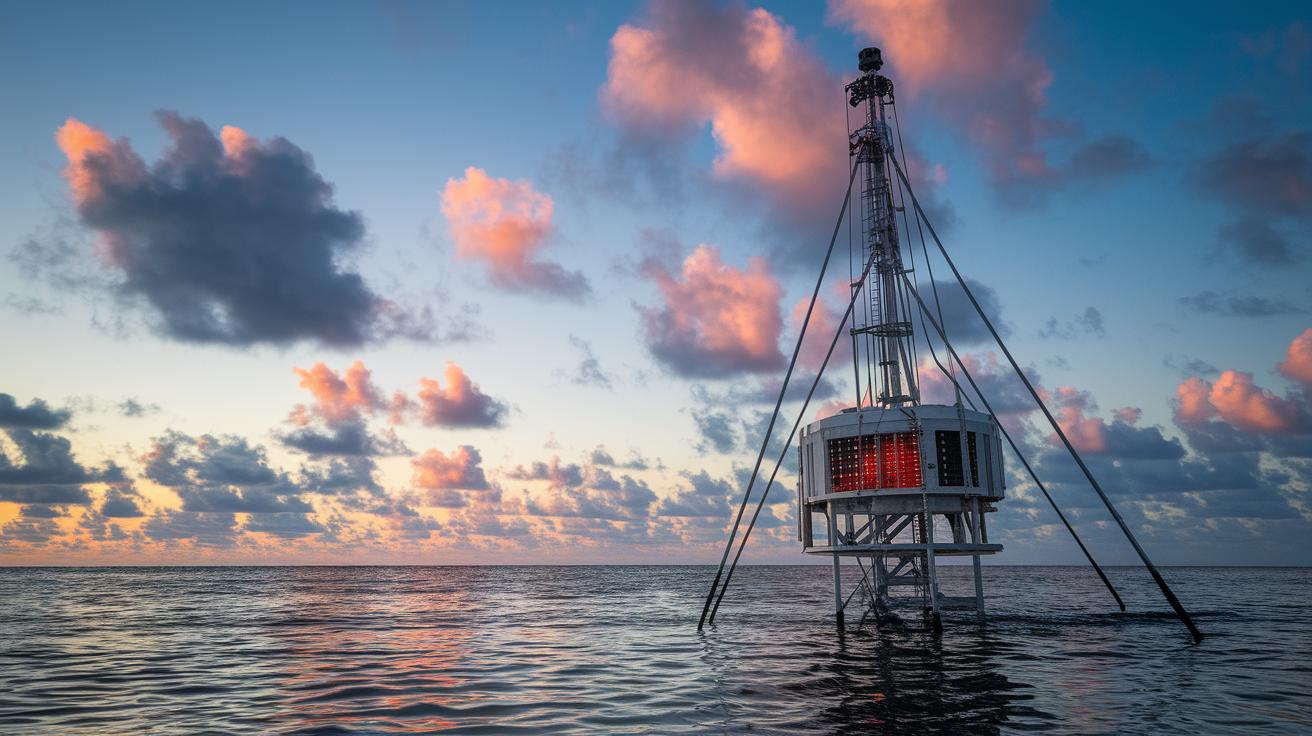
Keeping tabs on the Caribbean ocean temperature is easier than ever. Thanks to NOAA buoys (those little floating sensors), satellite IR sensors (which capture the sea's surface details), and aircraft that fly through stormy areas, it’s like having nature’s own weather chat with you. Hourly dashboards share real-time sea surface temperatures, and special tools let you compare today’s water with the usual readings from the past 30 years. It’s kind of like checking the weather before a picnic, simple and spot-on.
- NOAA buoys for pinpoint measurements
- Satellite IR for a bird’s-eye view
- Aircraft reconnaissance during storms
- Forecast models like GFS and ECMWF
Live updates jump to life with a seven-day forecast that mixes solid stats and dynamic models, giving you a sneak peek into what the water will feel like in the days ahead. Whether you’re soaking up the sun or planning a seaside adventure, these tools bring a fresh slice of the Caribbean right to your fingertips, ensuring you know exactly when the sea is calling you for a dip.
Caribbean Ocean Temperature: Best Times for Swimming and Diving
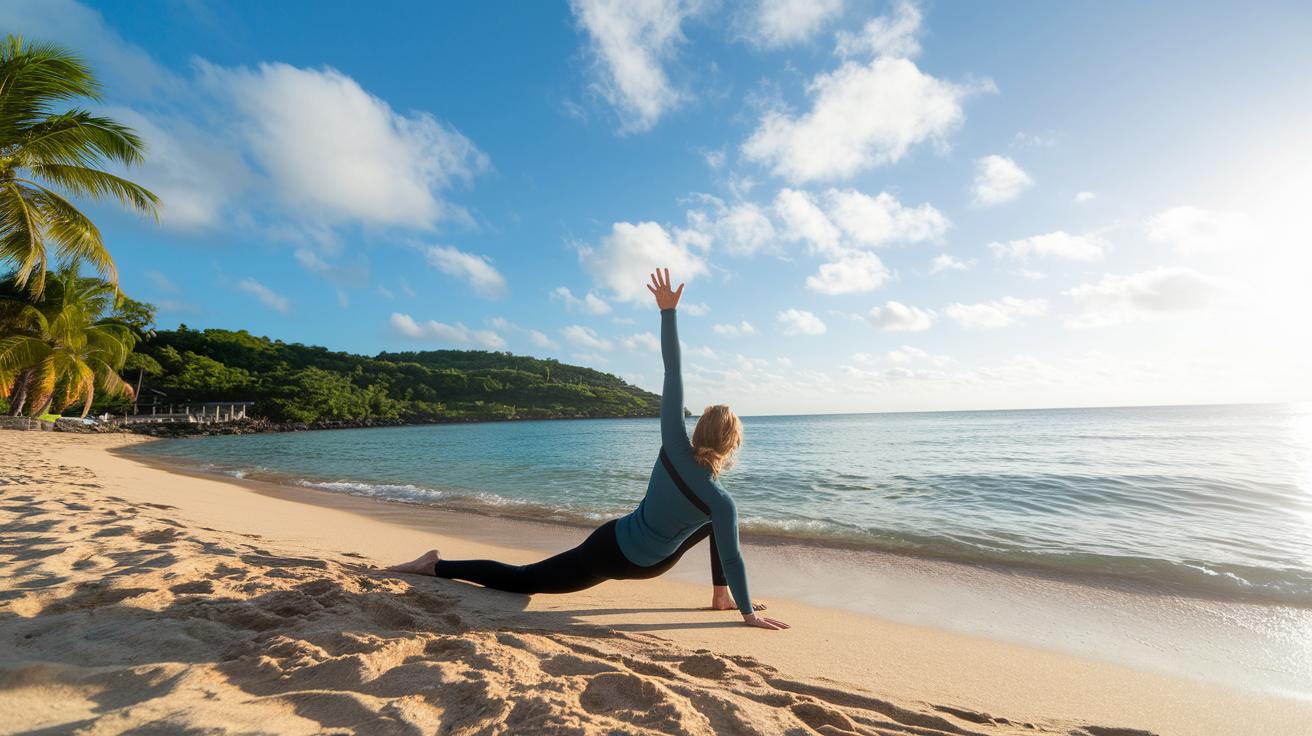
When diving into a swim during the warm season, it's best to wait until mid-morning. Early in the day, even in warm spots like Barbados or the Cayman Islands, the water might feel a bit cool. A handy tip: spend a few minutes stretching on the beach before entering the water. This little warm-up helps your body adjust smoothly. Also, check local forecasts and tide charts because these can change the water's surface conditions, even on sunny days.
In cooler months, water temperatures can start low in the morning and warm up quickly, especially in places like Jamaica or the Bahamas. If you’re planning to dive, consider wearing light thermal gear or keeping your session a bit shorter to stay comfortable. As always, listen to your body, use the right safety equipment, and get local advice before you head out to splash in the sea.
Final Words
In the action, the blog took you through clear seasonal water shifts and detailed how local climates, warm currents, and monitoring techniques shape your Caribbean experience. We also shared tips for when the sea is at its best for swimming and diving. These insights help paint a picture of what to expect as you plan a fun, relaxing trip. Every bit of information, from perfect dips to planning practical trips, adds to the magic of experiencing authentic Caribbean ocean temperature at its finest. Enjoy exploring each sun-kissed moment!
FAQ
What is the Caribbean ocean temperature today?
The Caribbean ocean temperature today typically falls between 72°F and 82°F. Real-time data from buoys and satellites capture everyday variations based on time and local factors.
What are the Caribbean ocean temperatures by month?
Caribbean ocean temperatures change over the year, averaging in the low 70s°F during winter and rising to the low 80s°F in summer, with mornings often a few degrees cooler than later readings.
How is Caribbean ocean temperature measured in Fahrenheit?
When Caribbean ocean temperature is measured in Fahrenheit, it generally ranges from the low 70s°F in cooler periods to the low 80s°F during warmer seasons, reflecting seasonal shifts and local conditions.
What does an Atlantic Ocean water temperature map show?
An Atlantic Ocean water temperature map displays surface temperatures across regions, using colors to show cooler waters in northern areas and warmer zones closer to tropical areas.
What is the typical Atlantic Ocean temperature?
The Atlantic Ocean temperature varies by region, with cooler readings in northern parts and warmer readings nearer the equator, influenced by currents and seasonal changes.
What is the Caribbean water temperature in January?
In January, Caribbean water usually measures between 72°F and 78°F. Mornings might feel cooler initially, warming up slightly later in the day for comfortable swimming.
How does the Gulf of Mexico water temperature change by year?
Gulf of Mexico water temperature shows seasonal peaks in the summer, often reaching the mid 80s°F, with annual trends studied using long-term satellite and buoy data to track changes over time.
How does the Pacific Ocean temperature vary?
Pacific Ocean temperature varies widely by location. Tropical regions are generally warm, while higher latitudes record much cooler temperatures, typically monitored with local and satellite data.
What Caribbean island has the warmest water?
Reports often point to Aruba or Trinidad as having the warmest water, with temperatures reaching around 83–84°F, thanks to their southern location and favorable currents.
Is 70° ocean water cold?
A 70°F ocean temperature feels cool and may feel brisk, especially in the morning or with a light wind, but many swimmers find it acceptable for a refreshing dip.
Is it warm enough to swim in the Caribbean in February?
In February, Caribbean water usually ranges from 75°F to 78°F, making it warm enough for swimming, though early mornings can be a bit cooler before the day heats up.
How warm is the ocean water in the Bahamas?
Ocean water in the Bahamas typically stays between 74°F and 82°F, with winter months on the cooler side and summer reaching the upper end of that range, ensuring pleasant swimming most of the year.
