Ever wondered if paradise is as simple as it sounds? Picture your morning starting with warm, soft sand brushing your feet and a clear blue sea that goes on forever.
In the Caribbean, life feels different. It isn’t just about stunning views; it’s about a relaxed way of living where friendly locals greet you like an old friend. You get to enjoy the slower pace and some smart benefits, like lower taxes and easy travel.
Imagine life like this: the sun on your skin, the gentle ocean breeze, and a community that makes you feel at home. It might just be the refreshing change you’ve been looking for.
Living in the Caribbean: Sun-kissed Simple Life
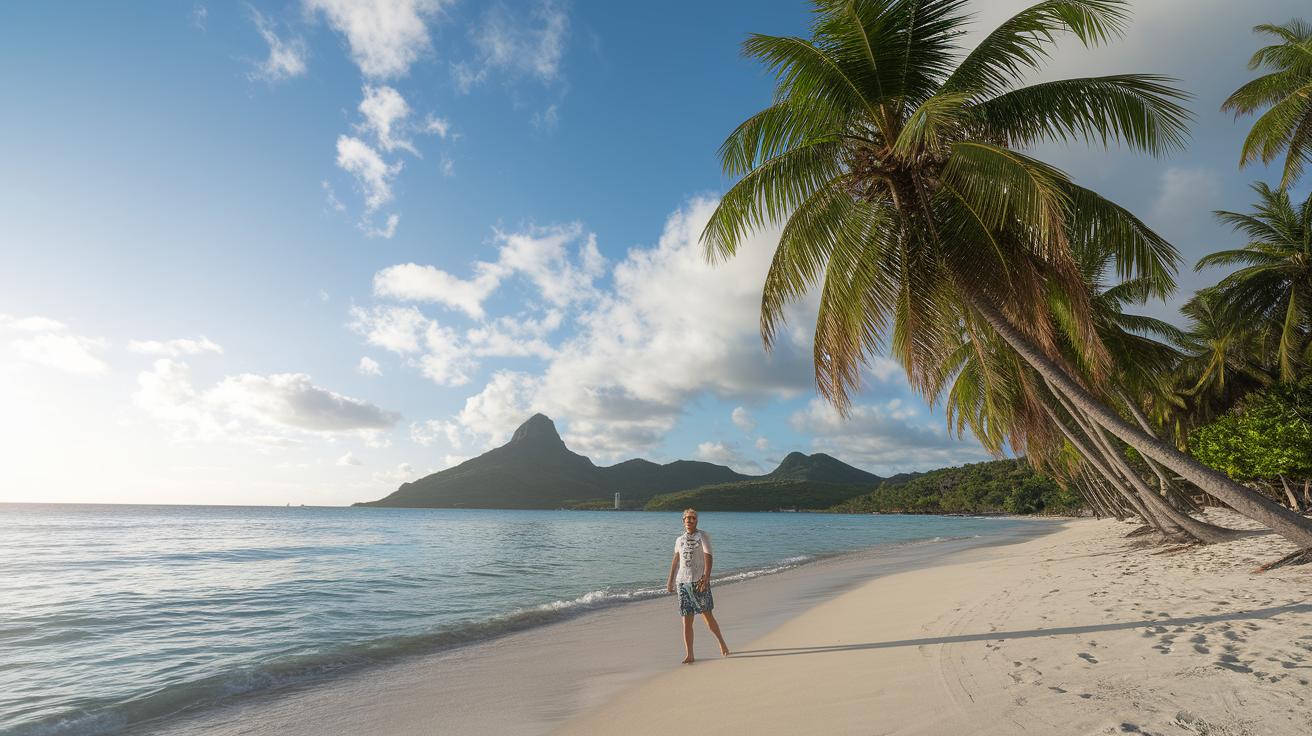
Imagine starting your day with soft, warm sands beneath your feet and sparkling turquoise waters stretching out before you. Life here is like a laid-back adventure where the temperatures hover between 24°C and 30°C, making every day perfect for outdoor fun. Whether you're lounging on the beach with a cool drink in hand or marveling at vibrant coral reefs while snorkeling, the Caribbean invites you to relax and savor every moment. Direct flights from the U.S., Europe, and South America, often costing between $400 and $1,000, make it easy for expats and travelers to jump right into island life.
Every day on these islands is a celebration of a rich mix of cultures from Africa, Europe, Asia, and Indigenous traditions. Picture lively gatherings, colorful festivals, and music that makes you want to dance until sunset. It’s a place where locals and visitors share genuine smiles and stories over seaside dinners or during peaceful sunset walks. And if balancing work and play is high on your list, many islands like Barbados, Bermuda, and the Cayman Islands even offer special visas for digital nomads, letting you try out the island vibe before you decide to settle down.
The Caribbean isn’t just about breathtaking views and festive vibes, it also has some nice perks when it comes to your wallet. Islands such as the Cayman Islands, Bahamas, Barbados, and Antigua & Barbuda offer benefits like no income, capital gains, or inheritance taxes. Add modern connectivity and friendly expat communities to the mix, and it’s clear that island life mixes natural beauty with practical advantages. It’s all about enjoying the sun, sea, and simple pleasures every day.
Managing the Cost of Living in the Caribbean
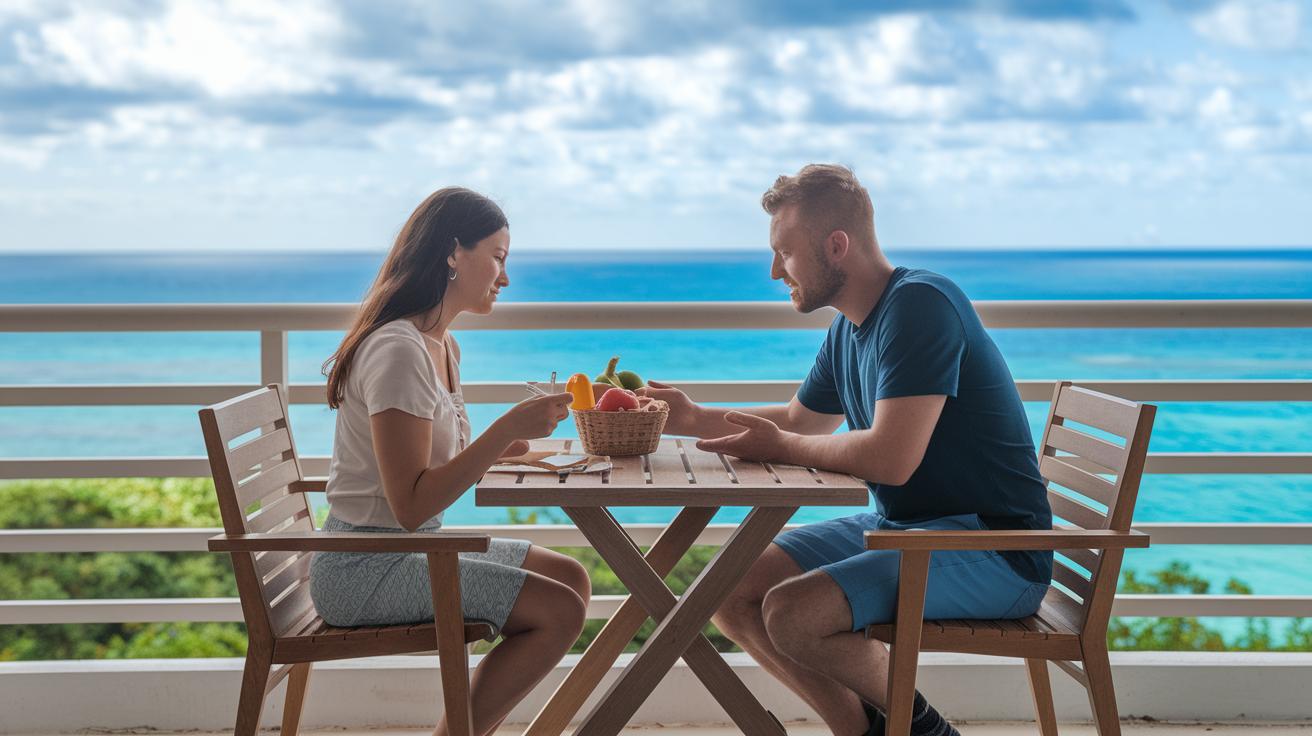
Living in the Caribbean is like living in a sun-drenched postcard. The warm breeze, vibrant culture, and relaxed pace make it a dream come true. But, as with any paradise, it's important to plan your spending. Expats quickly learn that items like rent, groceries, utilities (bills for water, electricity, and internet), schooling, and healthcare are key parts of the budget.
Fancy a beachfront home? Those can start at around $200,000 and soar over a million, though quieter, inland options might suit a tighter budget. And groceries? Imported foods can cost 20–50% more than in the USA, yet choosing fresh, local produce can trim your food bill by about 10–20%. Cool, right?
International school fees might range from $5,000 to $20,000 a year. Meanwhile, private healthcare premiums can run between $1,000 to $5,000 annually. Knowing these numbers helps you craft a realistic budget so you can enjoy that laid-back island vibe without any financial surprises.
Here's a snapshot of what you might expect:
| Category | Low-End Cost | High-End Cost | Notes |
|---|---|---|---|
| Rent | $200,000* | $1,000,000+ | Luxury beachfront properties |
| Groceries | N/A | 20–50% above US prices | Cost can decline if using local produce |
| Utilities | $150 | $300 | Monthly average for electricity, water, internet |
| Schooling | $5,000 | $20,000 | International tuition fees |
| Healthcare | $1,000 | $5,000 | Annual premium costs |
Balancing these costs is like putting together your favorite tropical cocktail, mixing a bit of indulgence with a good sense of budgeting gives you the best of both worlds. So, as you plan your move, picture yourself waking up to soft ocean waves and a golden sunrise, while knowing you’ve got your finances all lined up. Enjoy the island life, smartly!
Housing and Relocation Guide for Caribbean Expat Life
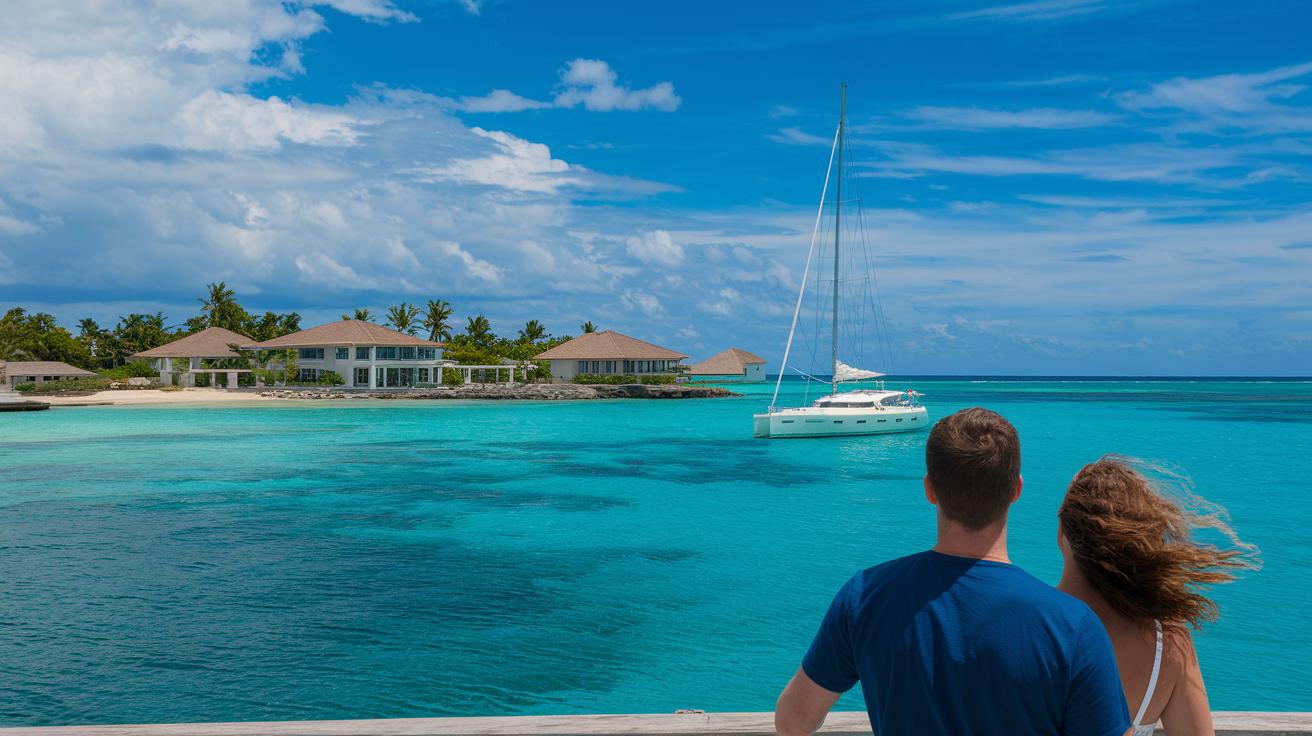
If you're dreaming of island life, you'll be happy to know there are plenty of housing options. Imagine picking a modern condo, a charming beachfront villa with stunning ocean views, or even trying life aboard a sailboat or yacht. In places like the Bahamas and Barbados, prices can be a bit steeper because island living has its own special charm.
When moving to the Caribbean, there are a few important steps to keep in mind. You'll need to handle things like title searches, legal fees, and land transfer taxes. On top of that, expect to put down a 5-10% deposit along with closing fees of around 3-6%. A lot of folks like to start with a short-term digital nomad rental – basically, a temporary stay – to check out the local vibe before making a long-term purchase. This way, you get a feel for the costs and legal steps, which can be quite different from what you know back in the U.S.
Alternative Nautical Living: Sailboat and Yacht Options
- Enjoy mobility and potentially lower taxes
- Marina and mooring fees range from $200 to $1,000 each month
- Keep in mind maintenance and insurance costs
- There are also permit and registration steps to follow
- Become part of a vibrant boating community
Choosing a life on the water isn’t just about a change of scenery, it’s also about flexibility and a stronger connection to the sea. Living on a boat might help lower some costs while adding a fun, adventurous twist to your daily routine. With careful planning and understanding of upkeep and fees, a sailboat or yacht could be the perfect match for your Caribbean expat adventure. So, take your time, plan wisely, and enjoy every moment of your island life.
Embracing Caribbean Culture and Community Integration

Caribbean culture is a lively blend of African, European, Asian, and Indigenous roots. The islands come alive with colorful festivals like Carnival, Junkanoo, and reggae events, where you can really feel the island spirit. Many expats find that joining in these celebrations is a warm, welcoming way to feel at home.
Connecting with locals is just as fun as wandering through bustling markets or swapping stories with friendly neighbors. A lot of expats ease into the local way of life by taking part in everyday activities that make cultural adjustment feel simple and natural.
- Join local festivals and events
- Volunteer in community programs
- Sign up for language and culture workshops
Taking part in these community activities not only helps you pick up English, Spanish, French, or Creole quickly, but also lets you build real friendships with locals and other expats. When you connect with a lively network of residents, every conversation and shared moment turns cultural differences into chances to learn and have fun. It's a hands-on way to feel truly part of a warm, welcoming community.
Climate, Lifestyle, and Daily Activities of Caribbean Living
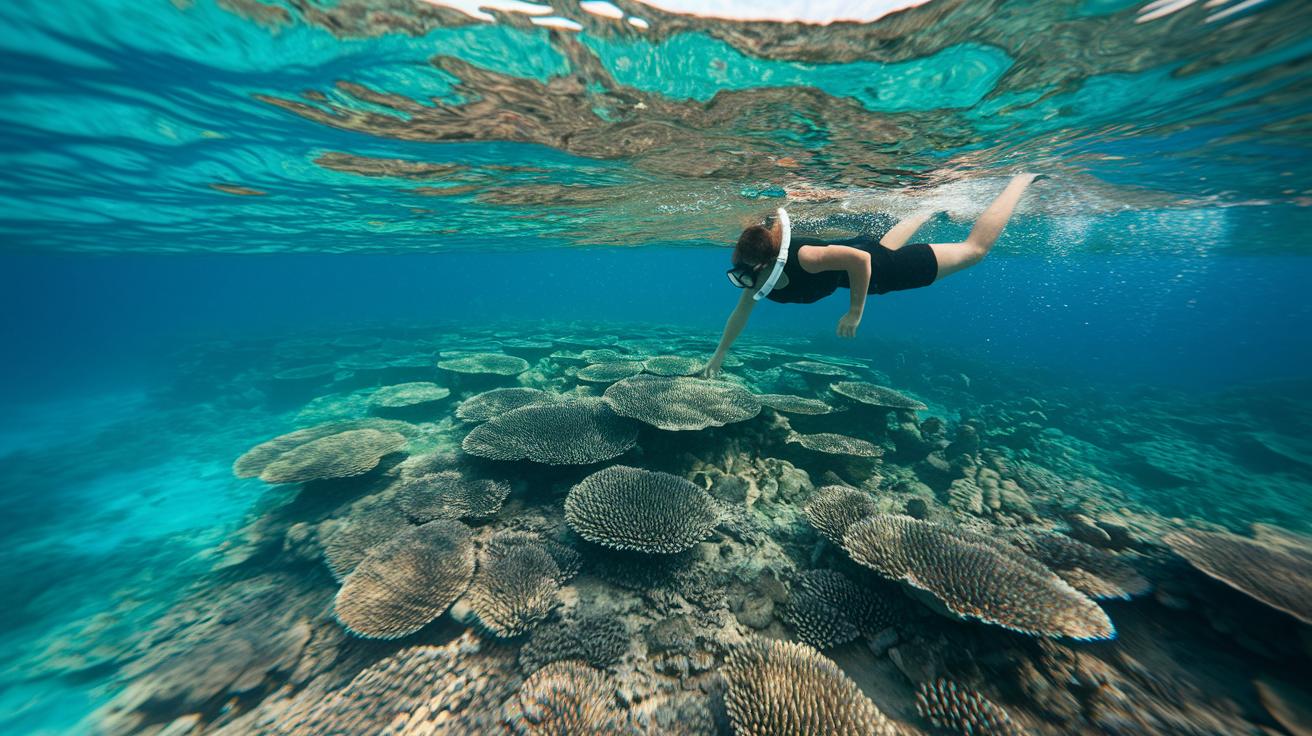
Imagine waking up to warm, steady weather where the temperature gently ranges from 24°C to 30°C all year long. Even on rainy days, when the islands get between 1,000 and 2,500 mm of rain each year, the lush greenery and vibrant scenery take on a sparkling, refreshed look. And when December to May brings the most sunshine, it feels like the perfect escape with bright, clear skies inviting you outdoors.
Living here is all about the mix of adventure and ease. Picture yourself diving into crystal-clear waters for a round of snorkeling or exploring dazzling coral reefs while scuba diving. Maybe you're more in the mood to set sail on calm, gentle waves. Each day flows with the simple pleasure of savoring a beachside meal or enjoying a lazy afternoon under the sun, all set to the backdrop of soft, reliable sea breezes.
Of course, when hurricane season rolls around from June to November, locals stay extra mindful. Still, the promise of warm weather, plenty of island fun, and the enchanting allure of the Caribbean coast keeps everyone in high spirits and truly captivated by this paradise.
Healthcare, Education, and Infrastructure for Caribbean Expatriates
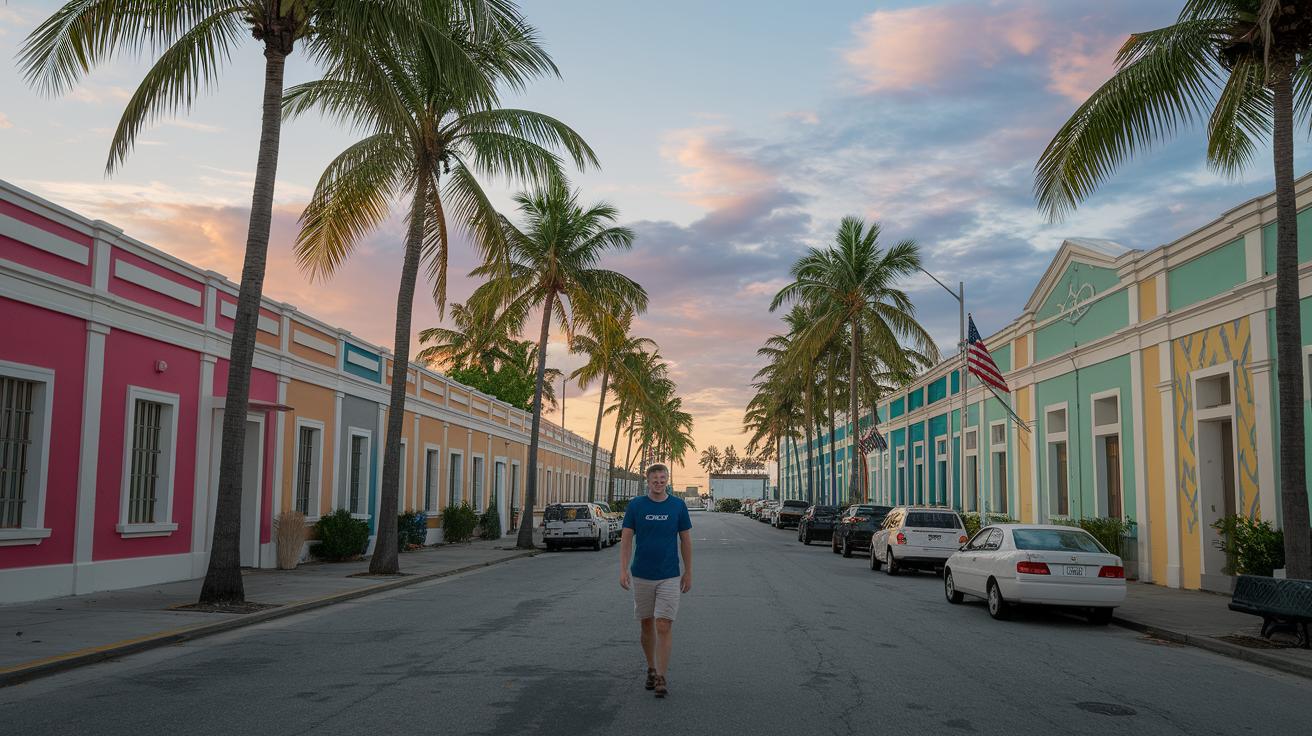
Living in the Caribbean feels like a beautiful mix of modern comforts and genuine island charm. Many expats lean toward private healthcare to skip the uncertainty of public hospitals, paying annual premiums of about $1,000 to $5,000. Private clinics offer quicker service and more dependable care, making it a popular choice.
When it comes to getting around, the roads tell a story of two worlds. In busy town centers, you can rely on well-paved highways, while in the countryside, dusty dirt roads might turn a short trip into a slightly bumpy 20- to 40-minute ride. And as you drive, imagine the warm breeze and the rich smells of tropical flora dancing past your window.
Internet is another modern perk, usually clocking in between 10 and 50 Mbps, enough to handle your everyday needs. Still, in some remote areas, power can be off for 5 to 10 hours a month, giving you a taste of that slower island pace.
When it comes to schooling, families often choose international schools for their solid education quality. With annual fees ranging from $5,000 to $20,000, these schools offer modern learning environments, even if schools are fewer on the smaller islands. Meanwhile, basic public transit like buses and shared taxis help keep the rhythm of daily life, though many rely on their own wheels.
In truth, island life here means balancing modern services with local traditions. From choosing the right healthcare plan to planning school budgets and navigating unique transit options, every day brings its own vibrant blend of practicality and sun-kissed magic.
Top Caribbean Islands for Expats and Retirement in the Caribbean
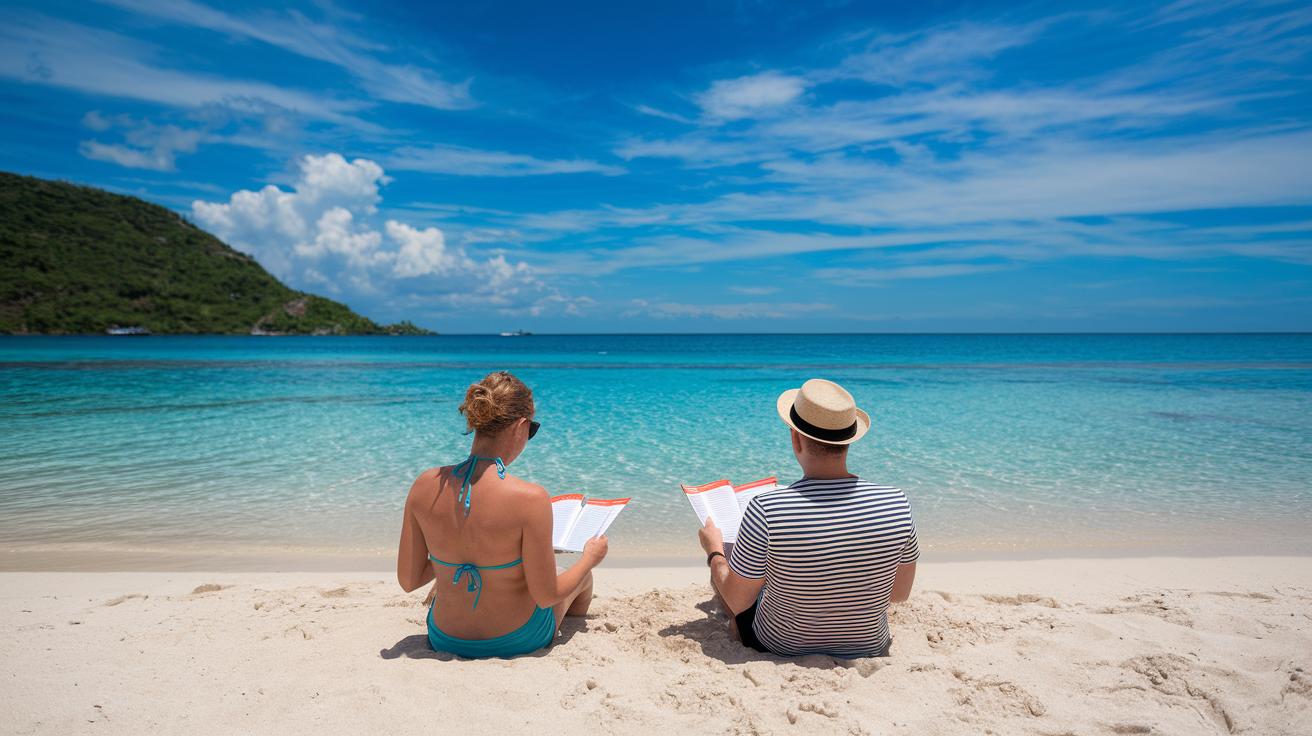
The Caribbean is a dream come true for those ready to start a new life abroad or retire in peace by the sea. Each island has its own cool visa options (that means special permissions to live there) and smart tax perks. For example, the Cayman Islands are loved for their top-notch healthcare and no income tax, making them a favorite among those with deeper pockets. Barbados, on the other hand, draws in digital nomads with visa options made just for remote work and a lively expat community. And if you’re looking for a chance to change your citizenship through investment, Antigua & Barbuda might just have what you need. Not to mention, the Bahamas is popular for its close ties with the United States and a tourism buzz, while Belize charms many with affordable properties starting around $200K.
These islands really let you pick a community that fits your lifestyle and financial needs. Most places offer retirement visas for those 50 and older, often with a required income between $50K and $100K per year. Each destination blends affordability, flexible visa rules, and attractive tax benefits to create the perfect setting for a laid-back island life.
| Island | Avg Annual Cost | Visa Type(s) | Tax Incentives |
|---|---|---|---|
| Cayman Islands | High | Residency Programs | No income, capital gains, or inheritance taxes |
| Barbados | Moderate | Digital Nomad Visa | Favorable tax conditions |
| Antigua & Barbuda | Moderate | Citizenship-by-Investment | Tax-efficient structure |
| Bahamas | High | Various Residency Options | No income tax |
| Belize | Low | Retirement Visas | Cost-effective benefits |
Essential Relocation Checklist and Tips for Living in the Caribbean
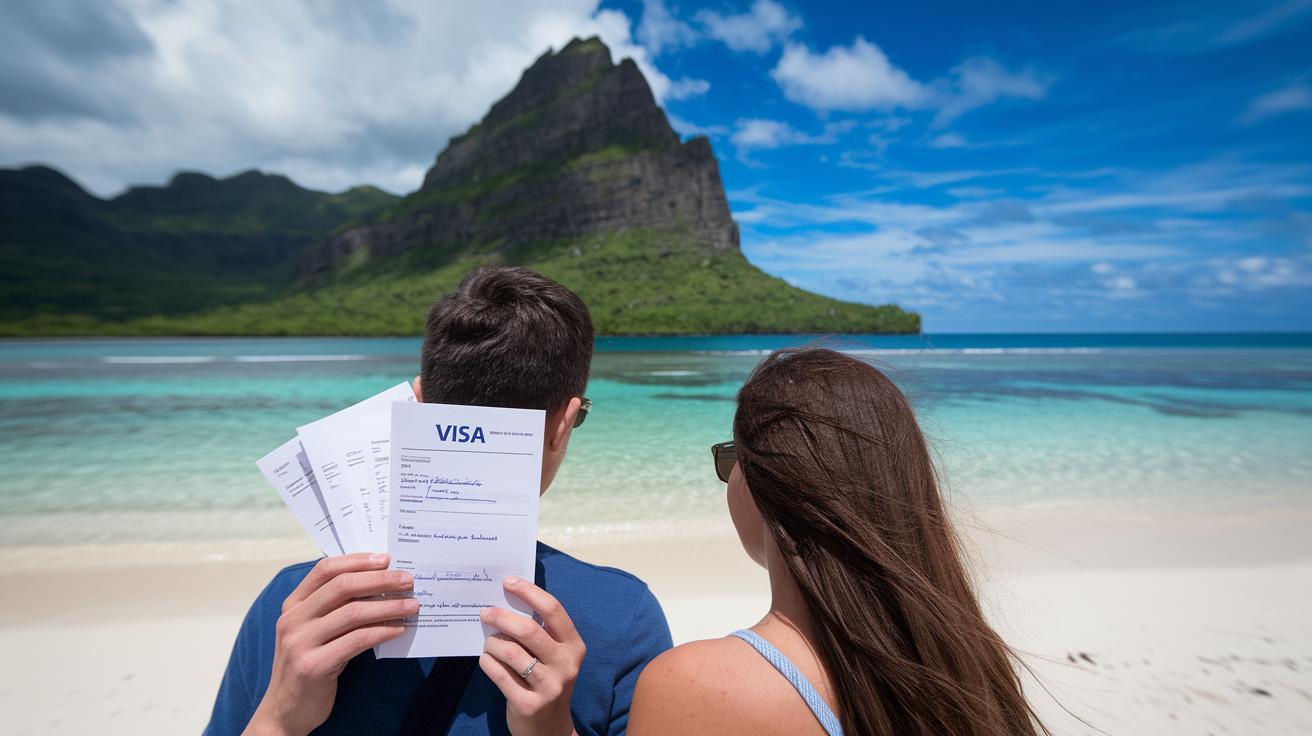
Moving to a Caribbean island is like stepping into a warm, inviting story. It means wrapping your head around some must-do admin tasks and budgeting tricks while soaking in that tropical vibe. First off, do a bit of homework on visa rules, whether it's a regular visa or something like a citizenship-by-investment option, which usually asks for an economic contribution of about $50,000 to $100,000. And don’t forget about a housing deposit, usually between 5% and 10%, plus sorting out international health coverage for those unexpected moments. It might even help to set aside 2 to 3 months' worth of living expenses as a cushion during your move.
Next, make sure you register with your local embassy and prepare for residency approvals, which can take anywhere from 4 to 12 weeks. It might feel like a lot of paperwork at first, but these steps smooth out the process so you can soon enjoy life under sunny skies. Also, remember that embracing island life means adjusting to a few changes, higher living costs, new cultural habits, and sometimes, healthcare that’s a bit more basic than what you’re used to.
Hurricane Preparedness Essentials
- One gallon of water per person per day (for a three-day supply)
- Three days’ worth of nonperishable food
- A battery-powered radio to catch NOAA weather updates
- A first-aid kit along with any essential prescription medications
- Flashlights with extra batteries handy
- Plywood or hurricane shutters for your windows
- Copies of important documents like your passport and insurance papers
Planning for hurricanes might seem a bit heavy, but having these items ready can really bring peace of mind when storms roll in. With the paperwork and safety tips sorted, you'll have more time to enjoy those sun-drenched mornings, the friendly chats with locals, and all the little island surprises that make Caribbean living so special.
Final Words
In the action, we touched on daily island life, housing tips, cultural highlights, and practical cost strategies, all crucial parts of living in the caribbean. The guide walked through everyday routines, weather details, and essential relocation steps in bite-size pieces for easy planning.
This recap reminds you that moving to a tropical region is full of warm, memorable moments waiting to be embraced. Enjoy the magic and simplicity of island living, and let your Caribbean experience bring endless smiles.
