Have you ever marveled at how a little island can charm you? Even the tiniest Caribbean spots hide a special magic that might just spark your curiosity. Imagine warm, sunlit beaches and locals who greet you like an old friend every time you visit. In this piece, we share easy coastal facts that prove even a small piece of land can embrace you with open arms. Ready to discover the sunny secrets of the Caribbean's smallest gem?
Ranking the Least Expansive Caribbean Islands
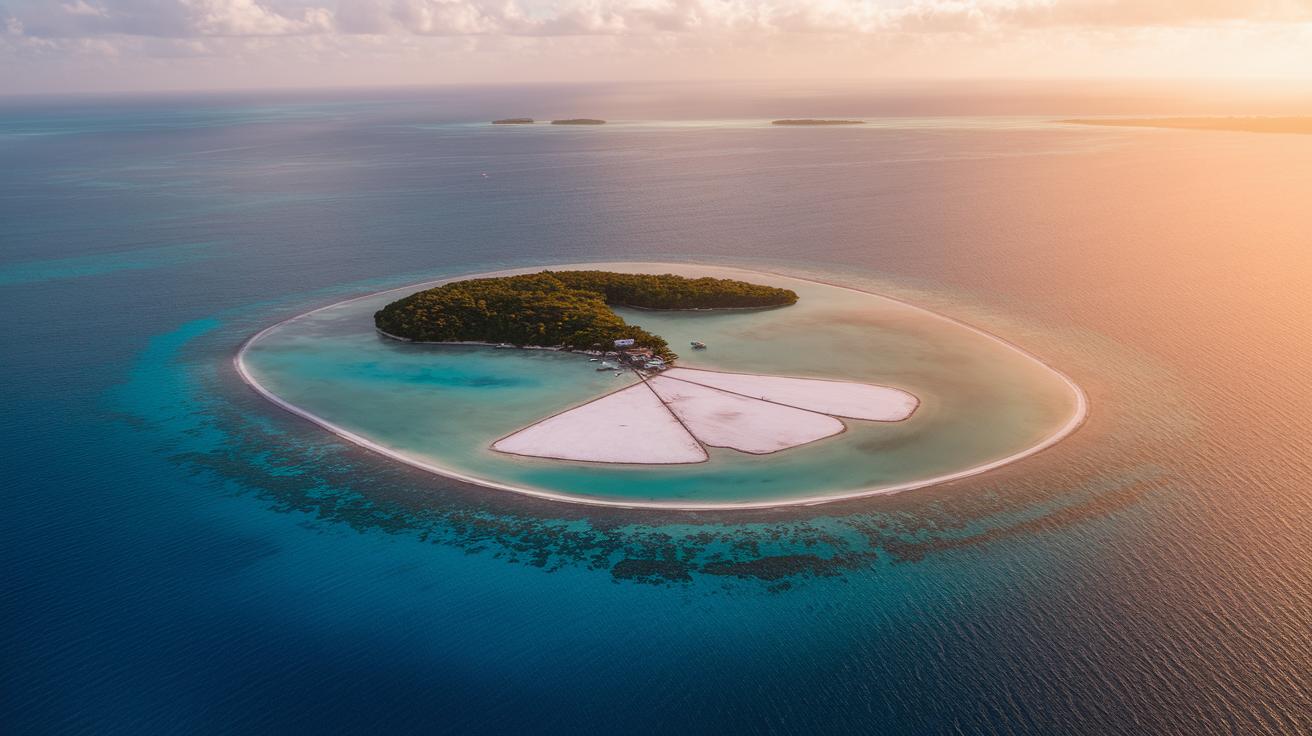
When exploring these lovely islets, we look at the land size and whether locals call them home. We’ve sorted them by overall area, and even a few extra square kilometers can turn a quiet hideaway into a lively village. For instance, Klein Bonaire is celebrated for its crystal-clear marine vibes even though it's uninhabited, while Salt Cay shows that even a small piece of land can support a charming community you can feel right away.
| Island | Territory/Country | Area (km²) | Inhabited (Y/N) | Population |
|---|---|---|---|---|
| Klein Bonaire | Bonaire (Caribbean Netherlands) | 5.96 | N | 0 |
| Salt Cay | Turks and Caicos Islands | 6.74 | Y | ~100 |
| Isla Mujeres | Quintana Roo, Mexico | 4.55 | Y | Varies |
| Saba | Caribbean Netherlands | 13 | Y | ~2,000 |
| St. Maarten | French/Dutch | 87 | Y | ~70,000 |
Uninhabited gems like Klein Bonaire offer quiet escapes where nature takes center stage, giving you a chance to truly unwind. And then there are islands like Salt Cay and Isla Mujeres, where small communities set the scene for real, everyday island adventures. Both types let you enjoy unique vibes, the peaceful solitude of untouched shores and the warm welcome of local life. Each island, whether bustling with locals or serenely empty, paints a different picture of the Caribbean, inviting travelers to dive into experiences as varied as the sea itself.
Geographic Profiles of the Caribbean’s Minuscule Retreats
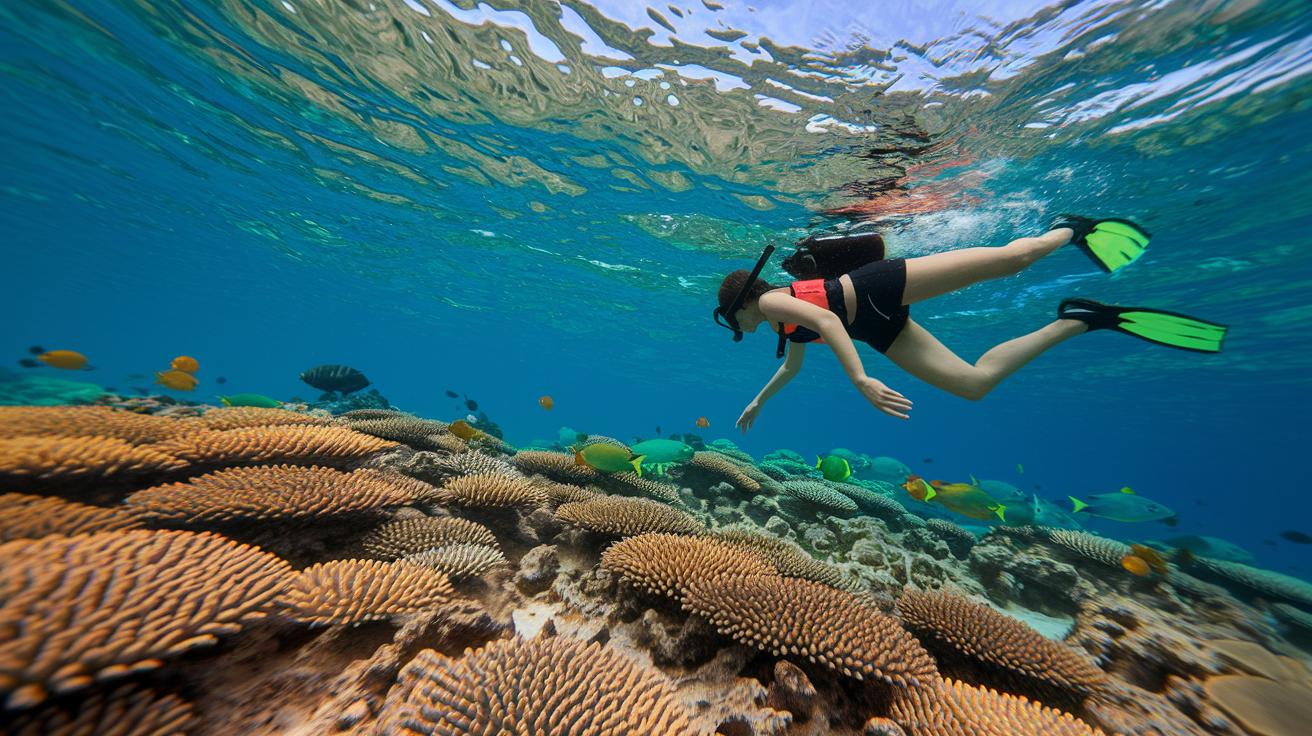
Klein Bonaire is a small, uninhabited islet with soft white sands and clear, sparkling waters. As part of the Bonaire National Marine Park, it has become a favorite spot for snorkeling. The island’s rugged shoreline and untouched charm create a natural coastal vibe where nature lovers can relax and marvel at the colorful marine life in a peaceful, remote setting.
Salt Cay covers about 6.74 km² and exudes a cozy, small-town feel. With a close-knit community of around 100 residents, the island offers simple dining, shopping, and lodging, perfect for a quiet coastal getaway. Its friendly streets and historic salt flats add to the inviting atmosphere, capturing the relaxed Caribbean spirit where simplicity meets charm.
Isla Mujeres stretches 7 km long and is just 0.65 km wide, giving it a distinct profile. As an inhabited gem in Quintana Roo, the island treats visitors to breathtaking views and a calm, scenic shoreline. The local character, enriched by a deep historical heritage and a laid-back vibe, invites you to experience real island life while enjoying warm sea breezes and radiant sunny days.
Saba spans 13 km² and is known for its rugged, volcanic landscape. It’s home to the Juancho E. Yrausquin Airport, famous for its super short 400-meter runway that keeps pilots on their toes. With dramatic cliffs and hints of active volcanoes, the island offers breathtaking views and a uniquely intimate, adventurous feel.
St. Maarten covers 87 km² and is uniquely divided between French and Dutch sides. This blend of governance brings together diverse cultural influences, giving the island a lively, dynamic feel. One of its highlights is the famous Princess Juliana Airport, where planes swoop tantalizingly close to Maho Beach. This exciting interplay of aviation and beach life perfectly captures the mix of practicality and vibrant island energy.
Comparing Scale: Caribbean Micro Islands vs Larger Neighbors
When planning your island getaway, knowing the size of an island really sets the scene. A small island might offer cozy spots and laid-back vibes, while a larger one could be buzzing with more activities and services.
Think about it like this: Cuba, the biggest island in the Caribbean, stands tall next to little places like St. Maarten, which is only 87 km², or even Saba at 13 km². And then there's Jamaica, sprawling over 10,991 km², showing just how big the difference can be. There are even tiny islets, like Klein Bonaire at just 5.96 km², compared to Bonaire’s 288 km².
These size differences even affect the little details you notice, like harbor facilities or short runways, which in turn influence how easy it is to get around and what kind of local services you can expect.
So, whether you’re looking for quiet days on a mini island or a more active adventure on a larger one, understanding these contrasting scales helps you plan a trip that perfectly fits your personal vibe.
Planning Your Trip to the Caribbean’s Smallest Isles
When planning your Caribbean escape, the weather really shapes your adventure. The islands have two main seasons, a dry season from mid-December to mid-April and a wet season from mid-April to mid-December. And, just a heads up, hurricane season lasts from June 1 to November 30, so that can affect everything from your flight schedule to the tours you choose. For example, on Saba, the 400-meter runway means only small planes can land, and islands like Klein Bonaire and Salt Cay have very few accommodations that fill up super fast.
- Plan your travel dates outside of the hurricane season
- Keep in mind Saba’s runway means flight options are limited
- Book your stay early on Klein Bonaire and Salt Cay
- Enjoy duty-free shopping in St. Maarten
- Pack light since services can be scarce
Don’t forget about visas, local transport, and getting connected. Many of these micro-islands have simple visa rules, but if you’re hopping over to places like St. Maarten (which mixes French and Dutch vibes), it pays to double-check. Public transport might be limited, so renting a bike or car can be a smart way to see every little corner. And while it’s nice to have cell service, some spots stay charmingly off the grid. Traveling light lets you move easily and fully soak up that laid-back, sun-soaked Caribbean lifestyle.
Cultural and Historical Insights on the Caribbean’s Petite Islets
Long before the colonizers arrived, the Caribbean buzzed with the life of its native peoples. By the end of the 1400s, almost three million Taino people thrived on Hispaniola and nearby islands. Their art, beliefs, and everyday habits left a mark on the land, even though disease and conflict nearly wiped out their communities by 1530. Picture small villages by crystal clear waters, where stories of family and nature still live on today.
St. Maarten shows off a blend of cultures influenced by both French and Dutch history. Strolling through its streets, you’ll feel the mix of languages, taste hints of unique cuisine, and see art passed down through generations. It’s a place where lively markets and charming colonial buildings speak of a rich, shared heritage.
Saba is a tiny island with a big story. Under Dutch administration, it proudly holds on to its past while adding a modern twist. Every day, the locals celebrate their traditions with little festivals and warm community spirit, weaving history into the fabric of today’s island life.
Salt Cay once thrived thanks to its salt-mining days, which played a key role in the island’s economy. The salt that was once gathered shaped the landscape and set the rhythm of local life. Even now, the old techniques and tales of salt harvesting add something special to the island’s character.
Isla Mujeres is known for its deep-rooted legends linked to the Mayan goddess Ixchel. Its shores seem to whisper with ancient rituals and a protective energy that invites travelers to feel its mystical charm.
Every local festival and tradition here still echoes with the memories of native strength and the changes brought by colonial times. It’s a blend that lets residents honor their past as they share a colorful cultural heritage that makes these islets truly unique.
Final Words
In the action, our guide ranked Caribbean isles by landmass, shared unique geographic features, and offered practical tips for smooth trip planning. We painted vivid profiles of each realm, compared scale differences with larger islands, and peeked into local cultural snippets that shape unforgettable stays.
This wrap-up reminds you that even the smallest Caribbean island holds its own charm, inviting genuine exploration and spirited experiences. Enjoy every moment of your tropical escapade!
FAQ
Q: What are the smallest Caribbean islands by area and population?
A: The smallest Caribbean islands by area and population are known for their tiny landmass and few residents, which make them ideal for travelers seeking secluded, off-the-beaten-track experiences.
Q: What is considered the biggest Caribbean island?
A: The biggest Caribbean island is recognized by its vast land area, with Cuba standing out as the largest island in the region, offering extensive natural and cultural attractions.
Q: What are the largest Caribbean islands ranked, including the top three or five?
A: The largest Caribbean islands are ranked by sheer size, with Cuba, Hispaniola, and Jamaica among the top three, while other large islands further enrich the region’s diverse offerings.
Q: Are smaller Caribbean islands known by a special name?
A: Smaller Caribbean islands are often called micro-islets or diminutive retreats, referring to their compact size and intimate charm that sets them apart from their larger neighbors.
Q: Is St. Lucia the smallest Caribbean island?
A: St. Lucia is not the smallest Caribbean island; many micro-islets have an even smaller land area, offering more intimate and less developed settings for exploration.
Q: Which Caribbean island is the least touristy?
A: The least touristy Caribbean island tends to be one with minimal development and visitor infrastructure, attracting those who appreciate quiet, authentic local experiences away from crowded resorts.
Q: How do islands like Aruba, Sint Maarten, Curaçao, and Bonaire compare in the Caribbean?
A: Islands such as Aruba, Sint Maarten, Curaçao, and Bonaire vary widely in size, culture, and visitor amenities, each offering a distinct mix of attractions for travelers to enjoy.
