Ever notice how climate change is shifting the stories behind our Caribbean traditions? Festivals and local gatherings that once followed nature’s rhythm now adapt to hotter days, changing rains, and stronger storms. For years, island celebrations danced to the beat of the sun and the sea. Today, these time-honored customs sparkle with a fresh resilience and creative twist. In this piece, we explore how the changing weather is inspiring communities to reimagine their cherished traditions while keeping the festive spirit alive.
Climate Shifts Shaping Caribbean Cultural Traditions
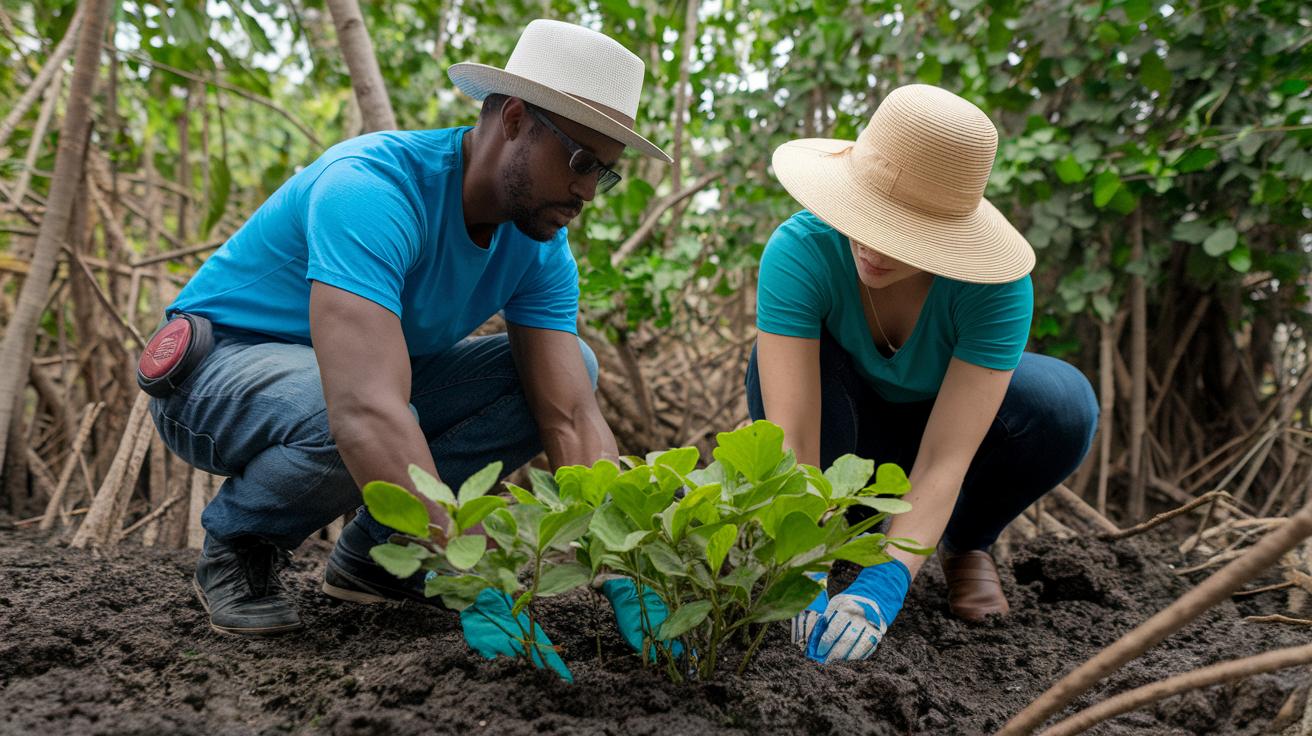
Caribbean traditions have always grown hand in hand with nature. For many generations, island folks have celebrated with festivals and rituals that match the heartbeat of the coral reefs, rainforests, and even the mangroves. The land and sea provide the art supplies for crafts and set the perfect timing for planting and harvest celebrations, it’s almost like nature itself is part of the ritual. This blend of nature and culture really defines the spirit of the islands, as you can see on Caribiana.com.
On these islands, celebrations are a big deal. Whether it's a planting festival or a community unity event during hurricane season, every gathering reminds us that nature is both a generous provider and a playful challenge. The weather shapes daily life, pushing people to adjust their festivities to keep up with the mood of the land and sea.
Here's how climate shifts are influencing local traditions:
| Climate Change | How It Affects Traditions |
|---|---|
| Rising temperatures and heatwaves | Longer, hotter days mean events might need a cooler schedule. |
| Shifts in wet and dry seasons | Changing weather patterns alter the timing of planting festivals. |
| More frequent hurricanes | Storms push communities to rearrange their festival calendars. |
| Sea-level rise | Coastal ceremony sites are at risk and may need new locations. |
| Coral reef bleaching | Fading reefs mean fewer natural inspirations for crafts. |
As the climate changes, island communities are adapting too. Organizers are reworking festival dates to match unpredictable weather, and local artisans are sometimes turning to new materials when traditional ones run short. This blend of old customs with new twists keeps Caribbean cultural traditions lively, welcoming every little shift Mother Nature sends their way.
Climate Impacts on Seasonal Festivals and Sacred Rites
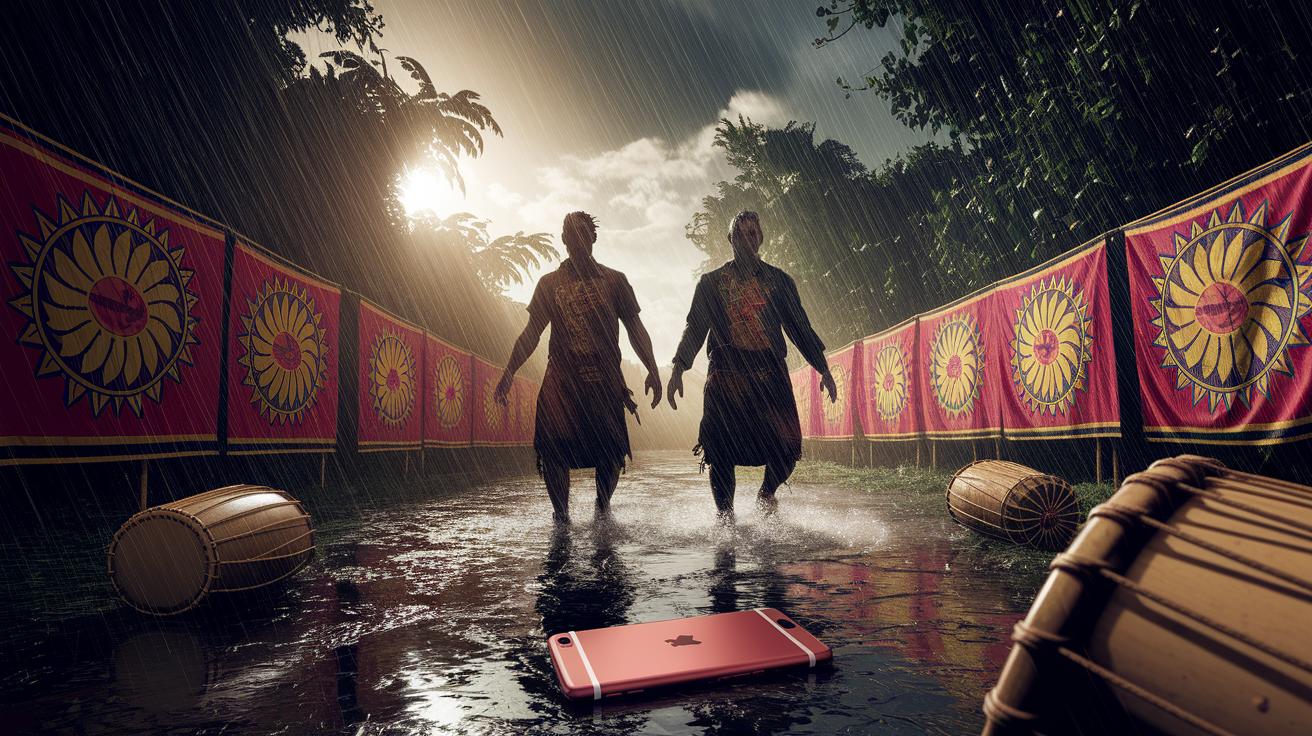
Festivals that used to follow a set weather rhythm now face sudden changes. Unpredictable rain showers and quick storms mean communities often have to change their plans at the last minute. For example, carnival dates shift when the weather doesn’t cooperate, and even the celebrated yam harvest feasts adjust as crop cycles change. Sugarcane blessings might get postponed, and gatherings to mark hurricanes are rearranged to match the latest storms.
Sacred ceremonies have also taken on a new flavor. They now tell a story of strength and fresh beginnings, showing how nature’s shifts inspire a deeper bond between people and the earth.
Rising Sea Levels and Coastal Folklore Evolution
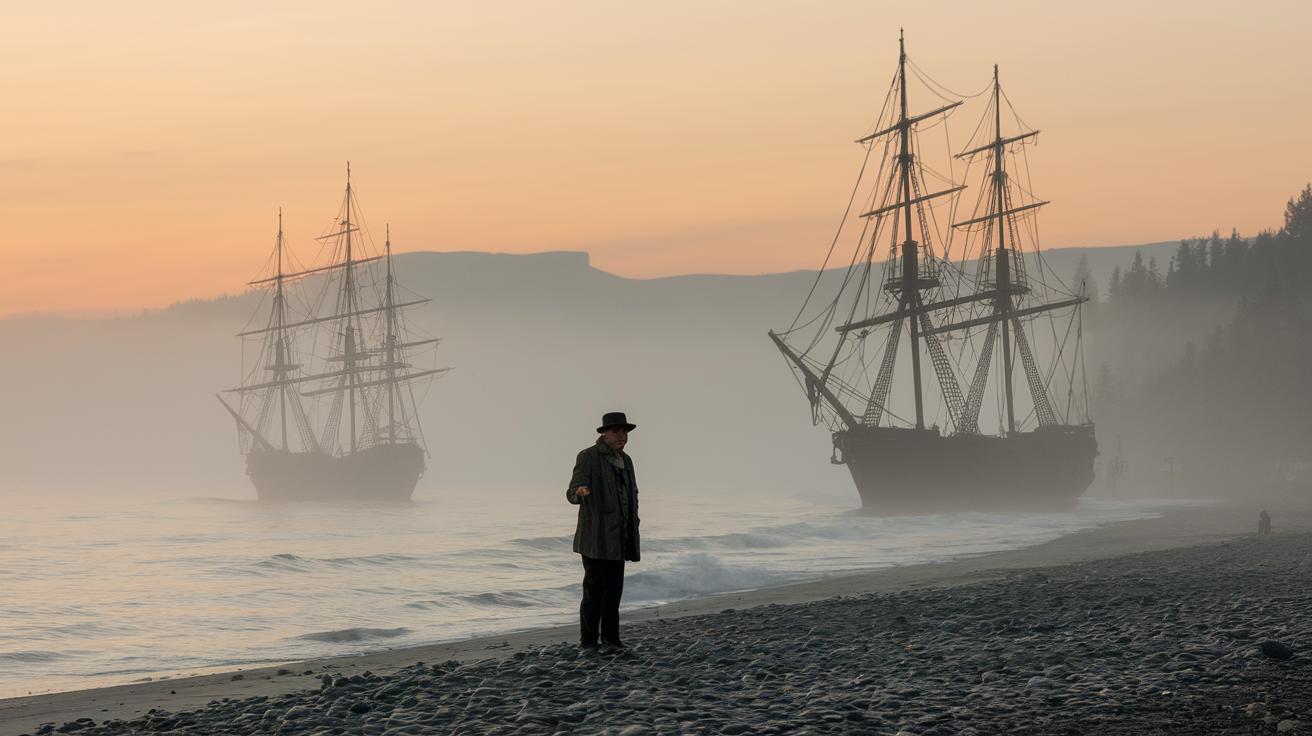
Coastal storytellers are creating fresh legends about disappearing shores and mysterious ghost ships. These tales mix the old history with the changes we see today, almost like nature itself is whispering warnings. You can imagine the soft sound of waves and feel that gentle, yet urgent, reminder that our beloved beaches are slowly slipping away. One local might say, "I remember the old pier, now lost beneath the water," which really strikes a home note about how rising tides can alter our memories.
Over time, local customs are also shifting to keep up with nature’s changes. People now gather for boat parades and water-offering ceremonies, simple, heartfelt events meant to honor the sea. During these moments, the cool splash of water and the warm community spirit create a feeling of unity and hope. It’s both a tribute to traditions of the past and a practical way to connect with the evolving coastal landscape.
Indigenous Community Adaptation Case Studies in the West Indies
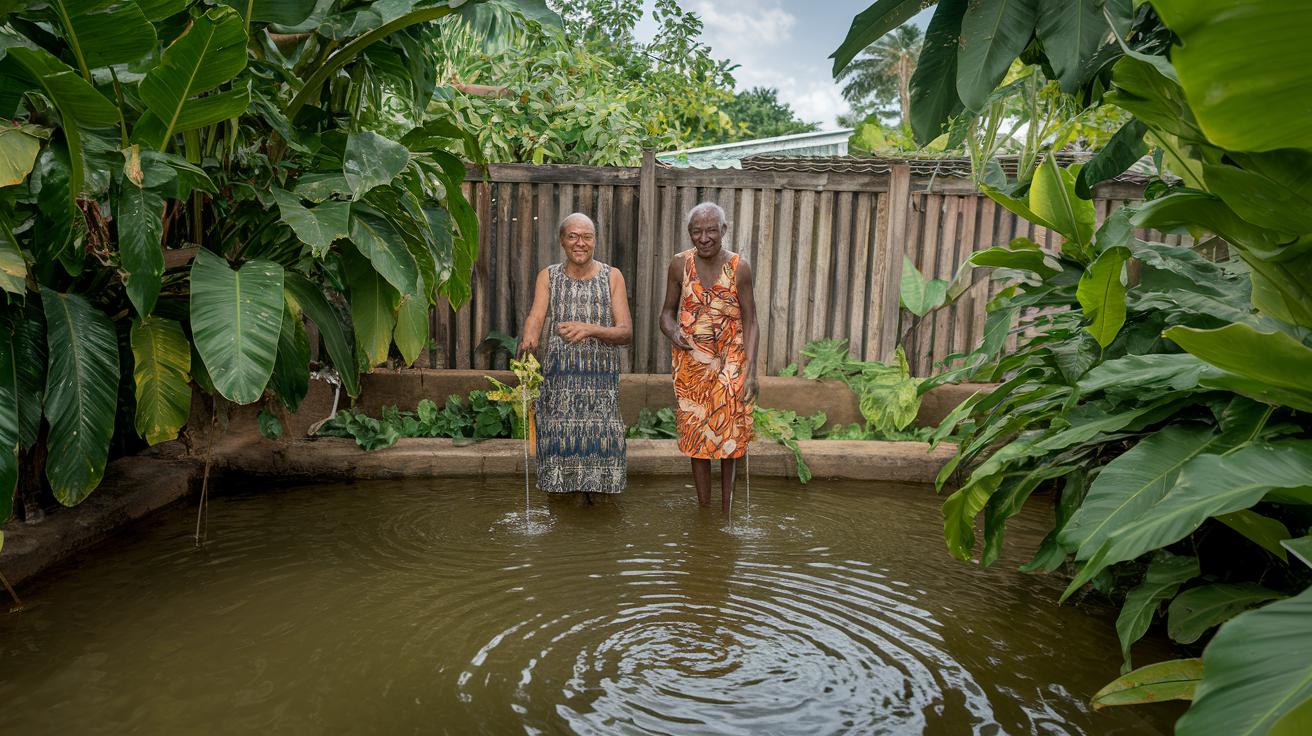
Indigenous communities in the West Indies weave centuries of tradition into everyday life. Their time-tested methods help people handle extreme weather and shifting climates with a heartfelt blend of care and cleverness. It's like nature and community dancing together, showing us how to be ready for whatever comes our way.
Jamaican Ancestral Knowledge for Climate Resilience
In Jamaica, the wisdom of ancestors is still very much alive. Locals use simple rainwater-catchment tricks and agroforestry, growing trees along with crops, to save water during dry spells and storms. Elders pass down stories that remind everyone how to guide rain during heavy downpours. These age-old practices not only help families prepare for sudden weather changes but also deepen their bond with the land. One local might say, "Our traditions flow with the rhythm of the rain, nature always teaches us how to be ready."
Dominica’s Kalinago Sustainable Heritage Model
Over in Dominica, the Kalinago community cares for a 3,000-acre slice of paradise. Here, traditional basket weaving using local larouman reeds (a plant native to the island) is more than a craft, it’s a way to celebrate culture and support eco-tourism. Handcrafted baskets are sold in a village shop, and the funds help meet community needs. Major moments, like electing the first Kalinago head of state in 2023 and the leadership of Environment Minister Cozier Frederick, mark a strong move toward protecting heritage. These efforts ensure that even as the climate shifts and resources tighten, traditions stay alive and vibrant.
Both stories show how blending old wisdom with modern challenges creates a resilient future for island life.
Climate Effects on Traditional Crafts and Art Forms
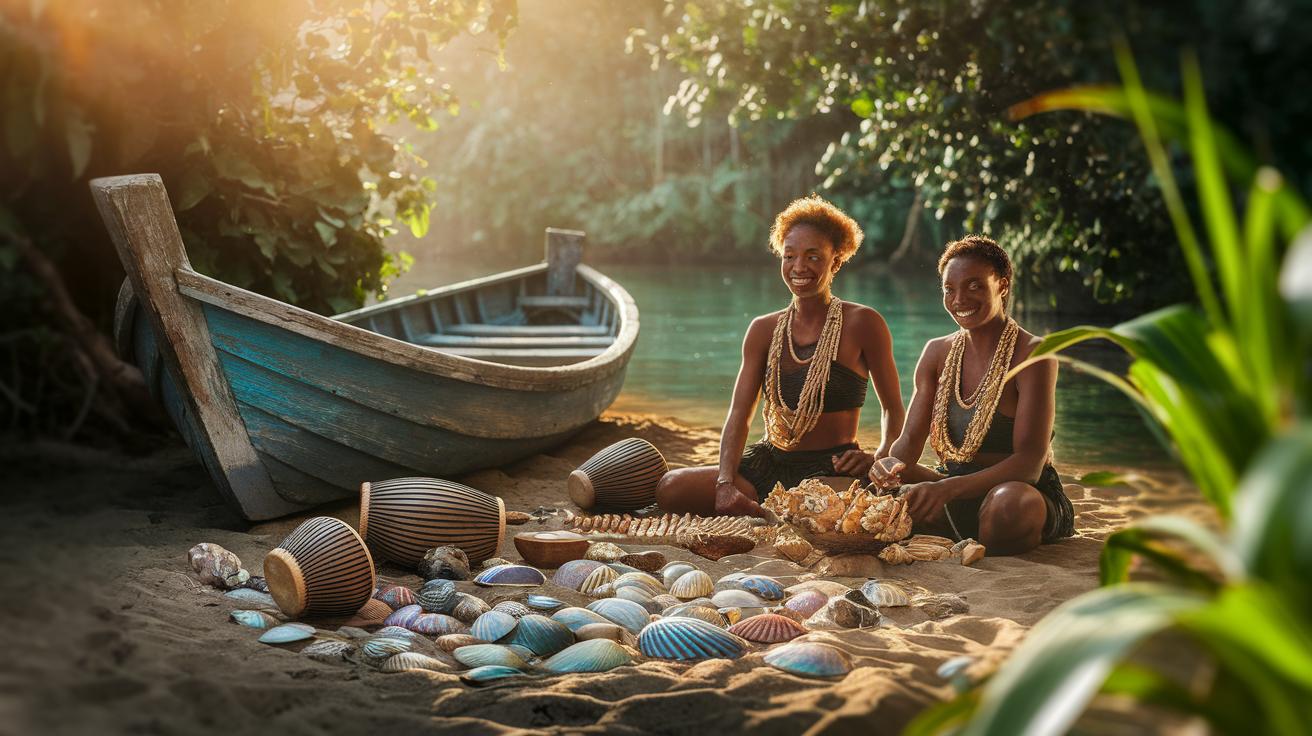
Caribbean crafts have always been about using nature around us. Local artists depend on what the islands provide. They use parts of coral reefs to make pretty jewelry and colorful fabrics, mangrove wood for building boats and even cleaning water, and strong rainforest woods for making drums and xylophones. They even weave delicate shell details into their designs. These natural materials not only make the art look special but also tell the story of the islands. But as the weather becomes hotter and more unpredictable, these materials are not as easy to find. Ocean changes and fewer plants mean that the art passed down for many generations is taking a hit.
| Craft Type | Climate Impact |
|---|---|
| Jewelry & Textiles | Coral bleaching cuts down the inspirations and loss of dye-plants |
| Boat Building | Mangrove trees die off, so less wood is available |
| Musical Instruments | Scarcer hardwoods drive up costs |
| Herbal Crafts | Less rain means fewer local medicinal plants |
Local artisans are getting creative with solutions. They are turning to new, sustainable materials when old ones start to vanish. Some even travel to different spots to share their new techniques in mini-workshops. It feels like each step they take honors the old ways while embracing a new chance to make their art shine. Elders and fellow artists pass on their wisdom, showing that even as times change, the heart of their craft stays strong. It’s a living journey that keeps the story of the islands vibrant for everyone.
Adaptation Strategies and Future Outlook for Island Heritage
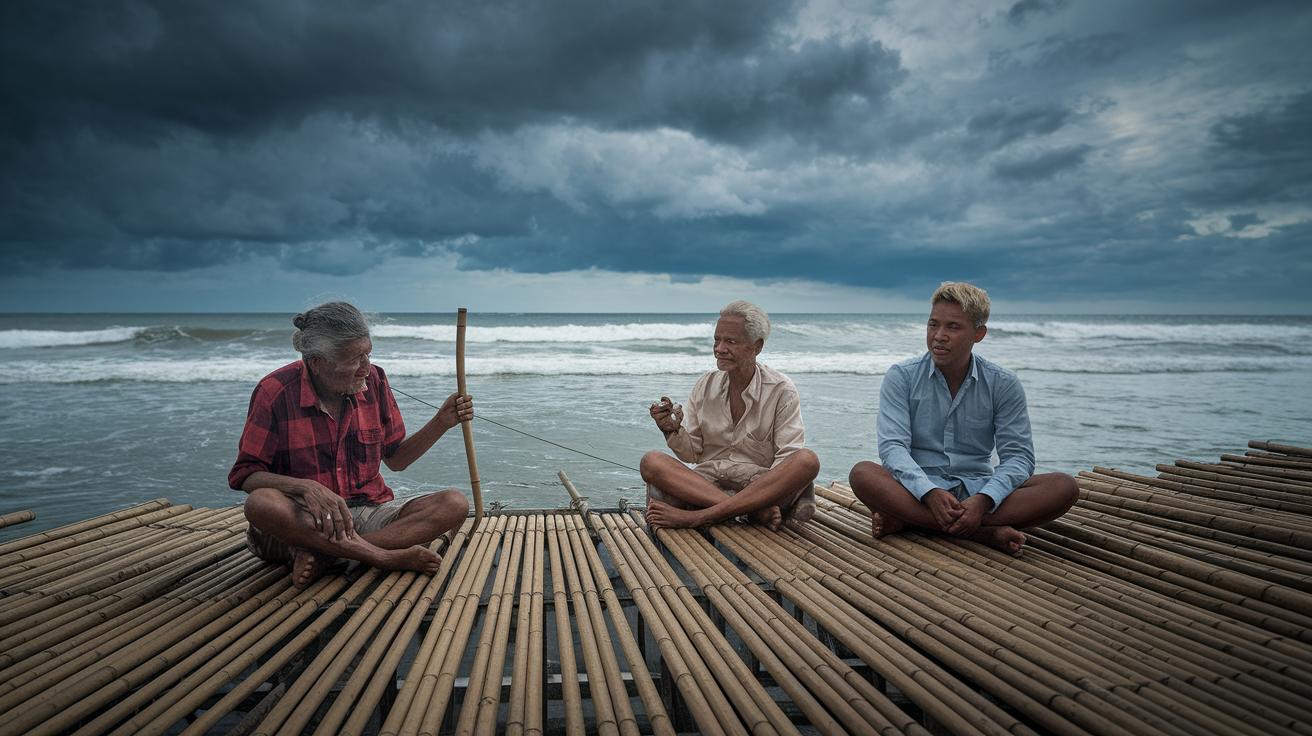
Island communities are taking simple, caring steps to protect their cherished traditions as the climate changes. By mixing old wisdom with fresh, creative ideas, locals are keeping their vibrant culture alive and strong.
- Recording valuable stories from elders, especially in areas where nature is at risk
- Using new, eco-friendly materials when making local crafts
- Adjusting the timing of festivals so they work better during stormy seasons
- Creating community plans to protect important cultural sites
- Offering training that brings together young and old to share traditional skills
All over the region, people are working closely with nature and their history. Elders join forces with younger leaders, capturing treasured tales and customs that continue to guide every step forward. Local groups are also rethinking how they plan festivals, opting for flexible dates that can handle rough weather and advocating for rules that safeguard special ceremonial places. This blend of tradition and innovation not only sparks creative solutions but also strengthens the island’s close-knit, cultural spirit. Across many islands, communities are joining hands, sharing ideas, and investing together in a resilient future that honors both nature and heritage.
Final Words
In the action, we saw how shifting seasons, rising temperatures, and higher sea levels reshape festivals, crafts, and oral traditions. Small communities are reworking sacred rituals and modifying crafts to work with nature’s changes. This testimony of local ingenuity highlights climate change impacts on caribbean cultural traditions while offering clear measures for a resilient future. Communities stand strong, adapting through eco-friendly practices and collaborative planning. The spirit of the islands shines through every adaptive step, leaving us with an optimistic view of shared, sustainable celebrations ahead.
FAQ
What do climate change impacts on Caribbean cultural traditions PDFs and essays indicate?
These documents explain that shifts in temperature, rainfall, and rising sea levels change planting rituals, harvest timings, and coastal ceremonies, reshaping cherished cultural practices in the Caribbean.
What solutions address climate change in the Caribbean?
Climate change solutions in the Caribbean include community-led adaptation measures like eco-material substitutions, climate-adaptive festival schedules, and policies that safeguard cultural sites and traditions.
How does the Caribbean climate vary by month?
Caribbean monthly weather shows clear wet and dry periods that influence planting festivals, communal events, and seasonal rites, aligning everyday practices with natural cycles.
How do rising sea levels affect the Caribbean?
Rising sea levels alter coastal ceremonies and inspire new folklore about submerged traditions, prompting communities to adjust rituals and safeguard cherished coastal sites.
What happened to the indigenous population of the Caribbean and are native Caribbeans black?
The indigenous Caribbean peoples suffered significant decline after colonization, and native Caribbeans remain distinct with indigenous roots, reflecting a mix of cultural heritages rather than being uniformly black.
How does climate change impact the Caribbean?
Climate change influences the Caribbean through altered rainfall, higher temperatures, and sea-level rise, which affect everyday life, traditional arts, and the timing of shared cultural events and rituals.
How does climate relate to cultural traditions in the Caribbean?
Climate shapes cultural traditions by setting the pace for planting, harvest, and festival timing, creating a natural calendar that communities have followed for generations.
What are the three main cultural influences on the Caribbean?
The Caribbean’s cultural mix is shaped mainly by indigenous traditions, African heritage, and European customs, which together define its music, food, and festive celebrations.
What is the cultural impact of climate change in the Caribbean?
Climate change alters cultural landscapes by shifting festival schedules, inspiring new folklore, and prompting adaptations in traditional crafts and communal rituals, ensuring heritage remains resilient.
