Have you ever thought that a classroom could be the heartbeat of Caribbean culture? On our islands, school is more than just math and science. It’s a place where lively traditions come alive, just like joining a local celebration.
Imagine walking into a room filled with the sounds of rhythmic music and the colorful echoes of folklore. It feels like you're at a small festival where every lesson brings history to life. Education here is a way to keep our cherished customs burning bright.
In truth, school nurtures a deep pride in our Caribbean roots and inspires change for the future. It reminds us that our culture is alive, vibrant, and ready to be passed on, one story at a time.
Education’s Role in Preserving Caribbean Culture
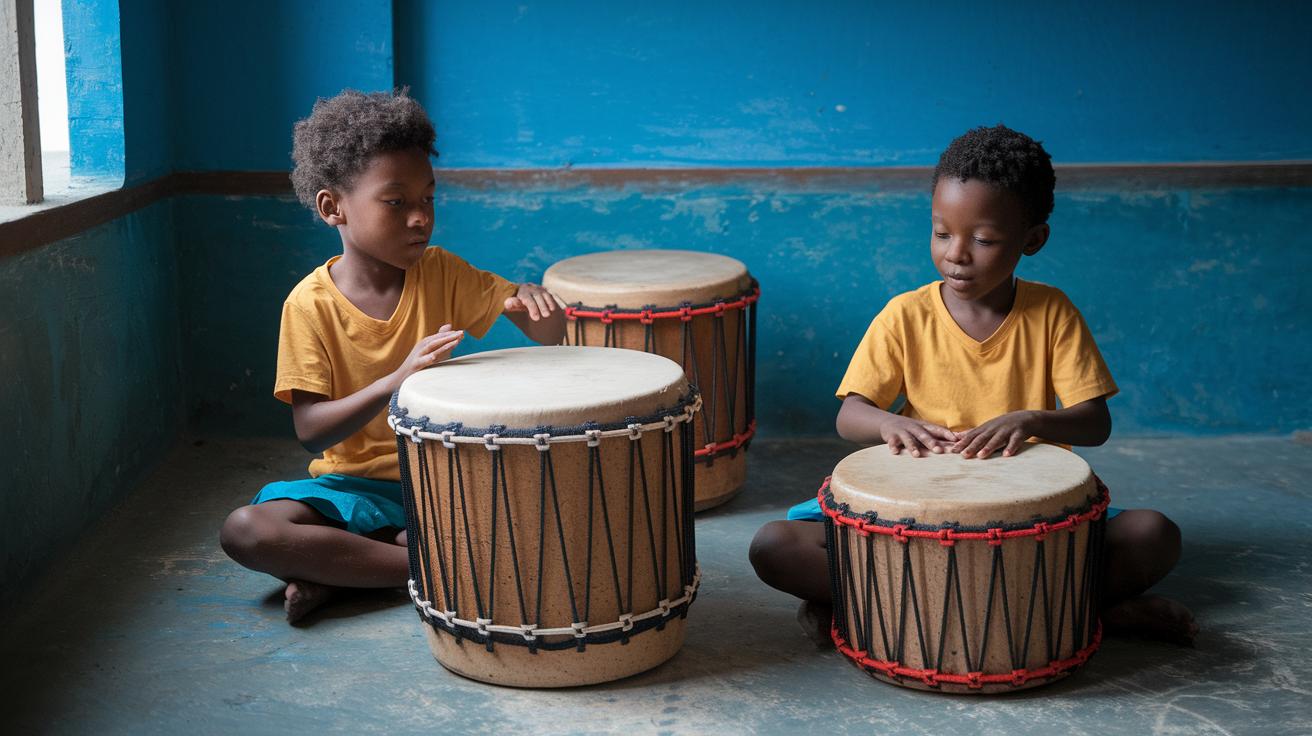
Caribbean culture bursts with stories and colors drawn from African, European, Indigenous, and Asian roots. Schools aren’t just places to learn facts, they’re special spaces where kids can celebrate their heritage, feeling a deep pride in traditions that have blended over time. Even small changes in the classroom can spark big shifts, helping this living culture flourish.
In the Caribbean, learning goes way beyond textbooks and exams. It’s like stepping into a colorful festival where the past comes alive and traditions echo in every corner. Kids aren’t just listening to history; they’re experiencing it with all their senses.
- Storytelling that brings timeless characters like Anansi the Spider to life, sharing important lessons along the way
- Music sessions bursting with the lively rhythms of reggae, calypso, and soca that make you want to move
- Art and craft projects that capture the true essence of island life
- Cooking classes where students dive into local dishes like jerk chicken and roti, sparking tasty adventures
- Festival-based learning through hands-on participation in events like Carnival and Crop Over
- Language lessons introducing English, Creoles, Spanish, French, and Dutch so students can hear and speak the sounds of the Caribbean
These immersive activities fill the classroom with the sights, sounds, and flavors of island life. By blending storytelling, music, art, food, festivals, and language into every lesson, schools nurture a genuine sense of belonging and pride. Before long, future community leaders emerge, ready to keep the spirit and traditions of the Caribbean alive for generations to come.
Transforming Curriculum to Reflect Caribbean Heritage

This approach gives our core classes a warm salute to the voices of our ancestors.
| Module | Cultural Focus |
|---|---|
| Anansi Folktales | African oral tradition |
| Reggae Rhythms | Music history and social commentary |
| Culinary Heritage | Hands-on cooking of island dishes |
| Carnival Culture | Origins of festival rituals |
| Creole Conversations | Basics of local dialects |
Designing these units is like mixing a refreshing tropical drink where you blend old traditions with new ideas. Teachers can light up the room by sharing engaging stories and fun projects. Imagine students cooking up a classic island recipe in their Culinary Heritage class or acting out a lively Anansi tale to learn about family and community values. And with Reggae Rhythms, they get to feel the beat of history while discovering important messages hidden in the music.
In class, you might hear a few sweet Creole tunes or learn about the vibrant beginnings of Carnival Culture. Combining group activities with solo projects helps every student connect with their rich roots. When teachers add real-life experiences and personal stories into lessons, it’s like feeling the cool island breeze while learning about history. This way, educators can turn everyday lessons into a joyful, life-changing celebration of culture and pride.
Community-Based Projects Safeguarding Caribbean Traditions
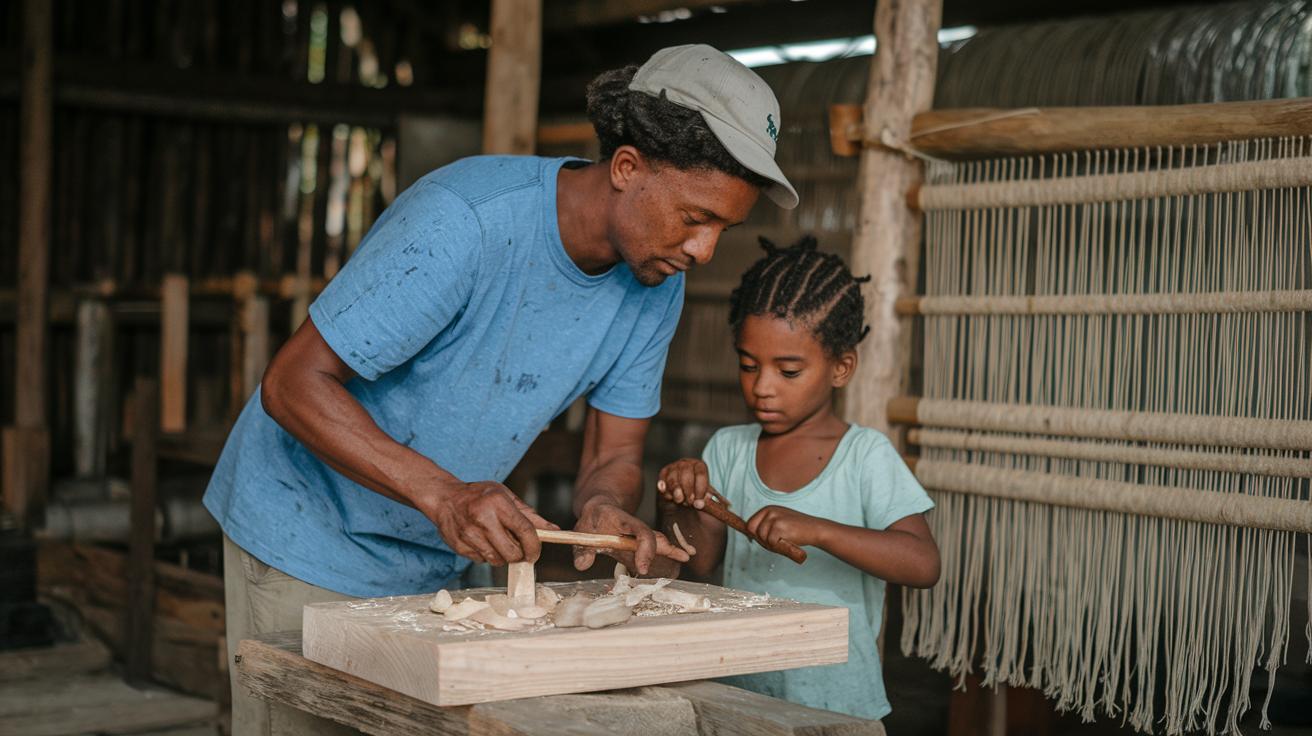
Heritage art workshops bring classrooms alive by linking kids with local artisans who know their crafts inside and out. In these lively sessions, children get to try their hand at pottery, weaving, and carving, a fun way to dive into techniques that have been passed down through generations. Imagine a workshop where a warm-hearted carver explains that every piece tells a unique island story, making each creation feel personal and full of life.
Then there are storytelling circles where elders cozy up with young ones to share rich tales. Whether it’s a folktale about Anansi or a real-life story of overcoming tough times, these sessions let kids hear history straight from those who experienced it firsthand. It’s like having a favorite family story that fills you with pride and connects you to your roots.
Field trips to local historical sites and community museums add another exciting layer. When students walk through these landmarks and see cherished artifacts up close, they can really feel the pulse of their culture. These adventures invite them to become little historians themselves, asking questions, jotting down discoveries, and cherishing the legacy that makes their community special.
Role of Education in Preserving Caribbean Culture: Life-Changing
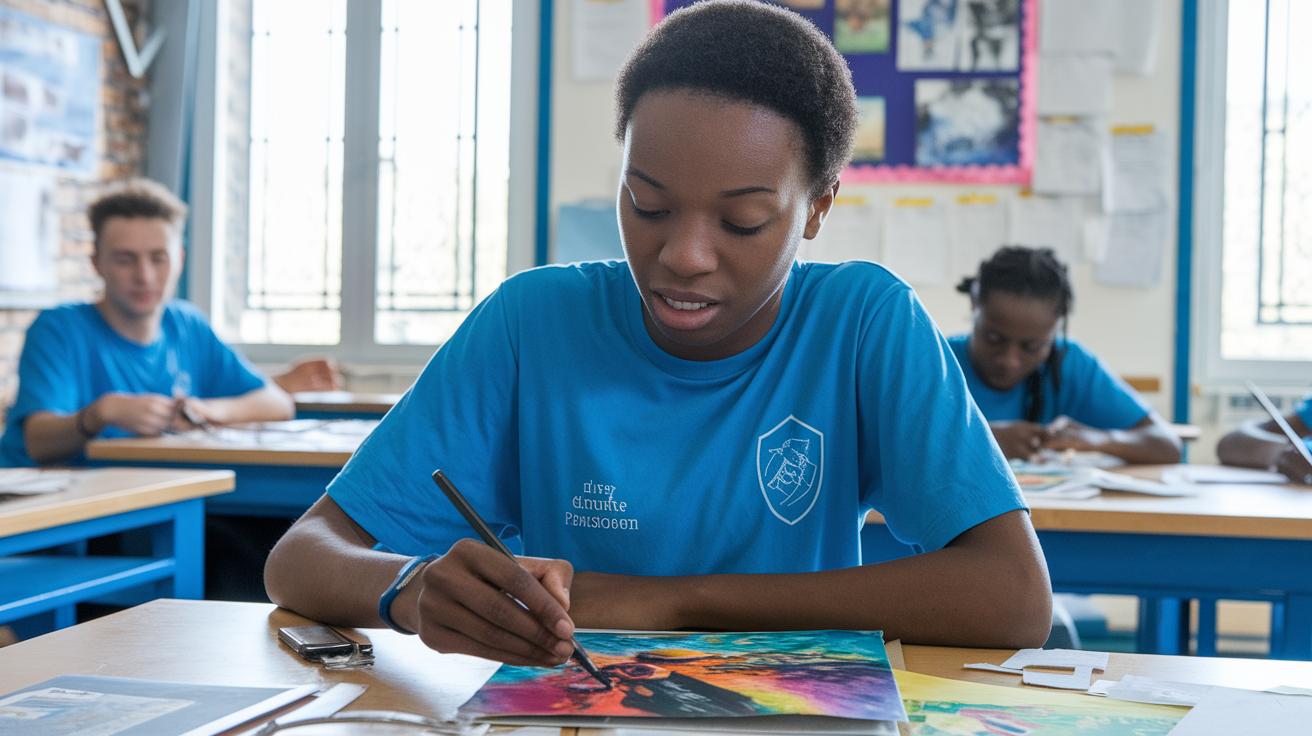
At the heart of the Oliver Samuels Foundation is a deep love for Caribbean culture, and they believe education is the key to sharing that magic. They offer full tuition scholarships and gentle academic support to students who proudly carry their Caribbean heritage. It’s like joining a warm family gathering where every young person from Jamaica, Canada, the US, or the UK finds a caring mentor and fun leadership circle.
Imagine having your tuition and academic fees taken care of, opening up a world of opportunity. The foundation does more than simply ease financial worries, it connects students with experienced professionals who share real-life Caribbean stories and handy advice. Ever thought about how a friendly chat in a leadership circle might help you balance study and cultural pride? It builds confidence and a heartfelt sense of belonging that makes you appreciate your roots even more.
They also team up with respected partners like the Edna Manley College of Visual & Performing Arts in Kingston and the Toronto Metropolitan University School of Performing Arts. This collaboration means students get to explore classes that mix artistic expression with beloved cultural traditions, much like stirring your favorite tropical drink. With a solid five-year memorandum keeping everything in sync, every lesson feels as refreshing as a sea breeze.
In truth, these thoughtful programs help transform scholarship recipients into true ambassadors of Caribbean culture. Each step of the way, the foundation nurtures both mind and spirit, ensuring the vibrant pulse of the Caribbean lives on for generations to come.
Integrating Digital Tools in Caribbean Cultural Education
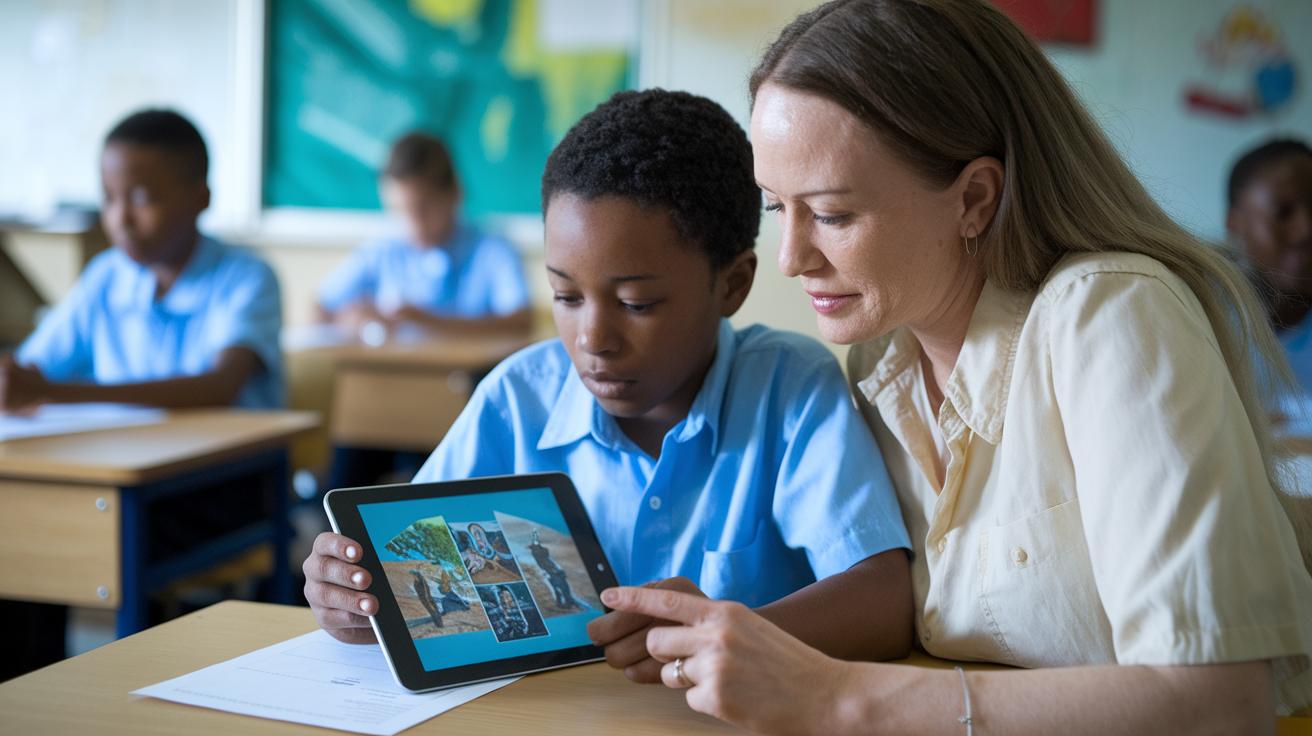
Tech is changing how we keep the Caribbean's vibrant history alive. Virtual lessons and online storytelling spots now let you explore distant heritage sites, so you can feel the magic of these traditions without leaving home. Digital archiving is key, as it safely stores oral histories, photos, and important documents that capture the heart of the region.
Virtual museum tours and interactive exhibits give you the chance to get up close with historical treasures from your classroom. This means that the stories of the past are easy for everyone to enjoy.
Today’s classrooms mix videos, interactive timelines, and digital storytelling to bring the rich Caribbean heritage into everyday learning. These fun tools turn regular lessons into true cultural adventures, cherishing age-old stories while keeping them fresh for modern minds.
By blending digital resources with daily lessons, teachers help preserve Caribbean culture in a way that really connects with students now and keeps the ancestral wisdom glowing for years to come.
Policy Reforms and Teacher Training for Cultural Preservation
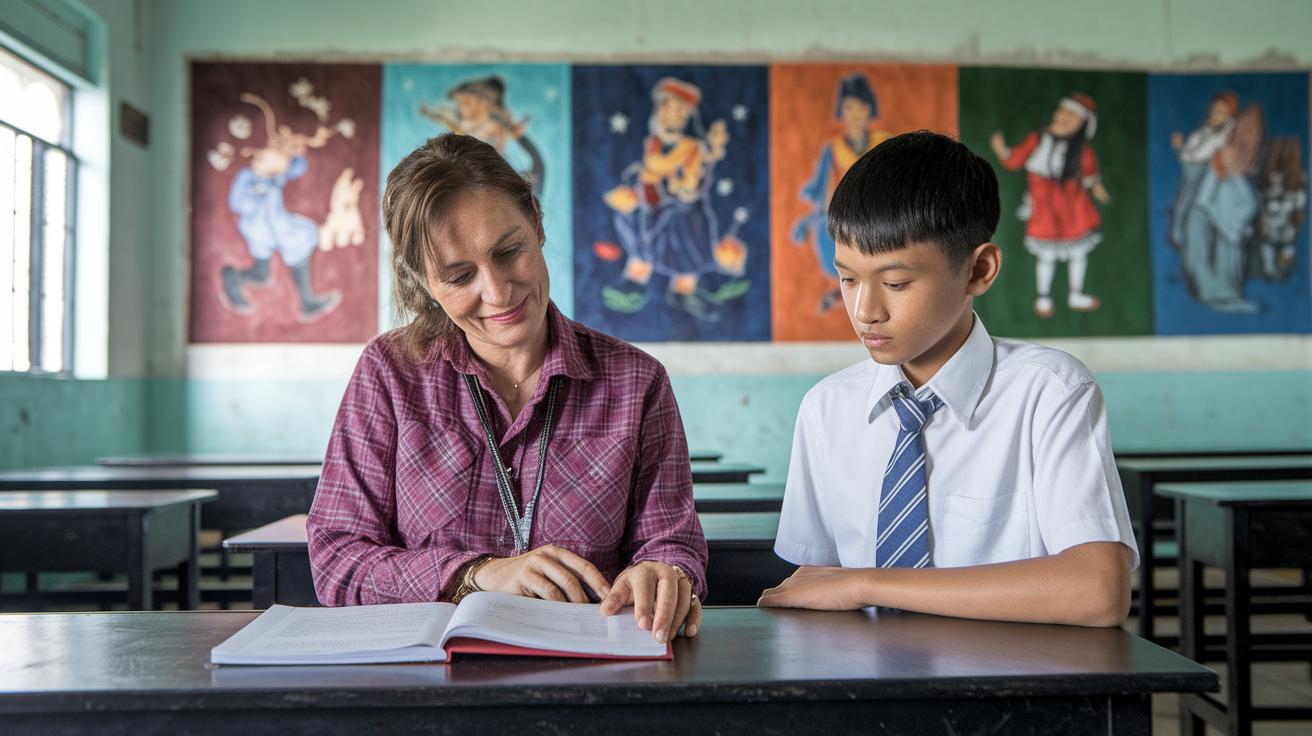
Our schools need a new way to share native history and local stories so that every student feels close to their roots. Experts believe that updating our education can bring local traditions to life, making each classroom a place where culture is celebrated.
Policy changes should blend the rich history of our islands, traditional storytelling, and local sports into everyday lessons. New guidelines ask for textbooks and lesson plans that tell the real story of our home. Schools should also include activities based on local folklore and cultural expressions. The goal is to make every lesson a spark of pride for traditions that have been shared for generations.
Teacher training programs in native teaching methods give educators the tools they need to share true stories and cultural lore. These courses focus on storytelling, fun projects, and hands-on cultural activities that bring history alive for students.
When new policies and teacher training join forces, classrooms turn into centers of cultural pride. With updates in what is taught and well-prepared teachers, students get a clear picture of the heritage they belong to. In truth, this approach helps nurture a deep commitment to keeping our traditions alive, ensuring that the spirited pulse of Caribbean culture continues in every community.
Final Words
In the action, we explored how education shapes cultural pride by blending ancient traditions with modern learning. Storytelling, music, culinary experiences, festivals, digital archives, and hands-on community projects all highlight the role of education in preserving Caribbean culture.
Curricula that honor ancestral narratives work in tandem with policy reforms and teacher training to keep traditions alive. This approach leaves us with hope and excitement for a future where heritage and education share the same vibrant heartbeat.
FAQ
What is the role of education in preserving Caribbean culture?
The role of education in preserving Caribbean culture is to share local traditions through storytelling, music, art, and food, which builds community pride and passes on unique heritage, especially in places like Jamaica.
How is education in the Caribbean system structured?
The Caribbean education system integrates local histories and cultural practices, using community events and hands-on learning to enrich classroom experiences and keep regional traditions alive in everyday learning.
Which Caribbean island boasts the best education system?
The best education system among Caribbean islands varies with each nation’s emphasis on cultural integration, curriculum depth, and resource use, reflecting each island’s distinct heritage and community values.
How can Caribbean culture be preserved?
Preserving Caribbean culture means using education to weave traditional stories and rituals into daily life while families pass down heritage through music, art, and cooking, ensuring traditions live on across generations.
How can academic research tools like Google Scholar benefit Caribbean cultural studies?
Google Scholar aids Caribbean cultural studies by providing access to scholarly articles and research, helping educators and researchers find reliable information to support educational initiatives and cultural preservation.
