Ever thought about how a game can bring an entire community together? On our islands, sports like cricket and soccer light up our hearts in ways that go far beyond just winning or losing.
These games connect generations and mix our rich history with everyday life. They even boost local businesses and spark festive celebrations that show off the true colors of Caribbean culture.
This piece explores how sports continue to shape our identity. Have you ever felt that special pride watching your favorite team play?
Sports as Pillars of Caribbean Cultural Identity
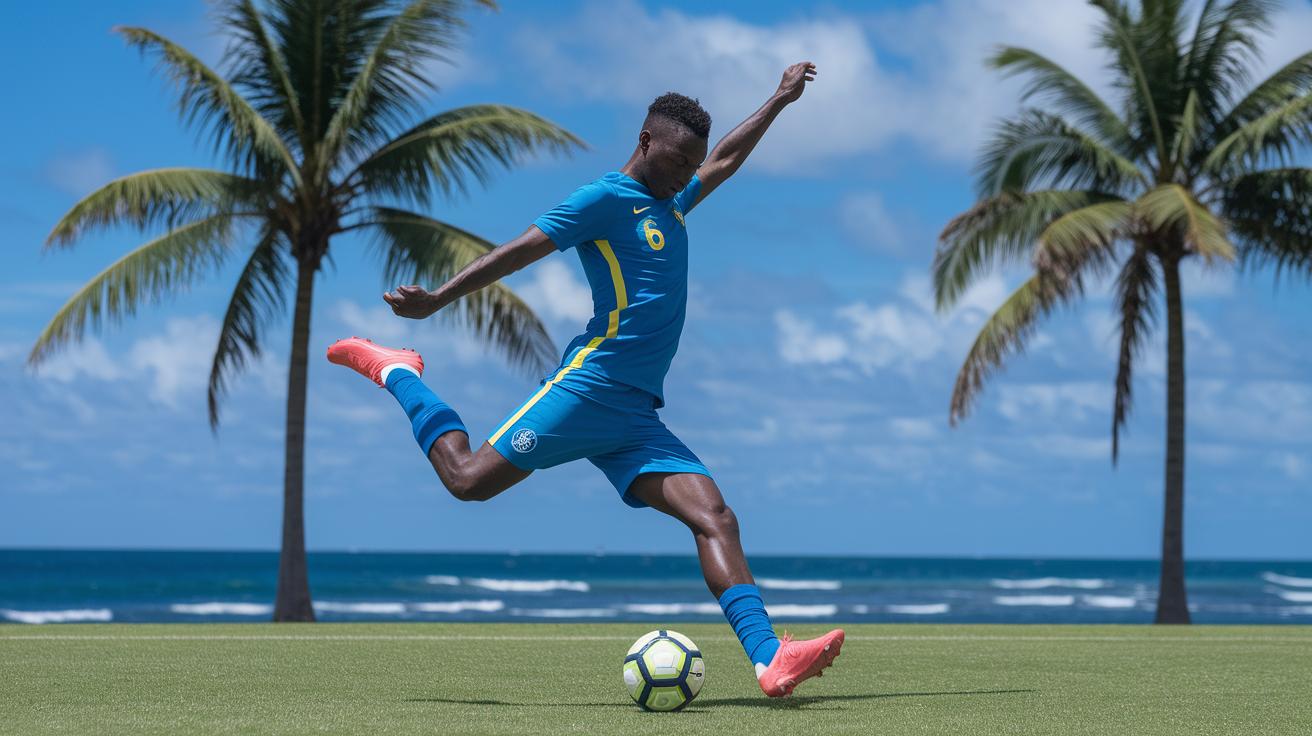
Caribbean culture is like a colorful scrapbook of traditions, memories, and shared pride. It mixes history, language, and everyday life in a way that feels warm and familiar. And you know what really brings everyone together? Sports. They spark passion and unity, whether it’s during an exciting cricket match or a fast-paced football game. For a closer look at this connection, check out the Definition of Caribbean Culture (https://caribiana.com?p=405).
Sports aren’t just about fun, they power local economies, boost social life, and even promote healthy living. Think about it: from players to coaches to a whole team of support staff, sports create plenty of jobs and bring extra visitors to the islands. This energy makes communities healthier and opens up new opportunities.
Every game, whether it’s a friendly football match or a track event that shows off raw strength, reminds us of our shared values and what it means to belong. These moments of joy and competition truly capture the spirit and heart of the Caribbean, showing how sports have become a key part of everyday island life.
Historical Roots: From Colonial Playgrounds to Regional Pride
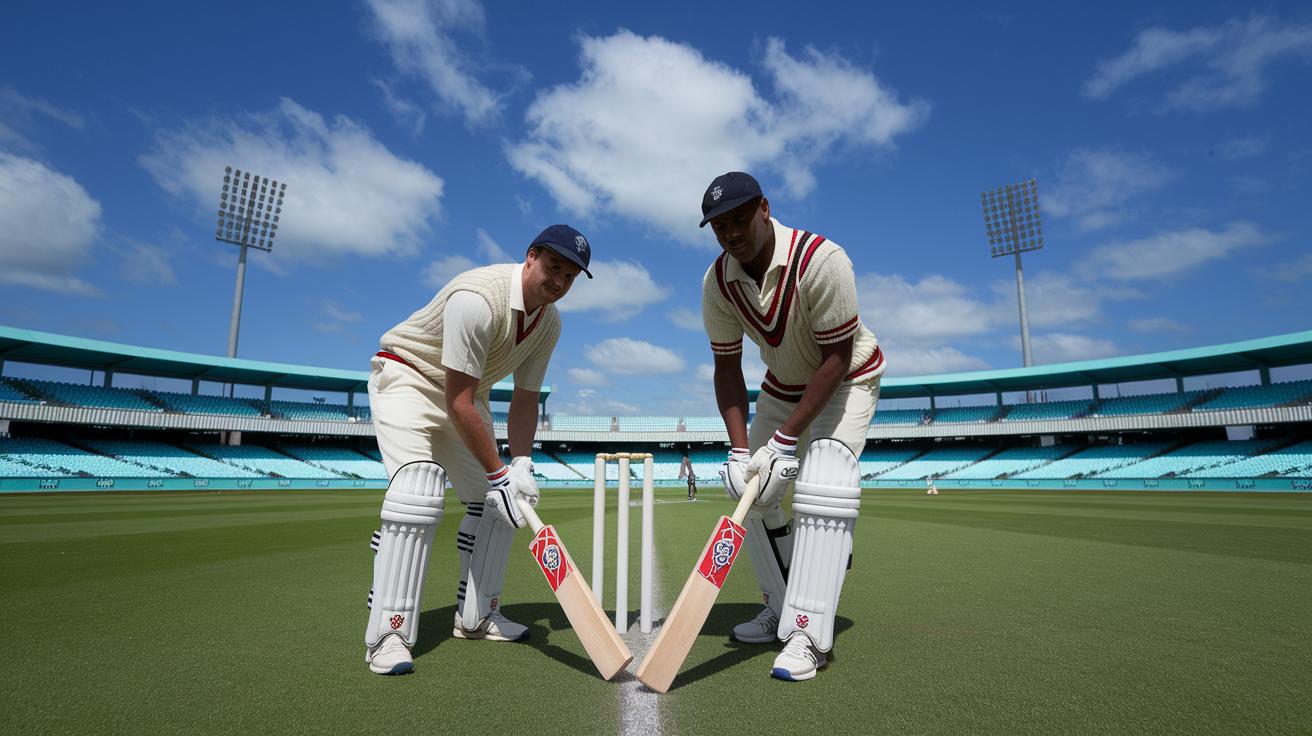
Back in colonial days, sports weren’t just a way to pass the time – they lit a spark of community pride. Cricket was introduced by the colonial rulers and soon became a sign of local resistance and self-expression, while small football clubs began popping up in the late 1800s. These early clubs gave people a neat opportunity to come together and share the excitement of a game.
Soon after, during the post-colonial era, sports events turned into stages for fresh talent and unity. Think about track and field contests like the National Secondary Schools Championships – they let young athletes, regardless of their background, shine on a regional level. These events stirred up a lively competitive spirit and built strong bonds, setting up a legacy that still thrills us today.
| Milestones |
|---|
| First cricket club founded (1876) |
| Formation of regional football tournaments (1920s) |
| Inaugural inter-island track meet (1950) |
| Establishment of national schools championships (1960s) |
Together, these milestones tell a warm story about how sports grew from simple games to a beloved cultural cornerstone. They transformed separate pastimes into shared adventures full of pride and resilience. Isn’t it amazing how community, competition, and a bit of fun came together to shape our regional identity?
Cricket’s Role in Shaping Caribbean Cultural Pride
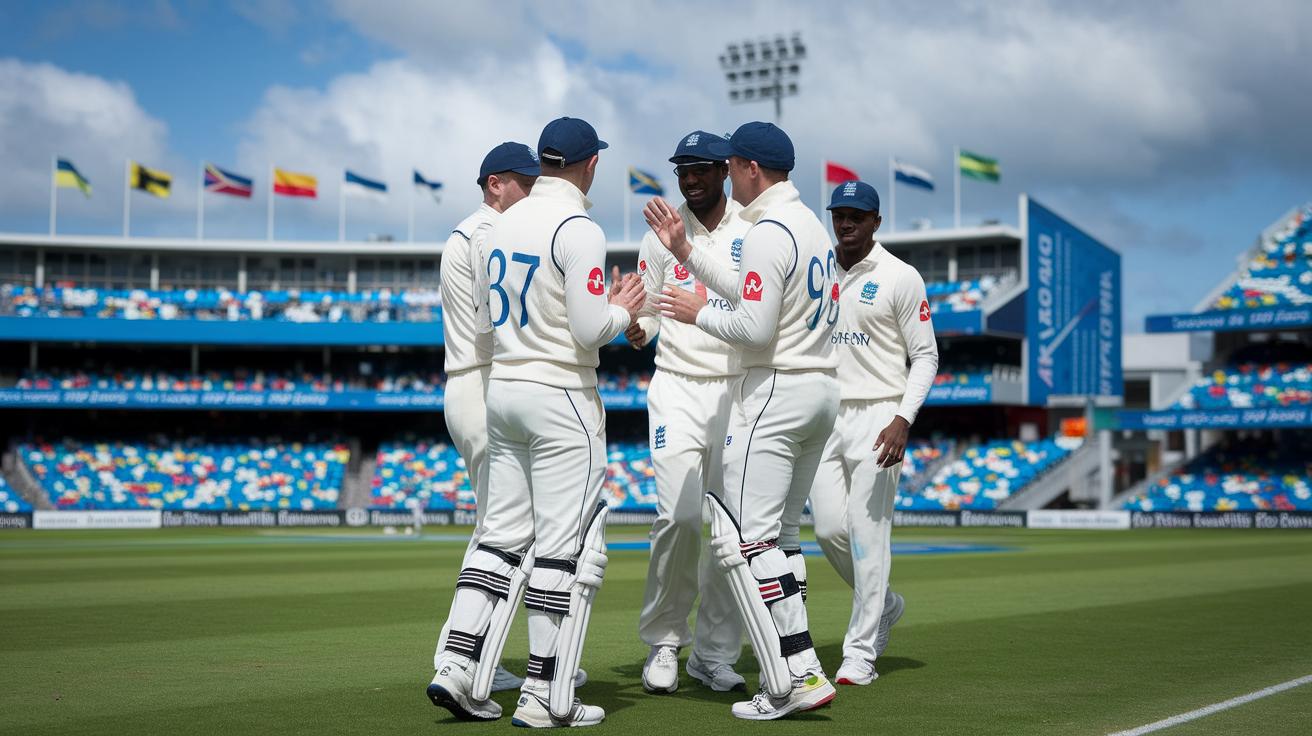
Cricket started out as a game brought in during colonial times, but it soon became more than just a way to pass the time. It turned into a strong symbol of defiance and local pride. Imagine a lively match where every run and wicket brings to mind a rich history and a bold fight for self-expression. Today, cricket reminds us that through teamwork and skill, our communities can shine on the global stage.
Legends like Sir Vivian Richards and Brian Lara are now household names. Their remarkable achievements, celebrated in the ICC Hall of Fame, show how one person's talent can spark collective pride. Take Sir Vivian Richards, his powerful style of play not only thrilled fans at home but also connected the Caribbean to a feeling of shared victory on the world stage.
Cricket also plays a big role in shaping our local identity and linking us with people all over the globe. Every international win fuels our dreams and reinforces the idea that Caribbean excellence stands out everywhere. With each match, the game weaves a bond among fans at home and abroad, proving that cricket is much more than just a sport, it is a cultural emblem that continues to unite and inspire us all.
Football’s Influence on Unity and Community Identity
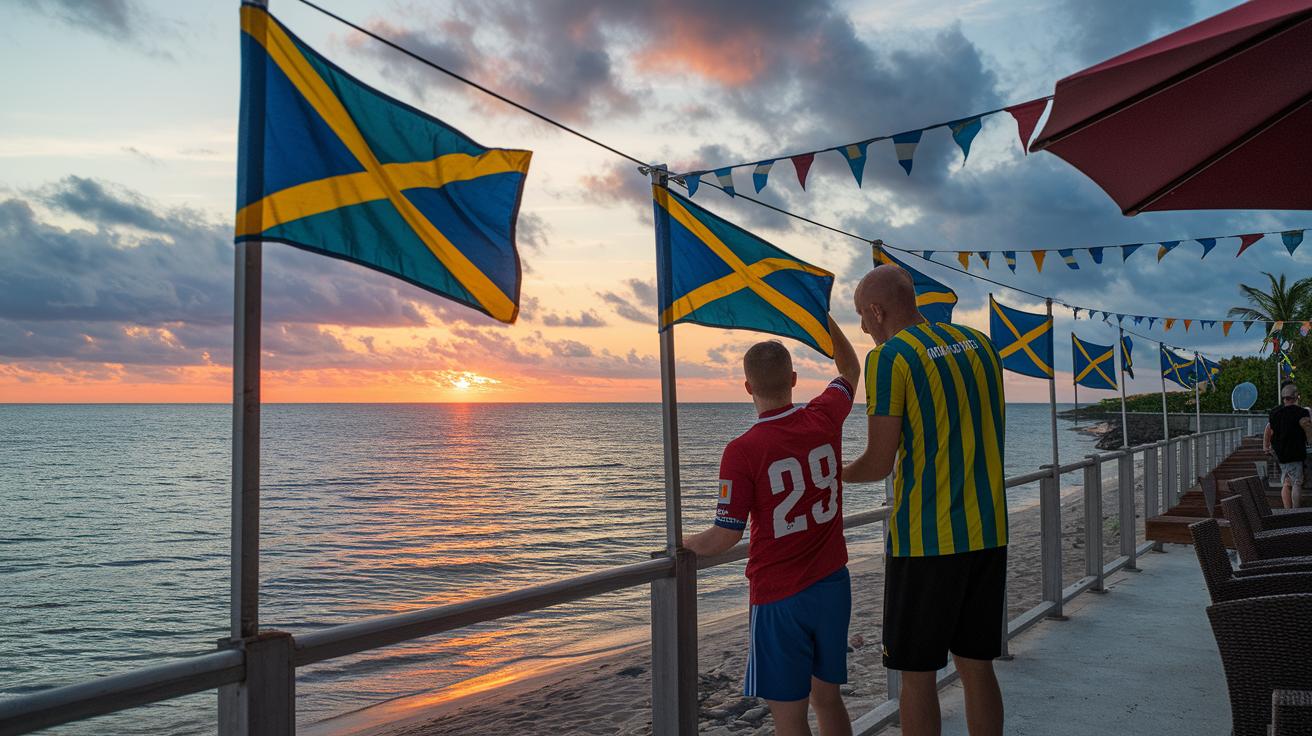
Regional tournaments like the Caribbean Cup and the CONCACAF qualifiers bring islands together with an exciting mix of competition and celebration. They feel like a joyful call, where teams from different islands showcase their unique flair while uniting diverse communities. Each game becomes a touching reminder of how football connects us all. Imagine sitting at a beachside bar, listening to every cheer and goal that knits the islands together in a shared rhythm of pride.
Local leagues offer more than just thrilling matches. They create warm spaces where young players find guidance and a true sense of belonging. Whether on a humble neighborhood field or in an organized league, local clubs help build friendships that extend far beyond the game. Seasoned players share their wisdom, teaching teamwork and respect, much like mentors guiding you along a scenic coastal path. These community efforts make football a living classroom for life skills and positive change.
Throughout the region, football is far more than a game, it’s an expression of culture, blending tradition, passion, and shared history. People come together to support local clubs and national teams, finding unity in both victory and defeat. This collective love for the sport strengthens a Caribbean identity that beats like a drum, uniting hearts across every island.
Track and Field: Showcasing Athletic Excellence and Heritage
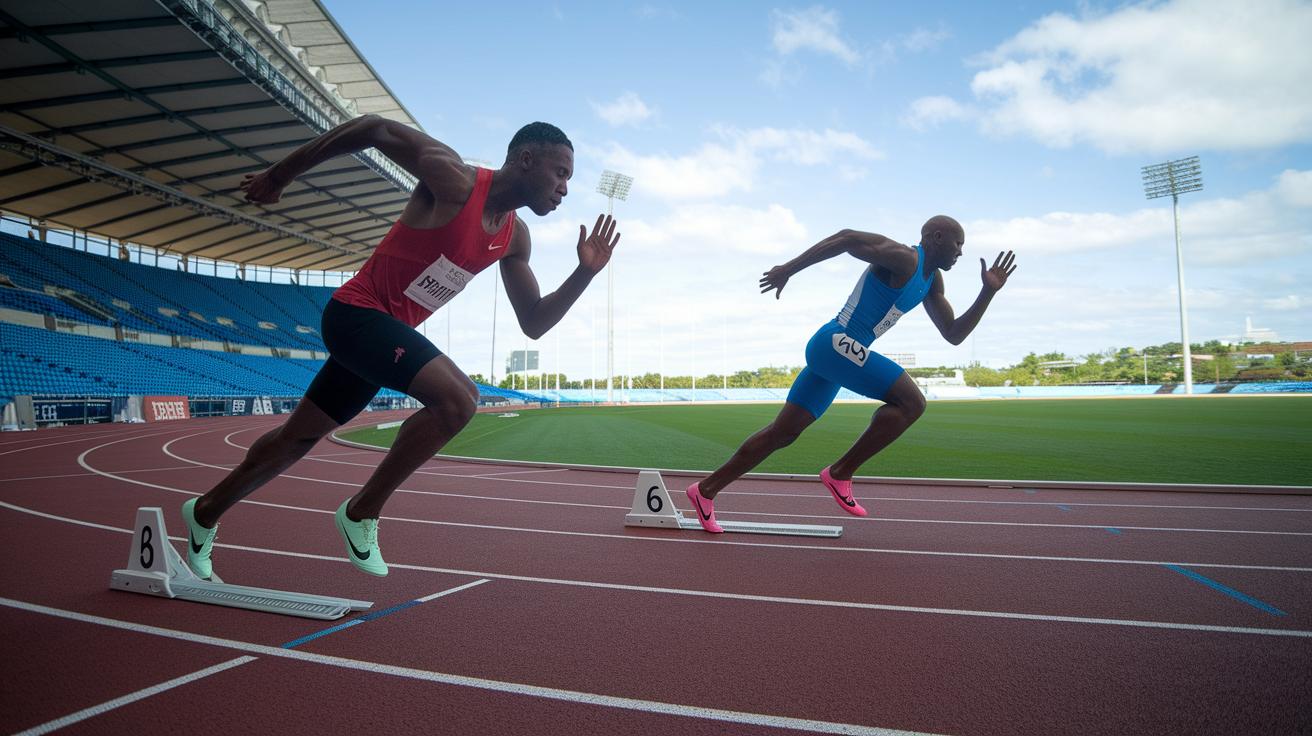
Caribbean track and field stars like Hasely Crawford and Ato Boldon have lit up the world with their speed and strength. They’ve not only won medals and broken records, but they’ve also brought pride to their local communities. Just think about the vibrant energy at events like the Trinidad and Tobago Marathon or the Secondary Schools Championships. Every runner, jumper, and thrower here contributes to a story that ties together personal dreams with a shared legacy.
These events often take place at amazing spots like the Hasely Crawford Stadium. This modern venue is more than just a training ground, it’s a space where local talent meets elite performance. Each race, relay, and leap is a nod to Caribbean traditions in sports, blending past struggles with hopes for the future.
| Athlete | Country | Achievement | Year |
|---|---|---|---|
| Hasely Crawford | Trinidad & Tobago | 100m Olympic Gold | 1976 |
| Ato Boldon | Trinidad & Tobago | 4 Olympic Medals | 1996–2000 |
| Keshorn Walcott | Trinidad & Tobago | Javelin Olympic Gold | 2012 |
Every achievement forms a bridge connecting the challenges of the past with today’s victories. This journey of speed, endurance, and passion deepens the rich heritage of the Caribbean and shows us that every step forward is a tribute to the spirit of the people.
Community Sports Clubs: Building Social Fabric and Youth Empowerment
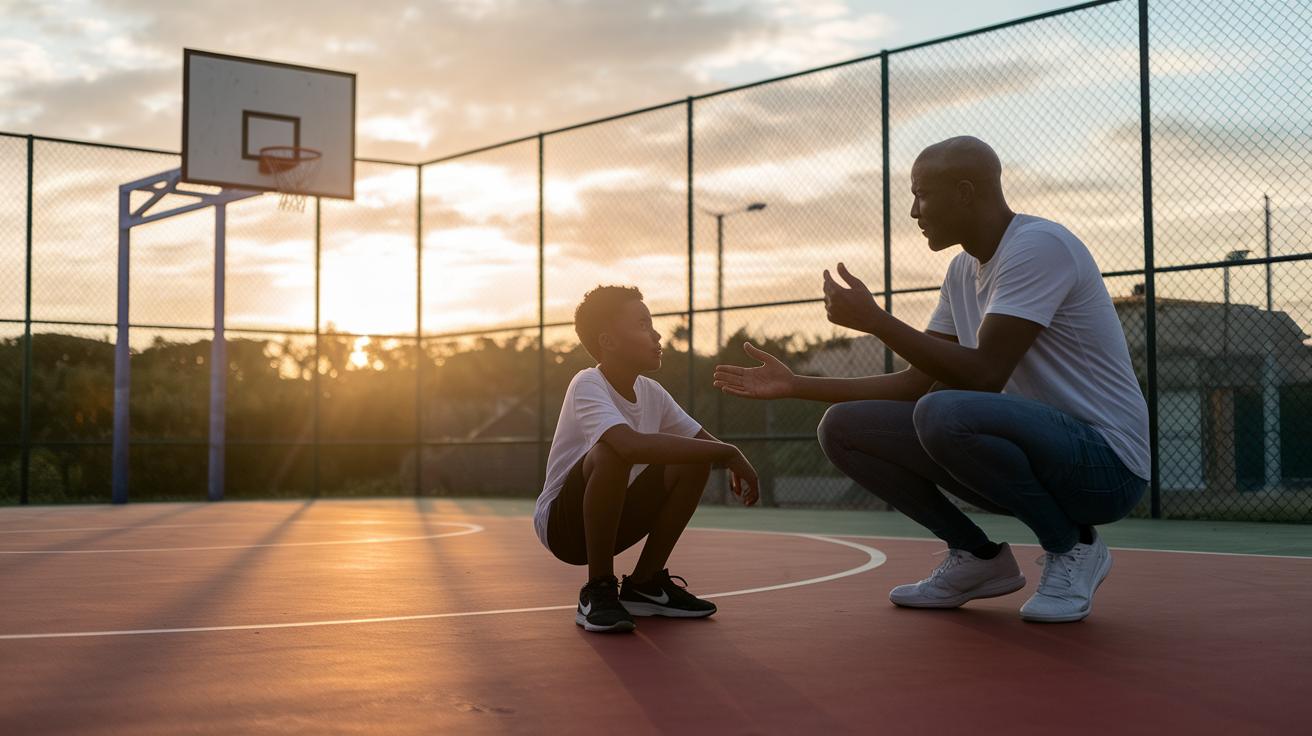
Local sports clubs are at the heart of Caribbean neighborhoods. They set up fun basketball, volleyball, and cricket matches that bring young people together from all walks of life. Local fields and simple courts are not just spots to play; they are lively meeting places where talent grows and friendships bloom.
These clubs help young folks build leadership skills and stay active, much like a warm push from a caring neighbor. Local coaches, who double as mentors, share their life lessons as much as they teach game moves. Youth learn important values like teamwork, respect, and hard work, and some even find doors opening to scholarships and bright futures.
Events and matches offer warm spaces where families and neighbors come together to cheer, celebrate, and support one another. In truth, these clubs nurture a sense of belonging that reflects Caribbean traditions and shared values. They remind us that playing together builds more than skills, it builds community spirit and a proud, resilient island identity.
Modern Developments: Infrastructure, Tourism, and Diplomacy in Caribbean Sports
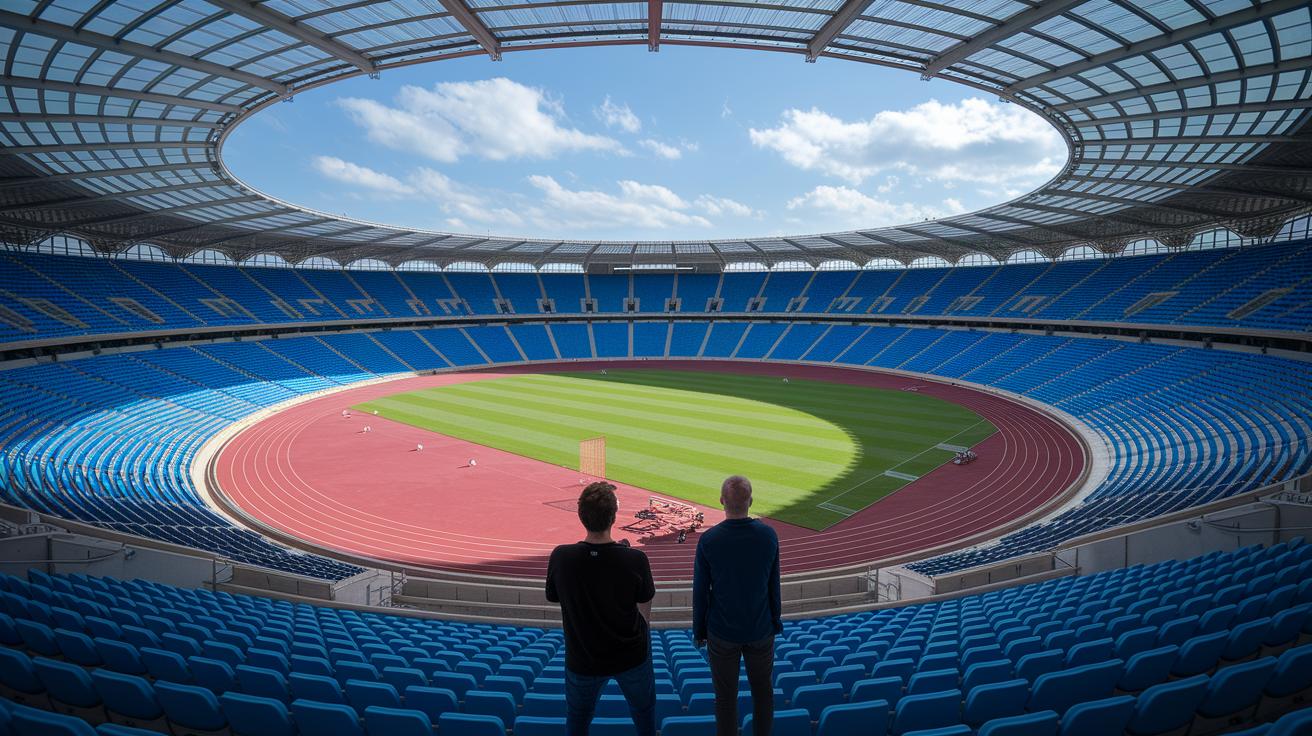
Caribbean governments are pouring resources into sprucing up stadiums and building new venues such as the National Cycling Velodrome (a specially designed track for cyclists). Imagine stepping into a light-filled, renovated stadium where every corner buzzes with energy, it’s a real mix of local passion and forward-thinking progress. These investments not only offer our athletes top-notch training spots but also enhance the experience for fans, reinforcing a vibrant local identity.
Big sports events are drawing people from all over, giving local tourism a serious boost. Hosting popular games like the Caribbean Premier League and races like the Trinidad and Tobago International Marathon turns islands into festive hubs filled with cheers and the scent of delicious island treats. It’s like a lively street fair where every match or medal ceremony adds a splash of excitement while breathing fresh life into the local economy and spirit.
Plus, sports exchanges and regional tournaments are more than just games, they’re little bridges that connect different islands. Think of them as friendly gatherings where cultures swap stories, customs, and lots of laughter. When islands team up in these spirited contests, it feels like one big family reunion, building community pride and unity all around.
Caribbean Diaspora and Media: Extending Sports Identity Abroad
Media stories help the Caribbean sports vibe reach far beyond our sunny islands. TV shows and online clips of West Indies cricket and Olympic track events spark heartfelt tales that link Caribbean friends in North America and Europe. These moments keep the spirit alive, showing how a great game can close the gap between us and fill us with shared pride.
Across the diaspora, sports events feel like warm family get-togethers. Fans get to see athletes from different islands in cozy, friendly settings that remind everyone of home. Festivals in Caribbean-American communities often welcome beloved sports stars and local heroes. They share stories and inspire young fans, helping everyone feel connected to our rich Caribbean spirit.
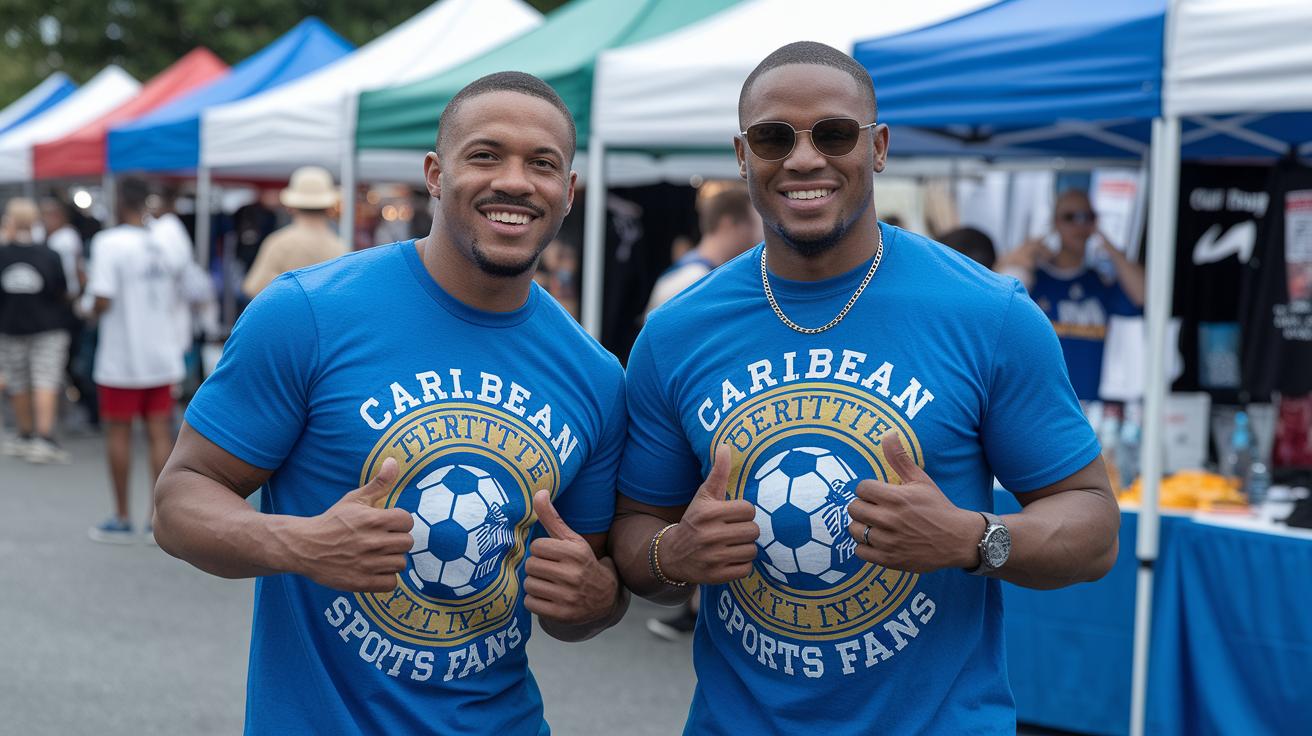
Everyday items like cool graphic tees, cherished memorabilia, and special keepsakes celebrate our sports legends. These treasures let us wear our pride, keep our traditions close, and spark fun chats about how much our sports shape our Caribbean identity.
Final Words
In the action, the post shows how sports play a key role in shaping Caribbean cultural identity. It explored the history from colonial times to modern sports, from cricket and football to track and field, and highlighted community clubs and international events that unite different islands. Each section paints a picture of sports as a natural form of expression and social glue across the region.
Keep the spirit high and proud, thanks to the profound impact of sports on Caribbean cultural identity.
FAQ
What impact does sports have on Caribbean cultural identity?
The impact of sports on Caribbean cultural identity shows in how athletic events strengthen community bonds, boost local pride, and support economic growth while celebrating shared traditions across the region.
What is the history of sports in the Caribbean?
The history of sports in the Caribbean began with colonial-era games like cricket and early football clubs, which evolved into symbols of pride and unity for the island communities.
What are the differences between government involvement in sport and governance of sport?
The differences between government involvement in sport and governance of sport lie in that the state provides funding and builds facilities, while sport governance manages rules, competitions, and organizational oversight.
What are some forgotten spots in the Caribbean?
Forgotten spots in the Caribbean refer to lesser-known islands and coastal escapes that offer unspoiled beauty, local traditions, and peaceful retreats away from the more frequented tourist areas.
How do sports contribute to Caribbean development?
Sports contribute to Caribbean development by boosting local economies, creating career opportunities, and promoting active, healthy lifestyles that further strengthen the community spirit.
What role do sports play in shaping identity and culture in the Caribbean?
Sports shape Caribbean identity and culture by reflecting shared values, bringing people together in community events, and acting as a symbol of local pride and historical continuity.
What is Caribbean cultural identity?
Caribbean cultural identity embraces shared local traditions, unique celebrations, and strong community bonds that mirror the region’s rich history and modern expressions, as described in the Definition of Caribbean Culture.
