Ever thought that history could come alive on a sunny island? In the Caribbean, every street corner holds secret stories and treasured traditions. Walk along paths that lead you by bright old forts and festive parades that stretch well beyond the beach. This guide takes you on a new journey through the West Indies, where every step brings you closer to a past full of lively tales that still shape island life today. Stick with us as we discover a side of Caribbean heritage you might not have seen before.
Caribbean Heritage Essentials: Overview of History Travel
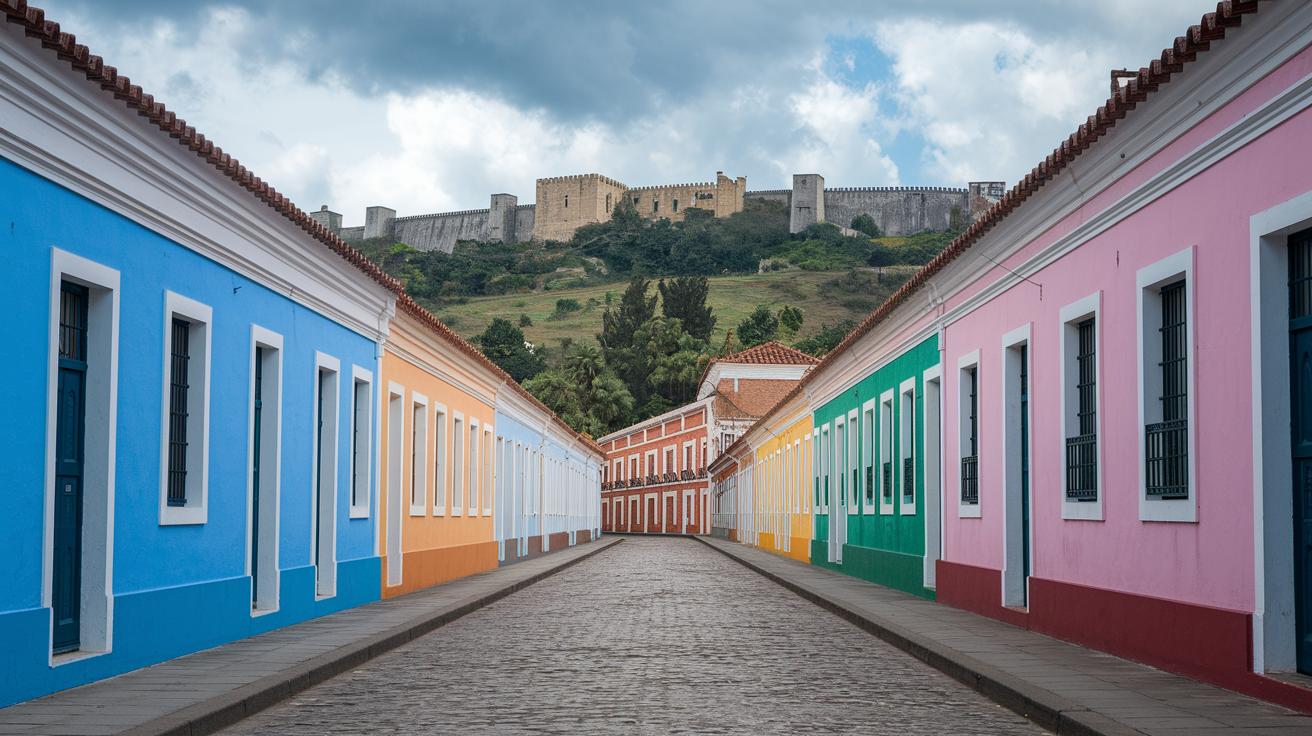
Step into the rich history of the West Indies. It’s not just about sparkling beaches, imagine stepping into a vibrant story where community dances and spontaneous street parades lit up island nights long before modern entertainment. Ever wondered how these traditions set the stage for today’s festive celebrations?
The islands sing with classic sounds. Reggae in Jamaica, salsa in Cuba, and calypso in Trinidad & Tobago have been echoing tales of shared memories and lively traditions for centuries. Picture yourself at Trinidad & Tobago’s carnival, the Bahamas’ Junkanoo, or the Dominican Republic’s La Fiesta de Santiago, where ancient customs mix sacred rituals with playful joy.
Stroll through places like Old San Juan or Willemstad, where pastel colonial buildings whisper stories of a tropical past. These charming scenes lead you to world-renowned sites like Brimstone Hill Fortress in St. Kitts or Havana’s Old Town. And if you’re eager to connect with local heritage, museums such as the Museum of Belize or the Museum of Antigua and Barbuda, along with community-led tours and homestays, offer a heartfelt glimpse into the island’s living history.
Colonial Chronicles: Must-Visit Caribbean History Sites
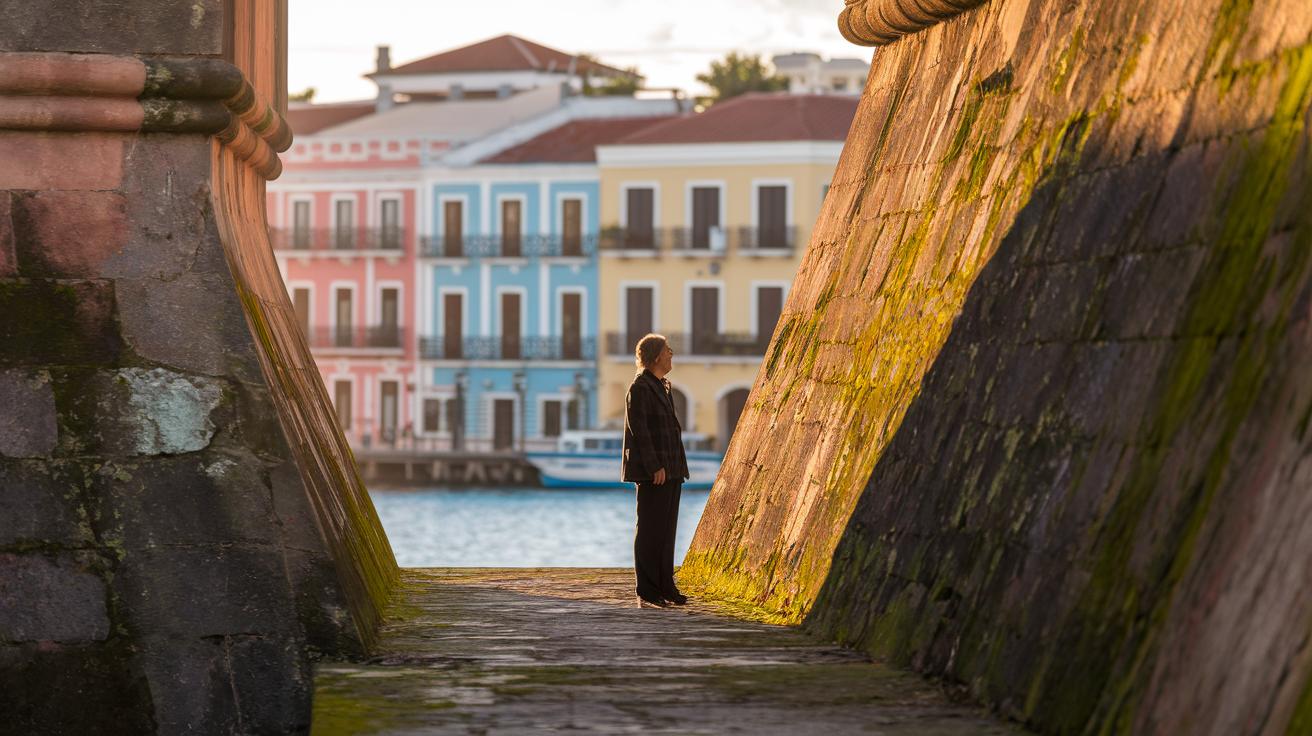
Step into a world of ancient stone walls and sun-soaked views that make history feel close. On these islands, every fortress and old citadel whispers tales of brave settlers and strong defenses. You can feel the mix of art and military might in every detail, from the charming pastel buildings to the sturdy forts that once kept invaders at bay. When you visit these spots, you're not just looking at old ruins; you're reading a living history book. For more on the amazing architecture of the Caribbean, check out this link: https://caribiana.com?p=367.
| Site | Location | Date Built | Why It’s Cool |
|---|---|---|---|
| Old San Juan | Puerto Rico | 16th century | Famous for its strong fortifications and pretty pastel buildings that tell the story of early defenses and settlements. |
| Brimstone Hill Fortress | St. Kitts | 1690–1800 | A UNESCO World Heritage site known for its military architecture and breathtaking views. |
| Havana’s Old Town | Cuba | 16th–19th century | Showcases elegant colonial design and offers a peek into Cuba’s important past and city life. |
| Fort Charlotte | Nassau, Bahamas | 1789 | Built to protect British interests, this fort stands as proof of smart military planning. |
| Blue and John Crow Mountains | Jamaica | UNESCO biosphere reserve | Merges natural beauty with fascinating colonial stories, making history feel alive. |
| Nelson’s Dockyard | Antigua | 18th century | Once a major naval base, this site played a key role in maritime strength during colonial times. |
| Castillo San Felipe del Morro | Puerto Rico | 1559–1790 | A mighty fortress with enduring stone walls that once protected the island’s harbor. |
Island Ancestral Tales: Museums in Caribbean Heritage Travel
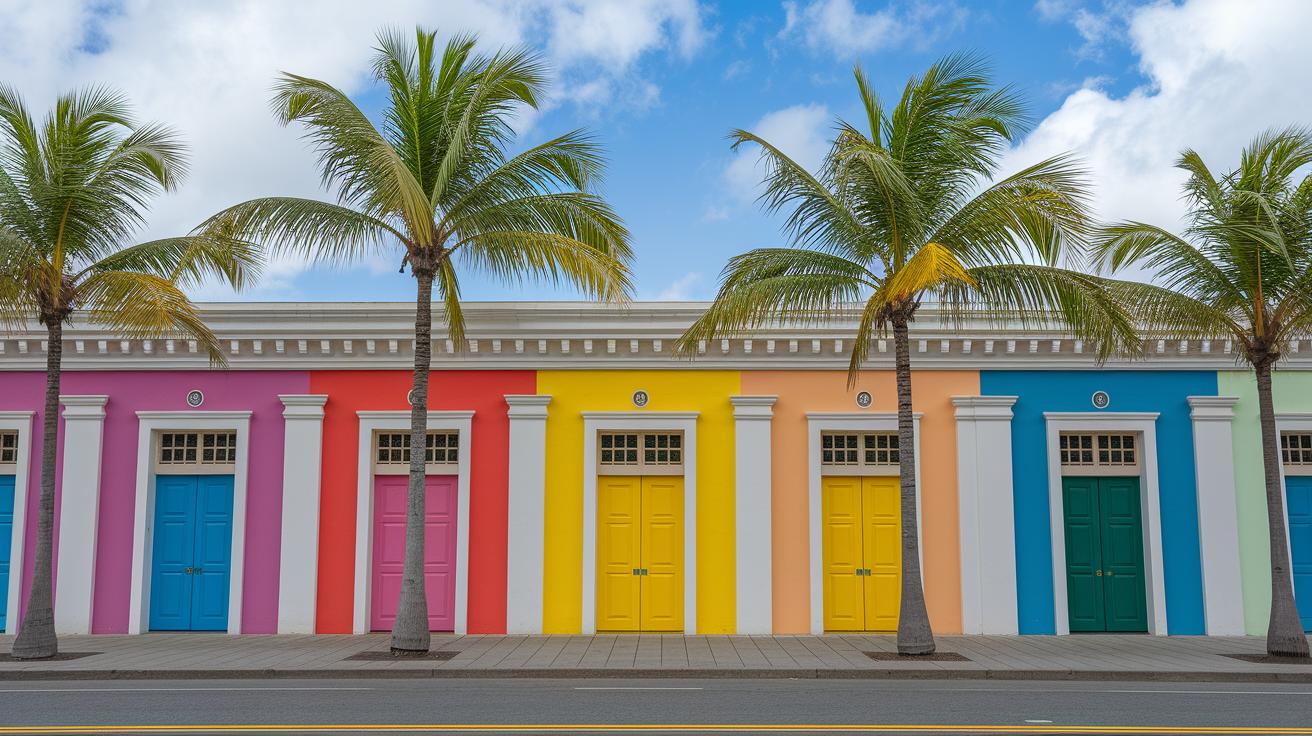
Step into the colorful world of Caribbean museums and let each display tell you a timeless story. These spots aren't just buildings, they're living spaces where what happened long ago meets the energy of today. Picture yourself hearing soft island drumbeats as you wander through halls filled with cherished relics and worn documents. Take the Museum of Belize in Belize City, for example; its Maya treasures and colonial pieces quietly share secrets of a bygone era.
Feel history breathe at the Museum of Antigua and Barbuda in St. John’s, where British archives capture moments of determination and change. Then, in Kingston, the National Museum of Jamaica brings Maroon culture to life, helping you feel the strong spirit of local communities. Over in Bridgetown, the Barbados Museum & Historical Society invites you to explore tales of plantation life and resilient hearts. And in Willemstad, the Curaçao Museum shows off collections from the time of the Dutch West India Company, reminding you of the vibrant mix of traditions that shape the islands.
Each museum is like a friendly doorway into the islands’ past, offering warm glimpses of everyday life and rich cultural heritage.
| Museum Name | Location | Highlight |
|---|---|---|
| Museum of Belize | Belize City | Maya artifacts and colonial relics |
| Museum of Antigua and Barbuda | St. John’s | British colonial archives |
| National Museum of Jamaica | Kingston | Maroon culture exhibits |
| Barbados Museum & Historical Society | Bridgetown | Plantation history |
| Curaçao Museum | Willemstad | Dutch West India Company collections |
Maritime Heritage Itineraries for Caribbean History Travel
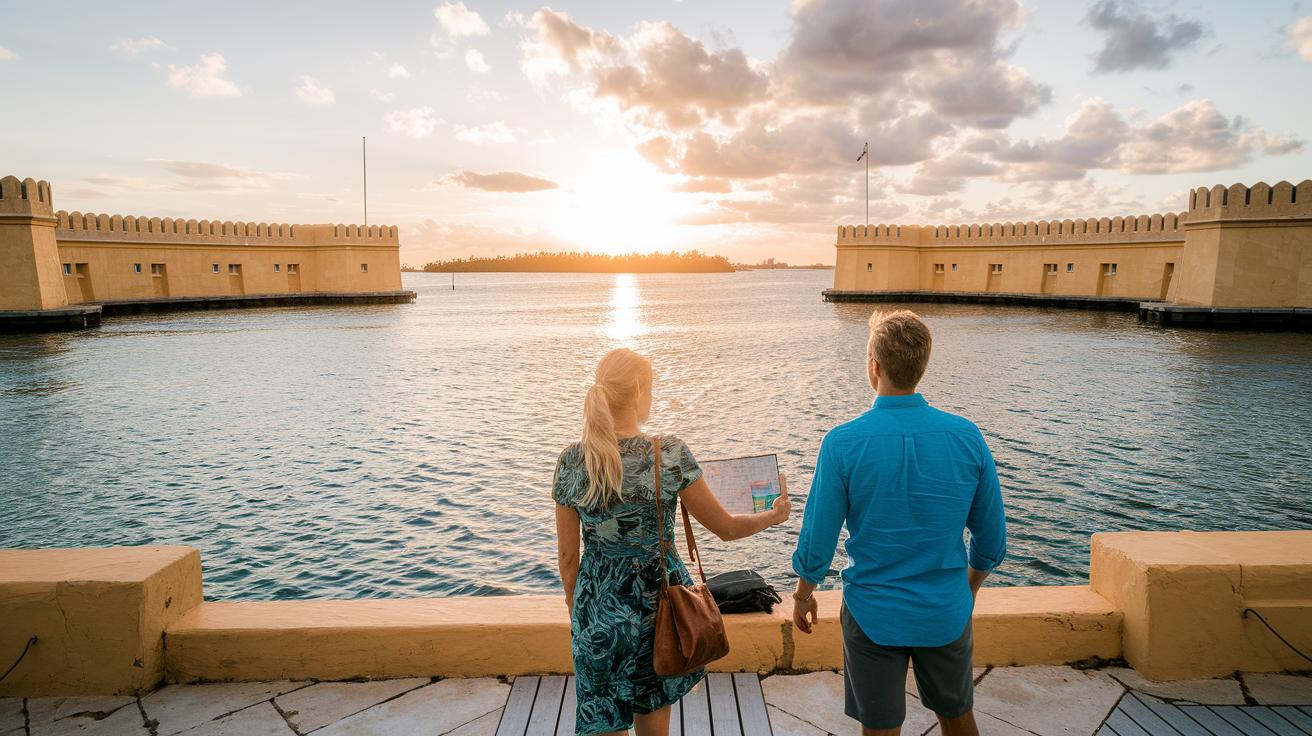
Day 1 in Nassau, Bahamas invites you to step back in time along sunlit streets where old seaport secrets whisper through 18th-century fort walls and faded naval ruins. Imagine walking along historic paths, map in hand, as friendly local guides share lively tales of naval power that once ruled these waters. It’s a day that lets history come to life beneath your feet and in the gentle ocean breeze.
Day 2 brings you to Bridgetown Harbour in Barbados, where the charm of a bygone sugar trade era fills every corner. Stroll along the bustling docks and discover hidden nooks where ships once set sail with sweet cargo bound for far-off lands. As you follow a gentle walking tour, you might feel like you’re part of a living museum, reliving the vibrant energy of a colonial port with each step.
Day 3 takes you on an adventure to Port Royal in Jamaica, a place steeped in pirate legends and daring naval battles. Here, winding lanes tell stories of seafarers and privateers, and local experts eagerly recount exciting tales of historic exploits. Picture yourself exploring narrow streets where every stone hints at the fierce spirit of the sea, a perfect blend of mystery and history.
Day 4 leads to Willemstad Harbour in Curaçao. Here, you’ll wander through lands that once belonged to the Dutch West India Company, where art and architecture weave together with old trade routes to paint a captivating picture of maritime business. With helpful local guides pointing out secret spots, you can truly imagine the lively hustle of an ancient seaport. Each day of this itinerary is crafted to bring you closer to the coastal heritage of the Caribbean, like sharing stories over a warm tropical drink.
Festival and Ritual Heritage in Caribbean History Travel

Trinidad & Tobago’s carnival is more than just colorful costumes and buzzing parades; it’s a lively blend of old traditions and fresh vibes. Picture a young performer who mixes the classic steelpan beats with new dance moves, giving a respectful nod to history while lighting up the present.
In the Bahamas, Junkanoo has grown beyond a simple celebration of freedom. Local talents now add their own twist to traditional drumbeats and cowbells, turning each street performance into a vibrant burst of identity.
Meanwhile, La Fiesta de Santiago in the Dominican Republic has moved from strict rituals to a community fiesta that changes with each generation. Dance workshops and processions now mix ancient Taino and Catholic customs with a modern spirit. Imagine community dance sessions where past and present weave together into something truly colorful.
For more details on these traditions, check out the Guide to Caribbean Festivals and Events.
Architectural Heritage Routes in Caribbean History Travel
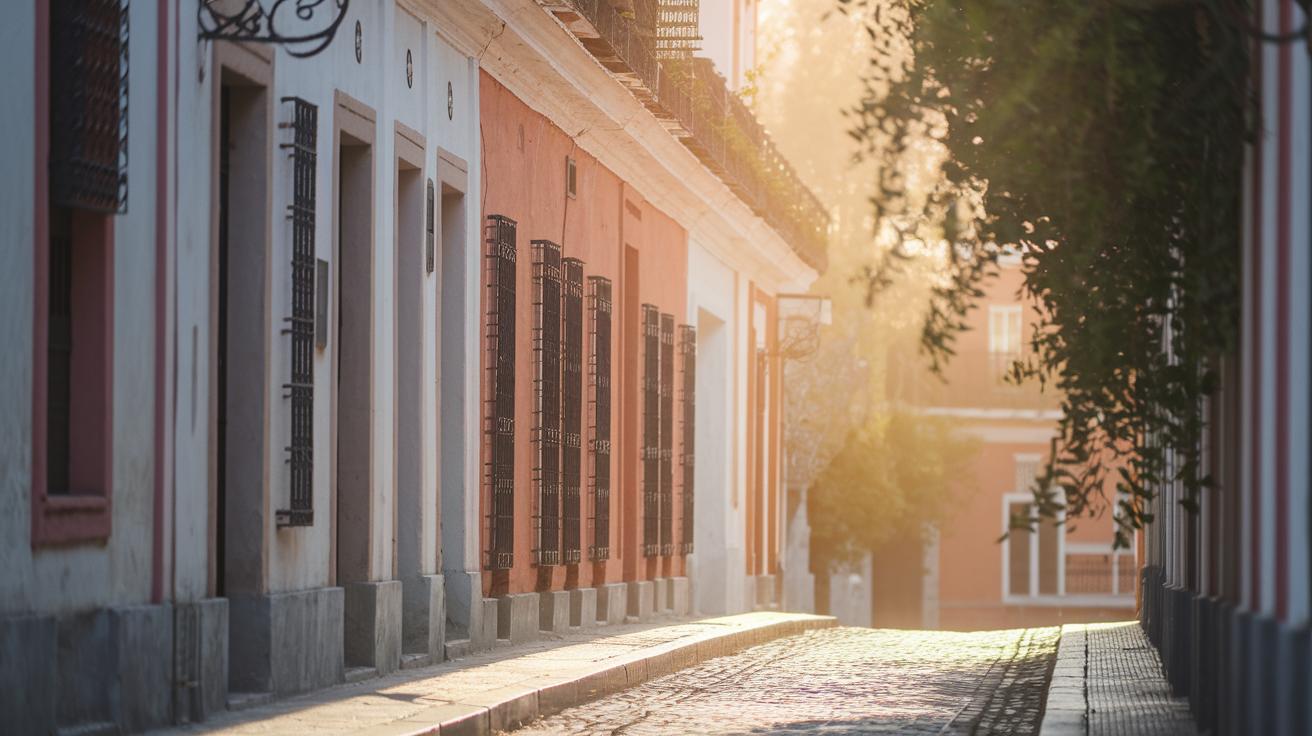
In Old San Juan, Calle del Cristo welcomes you to a walk filled with history and charm. Imagine wandering past Spanish colonial churches and thick city walls while feeling the gentle Caribbean breeze on your face. Every step reveals faded facades, hidden courtyards, and secret doorways that beg for a photo, each one whispering tales of centuries gone by. It's like stepping into a sunlit gallery where old bricks mix with warm, modern smiles.
Next, take a stroll along Willemstad’s Handelskade, famous for its pastel-colored 17th-century Dutch gables. As you meander by the waterfront, you'll notice ornate carvings and textured walls that bring a rich maritime past to life. Stop near a curving canal and watch as the reflections of historic buildings create a mirror image of colonial elegance. It’s a moment of pure, visual storytelling.
Finally, enjoy a calm walk through Havana’s Plaza de Armas. Here, beautiful Baroque mansions and lively public squares create a vibrant scene that feels both artistic and welcoming. Each turn offers a perfect spot to capture sunlight dancing on intricate stonework. Picture yourself pausing on a bright terrace, where the past speaks softly through detailed carvings and the gentle rhythm of everyday life.
Planning Your Caribbean History and Heritage Travel Itinerary
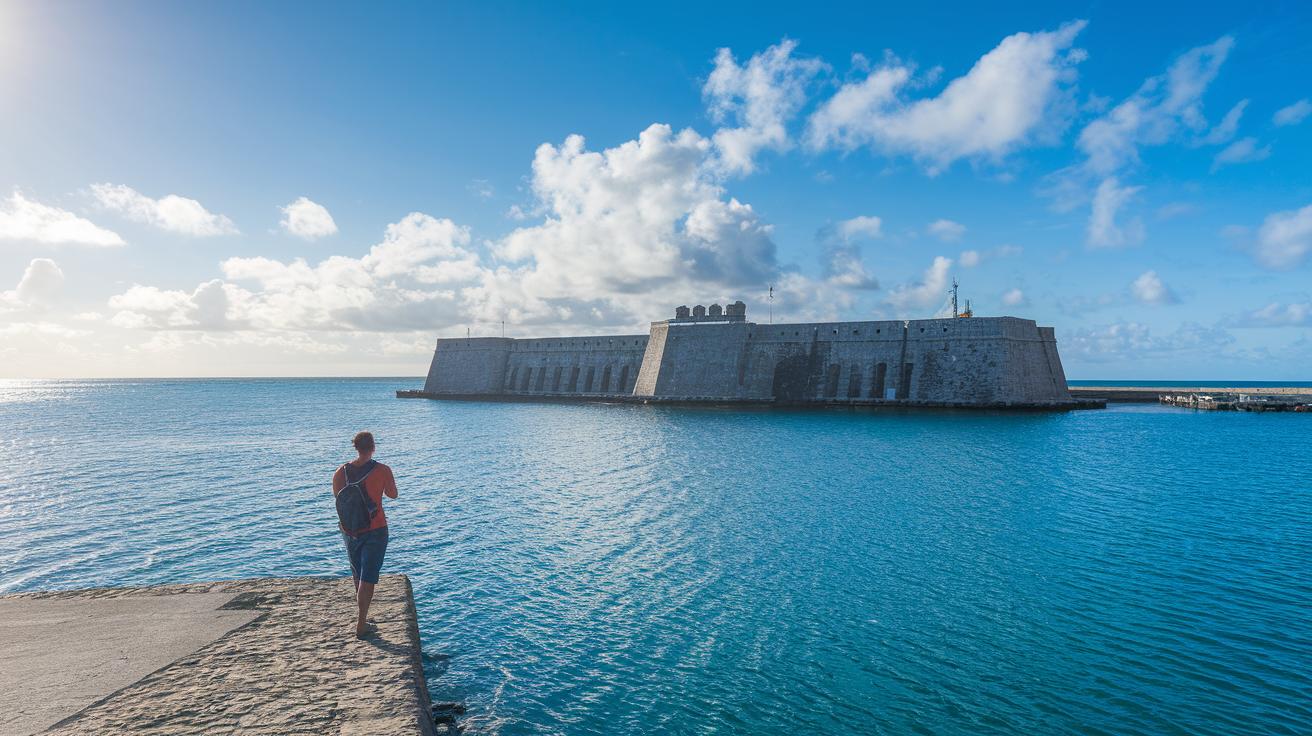
Imagine setting off on an adventure that weaves together the rich stories of the Caribbean. Give yourself 7 to 10 days to wander through stunning coastal ports and quaint inland heritage villages. Plan your trip for April to June when the weather is mild and the crowds have yet to gather.
Book your tours for famous UNESCO sites ahead of time, and consider hiring a friendly local guide who can share intriguing historical tales in their own unique way. Think of setting aside half a day or more at each fortress or museum, it’s like giving yourself time to fully soak in the stories behind every artifact and stone. It’s much like preparing a fresh tropical meal; blend a pinch of local insight with a generous dose of exploration so you savor every flavor.
And don’t worry if you lose mobile service now and then, download offline maps to keep your journey smooth all along winding roads and quiet backstreets. Here are some simple tips to get you started:
- Pick 7 to 10 days to comfortably jump between islands
- Choose travel dates in April to June for calm, pleasant weather
- Pre-book UNESCO tours and engaging local guide experiences
- Use offline maps for both coastal routes and hidden inland paths
- Set aside extra time to explore history-rich fortresses and museums
Each step of your journey feels like rediscovering a long-forgotten voyage, where every turn is filled with the echoes of a colorful Caribbean past.
Practical Tips for Caribbean Heritage and History Travel

When you're getting ready for a trip, think of your bag as a mini survival kit. Pack your sunscreen to beat those endless sunny days, bring along sturdy walking shoes to wander over those interesting, uneven historic paths, and throw in lightweight clothes that help you stay cool in tropical heat. Imagine setting off on a museum tour with the perfect pair of shoes carrying you effortlessly from one cultural spot to the next.
Also, respecting local customs can really help you feel at home. When you visit religious sites or museums, try to keep your shoulders covered. A light scarf not only adds a bit of style but shows you care about local traditions, kind of like adding a little extra charm to your look.
And don’t forget to budget your trip. Expect to pay entry fees ranging from $5 to $15 per site. It’s wise to carry some local money, like the Eastern Caribbean dollar, Bahamian dollar, or peso. Grab a local SIM card so you can stay connected, and consider using TAP-and-go cards when you’re exploring busy city centers. Oh, and remember that tipping about 10–15% in restaurants and rounding up for smaller services is part of the local vibe.
Final Words
In the action, we took a close look at Caribbean history through classic forts, cozy museums, and lively festivals. We shared practical packing tips, smart itineraries, and local insights that make your trip hassle-free. Each section brought the region’s colorful past and rich cultural scenes right into view. Step into those charming streets, taste the local flavors, and enjoy every sunlit moment. Embrace the charm with our History and Heritage Travel Guide in the Caribbean.
FAQ
Which Caribbean island has the most historical sites?
The Caribbean island known for its rich collection of historical sites is often seen as Puerto Rico, where well-preserved fortresses, colonial streets, and museums showcase centuries of enthralling heritage.
Which Caribbean island nation is known for its revolutionary history and vibrant culture?
The island nation famous for its revolutionary past and lively cultural traditions is Cuba, where spirited celebrations, storied landmarks, and dynamic music highlight its colorful heritage.
Who are the historical figures in the Caribbean?
The historical figures in the Caribbean include icons like Toussaint Louverture and various local heroes from Cuba, Haiti, and Puerto Rico whose actions helped shape the region’s rich cultural legacy.
Are there ancient ruins in the Caribbean?
Yes, ancient ruins in the Caribbean include colonial fortresses, historic churches, and remnants of indigenous communities that offer visitors a peek into the area’s deep-rooted past.
